Every vial counts to protect children
Across West and Central Africa, vaccine management is essential to polio vaccination campaigns

- English
- Français
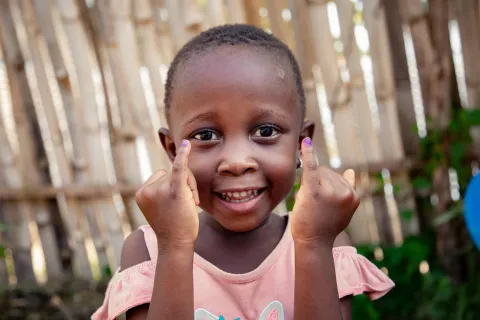
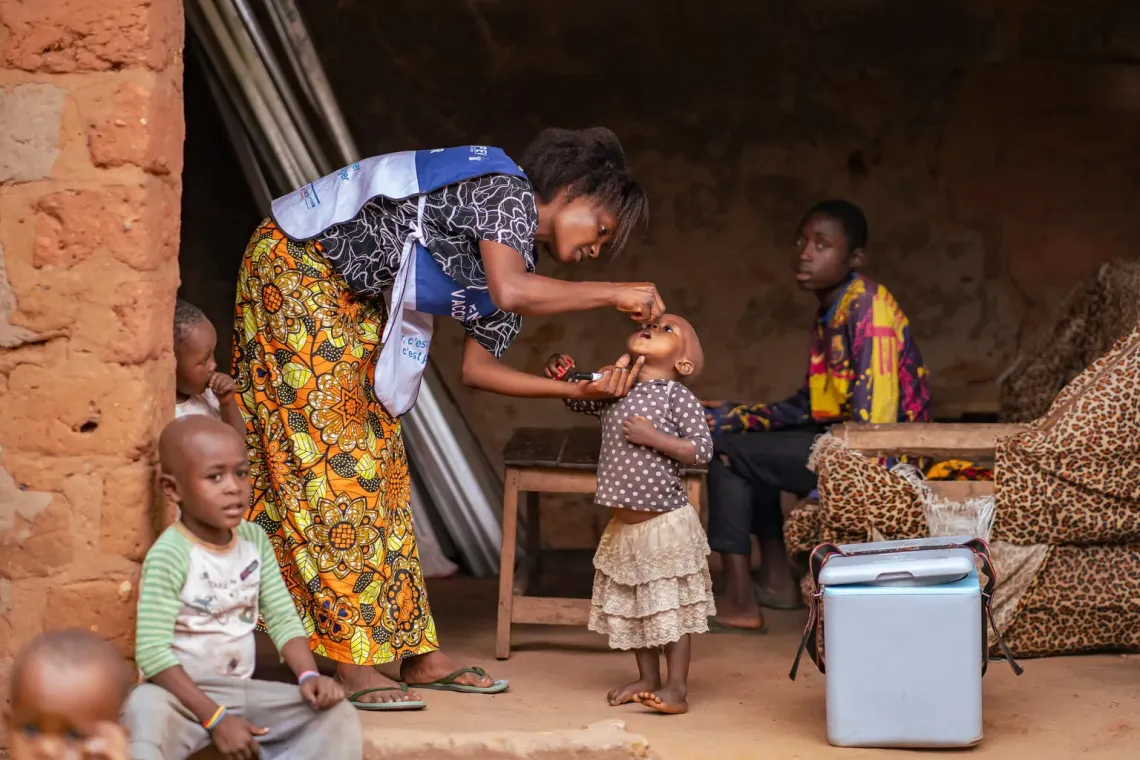
For a family, vaccinating a child against poliomyelitis, more commonly known as polio, takes only a few seconds. A vaccinator gives a child a few drops of vaccine before moving on to the next household.
Behind this simple act lies an entire system for supplying, storing and tracking vaccines.
During the few days of a vaccination campaign, enough doses must be available, delivered to vaccination teams, kept at the right temperature and carefully tracked as they are used.
Polio vaccination campaigns generally run for three days, often followed by two days of follow-up visits to reach children who were missed during the first round. With such a tight schedule, even a temporary shortage of vaccines can slow teams down and leave some children unvaccinated.
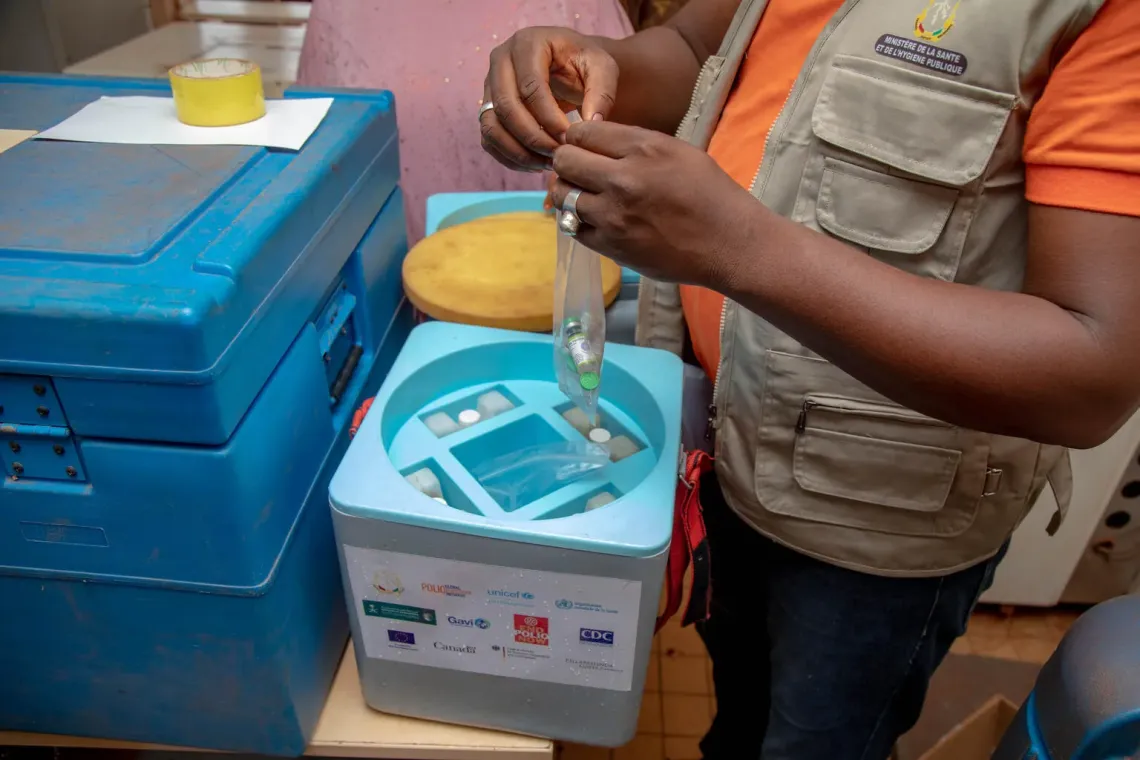
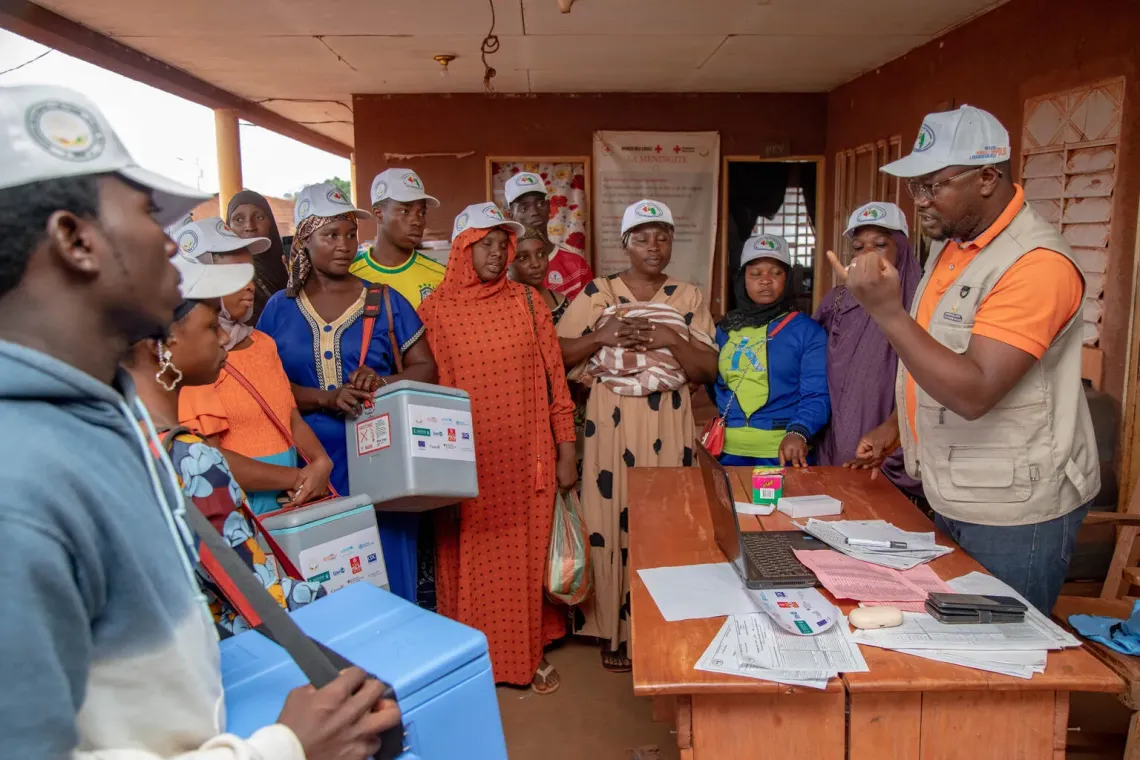
Every campaign day starts well before vaccinators reach families.
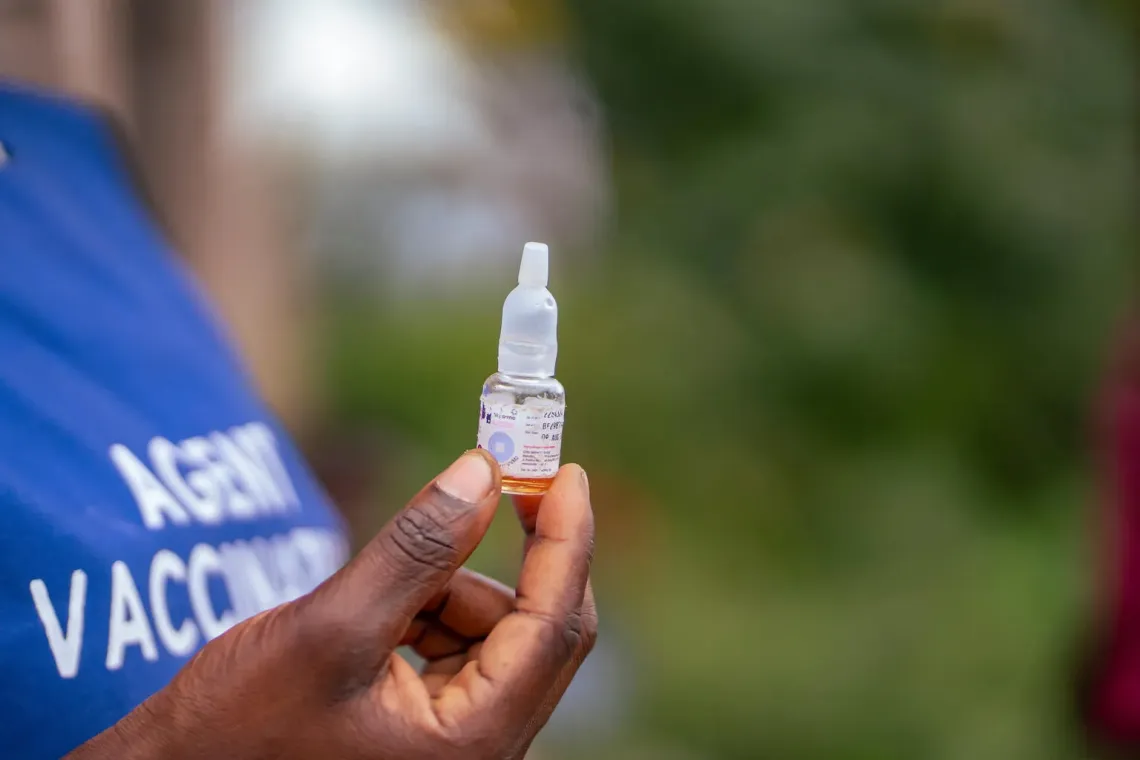
In the morning, teams collect the vials they will need and place them in vaccine carriers or cold boxes to keep them at the required temperature while they are on the move.
The cold chain must be maintained from the moment vaccines are stored until they are used. Cold rooms, refrigerators, cold boxes, vaccine carriers, ice packs and temperature-monitoring devices all help ensure that vaccines remain effective throughout their journey.
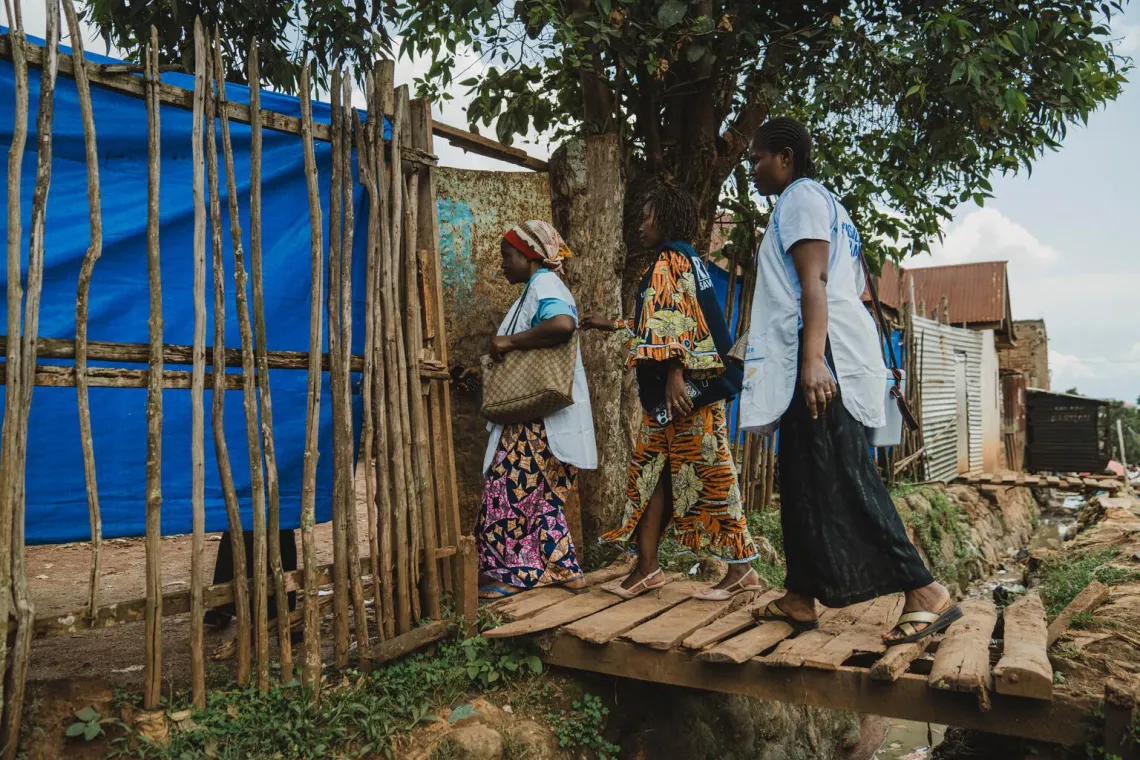
Vaccinators can then set out to meet families, going from house to house in neighbourhoods and villages and sometimes travelling long distances to reach the most remote communities.
But the work to make sure vaccines are available in the right place, at the right time, starts much earlier.
Alongside governments and partners of the Global Polio Eradication Initiative, UNICEF helps estimate vaccine needs, secure supplies and organise distribution to the areas where vaccines will be used.
Even with careful planning, needs can change once a campaign is under way.
One team may reach more children than expected in one area, while another may use fewer doses. Information coming back from the field helps teams adjust distribution quickly.
If a team begins to run short of vaccines, doses can be moved from another location. At district, regional and national levels, monitoring tools help track stocks, use and any emerging issues throughout the campaign so that supplies can be adjusted where needed.
Tracking does not stop when vaccinators finish their rounds.
When teams return, the vials are brought back to the distribution point. Unopened vials that can still be used are returned to refrigerators. Opened, partially used or unusable vials are kept until they can be safely disposed of at the end of the campaign.
The aim is simple: to account for every vial, from the moment it arrives until it is used.
Knowing where vaccines are, how many have been used and how many have been returned helps teams manage stocks more effectively, reduce wastage and ensure that every dose is used responsibly.
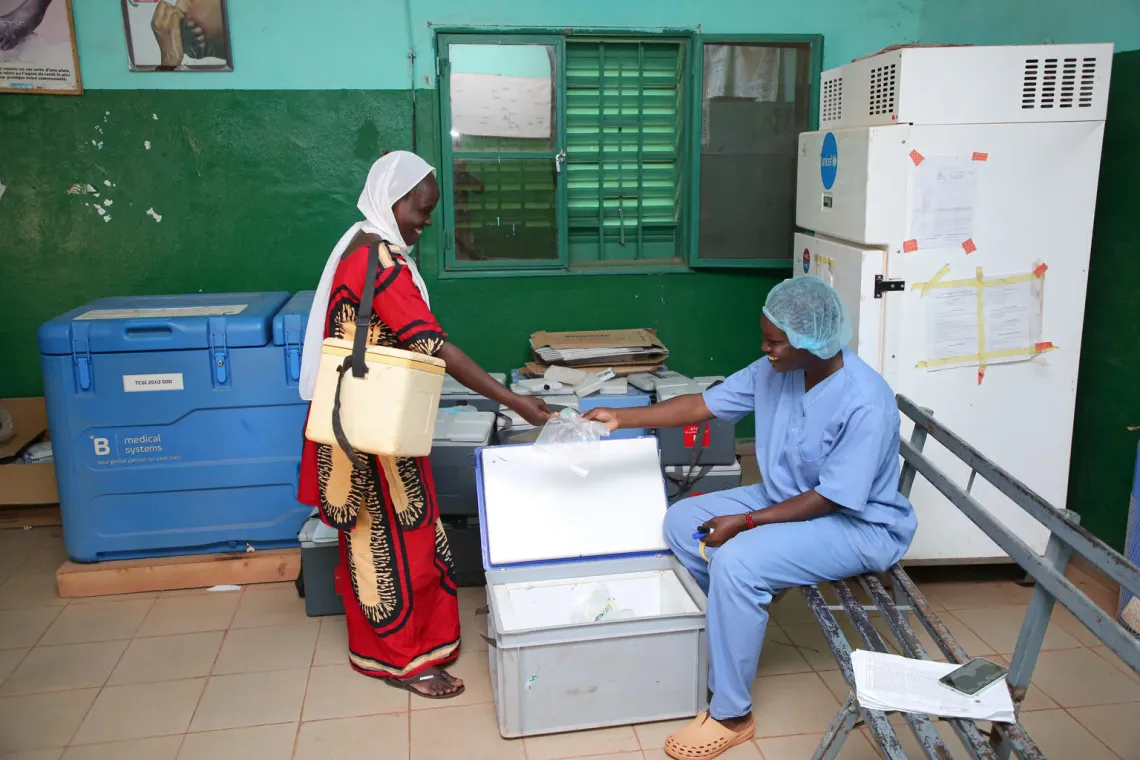
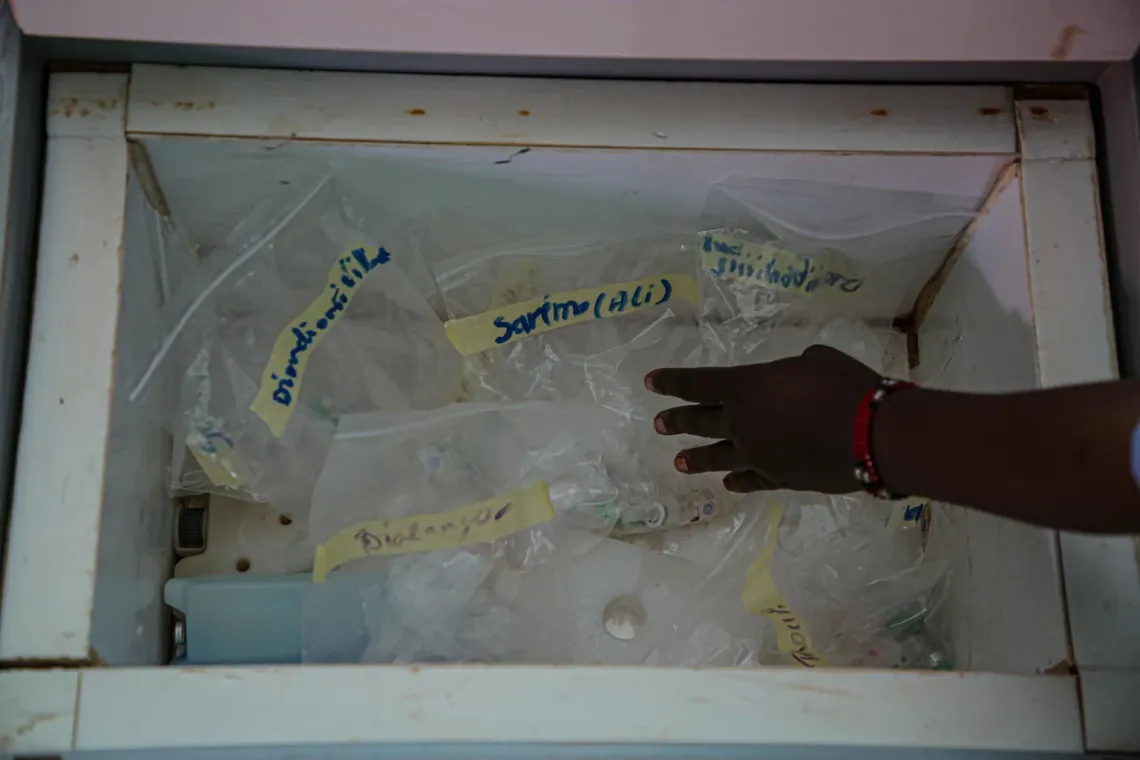
In Mali’s Mopti region, Fatoutama Néné Cissé is directly involved in this work.
A nurse, she served as a vaccine vial monitor during the most recent vaccination campaign in August 2026.
Every evening, she records, first on paper and then in an application on her mobile phone, the vials distributed to vaccinators and those returned at the end of the day. Full, partly used, empty or damaged: every vial must be accounted for.
“Tracking vials makes it possible to know precisely how many doses have been used, prevent wastage or stock-outs, and make sure that every vaccine is used appropriately,” explains Fatoutama Néné Cissé.
This careful monitoring also helps ensure that vaccination teams have the vaccines they need, when they need them.
“Teams can focus more on their work with communities. For children, this means better vaccine availability and a more effective campaign,” she adds.
Fatoutama’s work in Mali is one part of a much larger effort.
Between 2024 and 2026, UNICEF managed the procurement and distribution of around 1.5 billion doses of polio vaccine for countries across West and Central Africa. Behind that figure is the work of anticipating needs, getting vaccines to the countries that need them and organising their distribution all the way to vaccination teams working closest to children.
When a polio outbreak occurs, this system needs to move quickly so that large-scale vaccination campaigns can begin without delay.
In the Democratic Republic of the Congo, more than 10,000 vaccine vial monitors work alongside 500 supervisors during nationwide campaigns, helping teams keep track of every vial and ensuring vaccines reach the places where they are needed.
“Every drop counts to protect children,” says Madeleine, a vaccinator in Tanganyika Province.
For families, polio vaccination takes only a few seconds. But before those few drops reach a child, every vial has already travelled through a long chain.
A chain that families may never see, but one that is essential to getting vaccines to children wherever they are needed.