Reaching every child with polio vaccines
From schools and neighbourhoods to health centres and border areas, vaccination efforts are adapted to the needs of families and communities

- English
- Français
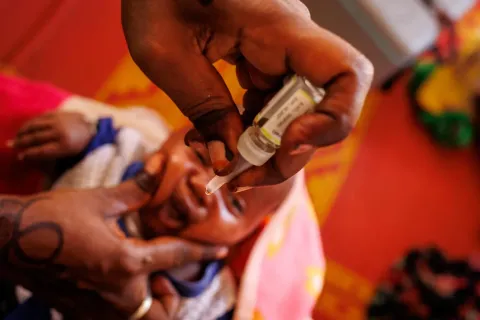
In Cameroon, children receive the polio vaccine at school. In Nigeria, a vaccinator takes time to reassure families. In the Democratic Republic of the Congo, U-Reporters answer questions from their communities. In Mali, women community leaders encourage mothers to have their children vaccinated.
Across West and Central Africa, vaccination teams adapt their approach to reach children in different circumstances. Making vaccines available is only part of the work. Teams also need to understand what prevents some families from accessing vaccination, answer their questions and find practical ways to reach them.
This work relies on the dedication of health workers, community volunteers, local and religious leaders, women, teachers and young people who understand their communities, build trust and help bring vaccination services closer to every child.
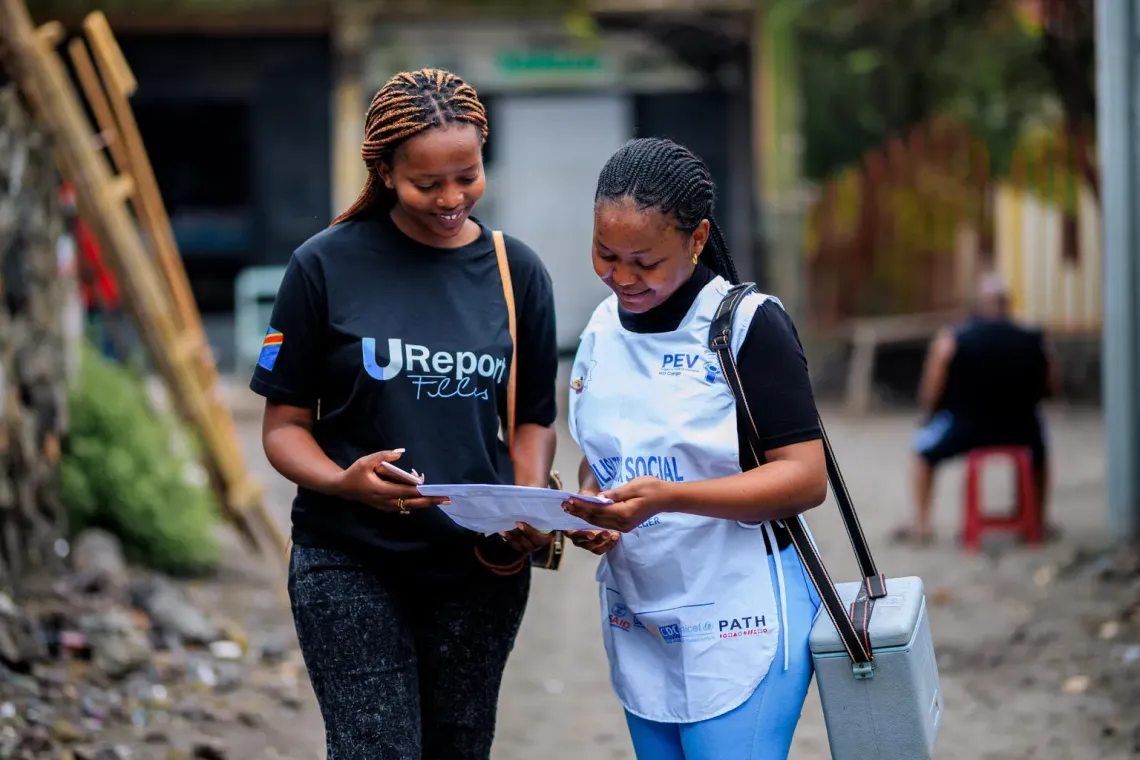
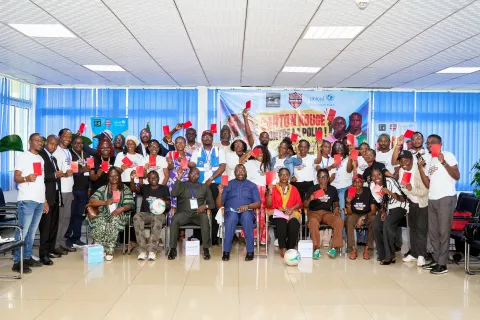
In Goma, in eastern Democratic Republic of the Congo, U-Reporters share reliable information about vaccination in their neighbourhoods and among their peers, helping to address rumours and misinformation.
“My job is to raise awareness among parents by giving them accurate information about vaccination. I also help tackle rumours so that every child can be vaccinated,” explains Naomie, 21.
U-Reporters also share the questions and concerns they hear in their communities, helping health teams understand what matters to families and respond more effectively.
This local knowledge is especially valuable during polio vaccination campaigns. Community volunteers know the neighbourhoods, speak the local languages and understand why some parents may hesitate. They can answer questions, offer reassurance and return to families who need more time
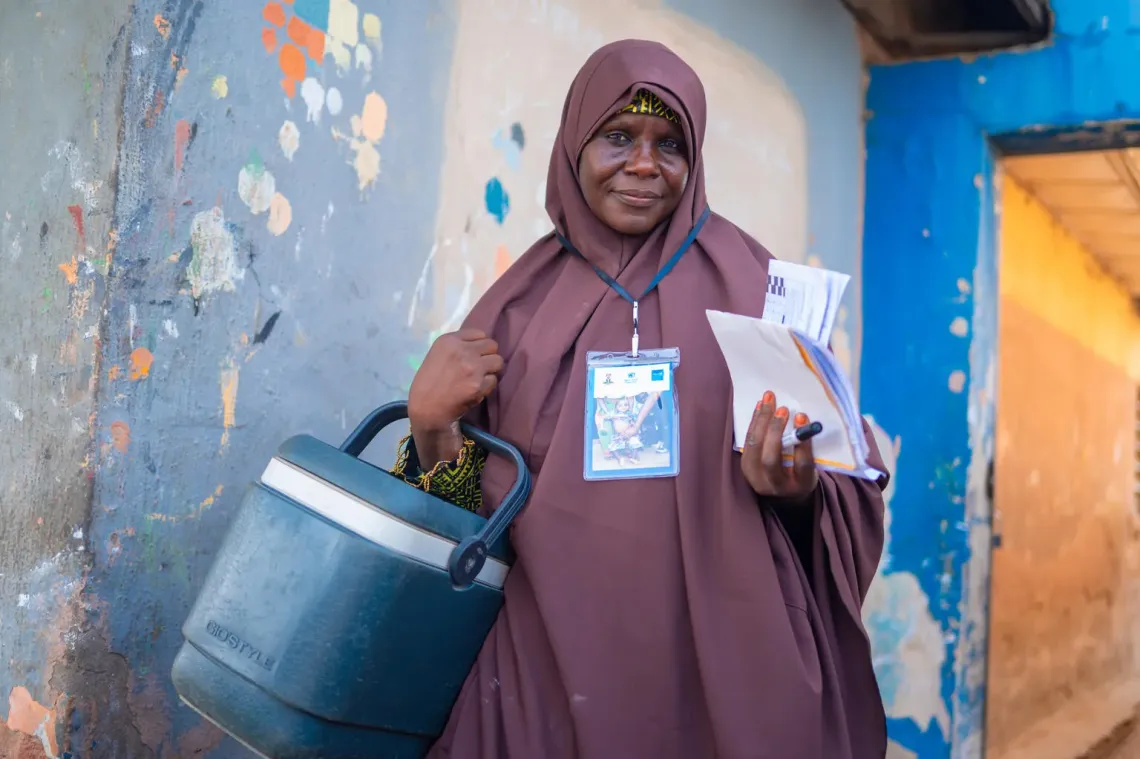
In Nigeria's Adamawa State, Hauwa Ishiyaku takes part in every vaccination campaign. She knows that the arrival of vaccination teams can sometimes make parents or children uneasy. When that happens, she takes time to talk with them and put them at ease.
“My maternal instinct always helps me,” she says. “For me, this work is not just about vaccinating children. It is about building a connection with every child’s family.”
Hauwa is part of a community volunteer network that supports families throughout the year. Their work goes beyond polio campaigns. Volunteers also promote routine immunisation, nutrition, birth registration and other essential services for children.
In Mali, women community leaders also help families make vaccination part of their routine. At the Yirimadio health centre, Salimata Traoré has brought her 10-month-old son, Ibrahim, to be vaccinated.
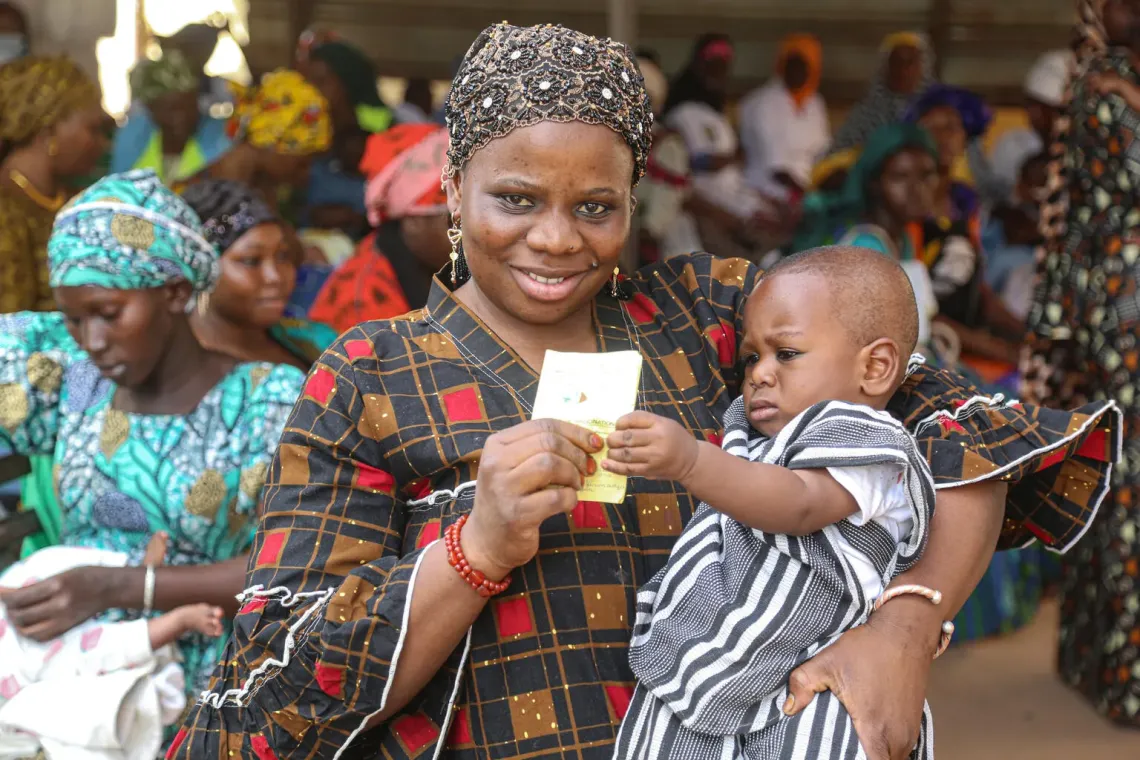
“I came to have my child vaccinated against meningitis, polio and measles,” she explains. “Thanks to the awareness-raising activities carried out by women community leaders, I regularly bring my child for vaccination to protect him from diseases.”
These conversations can help parents better understand the importance of vaccination and encourage them to visit health centres. But not every family can easily reach a health facility. To reach children who might otherwise miss out, vaccination teams also go directly into schools, neighbourhoods, camps and villages.
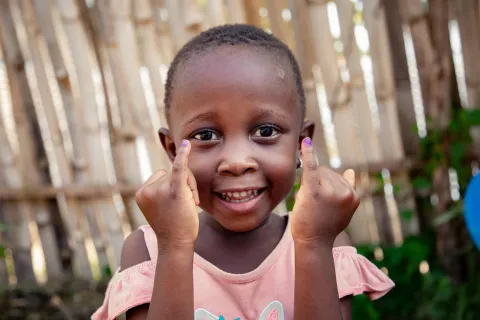
In Cameroon, schools are involved in some vaccination campaigns. In April 2026, at a nursery school in the Far North Region, children lined up to receive the oral polio vaccine during local vaccination days.
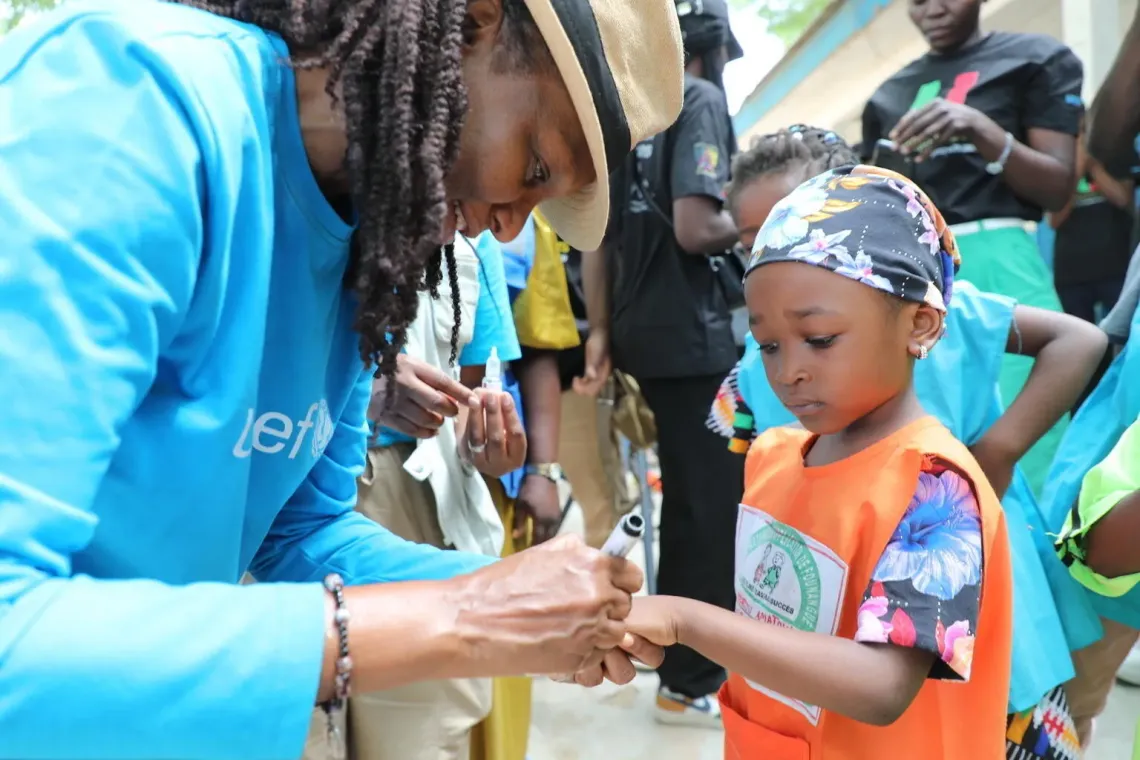
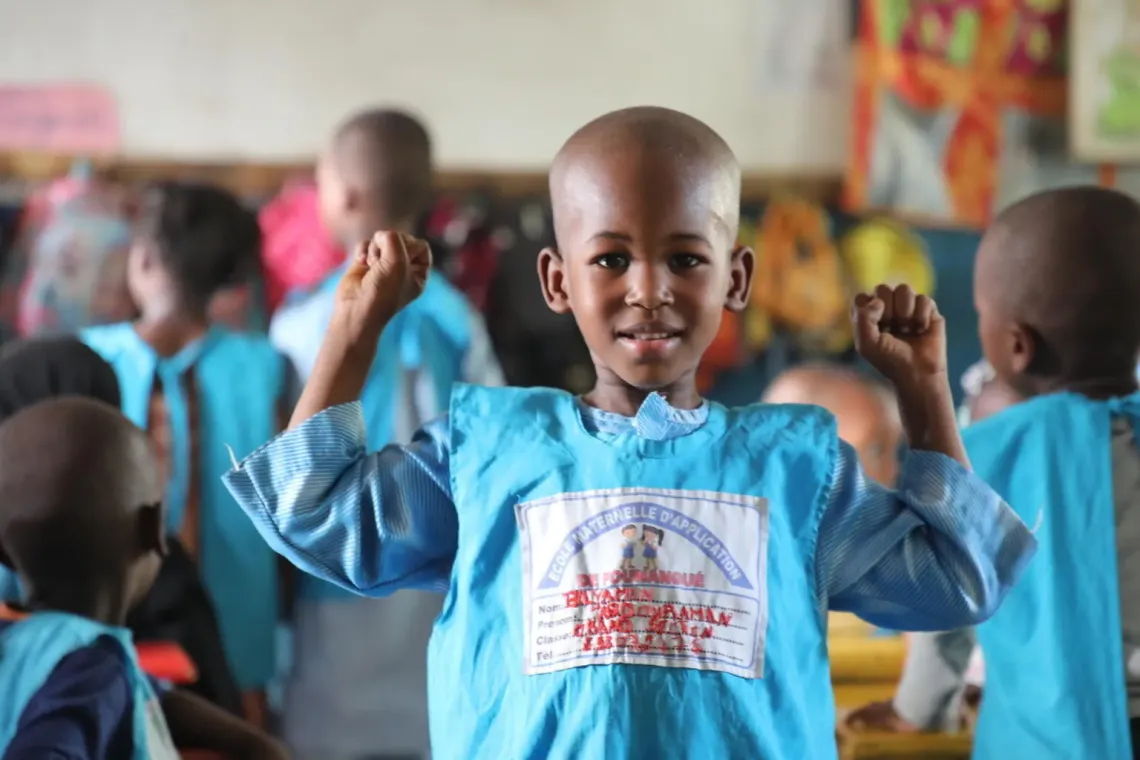
Vaccinating children at school allows teams to reach many of them in a familiar setting, without parents having to take them to a health centre.
For other children, the challenges are different. Some families have been forced to leave their villages to escape violence. Others regularly cross borders in search of safety or a livelihood.
In Adré, eastern Chad, vaccination teams reach out to refugee families who have fled neighbouring Sudan. At the sites hosting them, vaccinators go from shelter to shelter to identify children who have not yet received the polio vaccine and give them the doses they need.
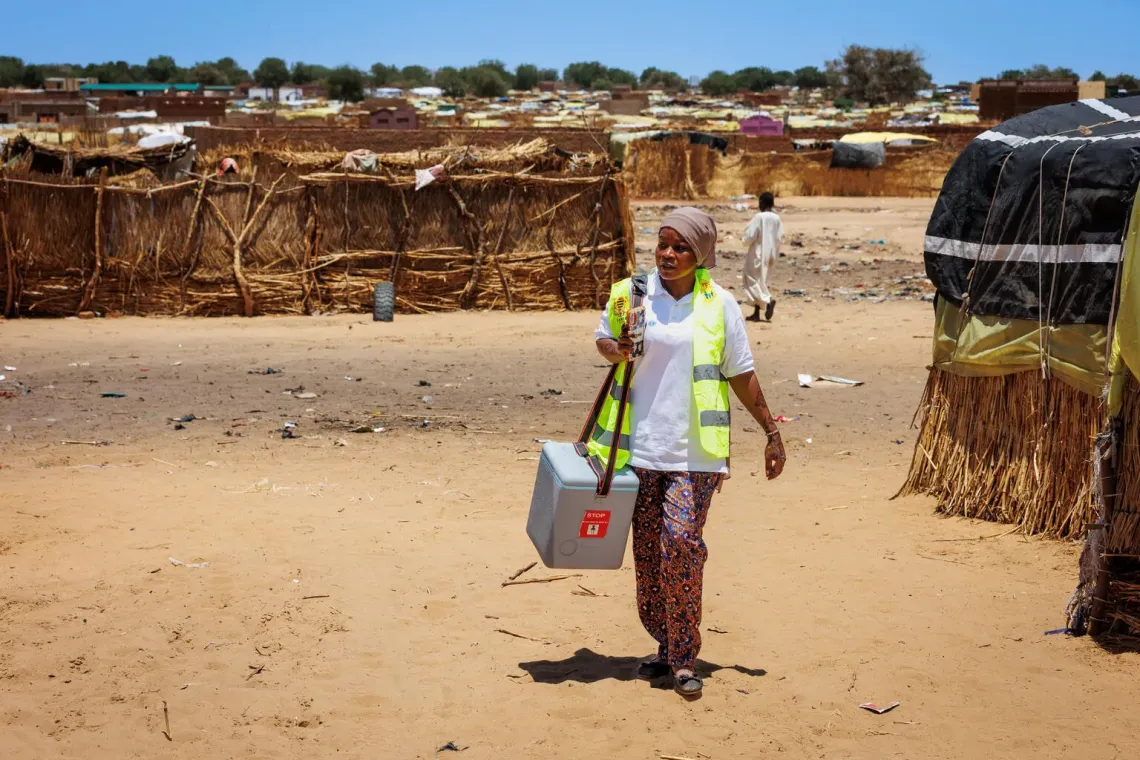
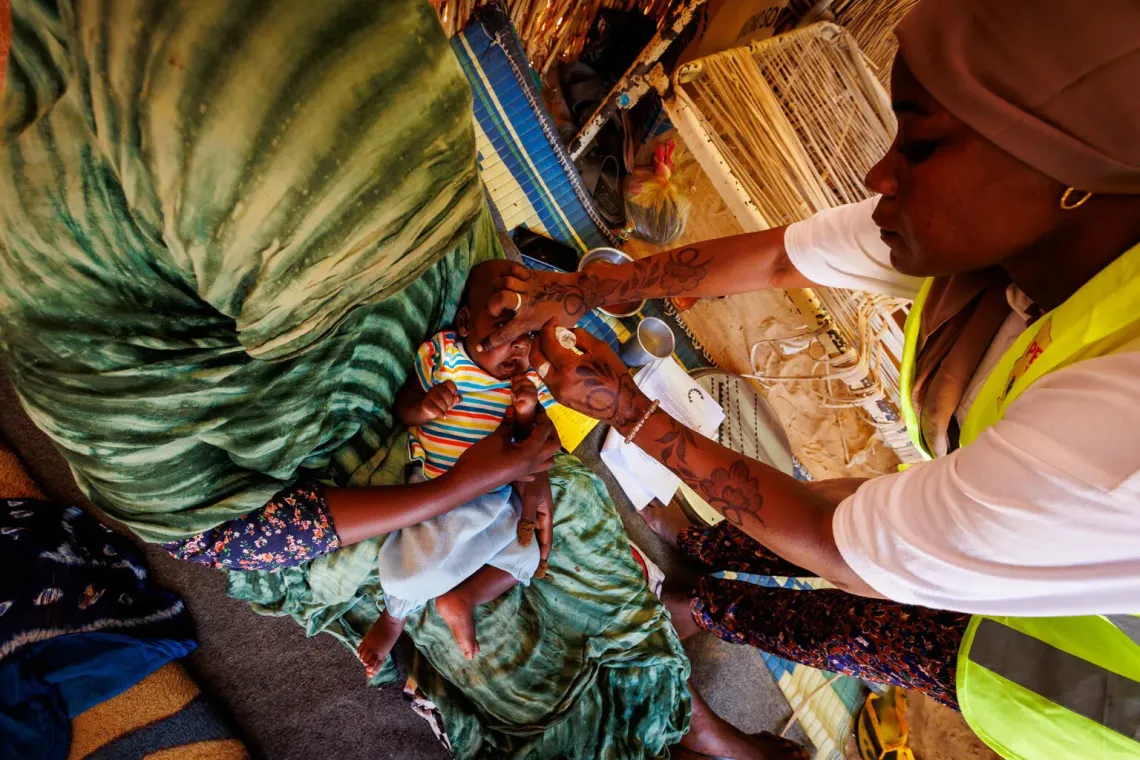
Around the Lake Chad Basin, families regularly cross borders between Cameroon, Chad, Niger and Nigeria. Some move frequently, making it difficult for vaccination teams to reach every child. A child may be in one country during a vaccination campaign and in another just a few weeks later.
To make sure these children are not missed, neighbouring countries coordinate their efforts, including by organising coordinated vaccination campaigns and strengthening vaccination activities in border areas and among communities on the move.
Whether vaccinating a child at school, answering parents' questions or reaching a family on the move, teams adapt their approach to the needs and circumstances of each community, rather than expecting families to come to health facilities.
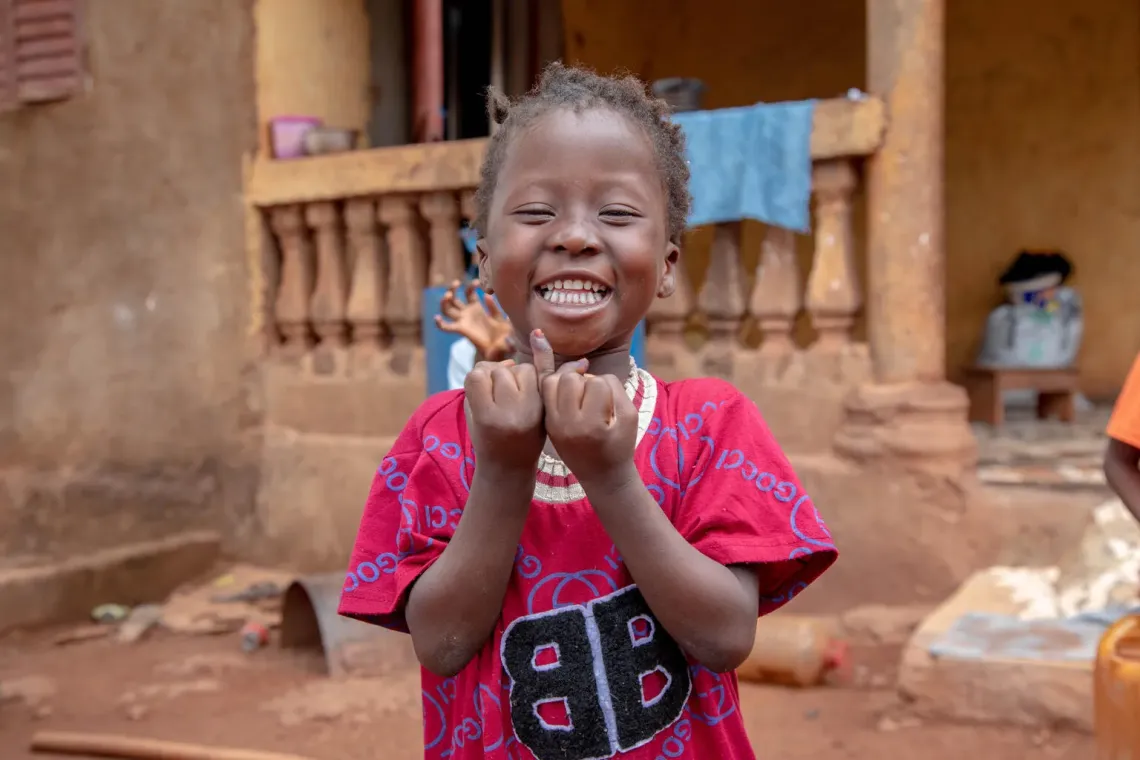
This adaptive approach, which puts children and families first and aims to reach every child with life-saving vaccines, is made possible thanks to the generous support of donors including Canada, Germany, KSrelief, Japan, Rotary, the United States Centers for Disease Control and Prevention (US CDC), the European Investment Bank (EIB) – European Union, and partners of the Global Polio Eradication Initiative.
Polio vaccination campaigns help countries respond quickly when the virus is circulating. They also contribute to broader efforts to make health services more accessible to families, including routine immunisation, which protects children against many vaccine-preventable diseases