Venezuela Venezuela
  • Español
  • Current language: English
  • Visit UNICEF Global
Venezuela Venezuela
  • Explore UNICEF
    • What we do
    • Work for UNICEF
    • Contact us
  • Press centre
Venezuela Venezuela
  • What we do
  • Publications
  • News & stories
  • Take Action
Search area has closed.
Search area has opened.

Search form

Selecting a value will cause the page to reload with filter applied. Show results from:
Report

MASI MASI Yanomami Preschool Booklet 2

Learn about the different graphic signs of the Yanomami ethnic group.

MASI MASI Cuadernillo Yanomami Preescolar 2
UNICEF
  • Español
  • English

Highlights

Consult the MASI MASI Booklet Yanomami Preschool 2.

MASI MASI Cuadernillo Yanomami Preescolar 2
Author(s)
UNICEF VENEZUELA
Publication date
June 2018
Languages
Spanish
ISBN
980-6057-43-0
Files available for download

Español (pdf, 3 MB)

Related topics

  • Education
  • Early education
  • Right to education
  • Child rights
  • Indigenous peoples
  • Venezuela (Bolivarian Republic of)

More to explore

Report

REHAU Preschool Yanomami Booklet 1

Consult the REAHU Booklet Yanomami Preschool 1.

Read now
Article

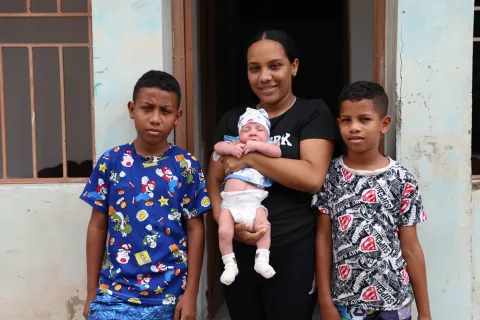
Thomas and Mathias receive support on their return to home

The two brothers went back to Guiria, Sucre state, Venezuela, after having emigrated to Trinidad, and are now getting support through programmes promoted by

Read now
News note
21 November 2025

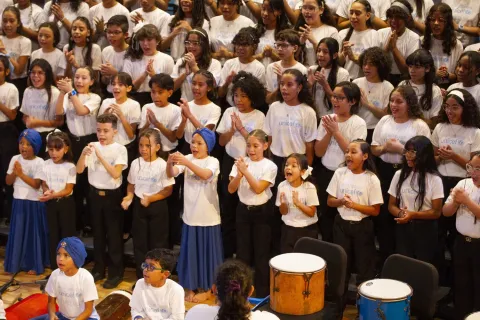
Children from El Sistema joined UNICEF to commemorate World Children's Day

Read now
News note
20 November 2025

On World Children's Day UNICEF calls for prioritizing investments in children

Read now

UNICEF Home

  • What we do
  • Publications
  • Latest information
  • Take action

Press centre

  • Work for UNICEF
  • Contact us
  • Visit us on Twitter
  • Visit us on Facebook
  • Visit us on Instagram
  • Visit us on YouTube
  • Visit us on TikTok
  • Contact us
  • Legal
Report fraud, abuse, wrongdoing

UNICEF strives to uphold the rights of every child, protecting them from harm and all forms of discrimination, so that they can grow up healthy and educated to reach their full potential. This work is in line with UNICEF’s globally recognized mandate and its support of national priorities.