Young leaders: Give hope to children and families affected by HIV
(Children's names changed to protect identity)
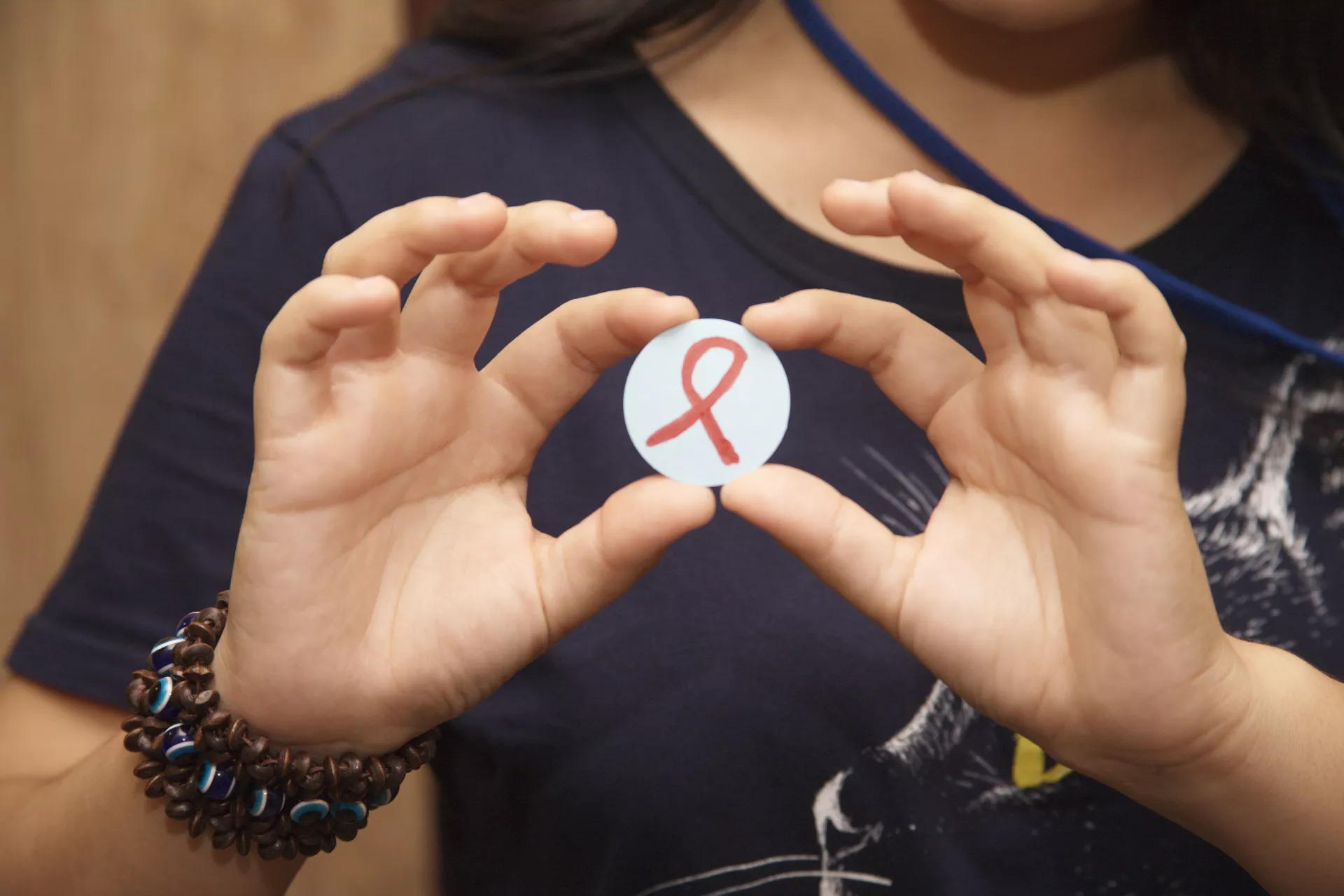
Mukhlisa is one of the participants of the training for trainers (ToT) based on the "Peer-to-Peer" principle. Together with her peers from 13 regions of Uzbekistan, she learned the working methods to support children living with HIV and their families.
"During the training, each of us learned what we need for further development and work,"- says Mukhlisa. “And everyone has set a goal: to return to their AIDS Centers with new knowledge and skills and together with specialists to work with the HIV-positive adolescents and their parents for providing them all possible support".
The ToT participants mastered methods of work with the audience and how to carry out Peer-to-Peer consultations for those who have already faced HIV-related stigma and discrimination.
The majority of the ToT participants are teenagers who attend Day Care Centers for Children living with HIV and their families. They are well prepared.
"I have been visiting the Day Care Center since 2015," says Behruz. “I went through a number of training before as well. As a volunteer, I carry out consultations and info sessions in educational institutions. I am a national trainer of UNAIDS and a member of the UN Youth Advisory Council."
During the training, the teenagers shared their experiences on what difficulties they faced and how they could overcome them. They underlined the importance of changing the public’s negative attitudes towards people living with HIV.
Future trainers noted that there are fewer cases of discrimination in health facilities because health personnel had already been trained on this issue. However, this issue has not yet been resolved in the field of education. Many participants said that they would not disclose their health status to the rest of the students because they are afraid of negative attitudes and bullying.
During the training, the teenagers had a chance to meet Botir Kurbanov, Deputy Head for the Science and Innovation of the Sanitary and Epidemiological Welfare and Public Health Service of Uzbekistan. They asked him many questions related to their health, rights, and future opportunities.
"I am impressed by your knowledge and experience and your clear vision of the objectives," Botir Kurbanov said, addressing the ToT participants. "You are real leaders and will be able to provide practical support to your peers living with HIV and their families."
Rano offered the Health and Epidemiological Welfare and Public Health Service of Uzbekistan working together to combat stigma and discrimination against HIV-positive people. Everyone supported her.
The ToT participants said that awareness-raising activities on HIV prevention should be carried out not only on December 1, World AIDS Day.
"COVID-19 is a new infection, it appeared only two years ago, but there is a lot of information about it in the form of banners, flyers, and PSAs. Everyone knows what to do to protect himself/herself from this infection," Rustam says. “The HIV infection is more than forty years old but very few informational and educational activities are carried out.”
During the ToT, the participants worked on case studies, they gave their own recommendations to find a way out in complicated situations. They truly felt part of a team, who can help teenagers living with HIV. The young trainers decided to share information and their experience through online platforms.
"A girl from a region came with me to the ToT," said Shakhlo Kholova, a psychologist from the Surkhandarya Regional AIDS Center. “On the first day, she was withdrawn just watching what was happening. Then she got actively involved. According to her, she was inspired by trainers and peers, and now she is ready to share hope with other children and families, affected by HIV."
The ToT was held on 12-14 June 2021 by UNICEF jointly with the Ministry of Health of the Republic of Uzbekistan and the Sanitary and Epidemiological Welfare and Public Health Service of Uzbekistan with the financial support of UNAIDS.