10 Tips for Saving Water
How to Make Your Household More Sustainable
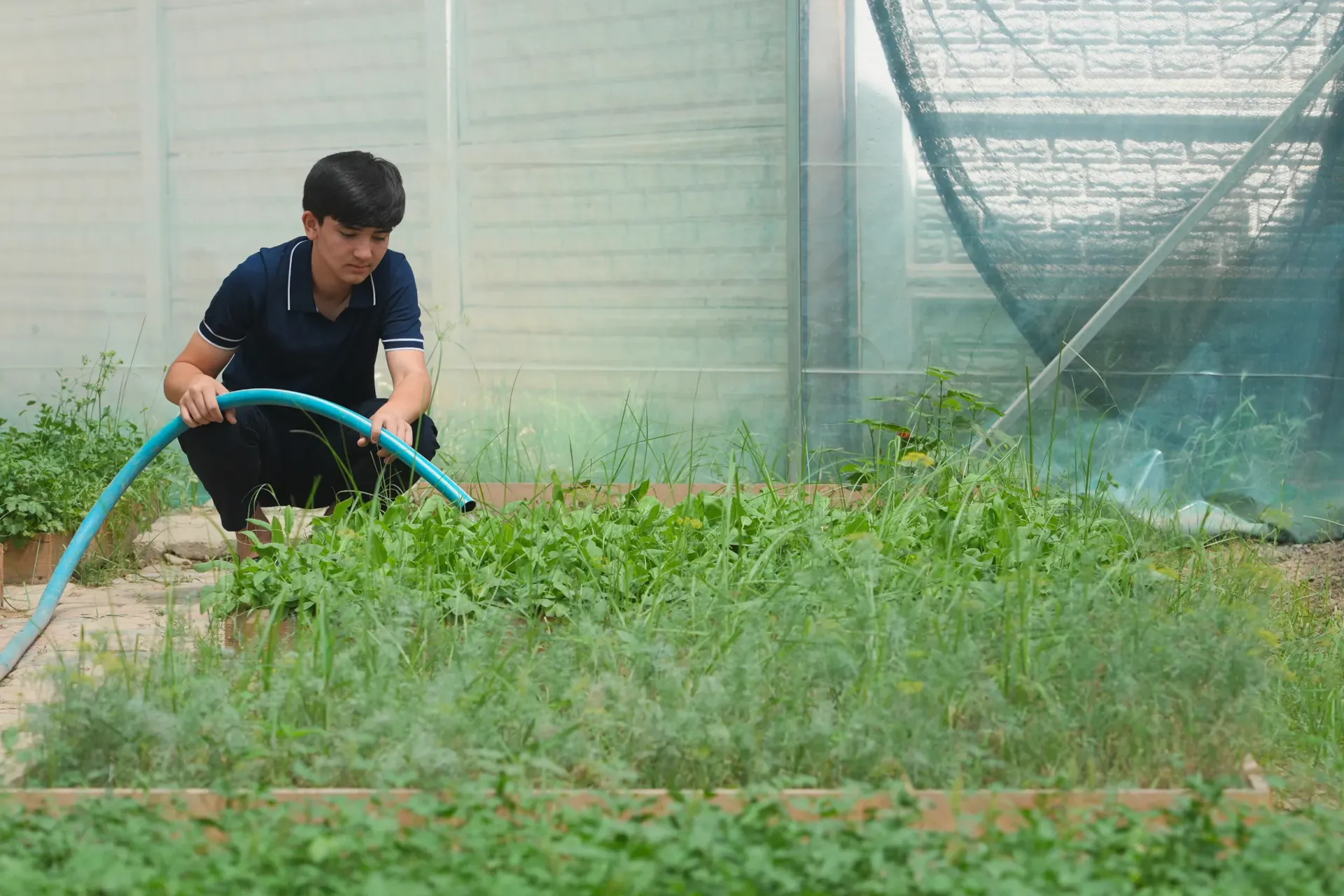
Clean air is certainly something to celebrate — but what else can we do to preserve this and other positive environmental trends? UNICEF has gathered a set of practical, eco-friendly tips to help you use energy, paper, water, and food more efficiently.
Here are 10 simple ways to save water at home. Let us know which of these practices you already follow — and share your own experiences!
1. Collect the water that runs while you wait for your shower to warm up
More than 10% of the water used in showers is wasted while waiting for it to reach the right temperature. Try placing a bucket under the showerhead to collect this excess water — you can reuse it to water plants, wash your car or floors, flush the toilet, or even fill your pet’s bowl.
If using a bucket feels inconvenient, consider installing a hot water recirculation system to eliminate the wait and reduce waste.
2. Reuse collected water to wash fruits and vegetables
There’s no need to rinse fruits and vegetables under a running tap. An open faucet can release 6 to 12 liters of water every minute! Instead, fill a bowl or sink with water and wash your produce there. Afterwards, reuse that water to hydrate your garden or houseplants.
Bonus tip: A small amount of vinegar in the water helps naturally remove pesticide residues from fruits and vegetables.
3. Take showers instead of baths
A quick shower generally uses less water than filling a bathtub — but that depends on the flow rate. A five-minute shower with a high-pressure showerhead can actually consume more water than a bath.
Try switching to a low- or medium-flow showerhead. You won’t notice the difference in comfort, but the environment will.
4. Place a filled bottle inside your toilet tank
A full bottle placed in your toilet tank reduces the amount of water needed for each flush. You can also use a brick or another solid, durable object that won’t deteriorate in water. It’s a simple, low-cost way to cut down daily water use.
5. Turn off the tap while brushing your teeth
By turning off the tap while brushing twice a day, you can save up to 8 gallons (about 30 liters) of water daily — that’s nearly 3,000 gallons per year. Small actions make a big difference when practiced consistently.
6. Use a microfiber laundry bag to prevent microplastic pollution
When washing synthetic fabrics such as fleece, tiny plastic fibers are released and eventually flow into rivers, lakes, and oceans, harming aquatic life.
A microfiber washing bag captures these fibers inside your washing machine, preventing them from entering the water system and helping protect marine ecosystems.
7. Wash clothes in cold water
There’s no need for hot water — cold water cleans just as effectively for most loads.
Washing in cold water not only helps your clothes last longer but also saves energy and money. Around 90% of the energy consumed by washing machines goes into heating the water. Switching to cold water can save up to $60 a year while reducing your carbon footprint.
8. Reuse pasta water
Don’t pour out the water after cooking pasta — it’s rich in minerals and can be reused in creative, eco-friendly ways.
Once cooled (and if it’s not too salty), use it to water plants, mix bread or pizza dough, soak beans, or even give your hair a healthy shine when rinsing. It’s a simple way to extend the life of every drop.
9. Boil only as much water as you need
Instead of filling your electric kettle to the top, measure just the amount you plan to use. This small habit saves time, energy, and water.
If you have any boiled water left, let it cool and use it to water your plants — every bit counts.
10. Dispose of cigarette butts responsibly
Cigarette butts are the world’s most common form of litter and a leading cause of ocean pollution. When discarded on the ground, they’re often carried by rainwater into rivers and seas, where they release toxic chemicals and plastic fibers that poison fish and pollute marine ecosystems.
Always extinguish and dispose of cigarette butts in a trash bin, or carry a portable ashtray if you smoke outdoors. Remember — cigarette filters are not biodegradable; they only break down into smaller plastic particles that remain in the environment for years.
Every Drop Counts
Water is one of our planet’s most precious resources. By adopting these small daily habits, you can make a big difference — for your household, your community, and the planet we all share.