On the Way to a Dream
How a schoolgirl from Kharkiv launched a volunteer project to help children catch up on learning
- Українська
- English
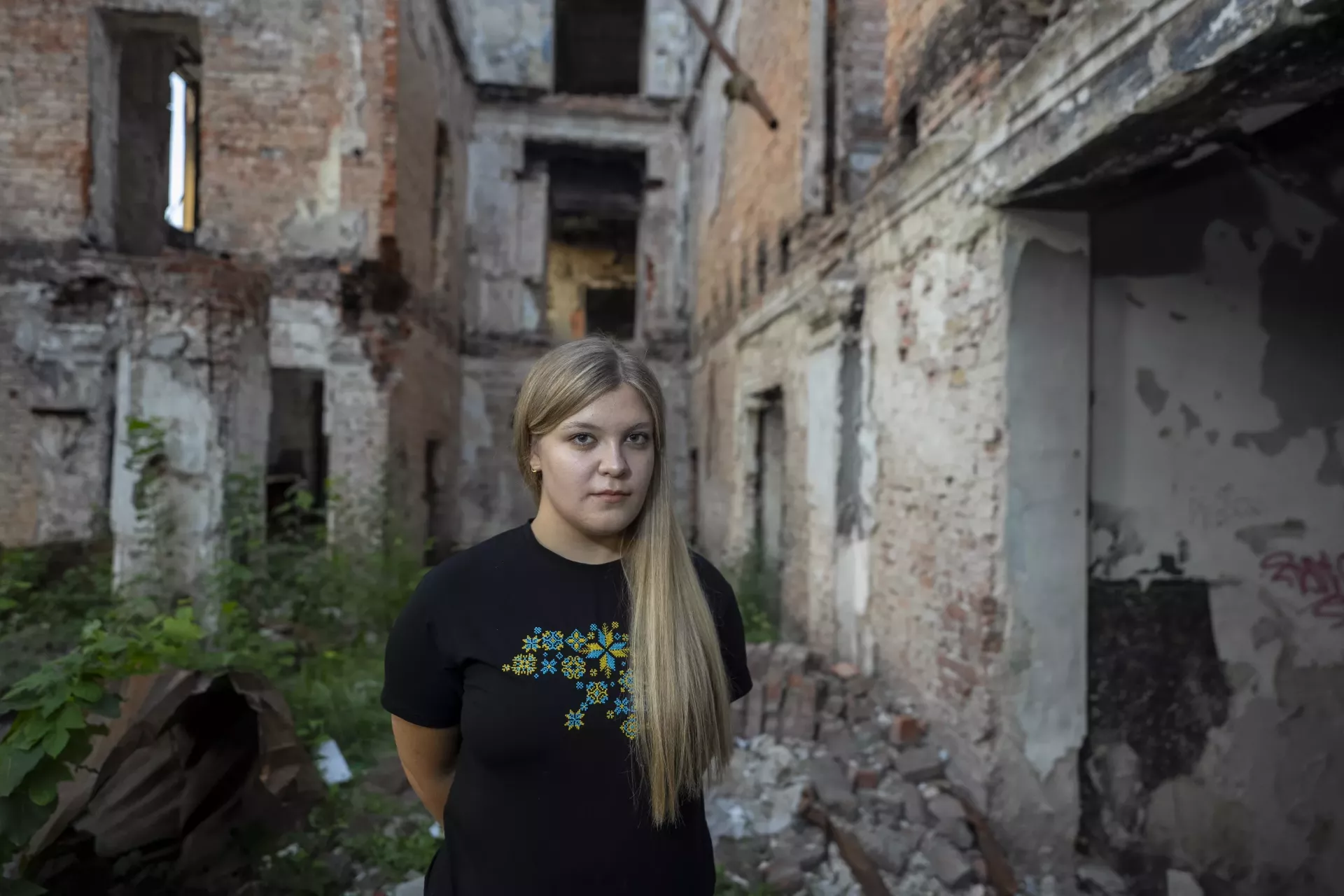
Meet Sofiia from Kharkiv. She is 17 years old and believes in magic—if you can call cell division or the structure of DNA magical. Instead of streaming platforms, she watches live broadcasts of open-heart surgeries. As a child, she skipped tea parties with toys in favor of playing doctor—bandaging, practicing resuscitation. Sofiia dreams of and is determined to become a doctor to save children’s lives in Ukraine.
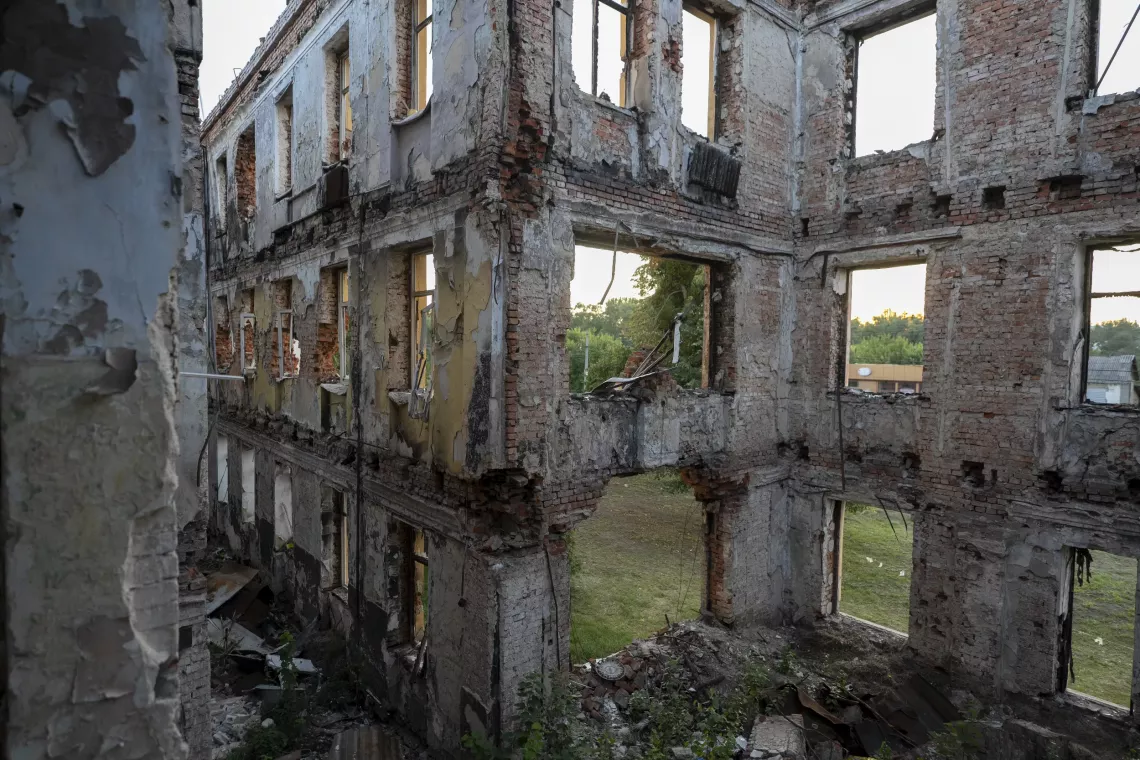
Her bright dream was born in dark times—amid the shelling and destruction of Kharkiv. She saw streams of wounded people from the frontline areas arriving in her city. She followed the news about Ukrainian doctors fitting prosthetics for children who had lost limbs. She spoke with a family doctor she knew, who volunteered to help displaced families. At some point, she realized she wanted to be part of this profession—to be one of those who, even in wartime, do the impossible for others.
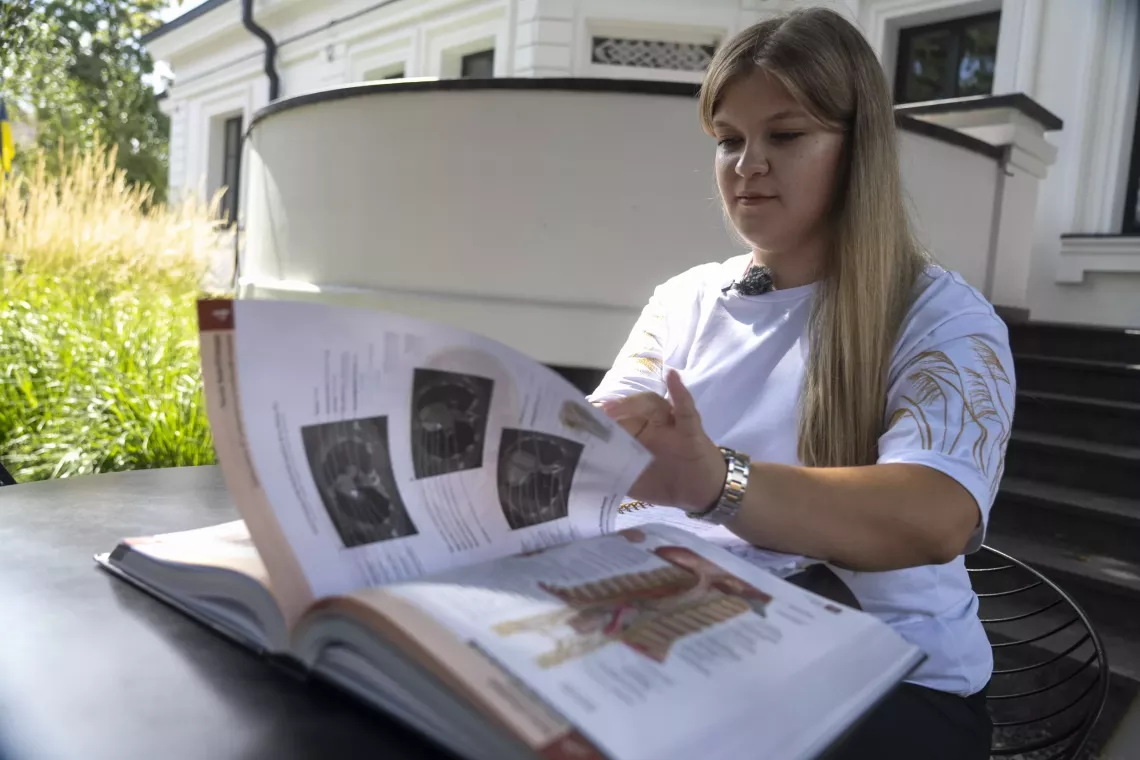
“After the war began, I was very inspired by doctors. I saw how hard this work is. Sometimes you have to forget about yourself to save someone else. Ukrainian doctors are the heroes of our time. And now this is my dream. I want to become a worthy doctor”.
For several years, she has been turning her dream into reality, step by step. The first step was education—despite the challenges of online learning and war.
Tears on the Physics Textbook
When the war came to Ukraine, Sofiia was studying in the biology-chemistry track at Kharkiv Lyceum “Obdarovanist” (“Giftedness”). Along with fear, shelling also brought the loss of full access to education.
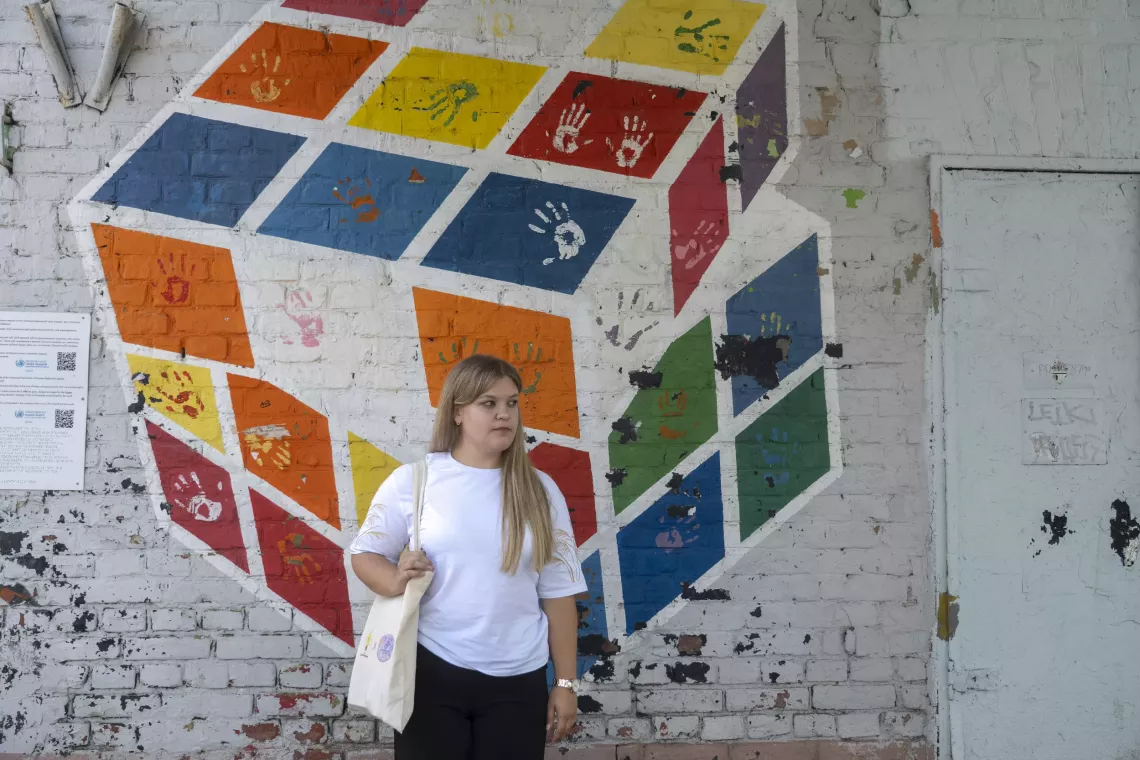
“What I really missed was in-person learning. It was very hard to discipline myself online. When the power went out, or if there was an air raid alert, the internet went down and the connection was lost”.
“You didn’t understand what was happening—miss one lesson, and by the next you were completely lost. Sometimes it wasn’t just you—even the teacher could have connection problems,” recalls Sofiia, thinking back to the first winter of the full-scale war, when Kharkiv endured constant blackouts.
She had to spend extra hours on each subject, especially the sciences, after regular classes. As a result, studying took up almost her entire day.
“I don’t have a mathematical mindset. Physics, algebra, geometry, astronomy—they were super difficult for me. I actually cried over the books because I didn’t know what to do with them. And since math is now required for university admission and for the National Multi-Subject Test, I spent the most time on it,” says the graduate.
People Who Want More from Learning
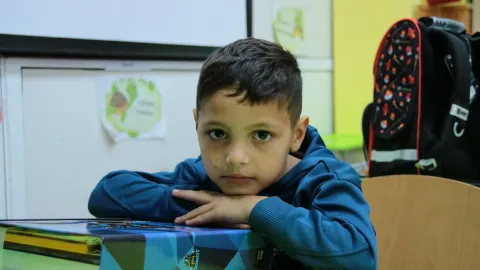
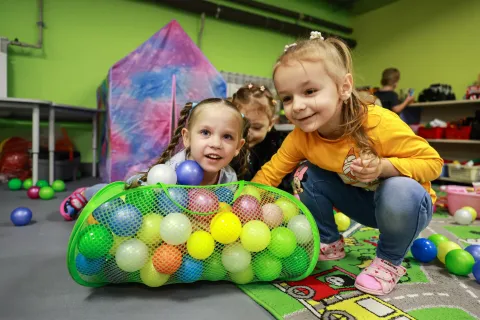
In 2023, Kharkiv Lyceum “Obdarovanist” launched a learning recovery programme with UNICEF support. Children from grades 3 to 10 could attend math and Ukrainian language classes twice a week in the school’s shelter, filling the gaps created during online learning.
Hardworking and ambitious, Sofiia was one of the first to sign up.
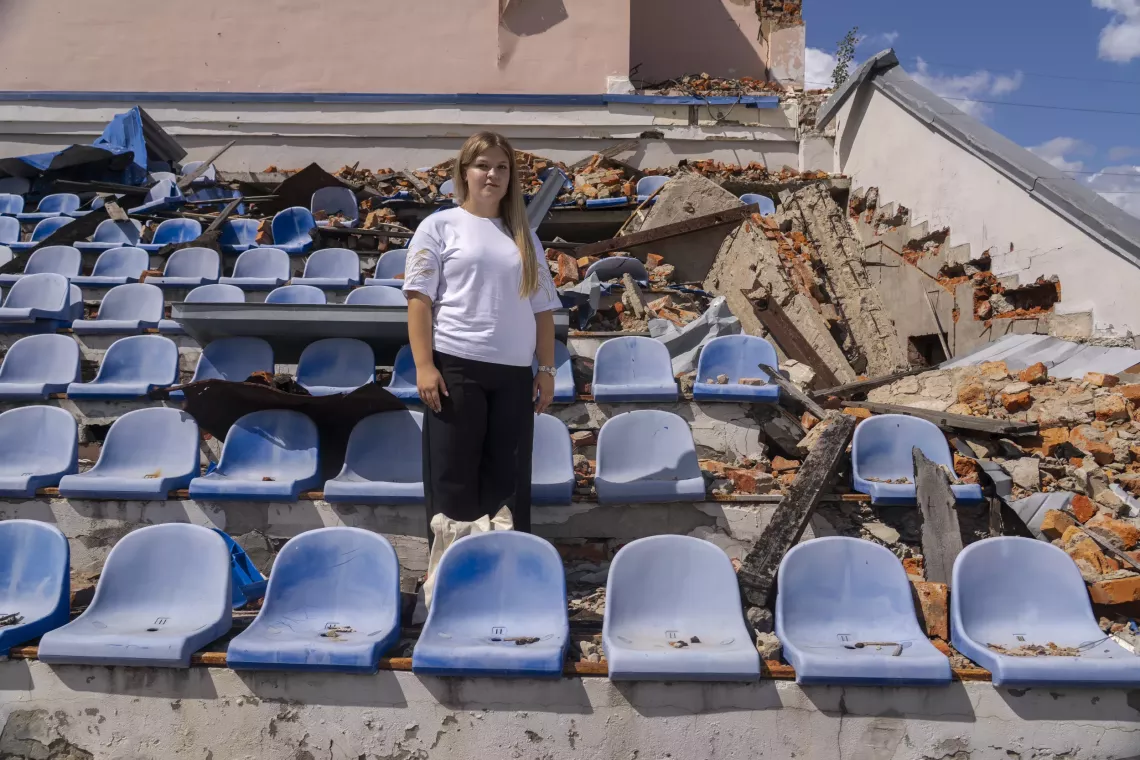
“It was really great: not just in terms of learning, but also because you could see other kids, meet teachers, hold notebooks and books in your hands, and talk face to face… And it was so cool that classes took place in a group. Because in a group you work, you communicate,” Sofiia recalls.
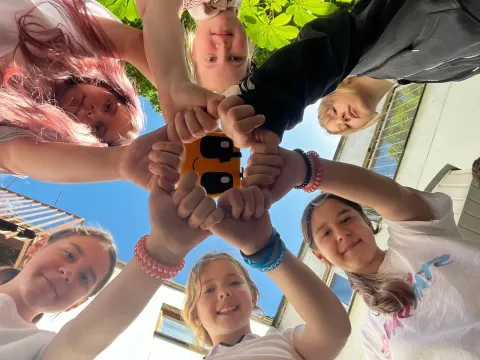
Together with her classmates, she formed a kind of peer support group. In addition to lessons with teachers, the students explained difficult topics to one another during breaks and worked together on math problems.
In just one year, during grade 10, Sofiia caught up on the grade 8 and 9 curriculum, building a solid foundation of knowledge for university admission. This year the blonde Kharkiv native has graduated with top marks.
“The programme showed me there are people, like me, who want more from learning. And it gave me so many new friends and connections. That’s why it was great”.
Children for Children
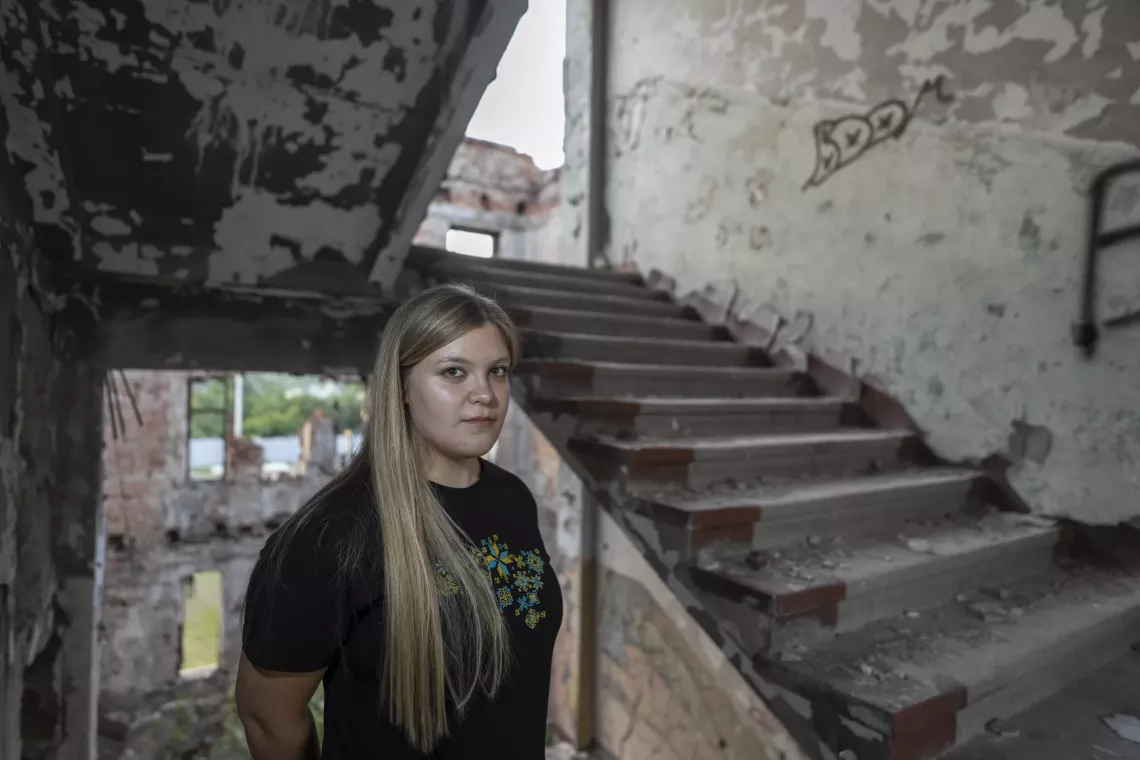
The girls Sofiia befriended during the programme were strong in math but had gaps in biology and chemistry. Sofiia, on the other hand, had been passionate about biology since childhood. Soon they began complementing one another—explaining difficult material in simple words. Then they realized they could share their knowledge with an even wider group of students.
“We gathered people who were strong in different subjects into one chat. And we decided to create a project to help children. Basically the same as UNICEF’s learning recovery programme, only from children—for children. We wanted to help teachers, who already have so much work. So we started going to seventh graders to help them with biology and chemistry,” says Sofiia, explaining how one good initiative sparked many others.
Sofiia taught lessons online and even came to her lyceum’s shelter to help teachers organize chemistry and biology experiments during open events.
“It was so wonderful to look into children’s eyes when you bring them a microscope and show them an onion cell slide. Or when you demonstrate a chemical reaction, and they beam with joy as if you’re showing them magic”.
Closer to the Dream
While volunteering, Sofiia was also preparing for exams and choosing a university. It was very hard for her to decide to leave her beloved hometown. But in the end, she chose in-person learning. Once again, she did it for the sake of her dream—to become a doctor with strong, practical knowledge.
That’s how she chose a medical university in Vinnytsia: “The fact that universities in Kharkiv are still online was a huge drawback for me. I want to see everything clearly, to touch everything with my own hands—studying the structure of bones or organs. So unfortunately, I had to choose a university where classes are held in person.”
Now, in her last week at home in Kharkiv, Sofiia walks the city streets often, thinking about which medical specialty to choose in the future. She is torn between pediatric cardiology and neurosurgery. But one important decision she made long ago: “After my studies, I will definitely stay in Ukraine. I will return to Kharkiv as a good doctor who can help people live healthier, fuller lives.”
UNICEF works to help children recover learning losses and to build the resilience of Ukraine’s education sector.
With support from the European Union, Global Partnership for Education, the governments of France, Japan, Luxembourg, Norway and Spain, UNICEF has established 123 student learning support centres, including remedial classes, with some 80,000 children reached to date in 2025.
The learning recovery work is gaining momentum with data showing that learning outcomes improved by an average of 27 per cent, with the strongest progress in math and science subjects.