UNICEF and WFP unveil eco-friendly office complex, marking new era of collaboration.
“We are not simply opening a building—we are opening the door to a greener, more efficient, and more united future for Uganda,” retired UNICEF Country Representative to Uganda, Munir Safieldin, Ph.D.
On a rainy December morning in 2022, Munir Safieldin, the outgoing United Nations Children's Fund (UNICEF) Country Representative to Uganda, stood with a group of UN officials, huddled together to witness the groundbreaking of a new, expansive office building on Boaz Road, Mbuya, a hill in southeastern Kampala, Uganda’s capital. Despite the weather, the mood was hopeful as they envisioned what the 2.8-acre site would become.
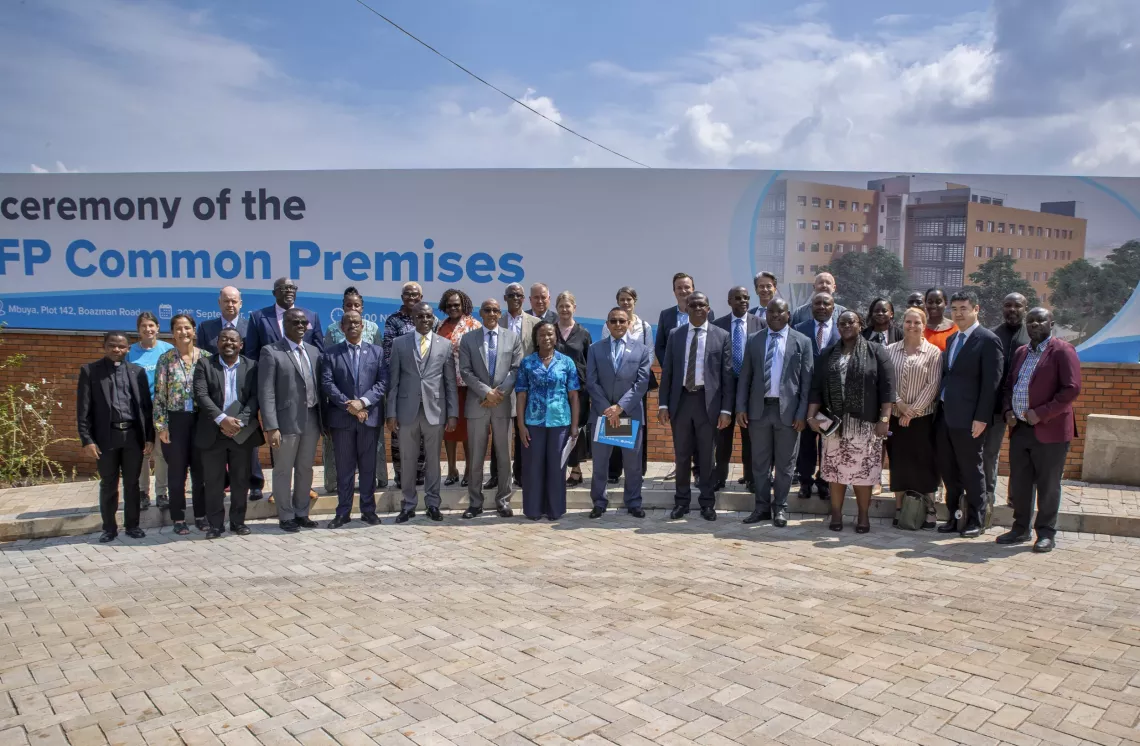
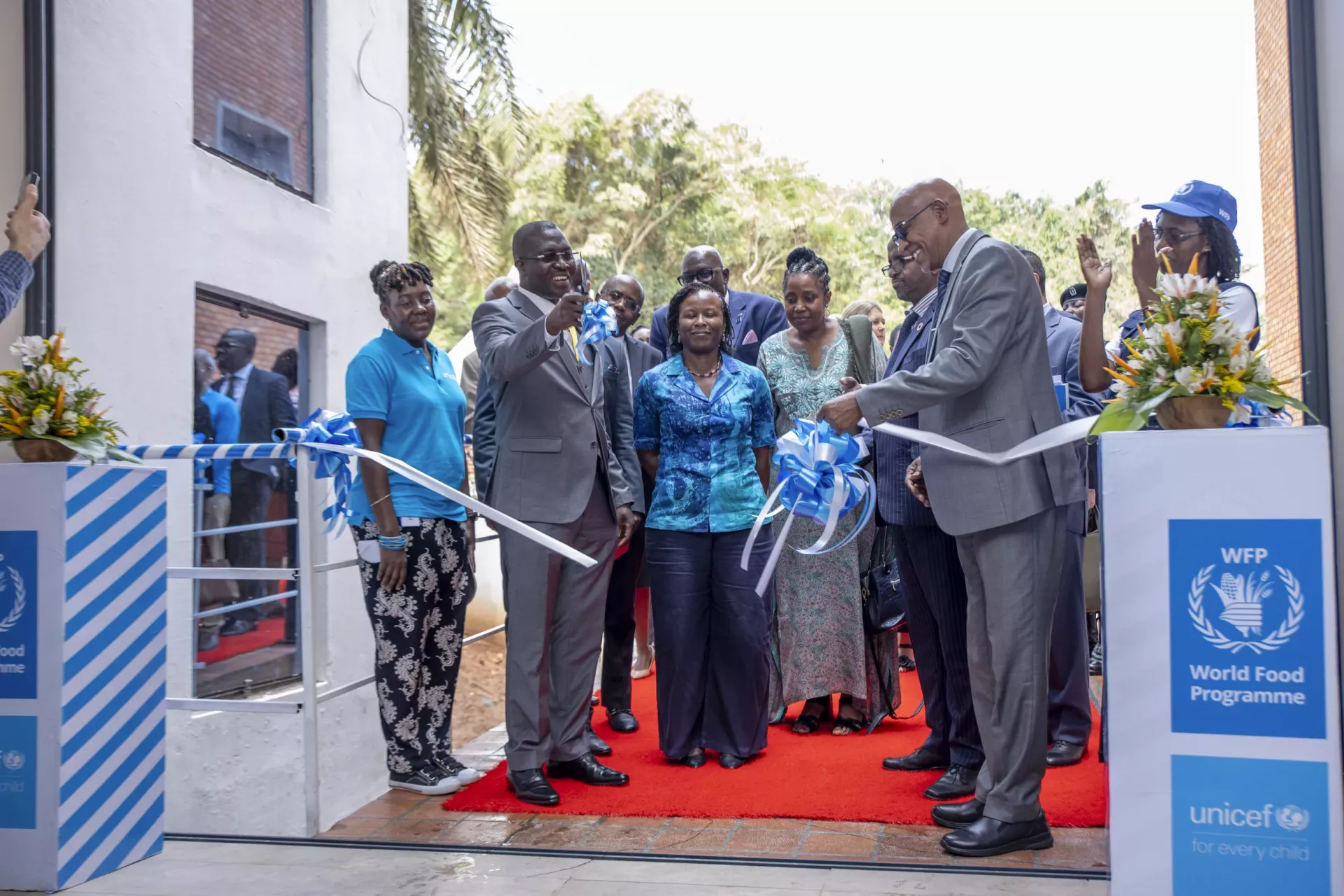
On inauguration day, 30 September 2024, Safieldin alongside the new UNICEF Representative to Uganda, Dr. Robin Nandy, the UN Resident Coordinator to Uganda Ms. Susan Ngogi and ambassadors returned to the same location, but the atmosphere was markedly different. The seven-story, US$15 million complex stood tall and complete—the first-ever United Nations-owned property in Uganda since 1962—now the official headquarters for UNICEF, the UN World Food Programme (WFP), and UNAIDS.
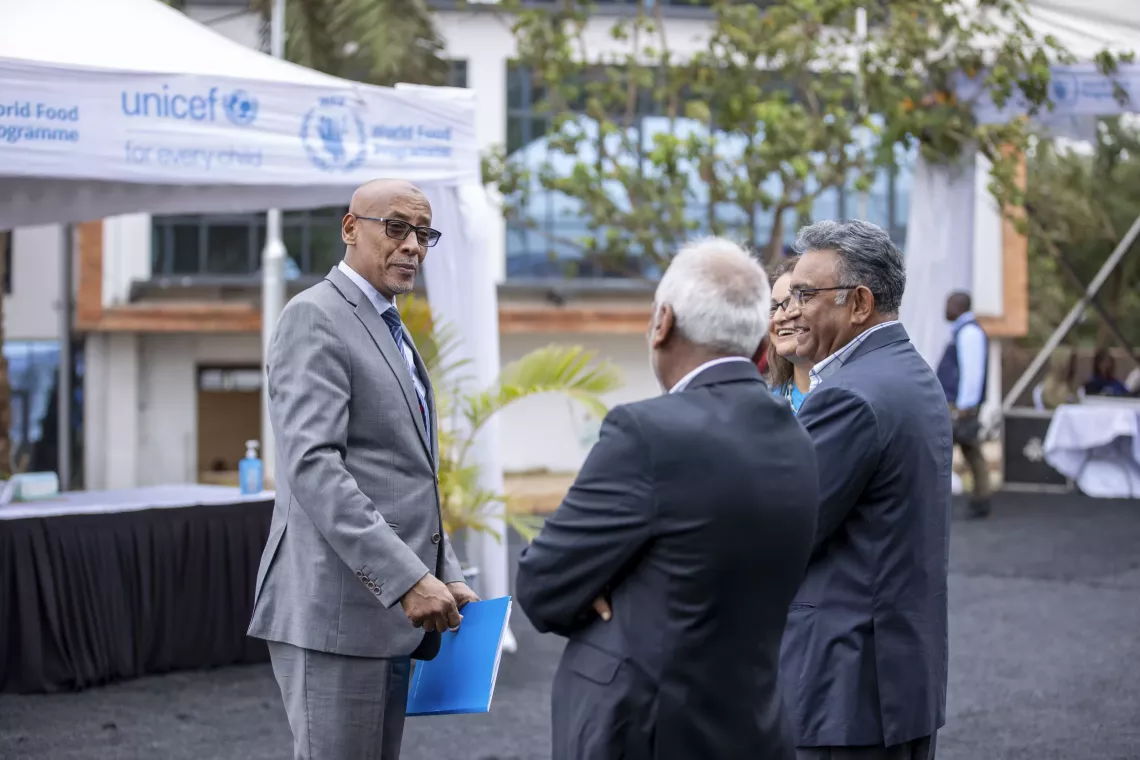
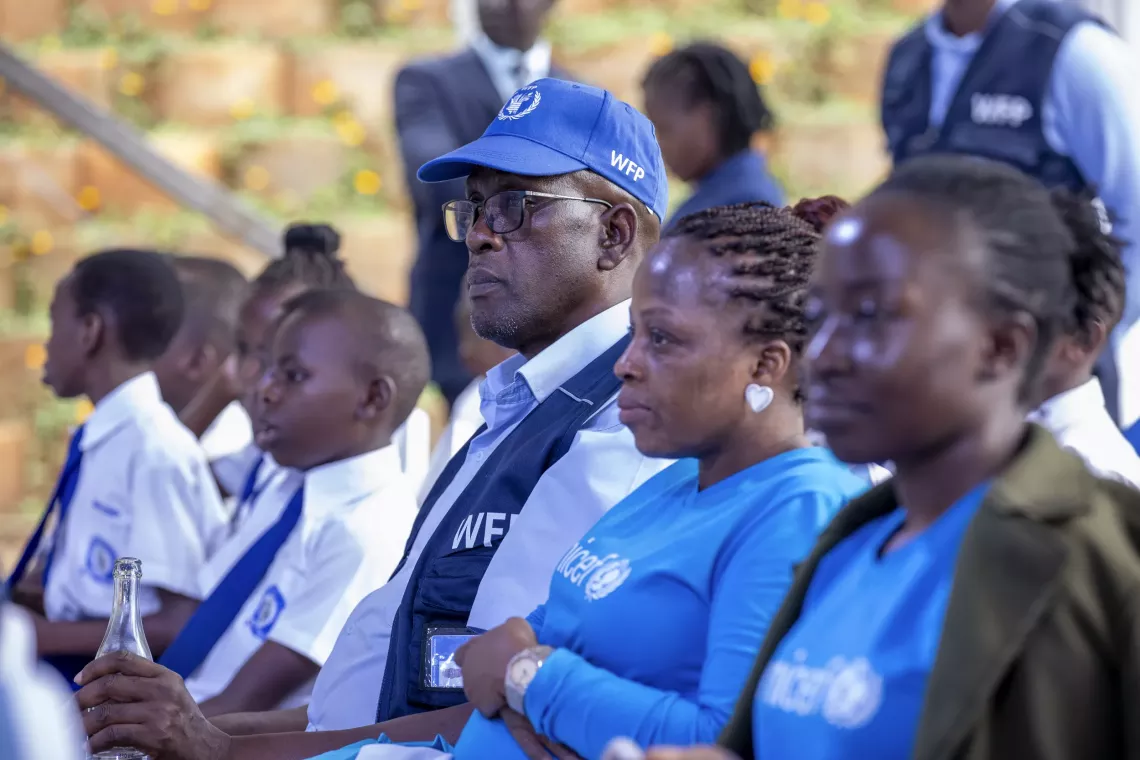
Reflecting on the journey that led to this moment, Safieldin addressed a gathering of guests, UN colleagues, and staff primarily from UNICEF and WFP. It was a poignant occasion, as this would be his final speech as a UN official, marking the end of an illustrious 30-year career. The grand unveiling of the eco-friendly complex served as a fitting backdrop for the conclusion of his professional chapter—a testament to both his dedication and the UN’s continued growth in Uganda.
From 1962 to 2000, Plot 142 on Boazman Road in Mbuya served as the residence for three senior UNICEF staff members. The small, rustic houses, with their weathered tiles, stood as a symbol of UNICEF’s long-standing presence in Uganda, committed to improving the lives of the world’s most disadvantaged children.
During his speech at the inauguration, Munir Safieldin reflected on the site’s history. "It originally served as the home for senior UNICEF staff way back in 1962," he remarked. "Over the decades, as UNICEF grew and our needs expanded, the compound transitioned into a back-office storage facility. But rather than let it fade into history, we saw an opportunity. Faced with rising rental costs, we made a strategic decision to transform this space into a vibrant, eco-friendly home for UNICEF and our partners—a move that reflects our commitment to both financial prudence and environmental sustainability."
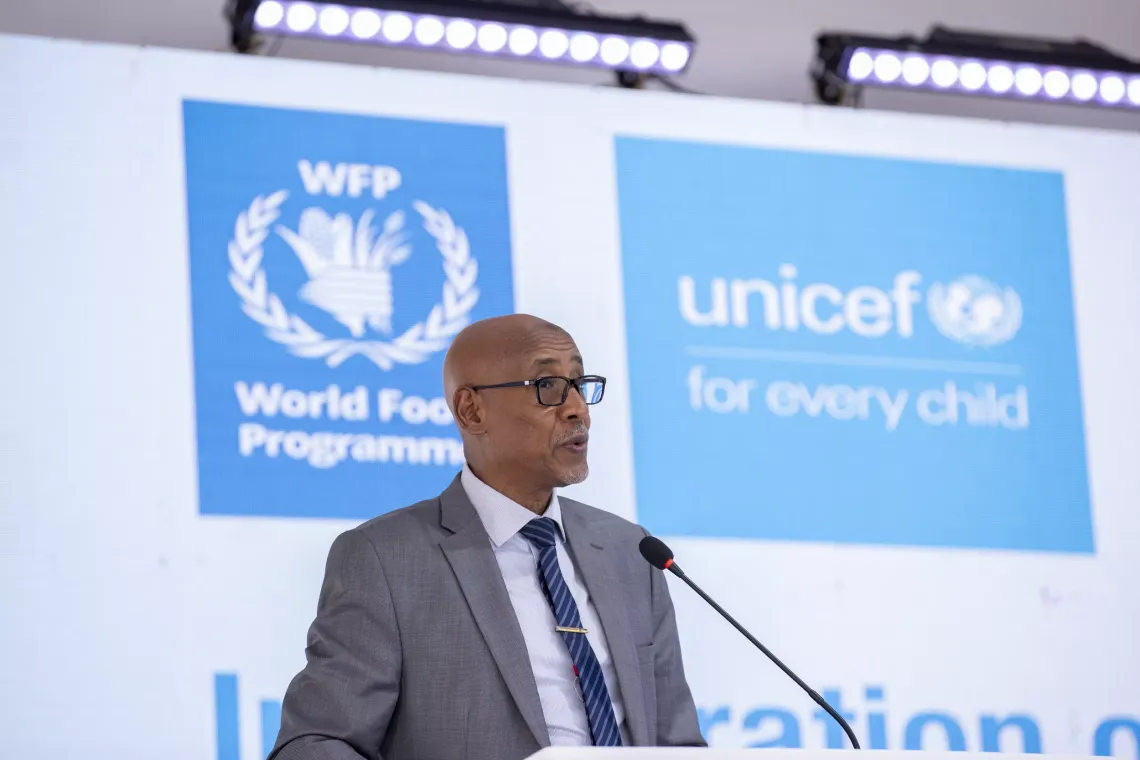
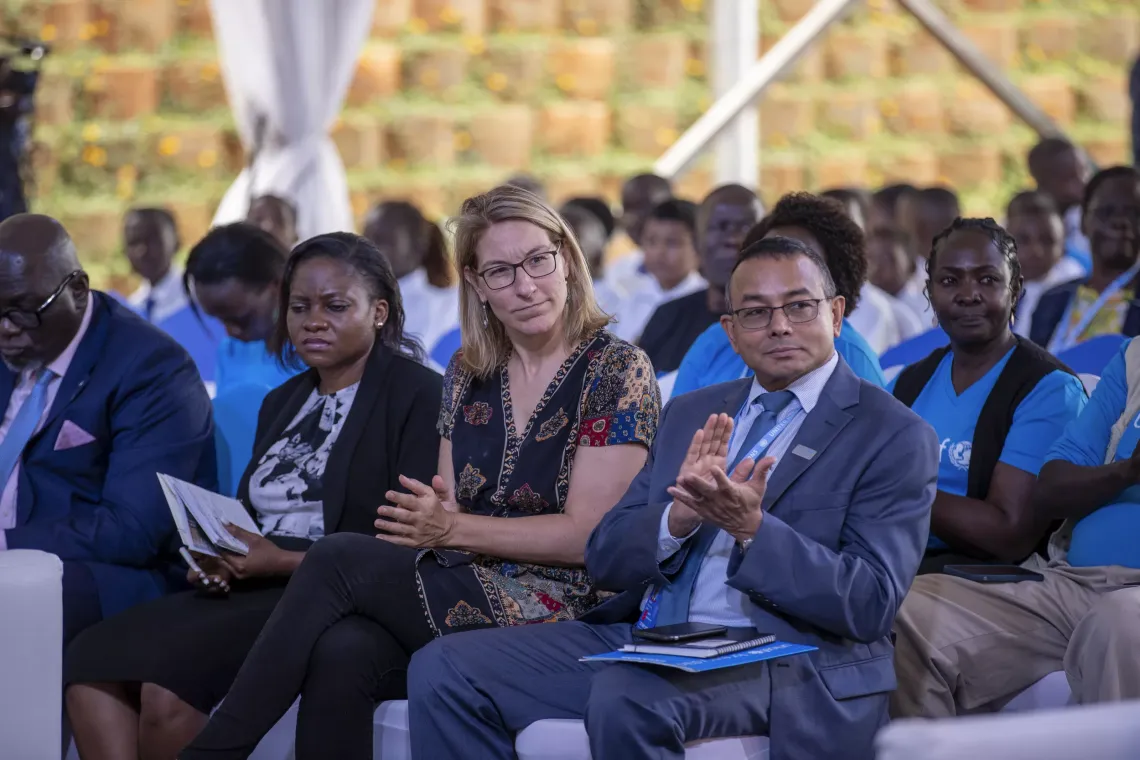
The newly inaugurated space is more than just an office building. "We are thrilled to share this space with our colleagues from the World Food Programme, the world’s largest humanitarian organization, and UNAIDS," Munir continued. "This joint premises will enhance the spirit of collaboration that drives all our work. We’re not just building offices—we’re building partnerships." The modern complex symbolizes a new chapter of cooperation, designed to better serve those most in need.
What makes the unveiled building truly remarkable is its commitment to environmental sustainability. Designed in alignment with the United Nations’ ambitious goals to reduce carbon emissions by 45 percent by 2030 and achieve net zero by 2050, this complex is a game-changer for eco-friendly infrastructure. The building is set to use 50 per cent less energy than a traditional office, significantly reducing its carbon footprint. Solar power will generate around 80 per cent of the building’s energy needs, showcasing the agencies' commitment to environmental responsibility. Its innovative water systems are designed to recycle and reuse water, drastically minimizing waste. With an investment of US$15 million, the project is expected to break even within 15 years, all while saving costs and contributing to environmental protection.
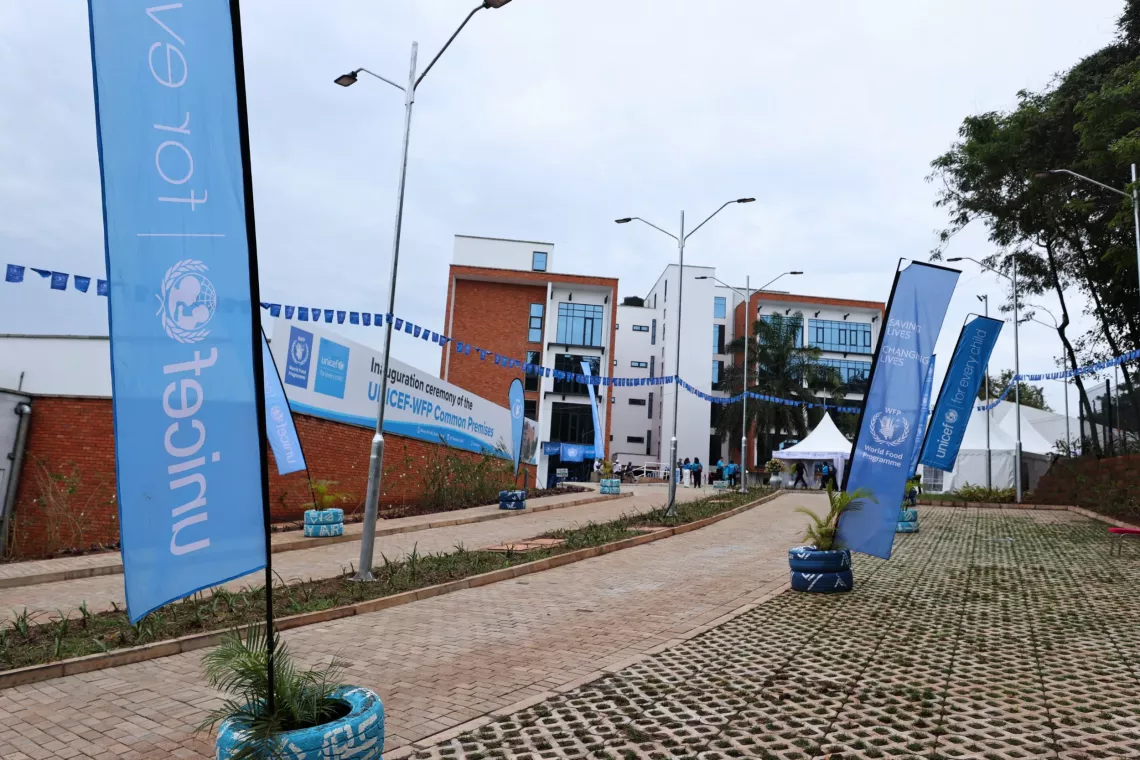
At the groundbreaking ceremony in December 2022, then Kampala Capital City Authority Executive Director Dorothy Kisaka remarked, "The Kampala skyline, this area of Kampala, will not be the same. You are going to transform it." Her words have proved prophetic, as the newly completed complex has dramatically altered the Mbuya Hill skyline. Located just above the Mbuya Parish Catholic Church, the towering structure now commands a striking presence, symbolizing the area’s transformation and growth.
The unveiling ceremony was brought to life by UNICEF's enduring commitment to children. A cultural troupe from the neighboring Mbuya Parents Primary School added a vibrant touch, reciting a heartfelt poem in honour of UNICEF’s unwavering support. The students danced and sang, infusing the event with joy and energy, celebrating the organization’s longstanding dedication to improving children's lives.
WFP Country Director Abdirahman Meygag expressed his appreciation for the eco-friendly design of the new office complex, stating, "I'm extremely grateful for these measures, which answer our call for action on climate. It is truly encouraging to see that this building has been designed with the best interests of the planet at heart."
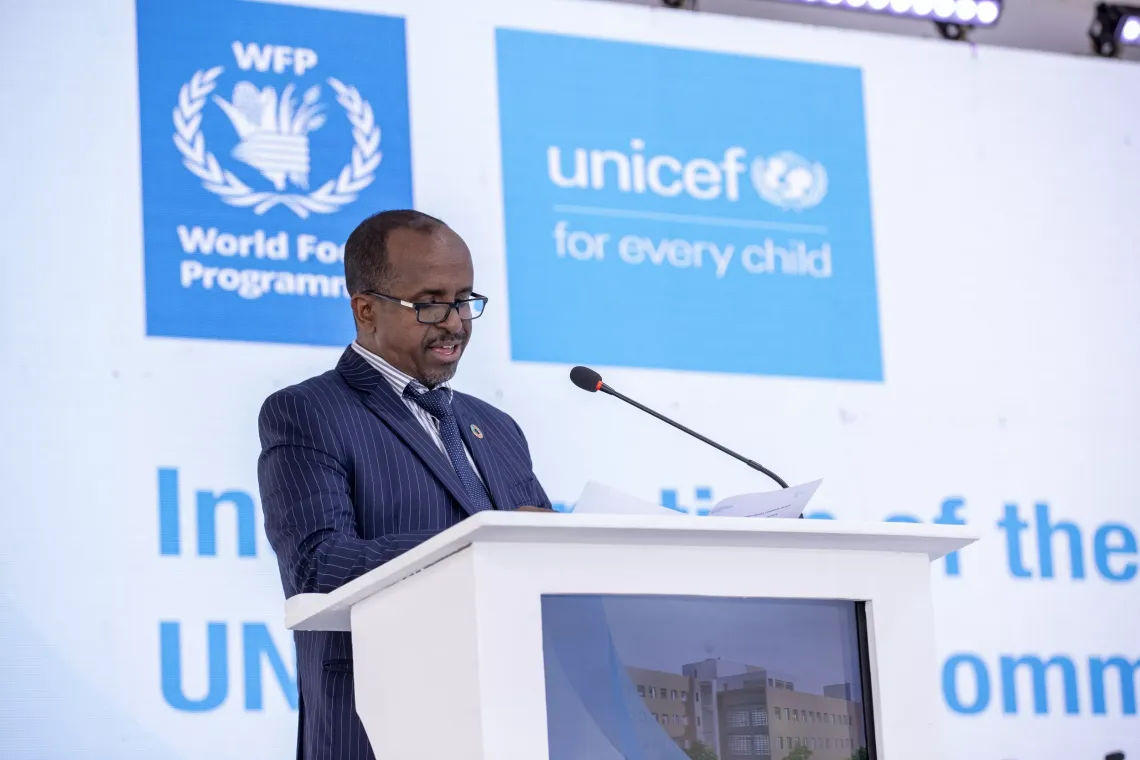
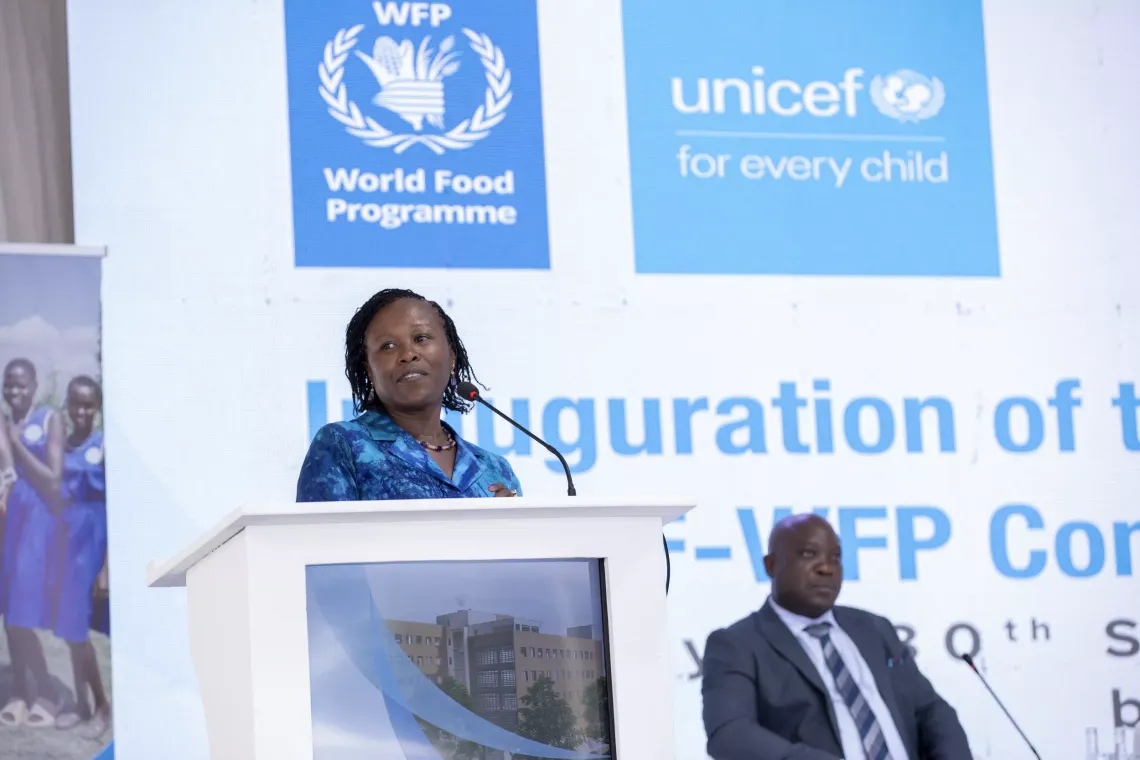
Meygag highlighted the collaboration between WFP and UNICEF, noting that by combining WFP’s expertise in food security with UNICEF’s focus on child development, they can significantly increase the impact of their interventions.
As he prepares to retire at the end of the year, Meygag said, "I am very pleased to finish my 30-year journey with the United Nations in this remarkable new facility."
In a speech delivered by John Mulimba, State Minister for Foreign Affairs in charge of Regional Affairs, President Yoweri Museveni stressed that addressing climate change requires innovative solutions that secure the planet for future generations. He praised the joint offices for promoting collaboration between UNICEF and WFP, allowing the pooling of resources and knowledge to tackle better Uganda’s challenges, including poverty, malnutrition, and lack of access to essential services.