The Kyabazinga of Busoga asked children to speak
The children said that poverty, lack of basic needs, orphanhood, limited information, lack of counselling and guidance, parental neglect, and peer pressure put them at risk.
For many children in Busoga, childhood is full of dreams, but also many challenges. Every day, children hope for a better future. They dream of going to school, completing their education, supporting their families, and contributing to their communities and country.
However, many of these dreams are at risk. Poverty, lack of basic needs, orphanhood, neglect, limited guidance, peer pressure, adolescent pregnancy, child marriage, and school dropout continue to affect many girls and boys in Busoga. These are real challenges in children’s lives, and they need support to overcome them.
On 7 August 2026, UNICEF Uganda and Kyabazinga Initiatives signed a Memorandum of Understanding at the Green Palace of the Kyabazinga of Busoga in Igenge, Bugembe, Jinja. The agreement will use the influence of Busoga Kingdom and its community structures to help improve the lives of children and adolescents. It will focus on preventing adolescent pregnancy, child marriage, gender-based violence, and school dropout.
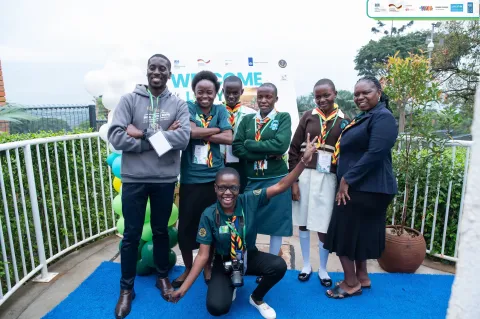
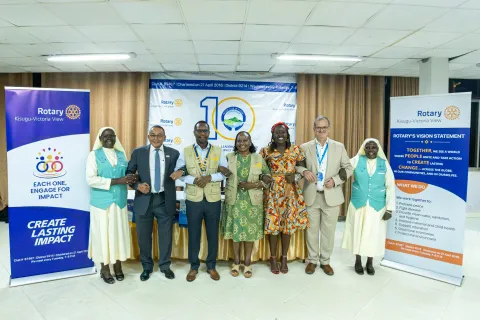
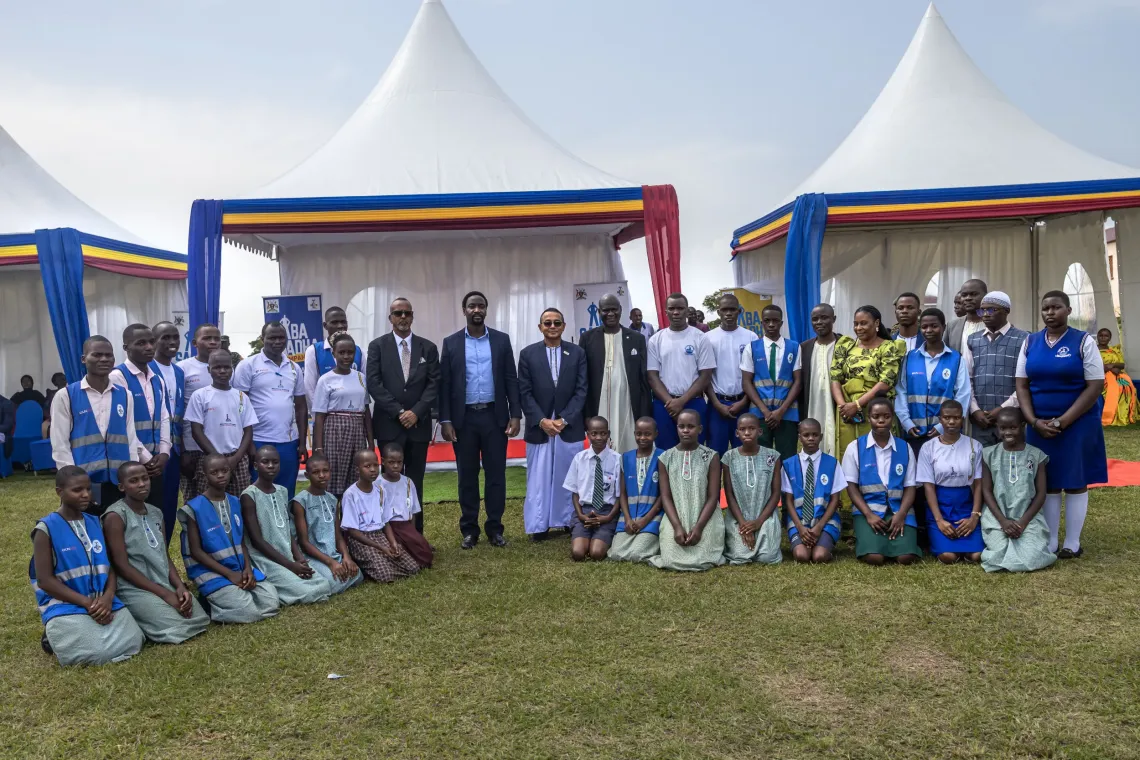
During the event, a powerful moment took place. Children from Busoga, who had earlier been invited by the Kyabazinga to share their views, had their concerns presented before His Majesty. This was during a side meeting at the palace boardroom where His Majesty Gabula Nadiope IV was joined by the UNICEF Representative, Dr. Robin Nandy, and the Executive Director of Kyabazinga Initiatives, Owek. Yudaya Babirye. The Deputy Prime Minister of Busoga Kingdom, Mr. Osman Ahmed Noor, led them into a room filled with children, teachers, Kingdom leaders, staff from Kyabazinga Initiatives and UNICEF, and members of the media.
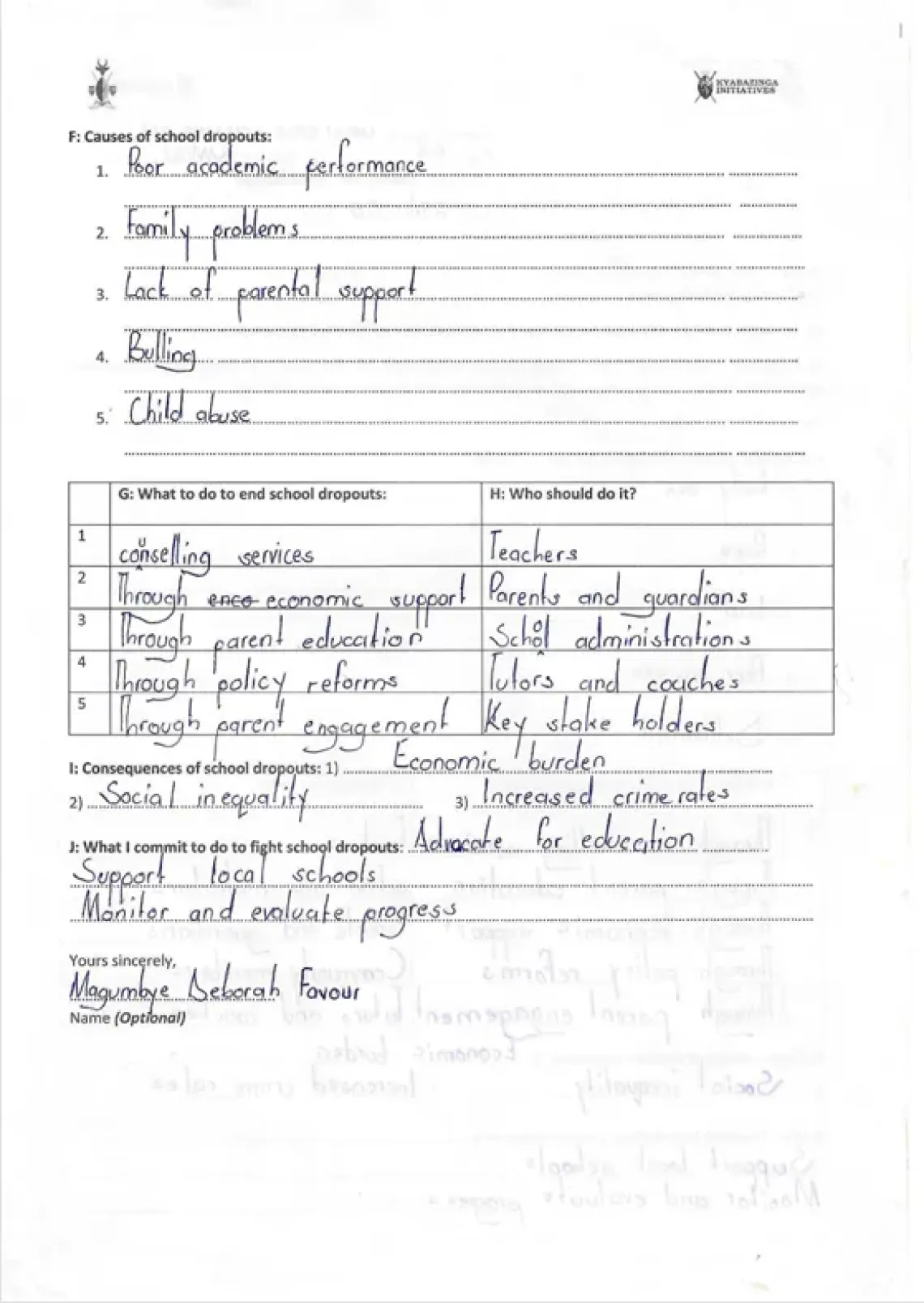
Before the event, His Majesty had written to children asking them to share their views on the causes of adolescent pregnancy, school dropout, and other challenges affecting them. He also asked them to suggest solutions and identify who should take responsibility. During the meeting, some of the children’s responses were read aloud to the King by the Kingdom Minister for Education, Owek. Nasabu Nantale. Copies of the children’s submissions were also given to His Majesty and the UNICEF Representative so they could read the children’s views directly.
The children said that poverty, lack of basic needs, orphanhood, limited information, lack of counselling and guidance, parental neglect, and peer pressure put them at risk. They proposed solutions such as providing basic needs, encouraging parents to take more responsibility, creating awareness, sensitizing communities, and supporting parents to improve their incomes. Their messages showed that children understand the problems affecting them and can help find solutions when they are given a chance to speak.
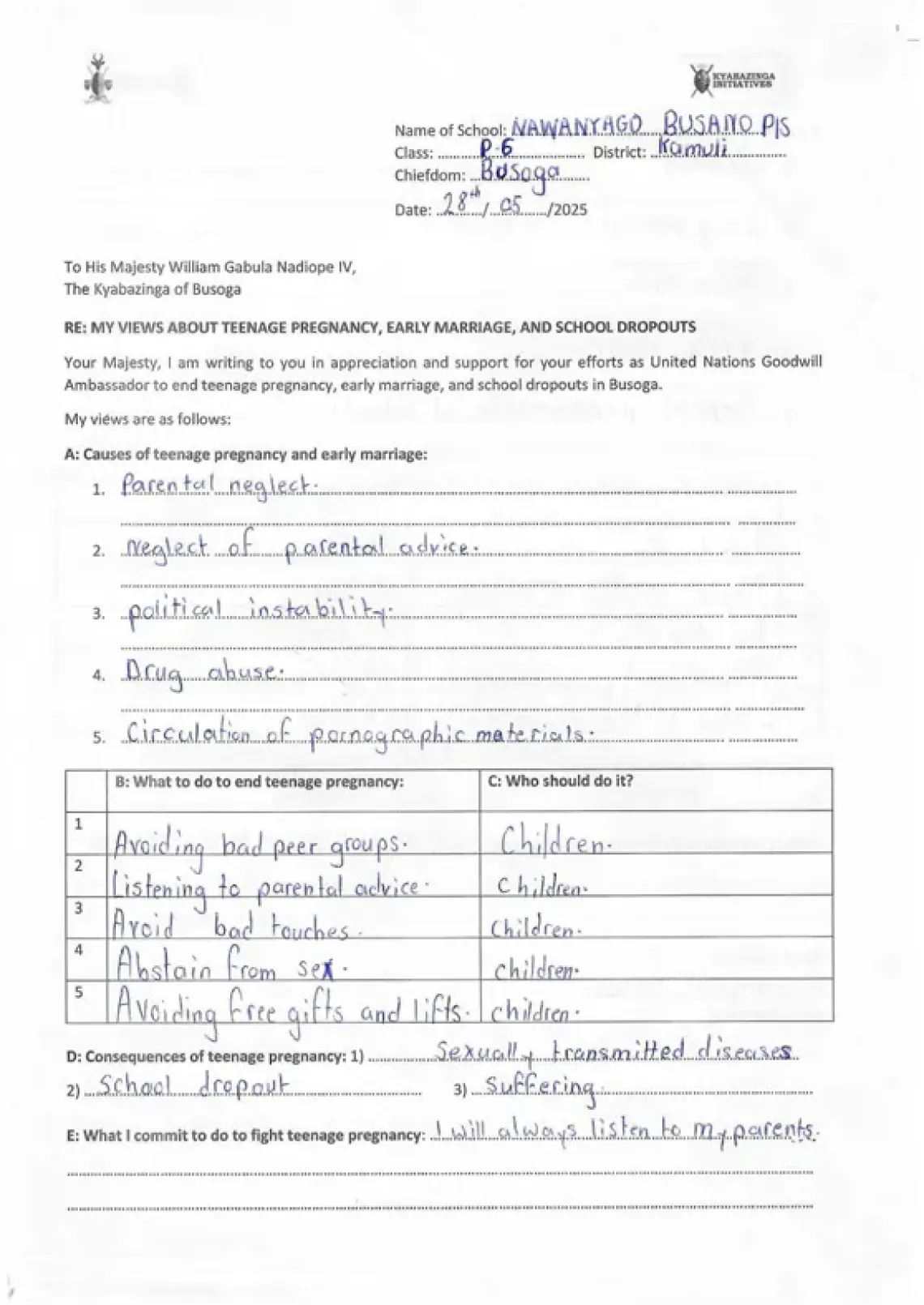
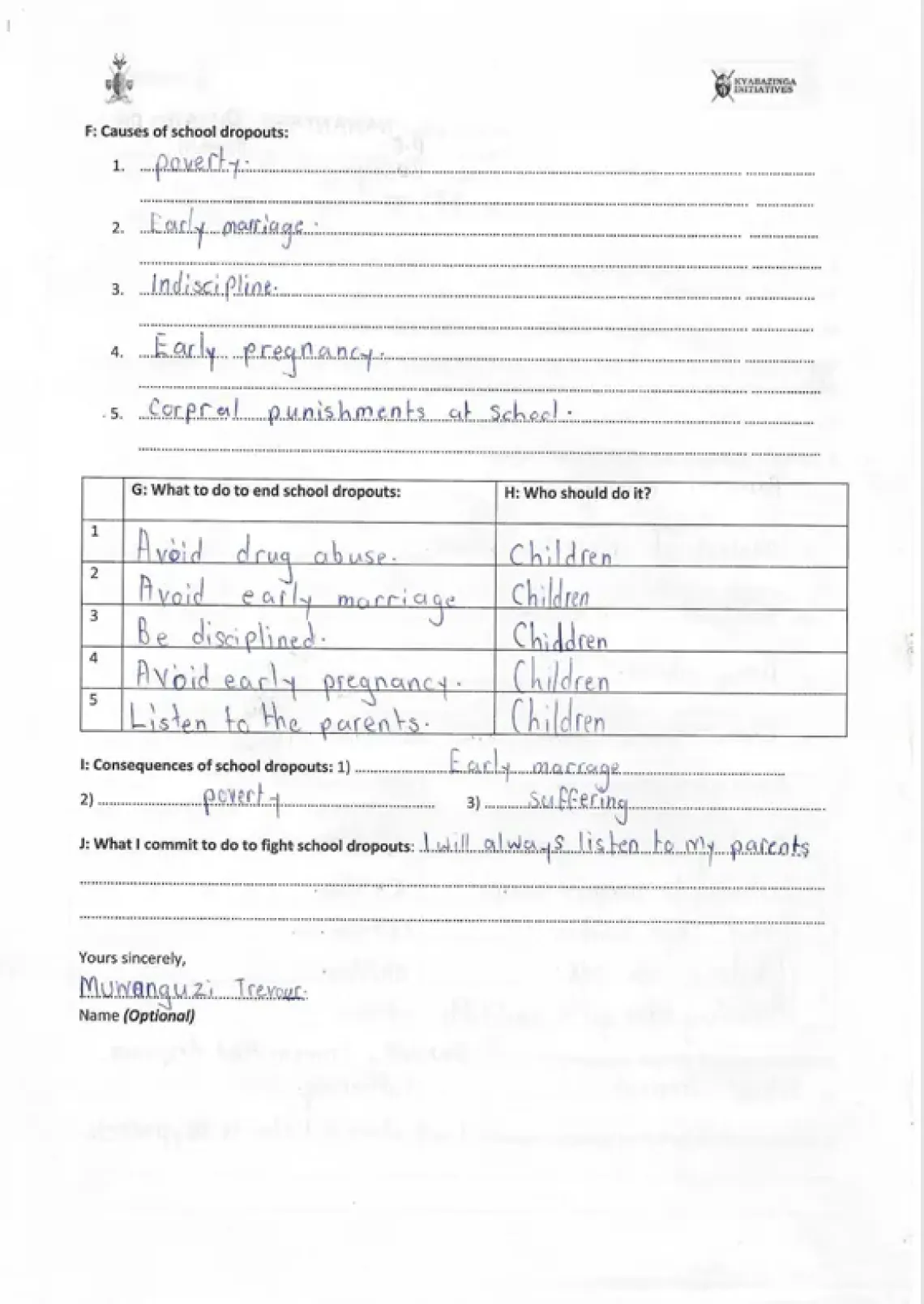
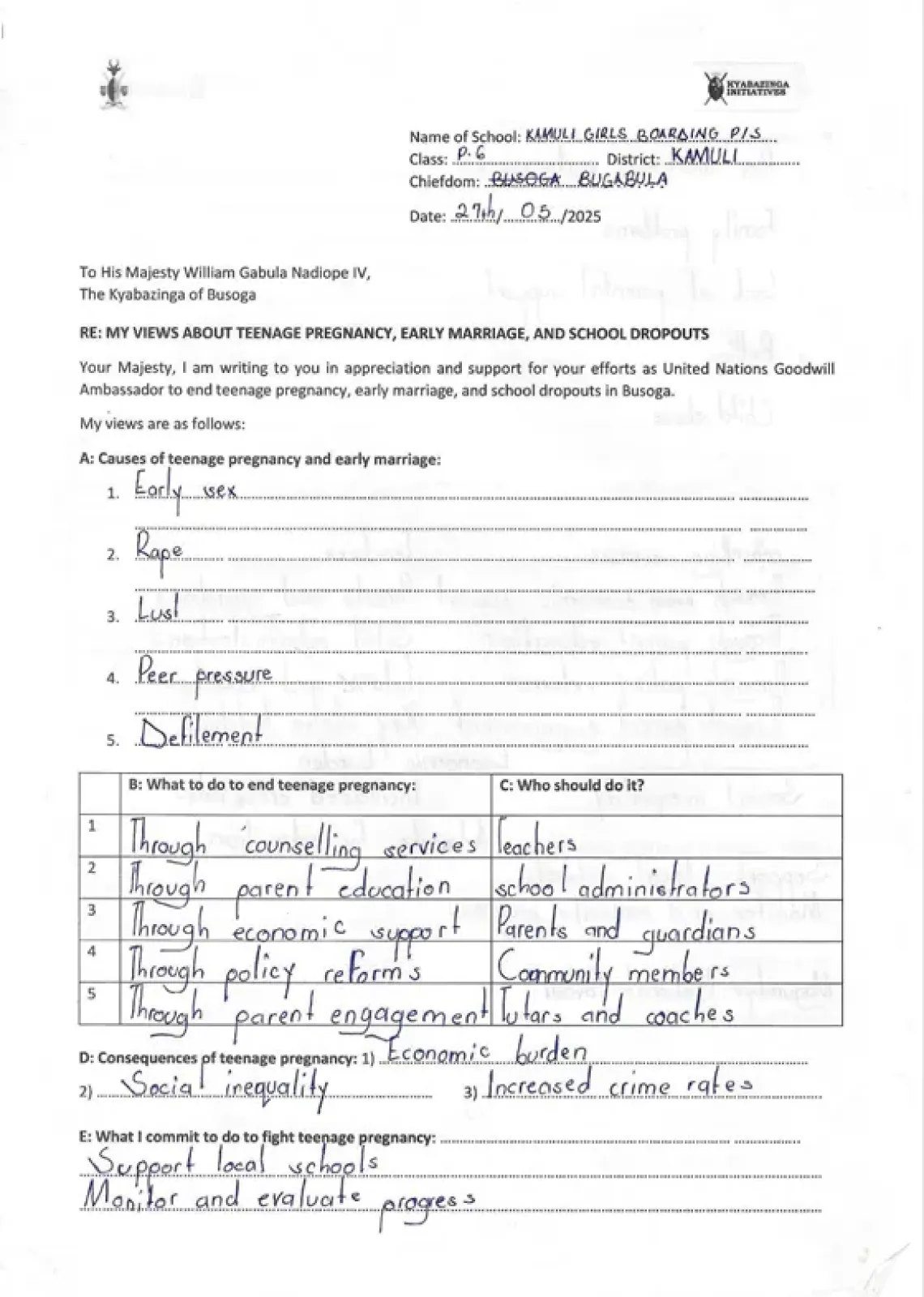
After hearing the children’s views, His Majesty thanked them for speaking openly. He assured them that the Kingdom, together with government, UNICEF, UNFPA, the National Planning Authority, schools, communities, and other partners, is working on strategies to address their challenges. He also reminded them that they are the leaders of tomorrow and that everyone has a role to play in protecting their future.
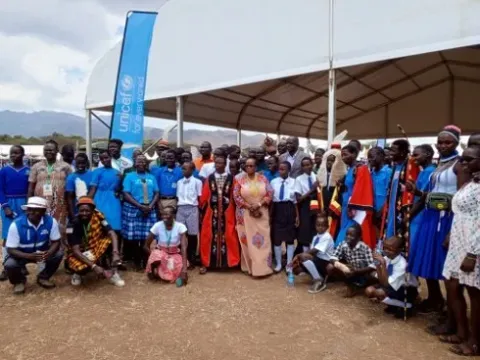
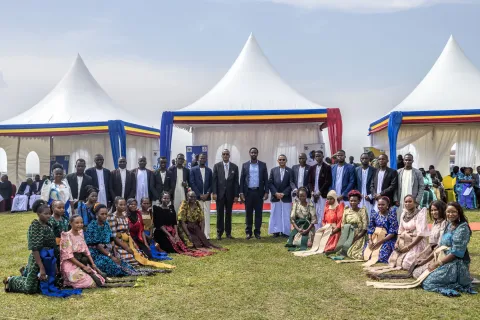
After the meeting, guests moved to the main outdoor ceremony. There, the Memorandum of Understanding between UNICEF Uganda and Kyabazinga Initiatives was signed by the UNICEF Representative and the Deputy Prime Minister, in the presence of His Majesty. Donations were also handed over to Kyabazinga Initiatives. The ceremony was attended by members of the royal family, chiefs from the 11 chiefdoms of Busoga, religious and cultural leaders, Kingdom officials, school children, and staff from UNICEF, UNFPA, and UNAIDS.
The agreement between UNICEF Uganda and Kyabazinga Initiatives is more than a signed document. It is a promise to the children of Busoga that their concerns will be heard and acted upon. It is also a commitment by cultural leaders, communities, government, and partners to work together to protect children, keep them in school, and help them thrive.