Building bridges: The need for collective support systems
One of the most significant barriers highlighted is the lack of awareness about mental health among children and their caregivers.

There are concerning mental health issues among the communities leading to practices such as suicide, but people do not know where to seek support for such issues, a finding from recent SAUTI consultations with children and caregivers.
This statement is a tip of the complex challenges facing children in Uganda. It underscores the urgency of putting in place systems to address them holistically. The following story of Jacob (not his real name) sheds light on the current situation and suggests ways of dealing with the issue.
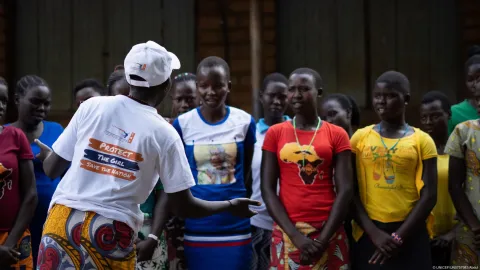
In the remote village of Kotido, nestled in the rugged landscapes of Uganda, a group of children gather at the local community centre. Among them is 15-year-old Jacob, who, despite the hardships he faces, is determined to make a difference. The recent SAUTI children’s consultations have opened his eyes to the challenges children encounter daily, particularly regarding violence, exploitation and mental health issues.
As the discussions unfold, Jacob points out that children like him are unaware of where to go and seek help in cases of those with mental health issues. He realizes the deep impact of community support systems on children’s lives. He recalls stories shared by his peers about discrimination, particularly for those with disabilities or those from marginalized backgrounds. The consultation provided a platform for comprehensive support systems to address issues such as gender-based violence (GBV), sexual exploitation and abuse (SEA) and mental health and psychosocial support (MHPSS).

One of the most significant barriers highlighted is the lack of awareness about mental health among children and their caregivers. Refugee and disabled children, for example, face exclusion, bullying, poverty and abuse. This impacts their mental health, leading to anxiety, depression and low self-esteem; thus, preventing them from feeling safe and valued. Jacob notes how many children feel isolated, resorting to silence rather than seeking help.
The consultations underscored the pressing need for mental health services and advocacy within the community. It became clear that children need safe spaces to discuss their feelings without judgement at school and in the community. The stories shared are not just statistics; they are cries for help, echoing the sentiments of those who feel abandoned by traditional support systems.
Conversations reveal that economic hardships, cultural and social norms are driving many children into unsafe situations, impacting both their physical safety and mental health. Poverty pushes some children to leave school and seek work in hazardous environments. For instance, in areas like Amudat and Napak, children are married as young as 12, while in Isingiro, they are exposed to child labour: “As a woman, I want my child to go to school but men don't want them to go to school; they are sent to work instead.” Additionally, factors such as poverty, societal norms, violence against children in and out of school, and harmful practices, including child marriage, teenage pregnancy and, in certain areas, female genital mutilation (FGM), are frequently reported as contributing to school dropouts.

During consultations, children and caregivers identified key support figures, including parents, police, teachers, religious leaders, village health teams (VHTs), para-social workers, peers, community development officers (CDOs), probation and social welfare officers (PSWOs), local councils, clan leaders and even the office of the boda-boda (motorcycle taxi) chairman. If children know where to report cases of sexual and gender-based violence (SGBV) and sexual exploitation and abuse (SEA), they would primarily rely on these support figures. The recommendations from these consultations provide a road map for action, emphasizing localized awareness campaigns and training for duty bearers to strengthen a supportive network for children.
The story of Jacob and his peers across the country is a testament to the resilience of children and their capacity to advocate for change. By fostering collective support systems and prioritizing mental health, communities can build bridges that not only protect children but empower them to reclaim their narratives.
Through initiatives like the SAUTI consultations, a new dawn is emerging, one where children are not just victims but vital participants in creating a safer, more inclusive future. It is a journey that requires collective effort, understanding and commitment to ensure that every child’s voice is heard and valued.