Breaking the silence: Barriers to reporting violence against children
“…she had a neighbour who would beat the mother and defile the daughter. It was too much for them to handle and they ran away from the home,” said a child from Yumbe District.

The plight of this mother and daughter is representative of so much prolonged violence against vulnerable members of communities in Uganda. With limitations to accessing reporting channels, such victims find no other way out but escape, for the relatively lucky ones! The following story of Amina (not her real name), based on recent consultations with children and caregivers, demonstrates the troubles facing children amidst barriers to reporting.
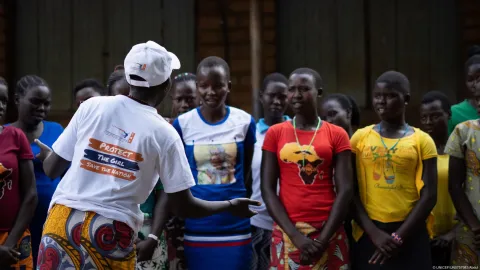
In the heart of Mukono, a vibrant community often bustling with life, a teenage girl named Amina harbours unspoken worries. She has just participated in the SAUTI children’s consultations, a rare opportunity to share her thoughts about the violence she has witnessed in her neighbourhood. But as she looks around, she realizes how few of her friends know where to turn for help.
Amina recalls a particularly traumatic night when she overheard a child (their neighbour) saying: “Mom and Dad, they can get problems like no money, and they come and start abusing me. Am I a problem at home? Can I leave the home?”
Amina whispered to her mother about this situation of her neighbour, but her plea went unheard. The stigma surrounding abuse in their community makes it hard to speak up; and Amina’s neighbour is one of many who feel trapped.
During the consultations, Amina and other children her age expressed a concern that many of them have limited knowledge and access to SAUTI 116 helpline. For most, it is just another number, lost in a sea of unfamiliarity. Many lack access to phones; and when they do get access, the fear of shame and being overheard prevents them from reporting the abuse they or their peers experience.

Some children experience feelings of helplessness and discouragement due to difficult circumstances. For instance, during consultations, a young mother described facing an unaffordable medical bill for her child at a hospital in Kampala City, and when she explained her inability to pay, a staff member suggested an inappropriate exchange, which she declined and chose to leave.
During consultations, children with disabilities pointed out discrimination as a major challenge for their access to services. Besides, some voices pleaded for the disadvantaged among them, as this child from Kikuube mentioned:” If children are disabled, we should help them financially to access education. Some children’s parents can't afford school fees. I beg SAUTI to give them sponsorship.”
The consultations revealed stark barriers to reporting violence. While children expressed a desire to report, fear of retribution, a lack of trust in authorities and service providers and the stigma surrounding abuse loom large.
In light of these barriers, children shared their expectations for service providers, hoping to see more support, understanding, and respect for their voices. They expressed a strong desire for confidentiality and immediate support, along with friendly, non-judgemental interactions. Children value when service providers listen carefully, respond and maintain regular follow-ups to ensure that their concerns are genuinely addressed.
Yet, challenges remain, particularly the limited access to diverse and safe reporting channels. Many children lack access to phones, making it harder for them to reach out for assistance, and they often have limited knowledge of anonymous reporting channels. Additionally, they expressed frustration with the lack of feedback and follow-up from service providers, which leaves them unheard and unsupported.
To improve reporting channels, UNICEF has conducted training on Accountability to Affected Populations, Prevention of Sexual Exploitation and Abuse, and Community Feedback Mechanisms for the main reporting channels in Uganda (MOH Helpline, U-Report, SAUTI 116 Helpline, GBV Helpline) from the 12th to the 15th of November 2024.
SAUTI 116 also conducts quarterly awareness activities and case clinics at schools, health centers, trading centers, markets and religious gatherings. These awareness activities focus on VAC/GBV, PSEA, and children’s rights. During these activities, the SAUTI team emphasizes the reporting channels available in their districts, how and where to report, and the existence of SAUTI 116, which allows children or adults to report anonymously if they wish.
During case clinics, SAUTI, together with a team from the MoES, MoH, CDO, PO, Local leaders, Parasocial workers, and the police, directly engages with communities and schools to provide the services, identify, and respond to cases of VAC/GBV.
Caregivers echo these sentiments, too, revealing their own hesitations. Many are unaware of SAUTI 116 and the services it offers, further worsening the silence surrounding abuse.

They also highlighted issues within the justice system, noting that children often see perpetrators escaping accountability by paying their way to freedom, which fosters a sense of impunity. This issue not only disheartens them but also erodes their trust in the system meant to protect them. Lack of confidentiality, fear of revenge and lack of witness protection are among the hindrances to children and caregivers reporting and giving feedback about issues. This fear stifles voices and traps children like Amina and her friends in a cycle of abuse and neglect.
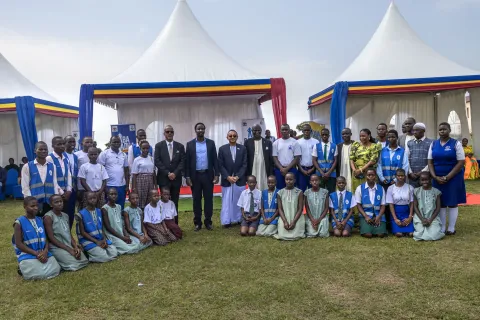
During the consultations, participant children and caregivers learned about SAUTI 116 and other stakeholders who can support children and advocate for their rights. These include, among others: police, probation officers, local councils and KCCA.
The story of Amina and her peers is not just a tale of suffering but a call to action. It reminds us that breaking the silence around violence requires not only creating safe spaces for children to speak but also ensuring they know where to seek for help.
The SAUTI consultations have ignited hope for children. Empowering them about their rights equips them with knowledge to report abuse without fear. With community support systems and enhanced awareness, there is a chance to create a safer environment for children like Amina, where their voices can be heard, and their cries for help answered.
Recommendations:
To enhance the helpline's impact, it is essential to increase awareness through digital outreach, particularly in hard-to-reach areas, and provide information, education and communication (IEC) materials in local languages and child-friendly formats. Strengthening case management through training for para-social workers, village health teams (VHTs) and local council committees is recommended, alongside expanding youth clubs to educate on issues such as early marriage, teenage pregnancy, drug abuse and mental health. Employing Karamojong and Pokot speakers would ensure inclusive communication, while increasing helpline staff would reduce line congestion and improve accessibility. Establishing anonymous reporting channels, such as school phone booths and suggestion boxes, would encourage reporting among the youth. Close coordination with local leaders and police to address community safety concerns, and appointing SAUTI focal persons at the sub-county or parish level, would further strengthen community-based support and ensure timely response.