Stronger together, for every child
A two-day UNICEF-EU workshop in Istanbul on fostering collaboration between CSOs, Municipalities and young people to ensure children's perspectives shape the decisions that impact them

- Türkçe
- English
In March 2025, Istanbul became the meeting point for a transformative dialogue on child rights advocacy, as key stakeholders gathered for a workshop under UNICEF’s “Accountability for Children & Advocacy for Rights” (ACAR) Project, funded generously by the EU.
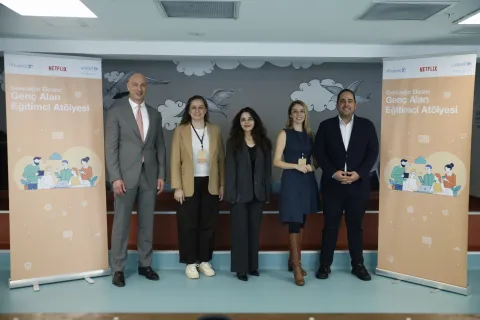
The two-day event provided a platform for more than 80 representatives from civil society organizations (CSOs), the İstanbul Metropolitan Municipality, district municipalities, national human rights institutions and young advocates to foster collaboration on child rights monitoring and children’s participation at municipal and local level decisions.

The workshop began with opening remarks by Ms. Monia El Djendoubi, Programme Manager at the EU Delegation, who emphasized the “EU's crucial role in protecting and promoting children's rights”, highlighting the ACAR Project as a key initiative. The EU collaborates with UNICEF, civil society, public institutions, municipalities, and young people to advance children's rights and build a better future across a range of programmes focused on education, health, social services, and policy advocacy.

Istanbul, like many urban centers, offers opportunities for children's development but also poses challenges of inequality and deprivation. UNICEF Türkiye works closely with municipalities, municipal associations, NGOs, local administrations, and ministries to enhance programming for children at the local level. Enif Yavuz Dipşar of Istanbul Metropolitan Municipality stated, “A collaborative approach ensures that resources, expertise, and community-driven solutions are effectively utilized to improve children's well-being.”
The first panel brought together child rights defenders to discuss key issues in child rights monitoring and advocacy. Topics included child participation, rights-based versus needs-based approaches, and national and international monitoring mechanisms. Experts highlighted challenges faced by CSOs, such as capacity issues and data collection difficulties, especially in crisis situations. Recommendations included using the child rights impact analysis (CRIA) tool, integrating children in policymaking, and developing tools for smaller CSOs to enhance monitoring and reporting. Collaboration, technology, and leveraging frameworks were emphasized for effective advocacy.

The second panel kicked off focusing on the engagement of CSOs in municipal budgeting and strategy development processes.

The discussion highlighted that digital social cooperative tools like the Needs Map, which connect people in need with support, play a vital role in fostering cooperation and solidarity in child-focused areas. Mert Fırat, of Needs Map NGO (above middle), emphasized the importance of these platforms in enhancing transparency, efficiency, and impact.

In the third panel, the meaningful engagement of children and young people for lasting change were discussed. It was stressed that the municipalities and CSOs need to partner with young people to shape programmes, implement models designed with youth perspectives, and monitor results with their involvement.

On the second day, the agenda included an overview of child rights concepts and international standards, followed by discussions on the role of National Human Rights Institutions in advocating for children's rights. The focus then shifted to the active involvement of children, adolescents, and young people in CSOs' daily operations. Participants examined local programme design, volunteerism models, and strategies to embed child participation in municipal policy and programming.
The final session highlighted the need for child-centered policies resilient against disaster risks, emphasizing CSOs' role in municipal budgeting and strategy development. Strengthening local governments' capacity to ensure equitable access to quality services was also discussed.
By fostering meaningful collaboration and knowledge sharing, the ACAR Project workshop in Istanbul laid a strong foundation for municipalities, CSOs, national human rights institutions, and young advocates to propel their communities toward a brighter, more equitable future for all children.