Youth voices breaking the silence on mental health in Timor-Leste
Youth voices breaking the silence on mental health in Timor-Leste
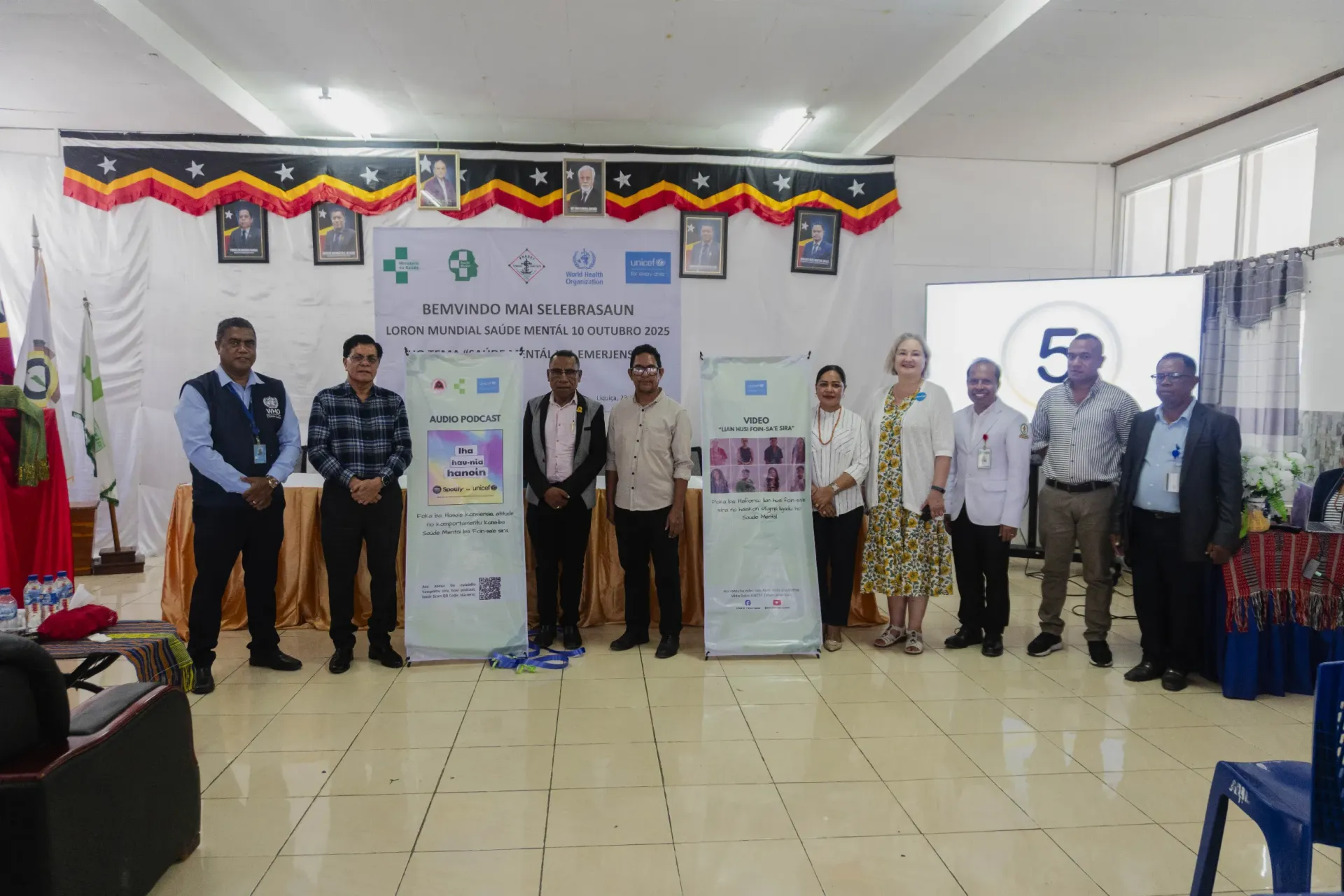
In Timor-Leste, where discussions about mental health have long been stifled by limited awareness, stigma and tradition, young people are spearheading a powerful new movement using creativity, collaboration and audio storytelling to build a more conducive environment to discuss mental health issues and make their voices heard.
Through UNICEF’s Youth-led Mental Health Audio Challenge, in partnership with Spotify, Timorese youth have adapted and created digital content that reflects their realities and challenges on the ground. The initiative brought together 24 young people from diverse backgrounds, including students, persons with disabilities, youth from the LGBTQ+ community and young people from rural areas, to adapt UNICEF’s On My Mind podcast into Tetum and produce new content that speaks directly to their peers.
According to Joanico Oliveira, UNICEF’s Adolescent Development and Participation (ADAP) Officer in Timor-Leste, “Mental health remains a very under-invested area in Timor-Leste. With about 70% of the population under 35, and over 40% under 18, young people make up a huge proportion of our society, many of whom have grown up in post-conflict conditions. Given that, focusing on adolescent mental health was both timely and essential. This project offered us an opportunity to start addressing those needs through youth participation and creative digital storytelling.”
“In our culture, expressing emotions is often seen as weak,” explains Pascoela Branco, founder of Gen Z Talk, UNICEF’s partner organisation in Timor-Leste and the youth organization that led the co-creation process. “People are told to ‘toughen up.’ It’s unfair because sometimes you just need someone to listen.”
A youth-led journey of creation and courage
Under Gen Z Talk’s guidance, one youth group worked on adapting the On My Mind podcast to make it more relatable and accessible for Timorese youth. They simplified the language, ensured the translations were emotionally resonant and even adjusted background music for cultural relevance. A second group created a short video under Gen Z Talk’s Koalia (‘Talk’) programme - a safe youth-led space for discussing taboo topics - featuring young people sharing their personal experiences with mental health.
“It was powerful to see them speak openly despite the stigma,” Pascoela recalls, “Some shared stories about taking medication or seeking help; things that would have been unthinkable to say in public just a few years ago.”
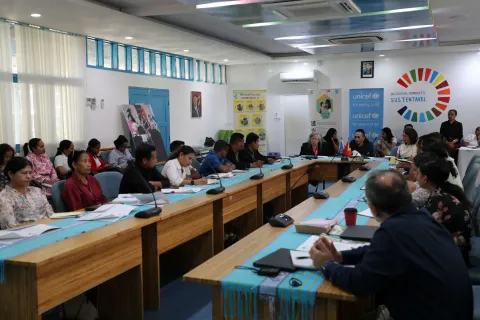
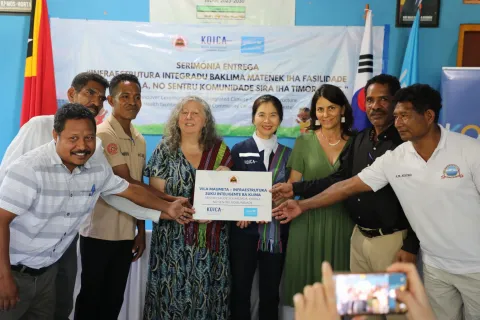
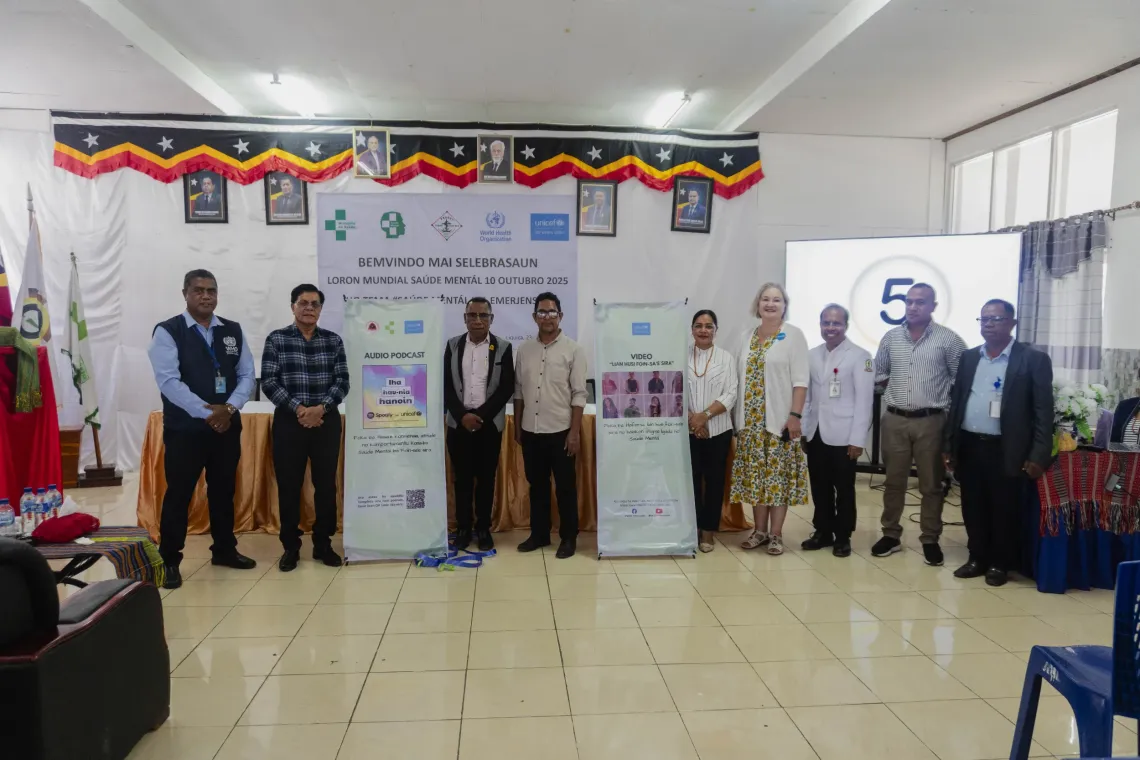
The launch event took place in Liquica municipality in October, bringing together government leaders, the WHO Country Office and more than 100 guests. The Vice Minister of Health called the video produced, the first youth-led mental health video in Timor-Leste, praising how digital storytelling can reach young people wherever they are.
Voices of change
Among those featured were Lucia, a law student, and Fevio, a young advocate for people with disabilities and human rights. Both participated in the co-creation process, contributing their voices and personal reflections on what mental health means for youth in Timor-Leste.
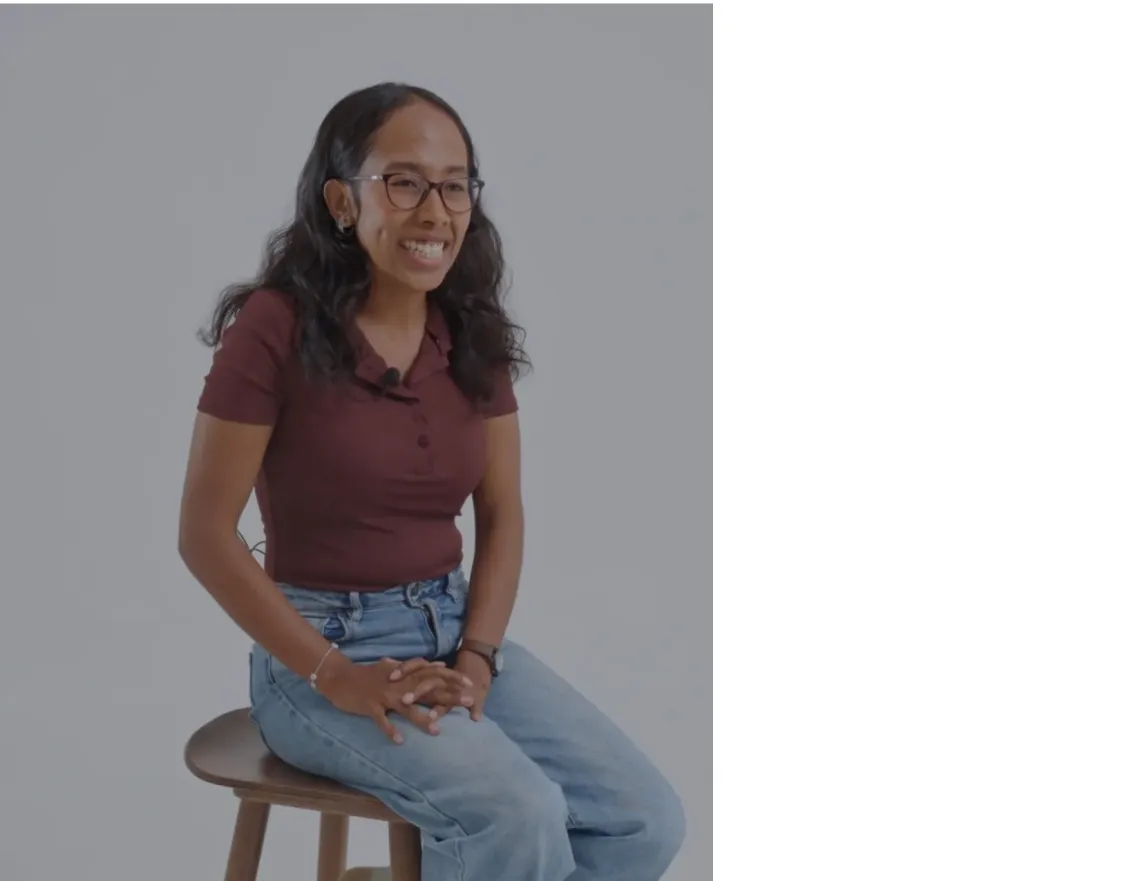
For Lucia, speaking about mental health is deeply personal.
“In my family, my parents didn’t really understand mental health. It’s something new for them,” she says, “But with my siblings, we talk about it more. My brother will notice when I’m struggling, send me a quote or a message to remind me life is still beautiful. That kind of care means a lot to me.”
Lucia believes digital platforms like podcasts can help reach young people who may not otherwise have access to support.
“Using podcasts to reach out to youth is one of the most effective ways to give support. Most young Timorese use social media, so they can access this information easily. It’s a great tool for our country.”
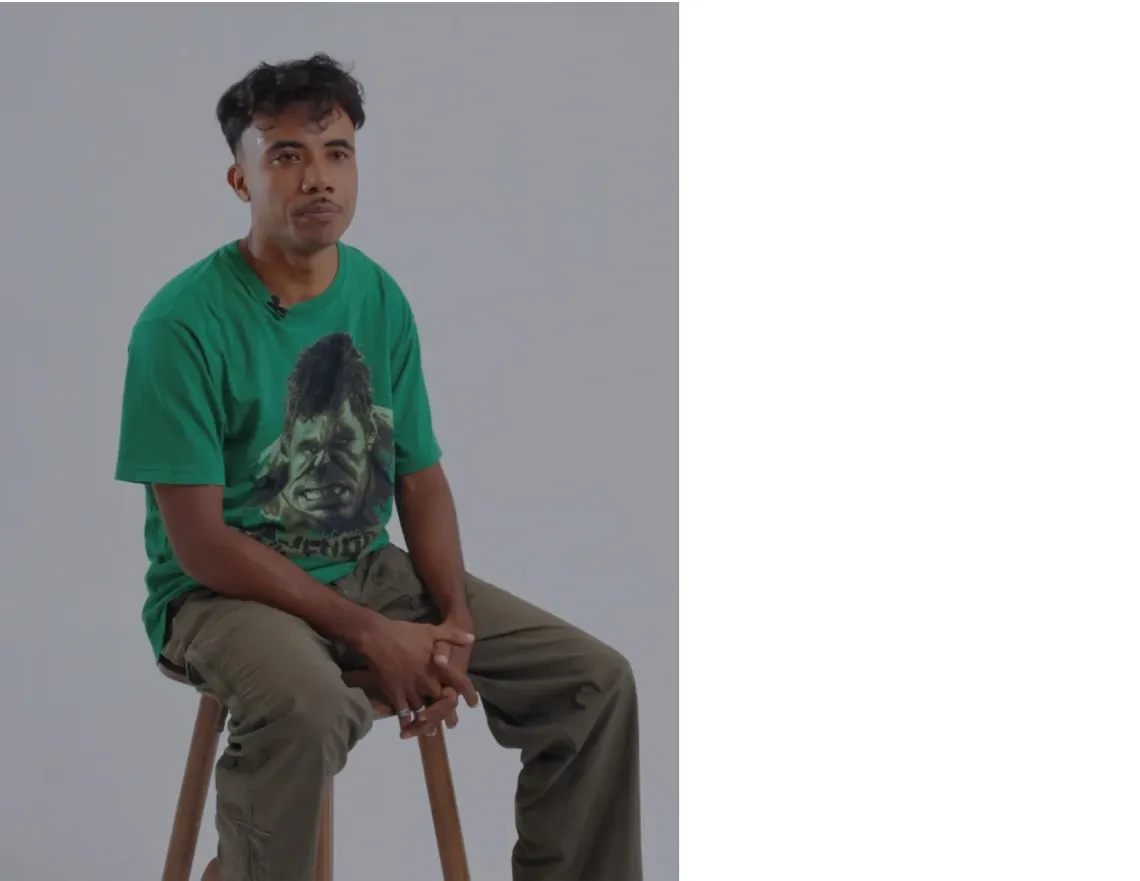
For Fevio, who has faced discrimination as a person living with disabilities, the project was an opportunity to turn pain into purpose.
“I lived with trauma for a long time because of my disability which affects by legs, back and chest,” he shares, “When you have a disability, people treat you differently. I struggled with the emotional impact of being frequently ridiculed. Comments from other people made me hesitant to try new things. It really impacted my confidence levels as I was always afraid of making mistakes. I want to become a mental health counsellor and advocate, to show others that we can heal and help each other.”
He says many Timorese youth still lack knowledge about how to seek help. “People think that having mental health problems means you are weak. Some even recommend traditional rituals instead of counselling. That’s why projects like this are so important. They help us learn and talk about mental health in new ways.”
Challenges and growth
Implementing a digital initiative in Timor-Leste was not without challenges. Internet connectivity remains low and platforms like Spotify are still new to many users. To overcome this, UNICEF and Gen Z Talk are distributing posters with QR codes, exploring ways to make the content available in schools, youth centres, and health facilities, ensuring access even in areas with limited connectivity.
“The young people wanted to make sure the content reaches everyone, not just those online,” says Pascoela. “They even suggested playing it in health centres so people can listen while waiting for appointments.”
Despite these obstacles, the project marked a major step forward in normalising mental health conversations and promoting inclusion.
Building momentum for the future
UNICEF’s Deputy Representative in Timor-Leste, Teija Vallandingham, highlights that the challenge has opened new doors for mental health programming in the country: “Timor-Leste has a very young population, but mental health services are still limited. This initiative gave young people a platform to express their views and create content that truly reflects their lives. It’s an entry point for future work in this area.”
Gen Z Talk now plans to continue using social media and school outreach to share the On My Mind podcast, along with locally created videos and posters. The Ministry of Health has also expressed interest in featuring the materials in public health facilities.
A turning point for youth in Timor-Leste
As the country continues to recover from its post-conflict past, this youth-led initiative represents a turning point in how Timor-Leste talks about mental health. “It’s just the beginning,” says Pascoela, “But it’s an important step toward a future where young people can speak freely about their feelings and find strength in community.”
Through their courage, creativity and collaboration, Timorese youth are helping to rewrite the national conversation. For Fevio, “Working on this project was healing. It showed that our voices matter, and that even from small beginnings, we can start to change how our country sees mental health.”
###Ends