Nearly half of the world’s children exposed to at least three overlapping climate threats – UNICEF
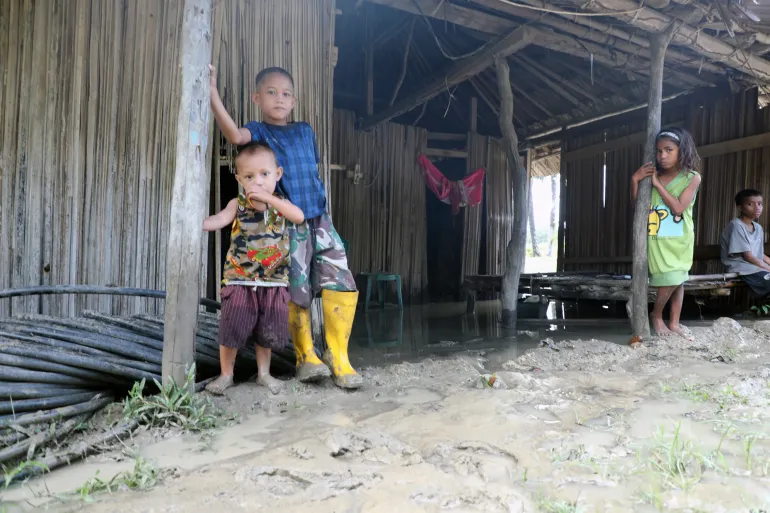
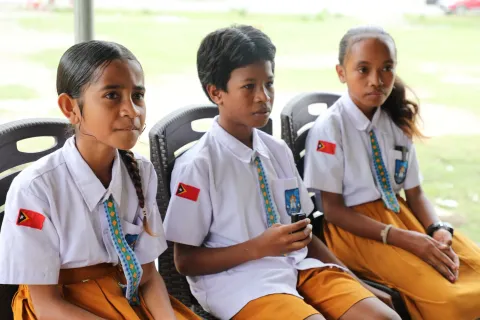
In Timor-Leste, children face intensifying droughts, floods, extreme heat and tropical storms, while limited services and geographic constraints leave entire communities vulnerable when such events occur.
Dili, 16 June 2026 – Nearly half of the world’s children, or 1.1 billion, are now exposed to at least three overlapping climate hazards, threatening their health, education, and survival, according to a new UNICEF report launched today. Almost every child in the world faces at least one climate hazard, while more than 4 million could face as many as six overlapping threats.
The Children’s Climate Risk Report (CCRR) 2026 uses the latest available data to map children’s exposure to eight major climate hazards, including droughts, extreme heat, heatwaves, floods, and tropical storms, and shows where and how these overlapping risks are disrupting essential services such as health, education, water, and sanitation.
“The lives of children continue to be upended by the impact of heatwaves, wildfires, droughts, and floods,” said UNICEF Executive Director Catherine Russell. “Half of the world’s children are now living with at least three overlapping climate threats shaping their daily lives.”
In Timor-Leste, a remote Small Island Developing State that remains largely off the global radar, children face rising risks of heat and drought alongside near-universal exposure to tropical storms, meaning climate shocks can disrupt the entire country at once. This can disrupt schools, health services, and access to safe water and food.
“In Timor-Leste, climate shocks are already disrupting children’s access to education, health care, water and food across the country. With no area spared, children face rising risks that demand urgent action,” says UNICEF Timor-Leste Representative Patrizia DiGiovanni. “This report, along with the soon-to-be-released Timor-Leste Children’s Climate Risk Index for Disaster Risk Management, will help us target support where it is needed most. We must act now to reduce emissions, strengthen resilient services, equip young people to shape their future and ensure children have full access to their rights.”
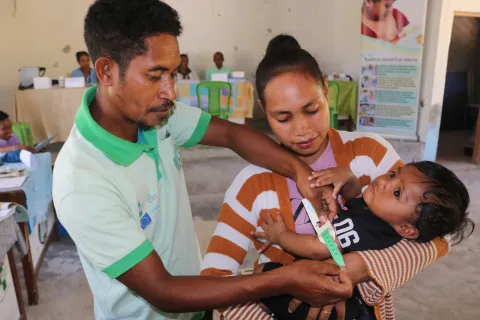
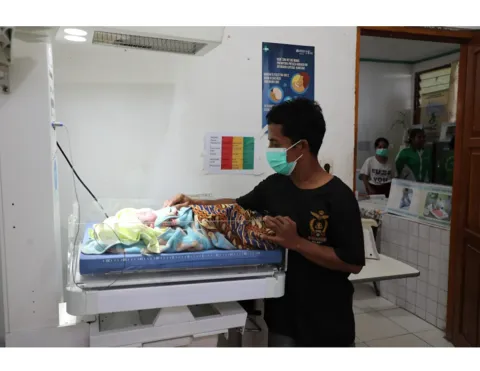
With limited coverage of essential social services and significant structural constraints linked to geography and isolation, children are especially vulnerable when hazards strike, as there are few unaffected areas to absorb or respond to the impact. The report highlights that vulnerability is driven not only by exposure to hazards but also by gaps in critical services that children rely on to survive and recover.
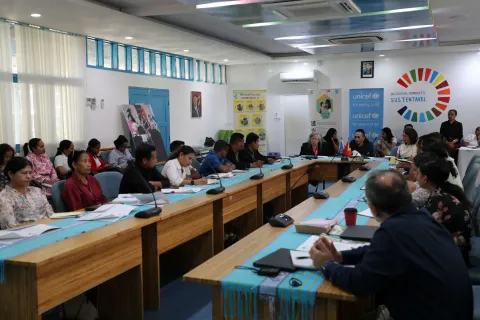
UNICEF Timor-Leste and the UN Satellite Centre are partnering to develop the Children’s Climate Risk Index for Disaster Risk Management (CCRI-DRM) focused on Timor-Leste, to be released in the coming weeks.
This tool adapts global analysis to the national context to identify where the most at-risk children live, the hazards they face, and the underlying drivers of vulnerability across sectors. It aims to support stronger, child-focused climate policies, risk-informed programming, and more effective preparedness.
Without urgent action to reduce emissions and invest in climate adaptation, climate hazards will become more frequent and severe, placing greater strain on systems and threatening children’s well-being worldwide.
To protect children’s rights from climate threats and adapt to growing environmental changes, UNICEF is calling on governments, businesses and relevant actors to:
- Reduce emissions and take ambitious action to fulfil existing international commitments, grounded in the best available science, including the urgent phasing-out of fossil fuels and a just transition towards renewable energy.
- Protect children through inclusive climate adaptation, disaster risk reduction, and responses to loss and damage that prioritise the resilience of social services, ensuring that children and child-critical services are included in national adaptation plans, sector strategies, disaster risk governance, preparedness, and response plans. This includes, for example, developing safe and green learning facilities and climate resilient health care facilities, securing children’s food security, making multi hazard early warning systems effective for children and accessible to the services they rely on, and strengthening the efficiency of water and sanitation services, as well as shock responsive social protection systems.
- Empower children and young people to meaningfully participate in climate action by investing in climate education, knowledge and skills, and by strengthening the capacity of decision makers and experts to respect children’s rights to be heard, freedom of expression, and participation in decisions that affect their lives.
UNICEF is calling on governments, partners, and the private sector to protect children through inclusive climate adaptation and resilient social services, reduce emissions in line with global commitments, and empower children and young people to participate in climate action. Strengthening systems today is critical to protecting children from escalating climate risks and securing their future.
#####
Note to editors:
To better understand the potential severity and frequency of climate threats throughout a child's life, the methodology uses a probabilistic model based on a 100-year return period. This approach captures extreme climate events that are highly likely to occur in any given year and highlights the most significant hazards to which children are exposed.
The CCRR 2026 looks at children’s exposure to eight climate hazards: coastal floods, droughts, extreme heat, fires, heatwaves, riverine floods, sand and dust storms, and tropical storms, as well as two climate-sensitive hazards such as air pollution and vector borne diseases; while considering inherent vulnerabilities of children across seven dimensions: water, sanitation and hygiene (WASH), nutrition, protection, health, education, poverty, and child survival.
This report includes updated data and models covering a broader range of hazards and vulnerabilities, compared to UNICEF’s 2021 report, The Climate Crisis is a Child Rights Crisis. The analysis now encompasses most countries and territories – including Small Island Developing States– and utilizes a pixel-level multi-hazard approach, providing higher-resolution data at a gridded scale. Hazard data are now available for areas as small as 100 square kilometres in each country, with some hazards mapped at a 100-metre resolution.
*Fragility: According to the OECD, it is the combination of exposure to risk and insufficient resilience of a state, system and/or community to manage, absorb or mitigate those risks. In this report, countries classified as experiencing extreme or high fragility are grouped together and referred to as “fragile.”
*Small Island Developing States (SIDS) are a distinct group of nations characterized by their small size and remote island geography. SIDS’ unique vulnerabilities include their small size, remoteness, narrow resource and export base, and exposure to external economic shocks.
Link to the Children's Climate Risk Report here.
Multimedia materials available here.
=====
Tetun:
Maizumenus metade husi labarik-sira iha mundu hetan ameasa tolu husi klimátika ne'ebé mak akontese beibeik - UNICEF.
Iha Timor-Leste, labarik-sira hasoru bailoron naruk, inundasaun, anin-fuik no anin tropikal ne'ebé maka'as, enkuantu servisu no limitasaun jeográfika ne'ebé limitadu husik komunidade tomak sai vulneravel bainhira akontese fenomena hirak hanesan ne'e.
Dili, 16 Junu 2026 - Kuaze metade husi labarik sira iha mundu, ka biliaun 1.1, agora iha ona perigu tolu husi klimátiku ne'ebé ameasa sira-nia saúde, edukasaun no sobrevivénsia, tuir relatóriu foun UNICEF nian ne'ebé ohin lansa ona. Kuaze labarik hotu iha mundu hasoru perigu klimátiku ida, maibé liu tokon 4 bele hasoru ameasa neen.
Relatoriu Risku Klimatika ba Labarik (sigla Inglês: CCRR) 2026 uza dadus foun ne'ebé disponivel hodi halo mapa ba labarik sira-nia espozisaun ba perigu boot ualu husi klimátiku, inklui bailoron naruk, manas maka'as, anin-fuik, inundasaun no anin-fuik tropikal, no hatudu iha ne'ebé no oinsá risku sira-ne'e estraga servisu esensiál sira hanesan saúde, edukasaun, bee no saneamentu.
“Labarik sira-nia moris kontinua ameasadu tanba impaktu husi manas-makaas, ahi-fuik, bailoron-naruk no inundasaun” hateten Diretora Ezekutiva UNICEF, Catherine Russell. "Metade husi total labarik iha mundu agora moris ho ameasa tolu husi klimátika ne'ebé forma sira-nia moris lor-loron."
Iha Timor-Leste, estadu ida iha illa kiik ida ne’ebé sei dezenvolve aan hela ne’ebé sei dook husi atensaun globál, labarik-sira hasoru risku ba manas-makaas no bailoron-naruk alem de anin-fuik tropikal ne’ebé universál, signifika katak xoke klimátiku bele estraga nasaun tomak. Ida ne'e bele estraga eskola, servisu saúde, no asesu ba bee no ai-han ne'ebé seguru.
"Iha Timor-Leste, xoke klimátiku afeta labarik sira-nia asesu ba edukasaun, kuidadu saúde, bee no ai-han iha nasaun laran tomak. La iha área ne'ebé mak livre husi impaktu klimátiku, labarik-sira hasoru risku aas ne'ebé presiza asaun urjente," dehan Reprezentante UNICEF Timor-Leste Patrizia DiGiovanni. "Relatoriu ida-ne'e, hamutuk ho Timor-Leste nia Indise Risku Klimatika ba Labarik-sira ba Jestaun Risku Dezastre, sei ajuda ita atu diriji apoiu ba alvu iha fatin ne'ebé presiza liu. Ita tenke atua agora atu hamenus emisaun, hametin servisu reziliente-sira, fó ekipamentu ba foin-sa'e sira atu forma sira-nia futuru no asegura labarik-sira iha asesu tomak ba sira-nia direitu."
Ho kobertura limitadu ba asistensia sosiál esensiál-sira no limitasaun estruturál signifikante-sira, ne'ebé liga ho jeografia no izolasaun, labarik-sira sai vulneravel liu-liu bainhira perigu-sira akontese, tanba iha área uitoan deit ne'ebé mak la afetadu atu absorve ka responde ba impaktu. Relatóriu ne'e subliña katak vulnerabilidade la'ós de'it afeta husi espozisaun ba perigu-sira, maibé mós husi lakuna-sira iha servisu krítiku-sira ne'ebé labarik-sira depende ba, atu sobrevive no rekupera.
UNICEF Timor-Leste no Sentru Satélite ONU nian parseria hela atu dezenvolve Indise Risku Klimátika Labarik ba Jestaun Risku Dezastre (sigla Inglês: CCRI-DRM) foka ba Timor-Leste, ne'ebé sei lansa iha semana hirak tuir mai.
Instrumentu ida-ne'e adapta análize globál ba kontestu nasionál hodi identifika labarik sira ne'ebé iha risku boot-liu iha sira-nia moris, perigu-sira ne'ebé sira hasoru, no kontribuisaun fundamentál ba vulnerabilidade iha setór hotu-hotu. Ninia objetivu mak atu apoia polítika klimátika ne'ebé forte liu, foka ba labarik, programa informadu kona-ba risku, no preparasaun ne'ebé efetivu liu.
Se la iha asaun urjente atu hamenus emisaun no investe iha adaptasaun klimátika, perigu husi klimátiku sei akontese beibeik no grave liu, hodi tau estragu boot-liu ba sistema no ameasa labarik sira-nia moris-di'ak iha mundu tomak.
Atu proteje labarik sira-nia direitu husi ameasa klimátika no adapta ba mudansa ambientál ne'ebé aumenta, UNICEF husu ba governu, empreza no autór relevante sira atu:
- Redús emisaun no foti asaun ne'ebé ambisiozu hodi halo tuir kompromisu internasionál sira ne'ebé eziste, bazeia ba siénsia ne'ebé di'akliu, inklui faze urjente husi kombustivel fosil no tranzisaun ida-ne'ebé justu ba enerjia renovavel.
- Proteje labarik-sira liuhosi adaptasaun klimátika inkluziva, redusaun risku dezastre, no resposta ba lakon no estragus ne'ebé fó prioridade ba reziliensia servisu sosiál sira, asegura katak labarik no asistensia ba labarik-krítiku sira integra mós iha planu adaptasaun nasionál, estratéjia setór, governasaun risku dezastre, preparasaun, no planu ba resposta. Ida ne'e inklui, pur ezemplu, dezenvolve fasilidade aprendizajen ne'ebé seguru no verde, no fasilidade saúde reziliente ba klima, asegura seguransa ai-han ba labarik-sira, halo sistema avizu sedu kona-ba perigu oi-oin ne’ebé mak efetivu ba labarik sira no asesivel ba asistensia-sira ne'ebé sira depende ba, no haforsa efisiénsia servisu bee no saneamentu, no mós sistema protesaun sosiál ne'ebé responsivu ba xoke.
- Haforsa labarik no foin-sa'e sira atu partisipa ho signifikativu iha asaun klimátika liuhusi investe iha edukasaun klimátika, koñesimentu no abilidade, no liuhusi haforsa kapasidade husi ema ne'ebé foti desizaun no peritu sira, atu respeita direitu labarik sira-nian hodi rona ba labarik-sira, liberdade espresaun, no partisipasaun iha desizaun sira ne'ebé afeta sira-nia moris.
UNICEF husu ba governu, parseiru no setór privadu sira atu proteje labarik-sira liuhusi adaptasaun klimátika inkluziva no servisu sosiál reziliente sira, hamenus emisaun sira tuir kompromisu globál sira, no fó kbiit ba labarik no foin-sa'e sira atu partisipa iha asaun klimátika. Haforsa sistema ohin loron mak importante tebes atu proteje labarik-sira husi eskala risku klimátiku no asegura sira-nia futuru.
#####
Nota ba editór sira:
Atu komprende di'ak liu tan gravidade no frekuénsia ameasa klimátika durante labarik nia moris tomak, metodolojia ne'e uza modelu provavel ida bazeia ba períodu retornu tinan-100. Aprosimasaun ida-ne'e kaptura akontesimentu klimátiku extremu ne'ebé iha posibilidade boot atu akontese iha tinan ida-idak no subliña perigu signifikativu sira ne'ebé labarik-sira hetan espozisaun.
CCRR 2026 haree ba labarik sira-nia espozisaun ba perigu klimátiku ualu: inundasaun tasi-ibun, bailoron-naruk, manas maka'as, ahi-fuik, frekuensia maka'as, inundasaun mota, anin-fuik rai-henek no rai-rahun, no anin-fuik tropikal, nune'e mós perigu rua ne'ebé sensivel ba klima hanesan poluisaun aereu no moras vektor; no konsidera vulnerabilidade inerente husi labarik-sira iha dimensaun hitu: bee, saneamentu no ijiene (WASH), nutrisaun, protesaun, saúde, edukasaun, kiak no sobrevivénsia labarik.
Relatóriu ida-ne'e inklui dadus no modelu sira ne'ebé atualiza ona ne'ebé kobre perigu no vulnerabilidade lubuk ida-ne'ebé luan liu, kompara ho relatóriu UNICEF nian iha tinan 2021, Krize Klimátika mak Krize Direitu Labarik. Analize ne'e agora kobre nasaun no territóriu barak - inklui Estadu sira ne’ebé mak sei dezenvolve aan hela iha Illa Kiik-sira - no uza aprosimasaun multi-hazard nivel pixel, fornese dadus ho rezolusaun aas iha eskala rede. Dadus perigu-sira agora disponivel ba área ki'ik liu kilómetru kuadradu 100 iha kada nasaun, ho perigu balun ne'ebé mapa iha rezolusaun metru 100.
*Fragilidade: Tuir OECD, ne'e mak kombinasaun espozisaun ba risku no reziliensia ne'ebé la sufisiente ba estadu, sistema no/ka komunidade atu jere, absorve ka mitiga risku hirak-ne'e. Iha relatóriu ida-ne'e, nasaun sira ne'ebé klasifika hanesan esperiénsia frajilidade extreme ka aas halibur hamutuk no temi hanesan "frajil".
* Estadu sira ne’ebe sei Dezenvolve aan hela iha illa ki'ik (sigla inglês: SIDS) mak grupu nasaun ida-ne'ebé iha karakterizasaun ho sira-nia jeografia illa ki'ik no dook. Vulnerabilidade úniku SIDS nian inklui sira-nia medida ki'ik, remote, rekursu naruk no baze esportasaun, no espozisaun ba xoke ekonómiku esternu.
Link kona-ba Relatóriu Risku Klimátik aba Labarik iha ne’e.
Matéria multimedia dispinivel iha ne’e.
Media contacts
About UNICEF
UNICEF promotes the rights and wellbeing of every child, in everything we do. Together with our partners, we work in 190 countries and territories to translate that commitment into practical action, focusing special effort on reaching the most vulnerable and excluded children, to the benefit of all children, everywhere.
For more information about UNICEF Timor-Leste and its work for children, visit www.unicef.org/timorleste
Follow UNICEF on X (Twitter), Facebook, Instagram, LinkedIn and YouTube