When the lights stay on:

Powering safer births and stronger immunisation in Kishapu

UNICEF Tanzania
Dr Yohana Charles Iganyenga attends to a patient during a night shift at a solar-powered health facility in Kishapu District, Shinyanga.
Studio 19
13 April 2026

For any mother, going into labour is a vulnerable moment and in Kishapu, that vulnerability was often made worse by darkness.

“The nights were the hardest. There were moments when I had a mother on the operating table, the child needing urgent care, and then the lights would flicker, and go out completely,” says Dr Yohana Charles Iganyenga, a medical officer in Kishapu District. 

In those seconds, everything can change.

“You might know exactly what needs to be done,” he adds quietly. “But without light, without suction, without functioning equipment, your hands are tied. Every second counts. Every delay puts a life at risk.”

For years, unreliable electricity shaped the reality of care in many health facilities across Shinyanga. Night shifts were filled with tension. Procedures were delayed. Some could not be performed at all, not because of a lack of skill, but because the power failed.

Ray Kimeme experienced that reality firsthand.

“My labour started in the middle of the night,” she recalls. “By the time I reached the facility, it was completely dark.”

Embedded video follows
Studio 19 When Ray gave birth to her first child, the facility was in darkness. Today, solar power is keeping the lights on in Kishapu, making deliveries safer for every mother and for every child.

There was no electricity. Only torchlight. Fear filled every moment.

“The nurse had a small torch. I had one too. That was all the light,” she says. “Under that dim, shaky light, I gave birth.”

“I kept thinking, what if the nurse cannot see clearly? What if my baby needs help? What if something goes wrong in the dark?”

Her child arrived safely. But the experience stayed with her.

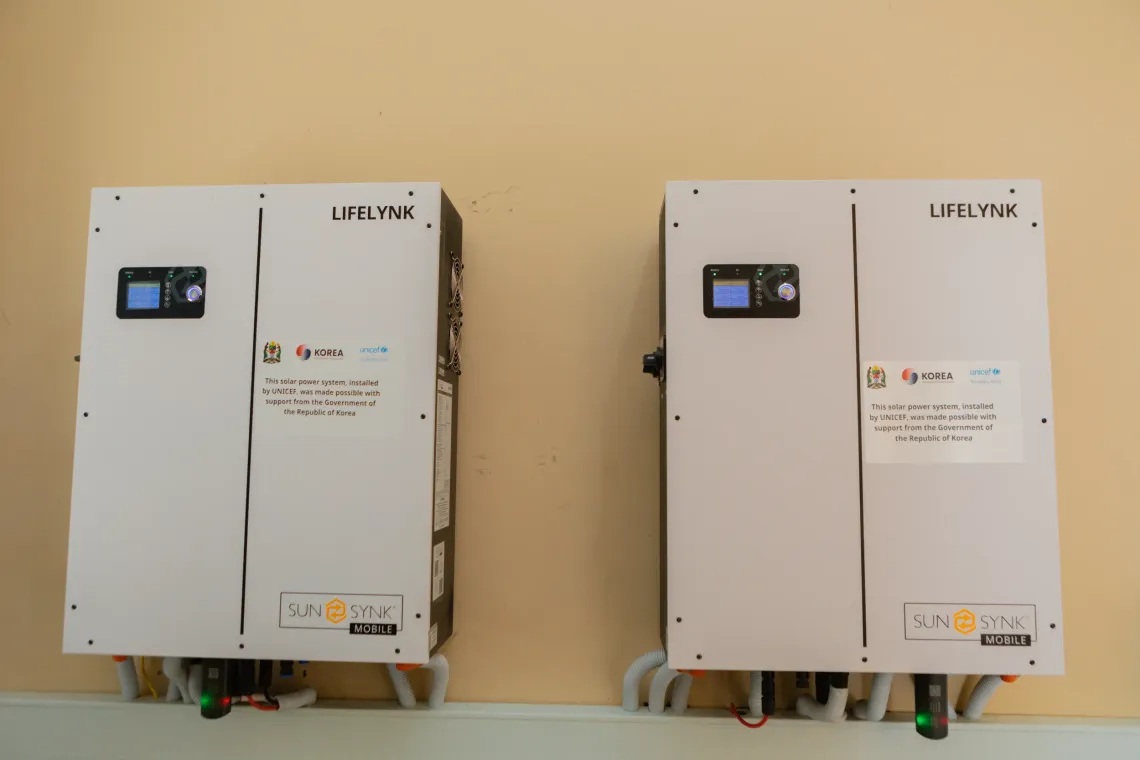
In July 2024, that reality began to change. Through a partnership between UNICEF and the Government of Tanzania, with support from the Government of the Republic of Korea, solarpowered energy systems started to be installed in health facilities across Shinyanga‑.

Solar panels mounted on facility rooftops now capture energy throughout the day, storing it in battery systems for use at night. The result is uninterrupted power for critical services, supporting safe deliveries, protecting the vaccine cold chain, and ensuring that life‑saving immunization services can continue, day and night.

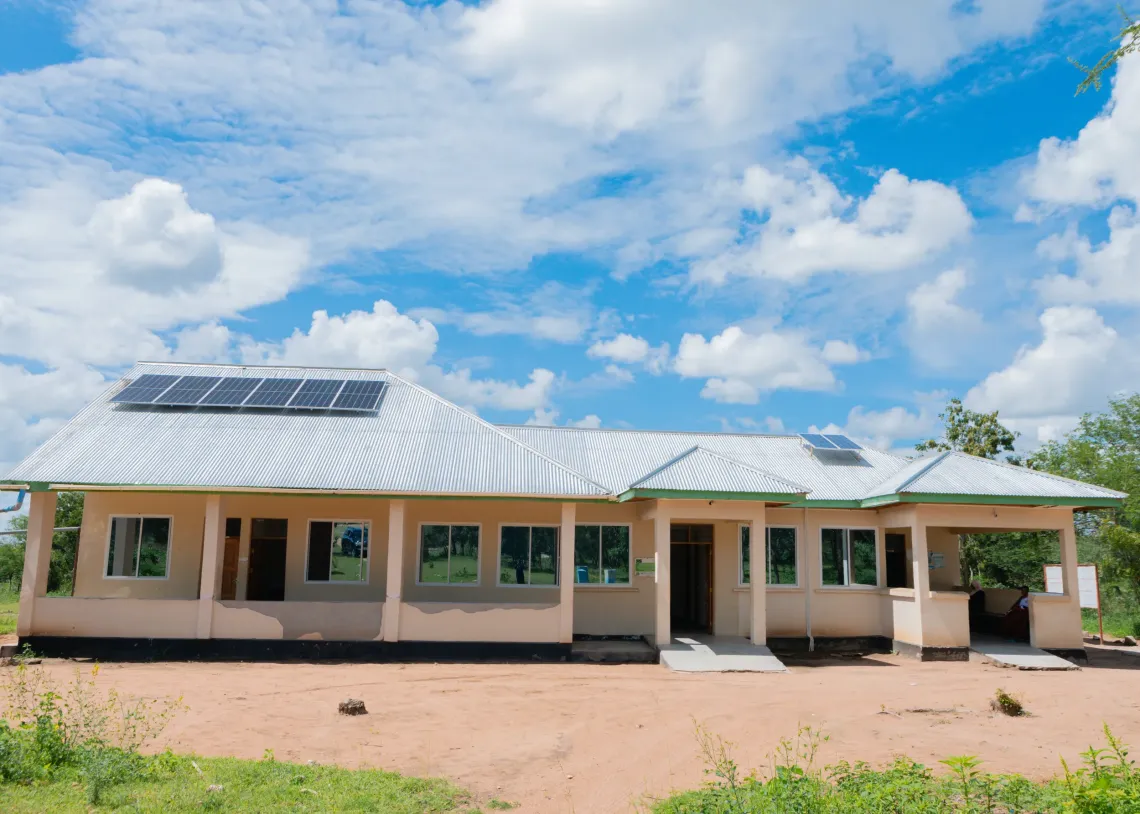
Health facility in Kishapu District. Health facility in Kishapu District.
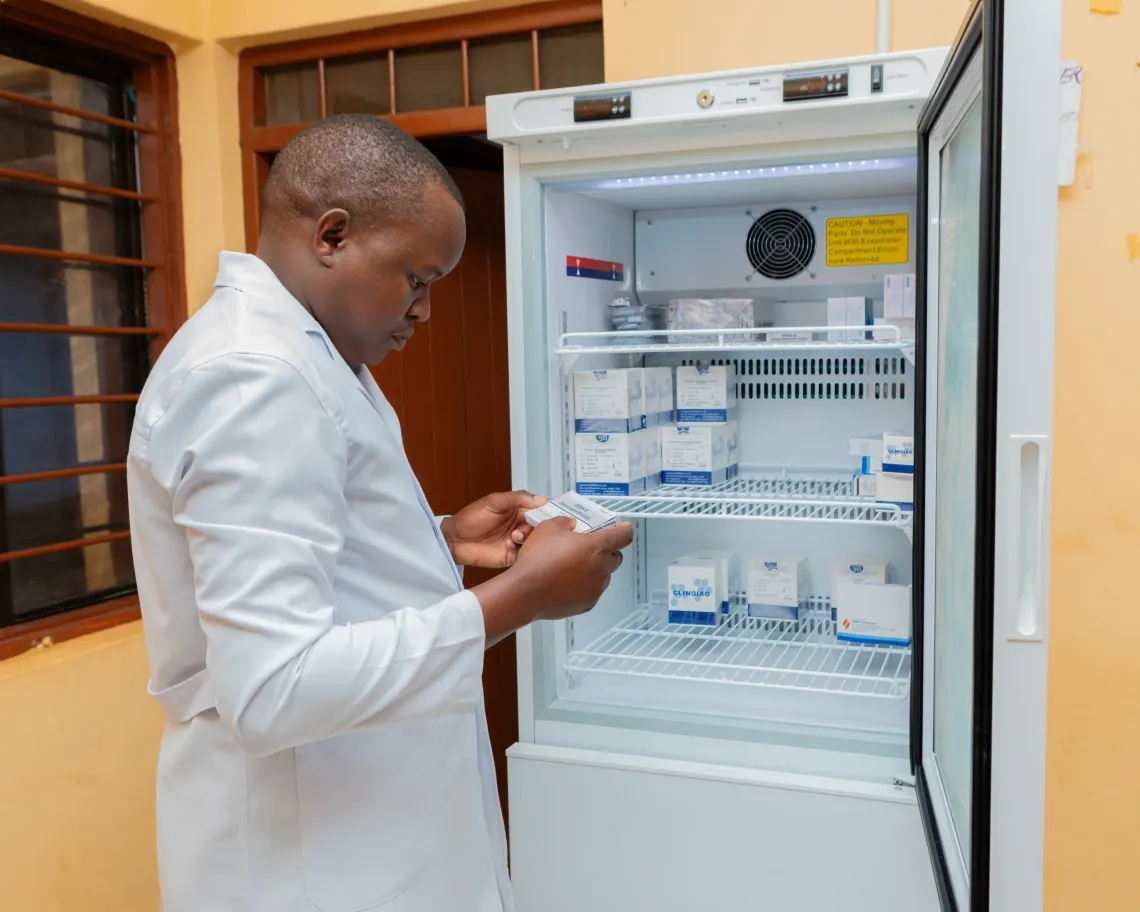
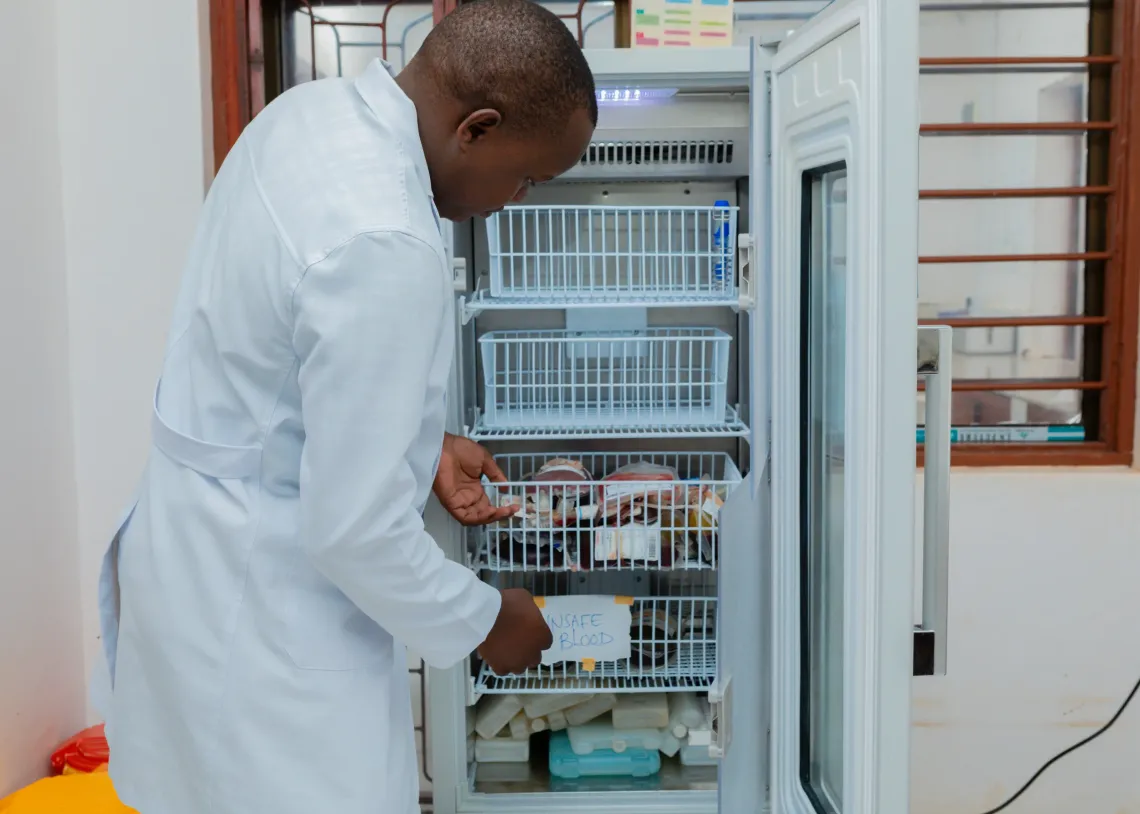
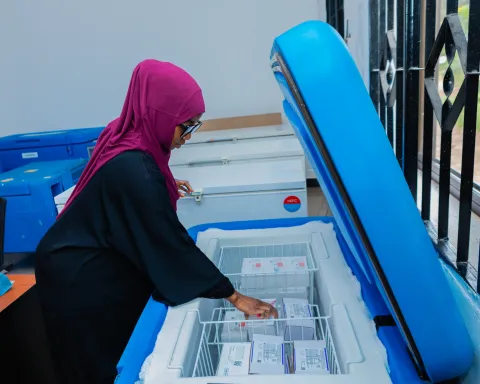
Studio 19 Dr Yohana Charles Iganyenga checks vaccines and blood supplies stored in temperature-controlled refrigerators at a health facility in Kishapu District.
Solar panel fixtures installed through the support from the Government of the Republic of Korea Solar panel fixtures installed through the support from the Government of the Republic of Korea
Studio 19
Dr Yohana Charles Iganyenga checks vaccines and blood supplies stored in temperature-controlled refrigerators at a health facility in Kishapu District. Dr Yohana Charles Iganyenga checks vaccines and blood supplies stored in temperature-controlled refrigerators at a health facility in Kishapu District.
Studio 19 Dr Yohana Charles Iganyenga checks vaccines and blood supplies stored in temperature-controlled refrigerators at a health facility in Kishapu District.
Dr Yohana Charles Iganyenga checks vaccines and blood supplies stored in temperature-controlled refrigerators at a health facility in Kishapu District. Dr Yohana Charles Iganyenga checks vaccines and blood supplies stored in temperature-controlled refrigerators at a health facility in Kishapu District.
Studio 19 Dr Yohana Charles Iganyenga checks vaccines and blood supplies stored in temperature-controlled refrigerators at a health facility in Kishapu District.

For some facilities, solar energy is no longer just a backup, it is their primary and only reliable source of electricity.

“Now, when I walk into the maternity ward at night, I pause not out of fear, but out of relief. The room is bright. The equipment is running. I can focus on saving lives, not fighting the darkness.”

Lights remain on throughout the facility. Oxygen concentrators hum steadily. And across the facility, the cold chain remains intact, protecting life-saving vaccines for children.

Now pregnant with her second child, Ray walks back into the same facility but into a completely different reality.

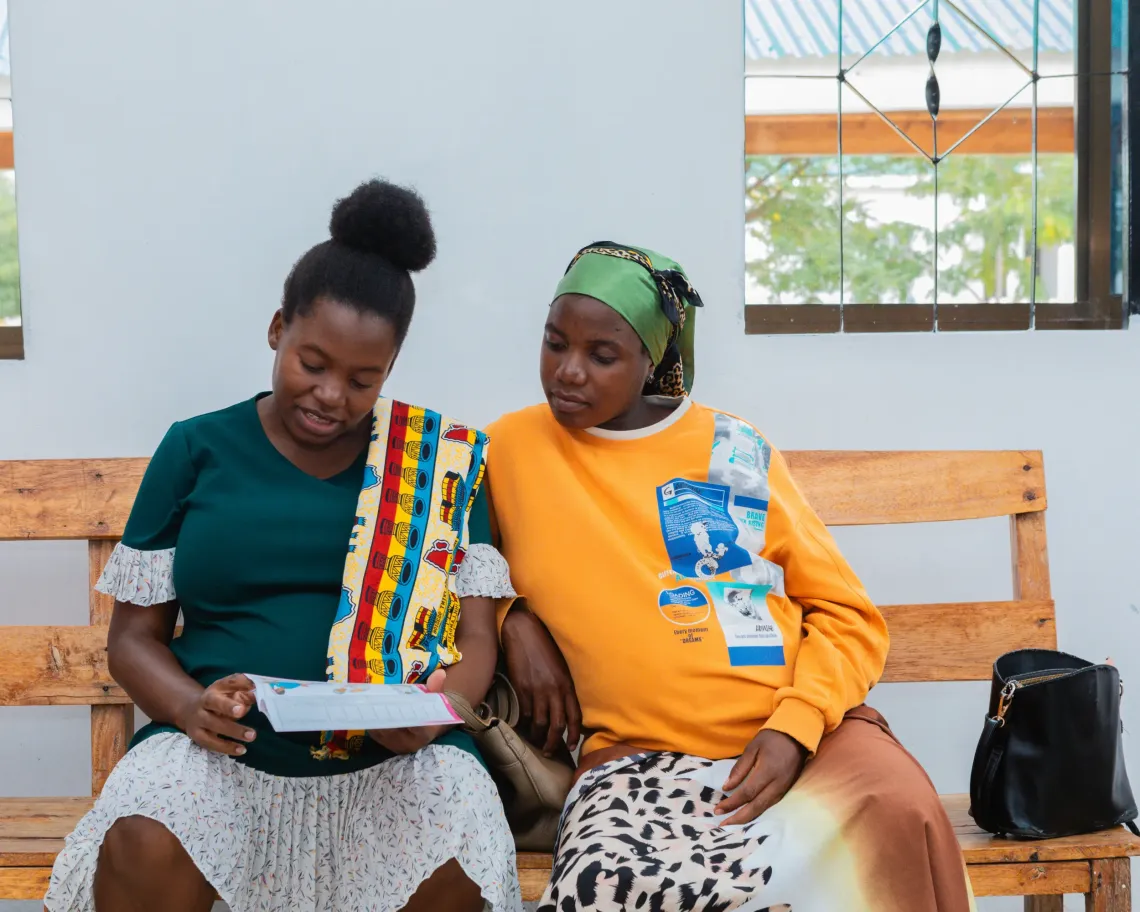
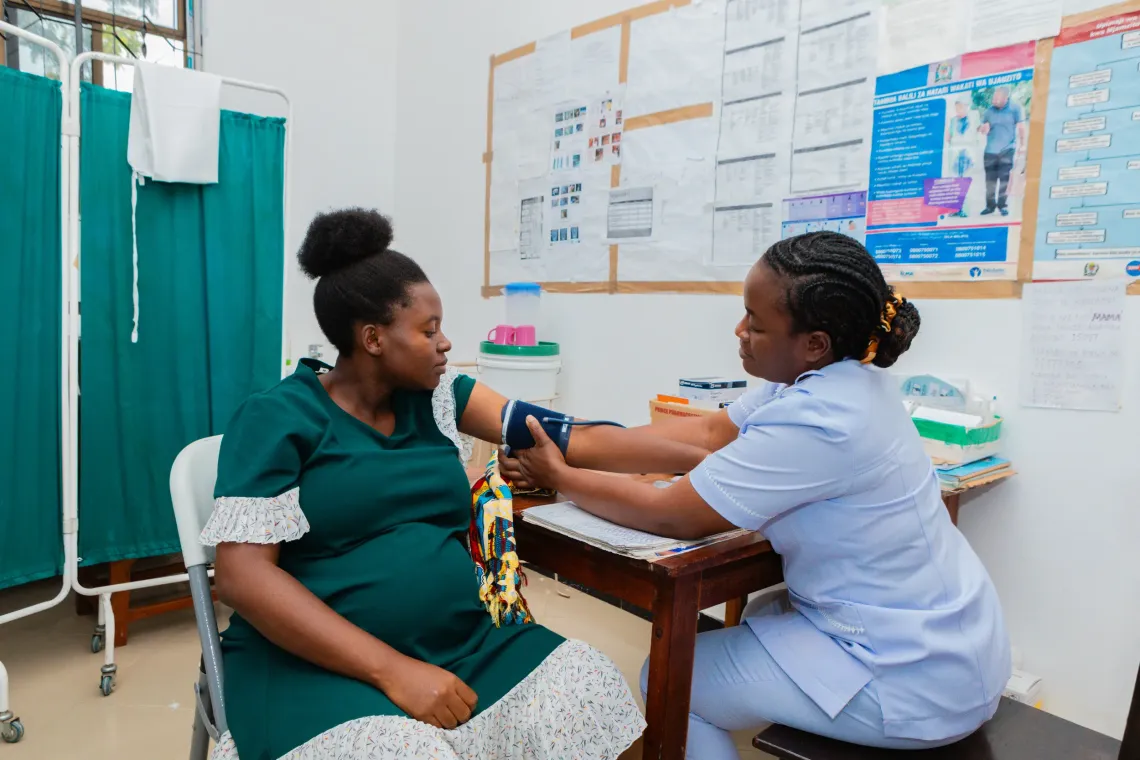
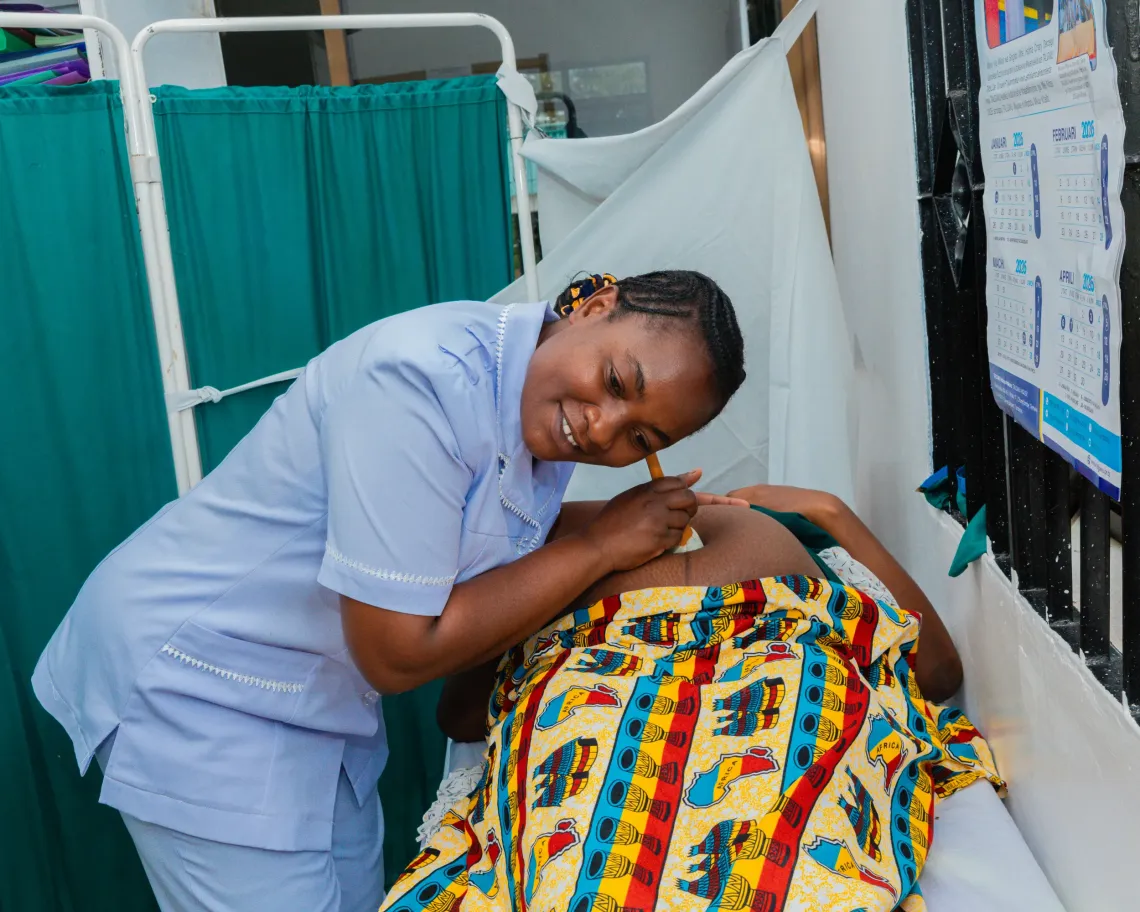
Ray Kimeme walks to her local health facility in Kishapu District, where she is receiving antenatal care during her second pregnancy. With reliable solar-powered electricity, the facility is now equipped to provide safe, consistent care. Ray Kimeme walks to her local health facility in Kishapu District, where she is receiving antenatal care during her second pregnancy. With reliable solar-powered electricity, the facility is now equipped to provide safe, consistent care.
Studio 19 Ray Kimeme at her local health facility in Kishapu District, where she is receiving antenatal care during her second pregnancy. With reliable solar-powered electricity, the facility is now equipped to provide safe, consistent care.
Ray Kimeme at her local health facility in Kishapu District, where she is receiving antenatal care during her second pregnancy. With reliable solar-powered electricity, the facility is now equipped to provide safe, consistent care. Ray Kimeme at her local health facility in Kishapu District, where she is receiving antenatal care during her second pregnancy. With reliable solar-powered electricity, the facility is now equipped to provide safe, consistent care.
Studio 19 Ray Kimeme at her local health facility in Kishapu District, where she is receiving antenatal care during her second pregnancy. With reliable solar-powered electricity, the facility is now equipped to provide safe, consistent care.
Ray David Kimeme at her local health facility in Kishapu District, where she is receiving antenatal care during her second pregnancy. With reliable solar-powered electricity, the facility is now equipped to provide safe, consistent care. Ray David Kimeme at her local health facility in Kishapu District, where she is receiving antenatal care during her second pregnancy. With reliable solar-powered electricity, the facility is now equipped to provide safe, consistent care.
Studio 19 Ray Kimeme at her local health facility in Kishapu District, where she is receiving antenatal care during her second pregnancy. With reliable solar-powered electricity, the facility is now equipped to provide safe, consistent care.

“When I came back, everything had changed,” she says. “The rooms were bright. The equipment was running. The nurses were calm and confident.”

What once felt uncertain now feels safe.

“Knowing that the lights will stay on gives me hope,” she says softly. “No other mother should have to give birth the way I did.”

Reliable power is doing more than lighting rooms. It is enabling safe deliveries, protecting life-saving vaccines for children, and strengthening care for every mother and every child.

“I know my next delivery will be safer, and I know my child will be protected,” Ray says, smiling as she rests a hand on her belly.

When the lights stay on, so does the promise of care, for every mother, and for every child.