Tanzanian youth lead climate action ahead of COP30
“We are not just the future — we are the now”

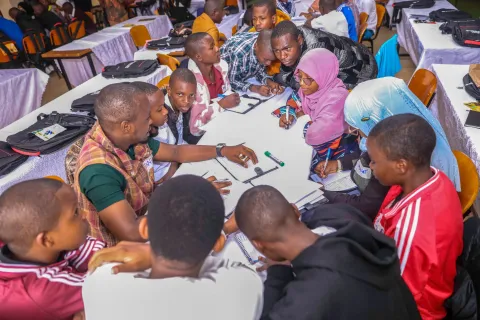
In August and September 2025, Tanzania experienced a powerful wave of youth-led climate activism, with over 450 young people gathering at two landmark events: the Pre-COP30 National Youth Forum in Dar es Salaam and the Local Conference of Youth (LCOY) 2025 in Arusha. These created spaces where ideas became action, and voices became declarations.
Organized by the Climate Action Circle —a consortium of over 55 youth-led climate organizations and Regen Action under the auspices of YOUNGO which is the official children and youth constituency of the United Nations Framework Convention on Climate Change (UNFCCC) —the forums brought together children and youth from every region of Tanzania, including Zanzibar, to learn, innovate, and advocate.
With support from the government, UNICEF, Save the Children, and other UN agencies, the events equipped young people with negotiation skills, knowledge of green technologies, and a deeper understanding of UNFCCC processes as the principal global treaty for coordinating international responses to climate change. Participants were introduced to climate governance structures, negotiation literacy and Tanzania’s role in African Group of Negotiators (AGN) at the Conference of the Parties otherwise known as COP30 that strengthens the continent's unified voice and strategic leverage on global climate negotiations.
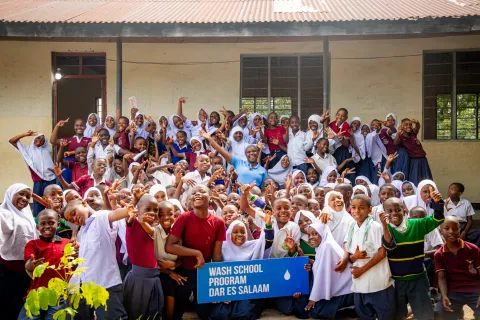
In Dar es Salaam, a 14-year-old climate activist Sharon Ringo emphasized the role of children and young people in addressing climate challenges. “I urge leaders to put children at the heart of climate action and listen to our voices. We have something powerful to contribute. We are not too young to lead, and we are not too small to make a difference. We want COP 30 to be a turning point, and we must demand climate justice that includes children, girls and marginalized communities.”
According to UNICEF’s Children’s Climate Risk Index, Tanzania ranks 40th out of 163 countries, placing children at ‘high risk’. This ranking reflects the multiple ways climate change is disrupting their lives, through disease outbreaks, malnutrition, educational disruptions, and heightened vulnerability to child labour, child marriage, and conflict over resources. These combined impacts threaten their development, protection, and overall wellbeing.
“Too often, national climate strategies overlook children and young people, grouping them under broad categories that dilute their unique needs,” said Elke Wisch, UNICEF Representative to Tanzania, at the forum. “We must change that by engaging them in shaping policies like NDC 3.0* and the National Adaptation Plan, supporting platforms such as the Climate Action Circle that amplify their voices, and ensuring climate budgets dedicate resources to children’s priorities with data to track progress.”

In Arusha, James Magesa, Executive Director of Regen Action and LCOY 2025 Focal Point, opened the conference with a powerful message: “We come together not just as individuals, but as a collective voice of young people determined to shape a future where climate justice, equity, and sustainability are at the heart of our societies.”
From breakout sessions on climate finance and AI-driven adaptation to exhibitions of youth-led innovations in aquaculture and clean energy, the forums showcased the ingenuity and urgency of Tanzanian youth. A highlight was the Youth Innovation Showcase, where six young entrepreneurs presented climate-smart solutions to their peers, policymakers, and partners.
Joelina Daniel, a 12-year-old student from St Judes Schools and a leader of the school environmental club- Malihali club-expressed children’s involvement in climate discussions: “We are not just the leaders of tomorrow — we are leaders of today. COP30 must hear us loud and clear.”

“This forum gave me the confidence to speak directly to policymakers. I now understand how climate negotiations work and how I can contribute to shaping decisions that affect my community,” added Hassan Said, 19, a youth delegate from Mbeya who attended the Arusha forum.
The Vice President’s Office (VPO) represented by Timotheo Mande, VPO’s Chief Forest Officer, reaffirmed its support for youth engagement in climate action. “You embody the innovation, energy, and determination necessary to drive climate resilience. We are committed to working hand in hand with young people to secure a just and sustainable future for Tanzania,” he said.
The forums culminated in the drafting of the joint National Youth Climate Declaration, a bold roadmap that will inform Tanzania’s position at COP30 in Brazil. The declaration calls for increased investment in green skills and youth-led innovation, as well as youth inclusion in climate budgeting and policymaking. It also supports child-sensitive climate adaptation strategies and encourages participation in global youth networks and COP30 side events.
As the world prepares for COP30, Tanzanian youth are not waiting to be invited — they are claiming their seat at the table. Through the Climate Action Circle, they are building a permanent mechanism for mobilization, advocacy, and accountability.
As Nasra Mohamed, a UNICEF Youth Advocate from Zanzibar, put it during the Dar es Salaam forum: “This is more than a conference, it’s a movement. We are building a climate-resilient Tanzania, one idea, one voice, one action at a time,”
*NDC 3.0 is Tanzania’s next climate action plan under the Paris Agreement — the third cycle of Nationally Determined Contributions, where the country commits to reducing greenhouse gas emissions and strengthening resilience to protect people and the planet from climate change.