Restoring safe water for families and children in Dar'a
UNICEF is rehabilitating critical water infrastructure to help communities access safe drinking water and reduce the risk of waterborne diseases

Kahil, Dar’a, Syria- For years, severe water shortages across Dar'a Governorate have left thousands of families struggling to access safe and affordable drinking water. Repeated crises, low rainfall and damaged infrastructure have forced many households to rely on costly water trucking, placing an additional burden on already vulnerable families.
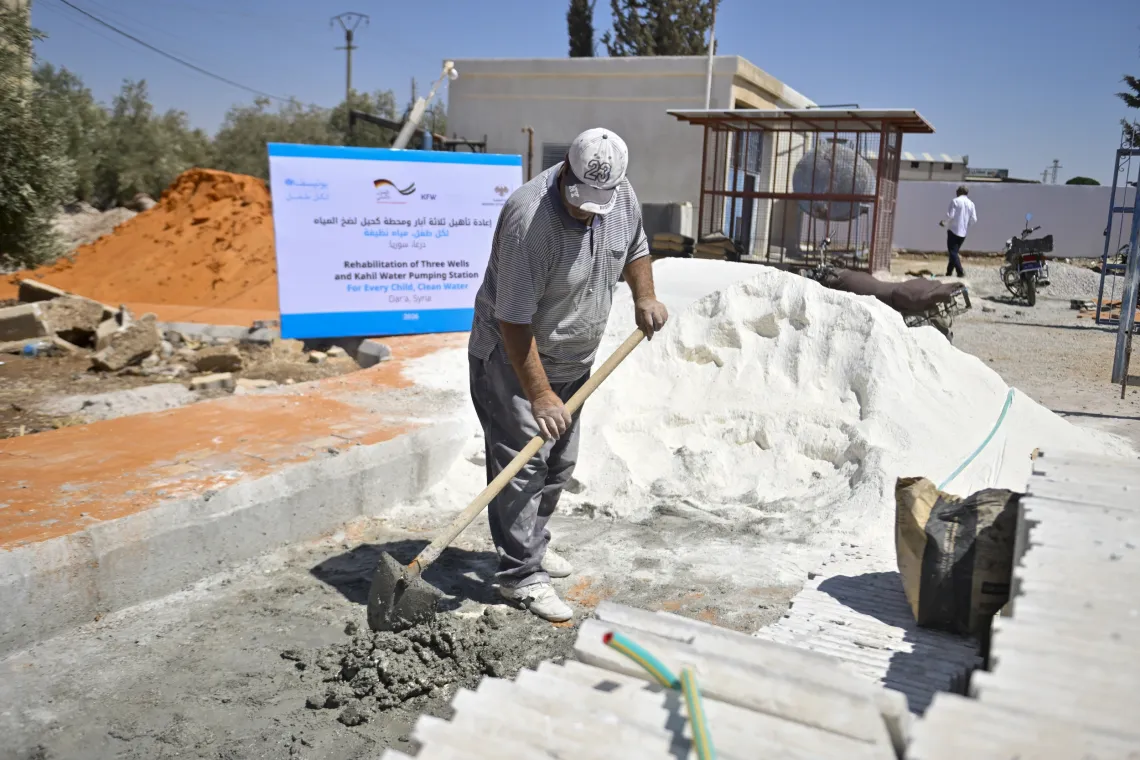
To help restore reliable access to safe water, UNICEF in partnership with the German Government through KfW Development Bank, is supporting the General Establishment for Drinking Water in Dar'a to rehabilitate the Kahil Irwa' Busra pumping station, its auxiliary station in Sahwa and three affiliated boreholes.
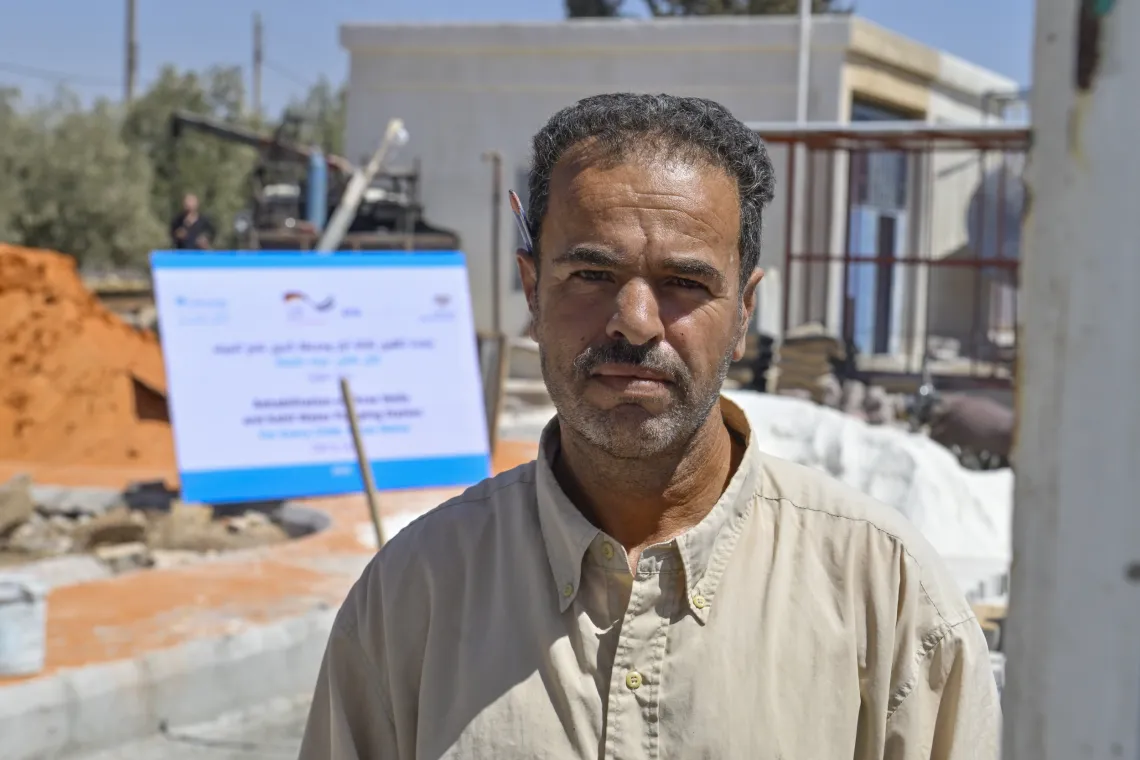
“Buying water can cost up to 150,000 SP per tank, that’s a huge financial burden for a large family like ours. We have to limit our water use every day. When we need to buy extra water, it becomes harder to afford other essentials. “As a father, providing for my family is my responsibility. If I don’t work every day, no one else can support them.”
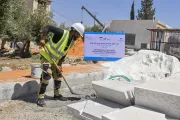
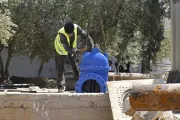
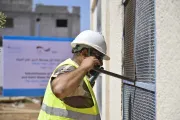
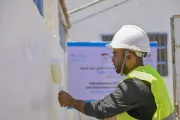
Out of service since 2012, the Kahil pumping station is undergoing extensive rehabilitation, including the installation of new pumping equipment, electrical systems and water disinfection units, alongside the restoration of key infrastructure. Once completed, water from the rehabilitated wells will be pumped to the auxiliary station in Sahwa and then distributed to surrounding communities, including Busra Esh-Sham, Moraba and Jasim.
"The population suffers from water shortages due to the disruption of the water supply project, and some communities relied entirely on it. This intervention will help address part of the crisis and improve access to water for thousands of people."
Reliable water services are becoming more critical as families continue to return to their communities. "Returnees now account for about 20 to 30 per cent of the population, placing additional pressure on the water network," Engineer explained. "Rehabilitating water stations and wells is essential to meet growing needs."
“I returned from Jordan hoping for stability, but water scarcity was one of the first challenges I faced. Rebuilding a home is hard enough; worrying about water every day makes it even harder.”
Once fully operational, the rehabilitated water system will provide up to 1,680 cubic metres of safe drinking water per day, increasing water availability to approximately 23 litres per person per day. More than 70,600 people across Busra Esh-Sham, Moraba, Jasim and Sahwa are going to benefit from improved access to safe and reliable water services.
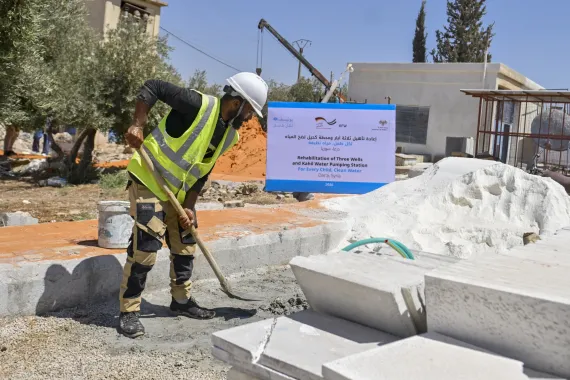
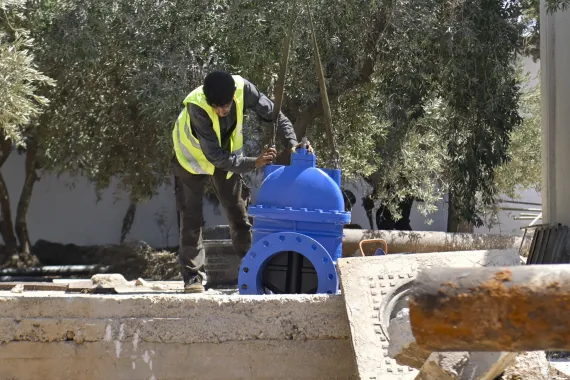
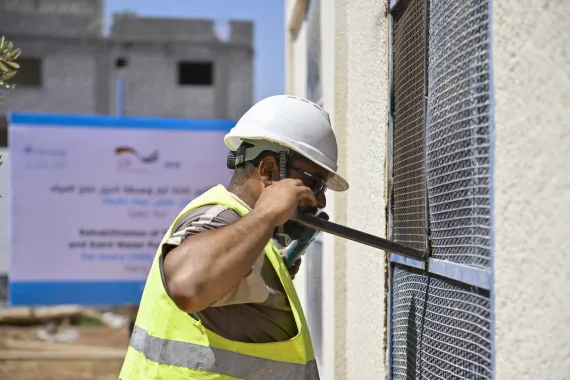
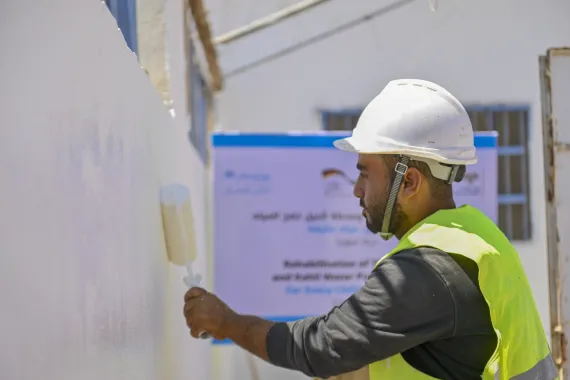
Through investments in critical water infrastructure, UNICEF and partners are helping communities restore essential services, reduce reliance on costly alternatives coping and ensure that children and families have access to the safe water they need to survive and thrive.
Since January 2026, together the German Government through KfW and UNICEF provided more than half a million people with access to safe drinking water and enabled nearly 500,000 people to benefit from improved sanitation and wastewater services across Syria.