Rehabilitated clinic brings life-saving health and nutrition services closer to remote areas
UNICEF helps to restore damaged clinics and increases families’ access to reliable healthcare services

“People were seeking alternative options funded and run by the private sector or local charities.”
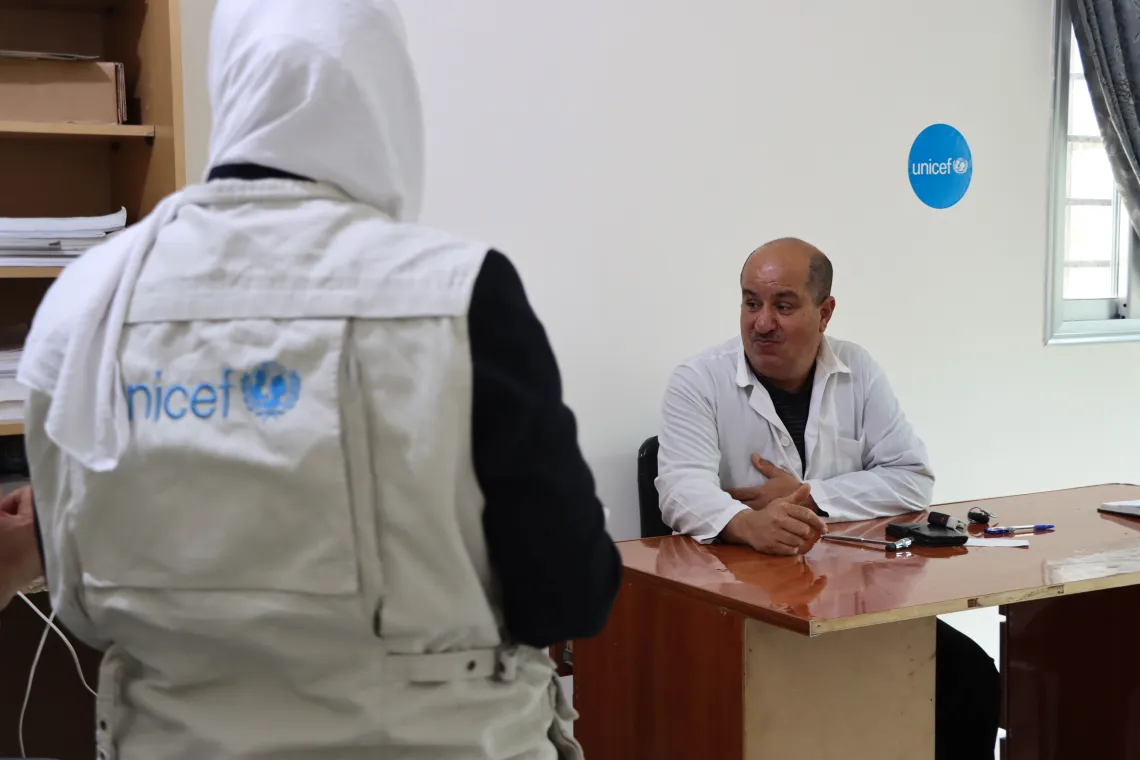
Taldahab, rural Homs, Syria: “This clinic was in dire straits. There were no windows and people didn’t want to come during winter,” said Luay Haifa. The 50-year-old is the head of the clinic in Taldahab town located northwest of rural Homs.
The clinic was badly damaged during the conflict, and it closed in 2011. With respite in fighting, the clinic reopened but only in very modest capacity in 2018. Many families were not keen on using it because the poor service and limited equipment. “People were seeking alternative options funded and run by the private sector or local charities,” explained Luay.
In February 2023, UNICEF stepped in and provided support to rehabilitate the damaged health centre. The support included installing an electrical solar system, water storage tanks and a water pump. Additionally, the dysfunctional water facilities were fully serviced, new windows were installed, and the damaged floors were fixed.
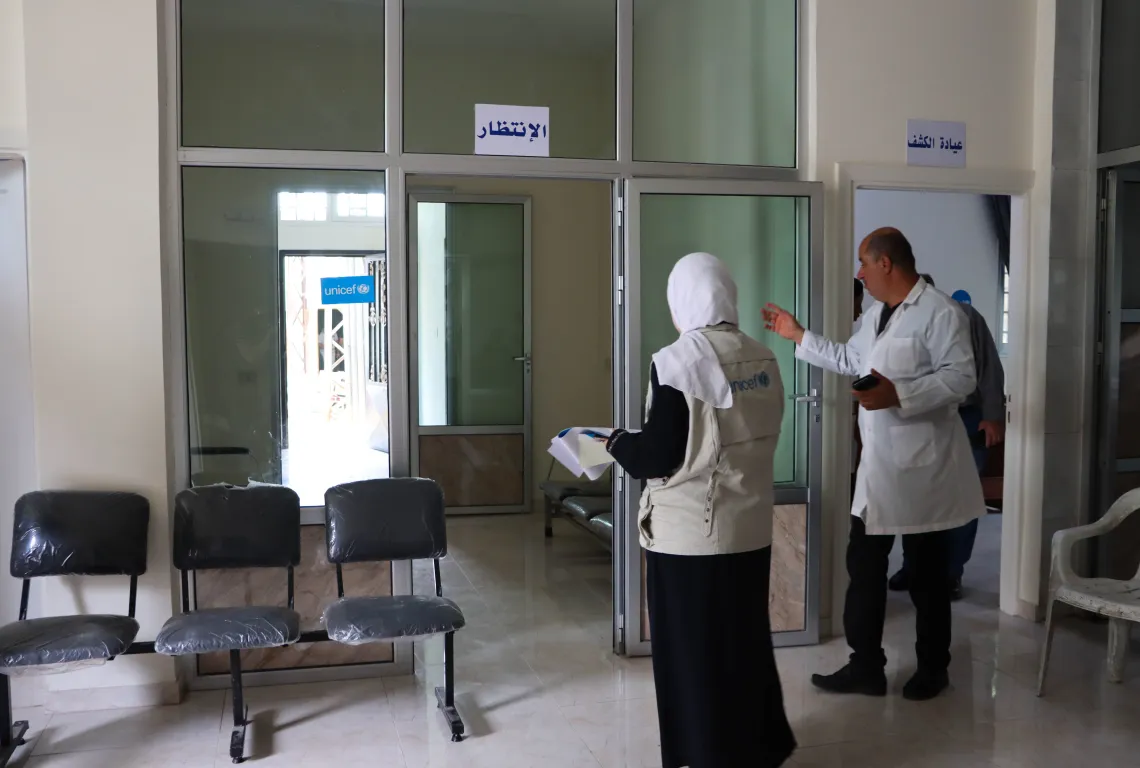
Within three months, the rehabilitation works were accomplished, and the clinic opened in full capacity in May 2023. Currently, the clinic serves four communities in the area, reaching 25,000 people.
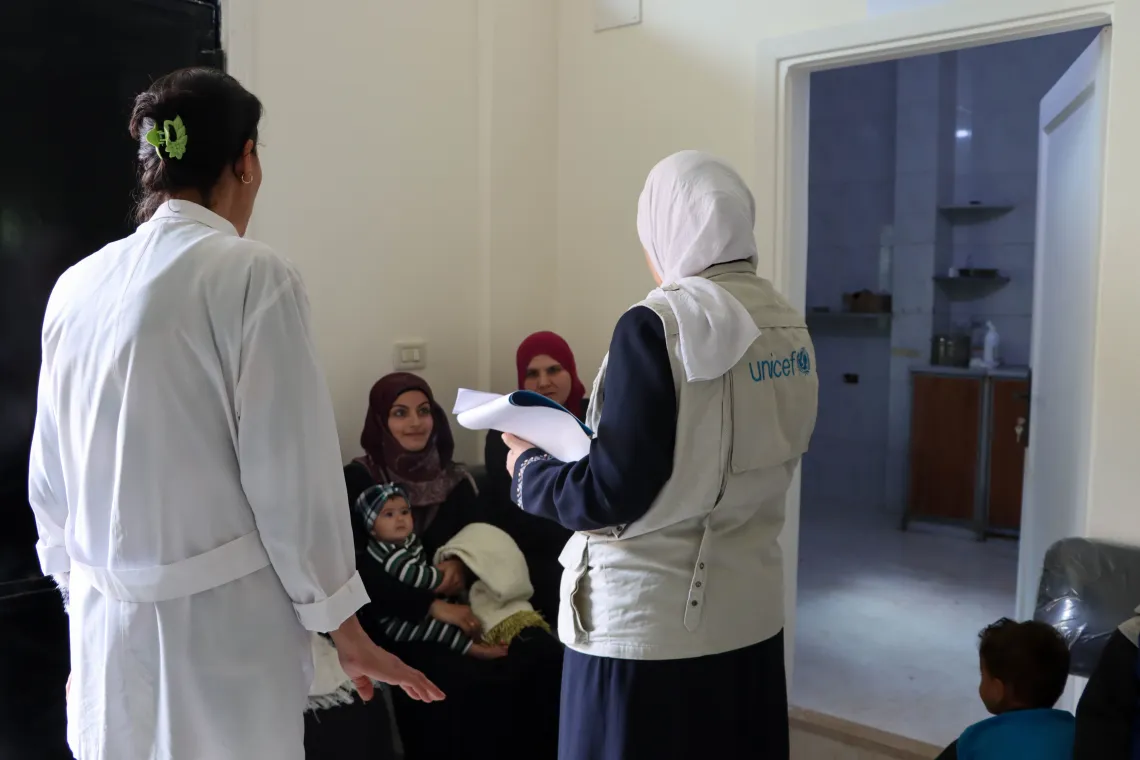
“The clinic is accessible, and it offers the basic health and nutrition services for free.”
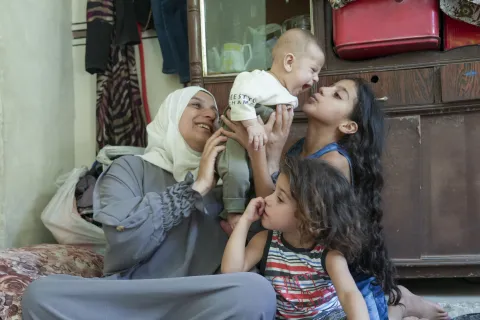
The benefits the clinic offers to the vulnerable families in the community are clear to Luay. “Families here can barely cover their daily needs. Taking children to a private clinic or travelling to a hospital, offering services free of charge, will certainly increase their financial struggles,” he added.
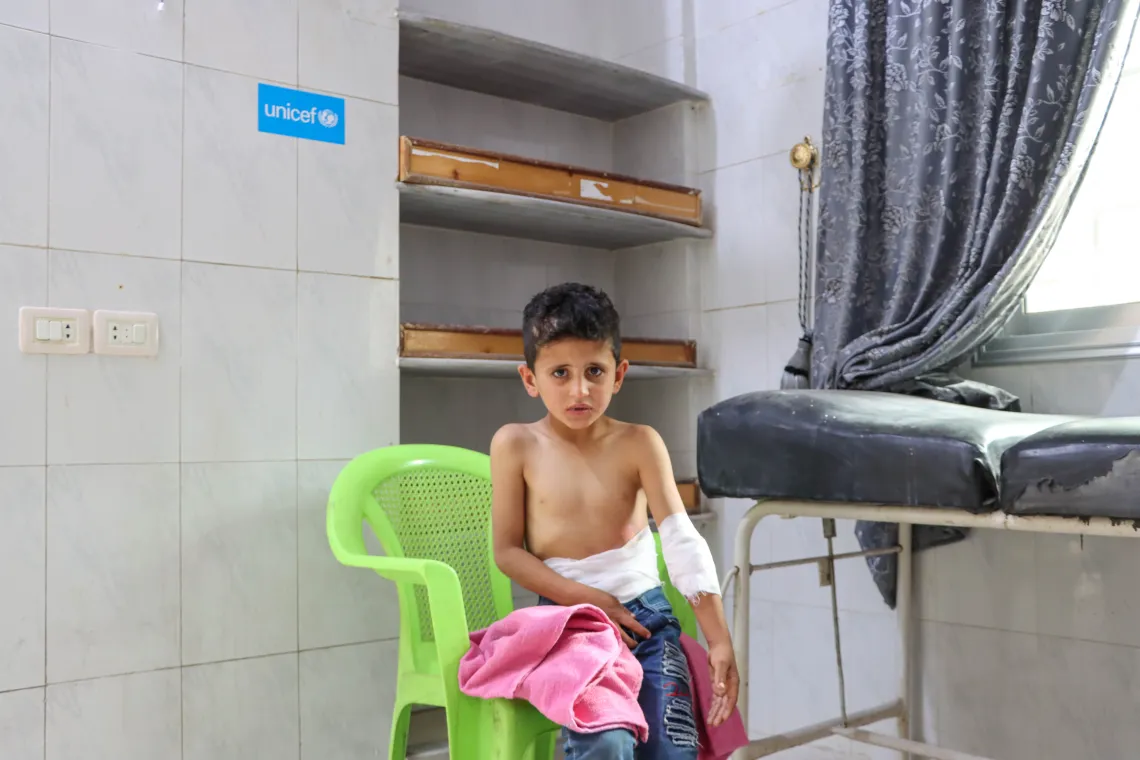
“In this area, many women in child-bearing age struggle with anaemia and children’s vaccination rate are low,” said Hala Bediwi, UNICEF Health and Nutrition officer.
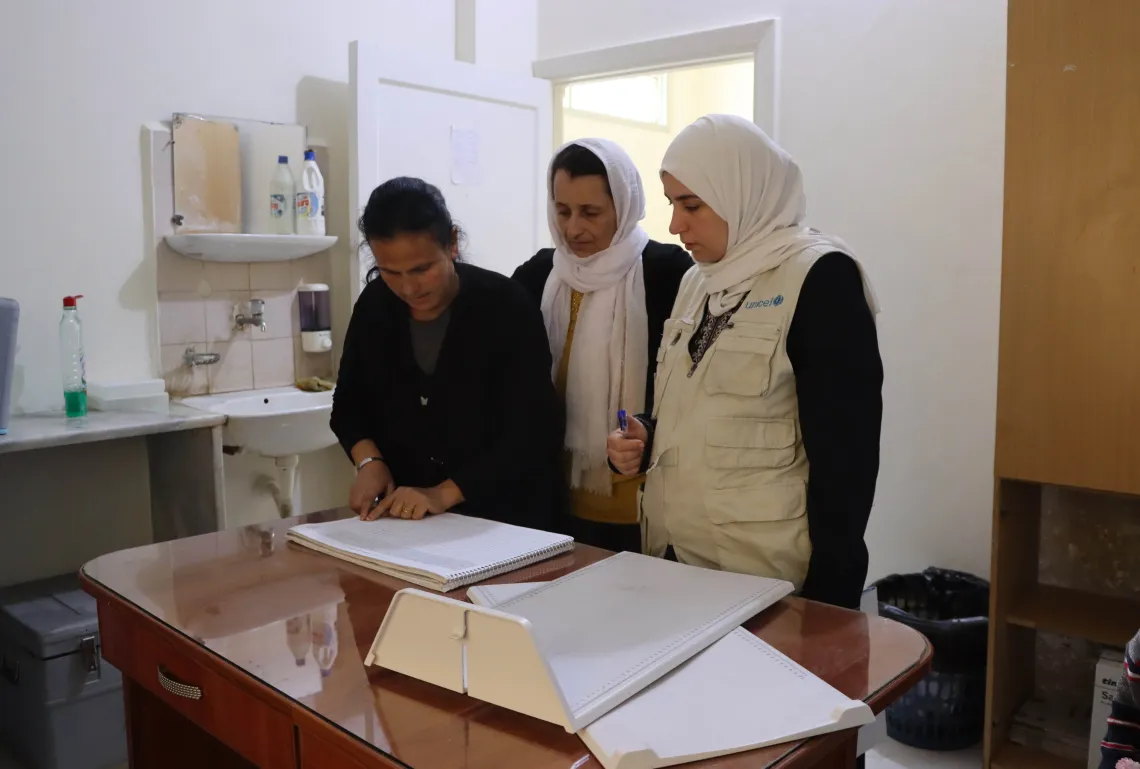
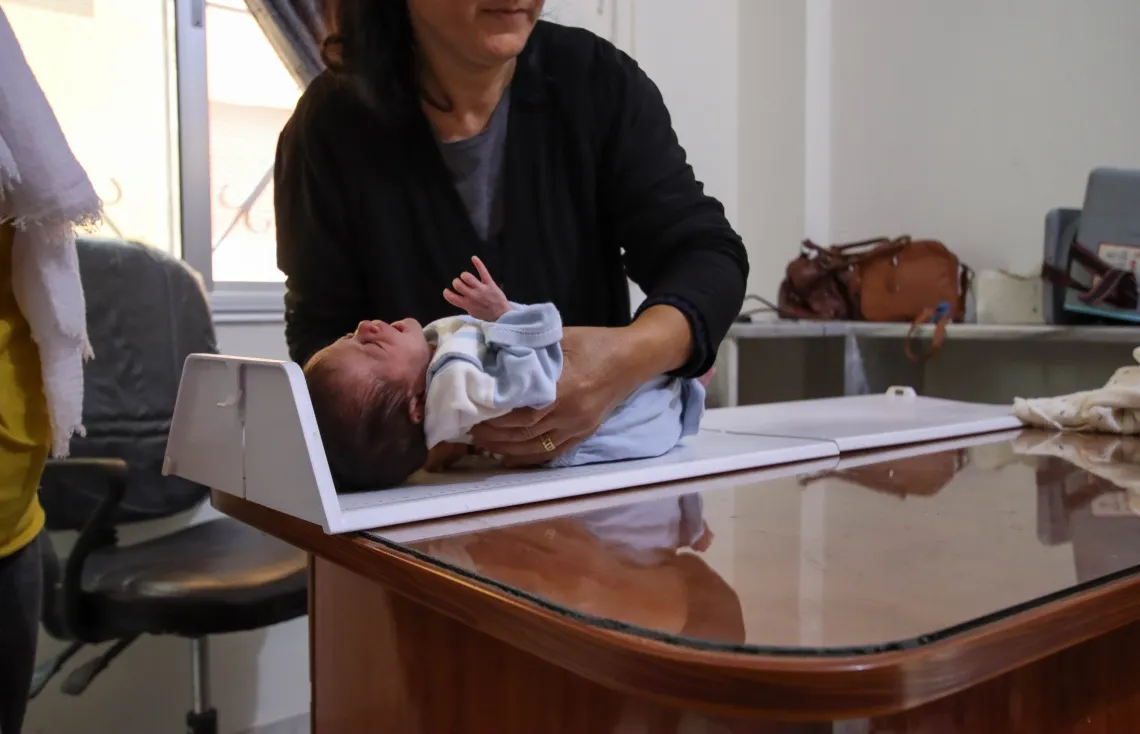
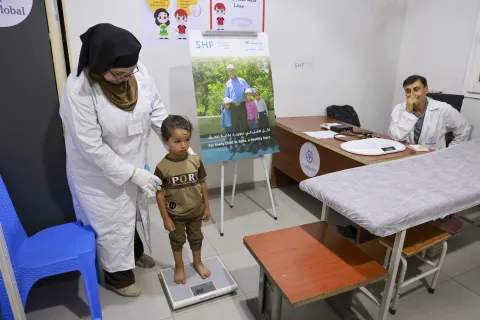
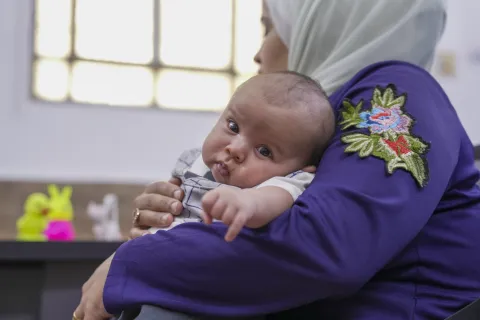
After the rehabilitation, the clinic is providing a set of health and nutrition services including laboratory services, primary health consultations, routine vaccination for children, COVID-19 vaccination, nutrition care services, infant and young child feeding counselling for mothers, dental services, nebulizer treatment, ambulatory and reproductive services.
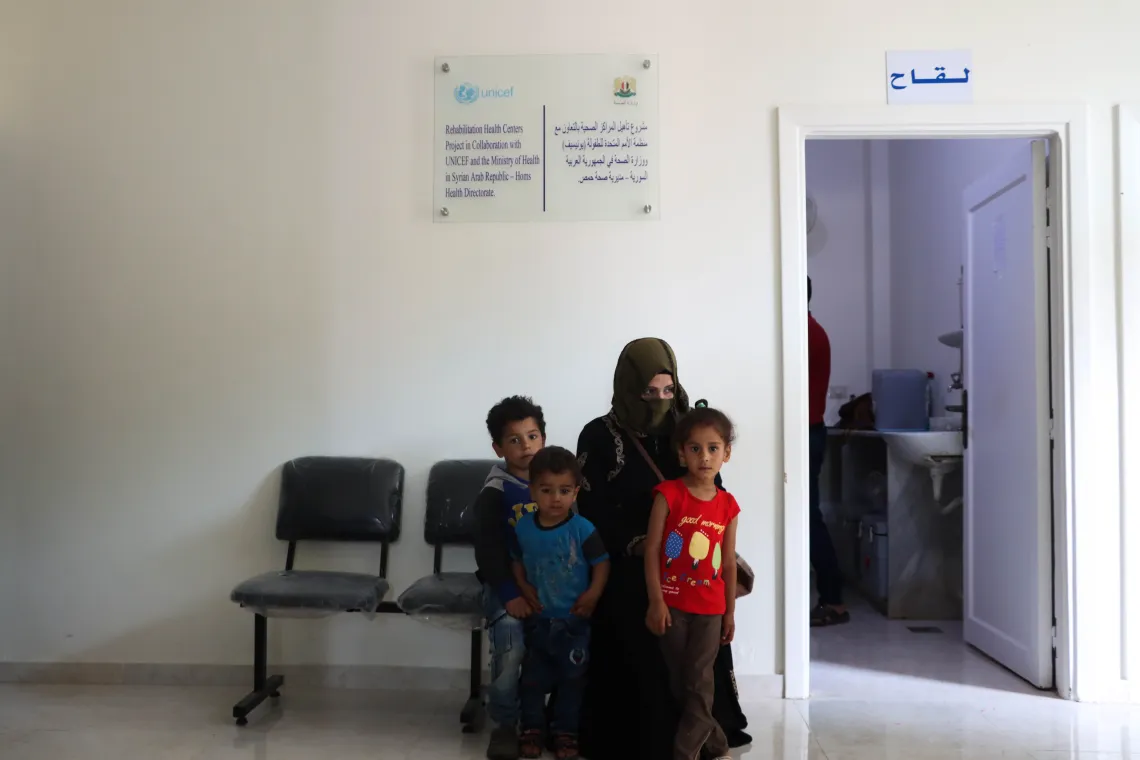
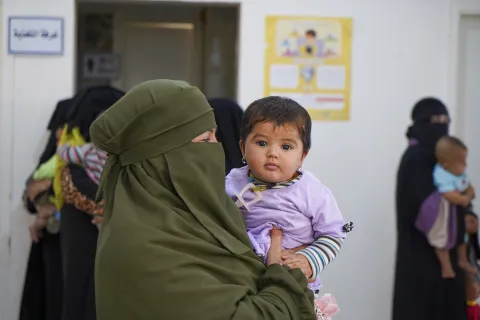
“We like to come here,” explained a man who regularly visits the clinic with his pregnant wife and three children. “The services are very good. With the solar system, there is electricity, and I can bring my pregnant wife and my children here to do the laboratory tests instead of trying to find private laboratories for these services,” he noted.
“This is exactly what we need - a health service provider close by. We are pleased to have this clinic in our neighbourhood.”
Between January 2022 and May 2023, UNICEF rehabilitated 22 damaged health and nutrition centres across Syria. With these centres, UNICEF reached more than 1 million people and provided them with access to the basic health and nutrition services. Contributions from the Government of Japan and UNICEF’s Global Humanitarian Thematic Fund made these activities possible.