Rebuilding lifelines: Safe water and sanitation services restored in Jibreen
With support of UN Joint Programme, UNICEF restores life-saving water and sanitation services in Aleppo, protecting children’s health and dignity
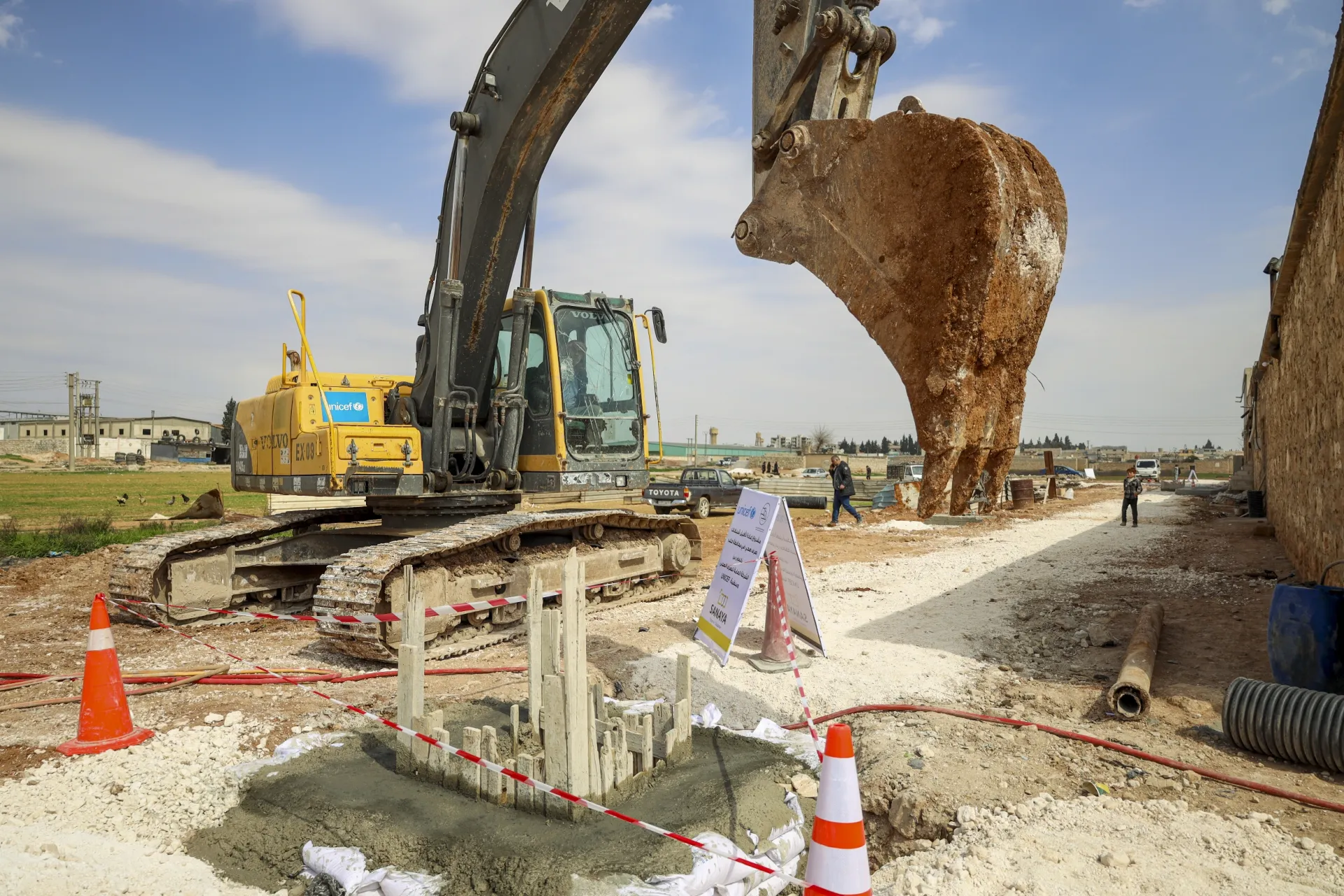
Jibreen, Aleppo Governorate - In Jibreen village, children and families had long been living with damaged and blocked sewage systems, where wastewater accumulated on the surface, posing serious health risks to children and communities and affecting daily life.
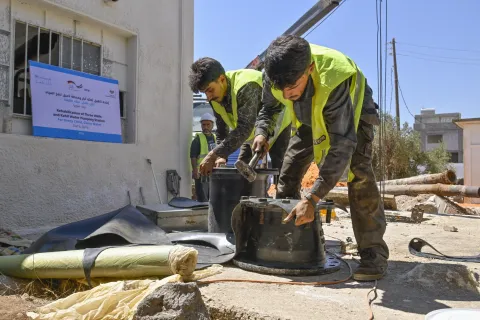
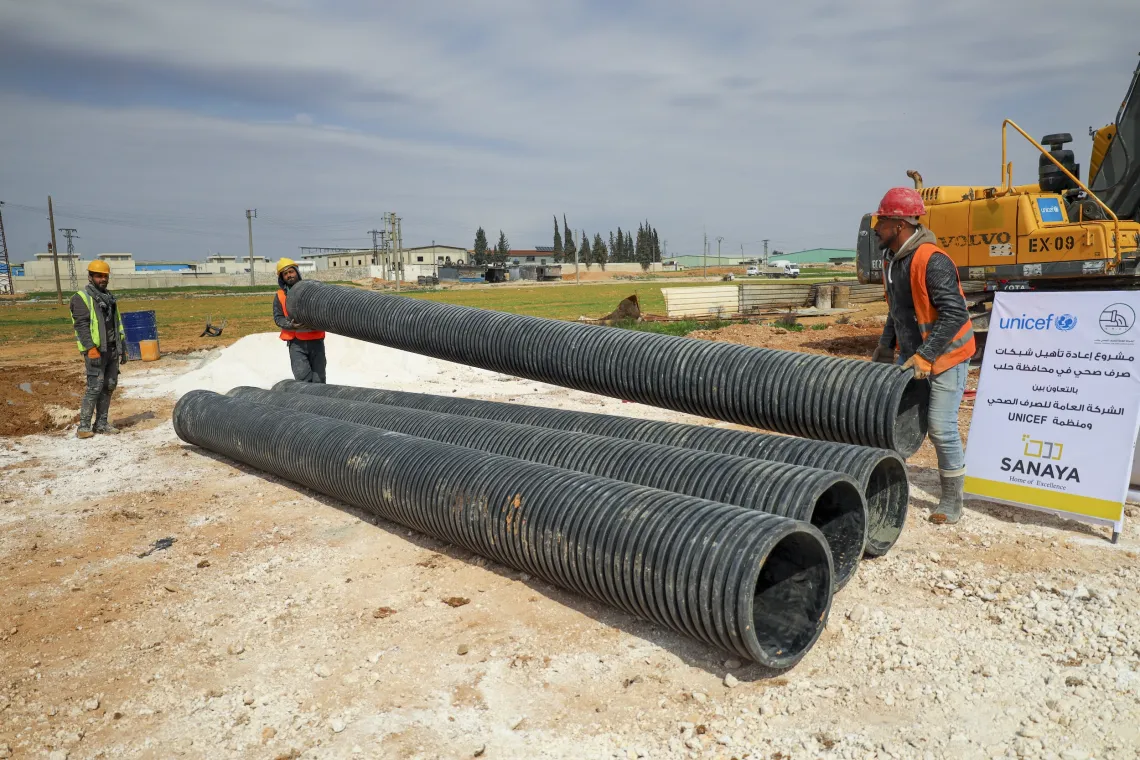
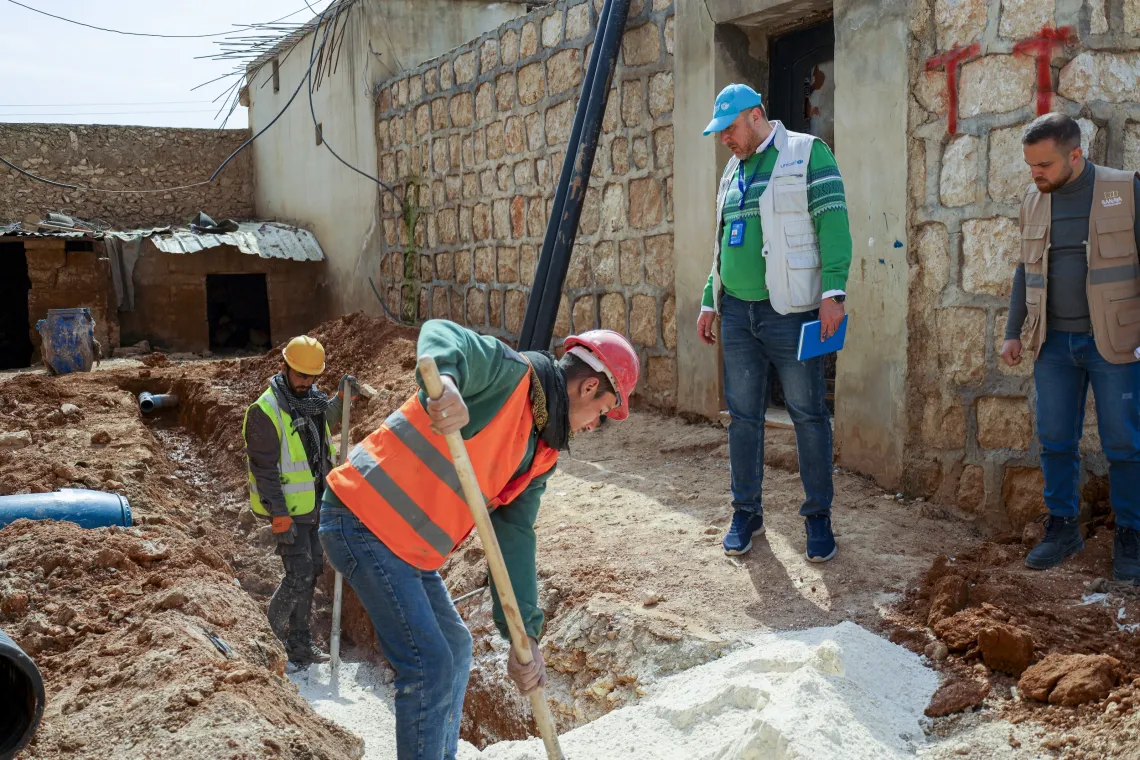
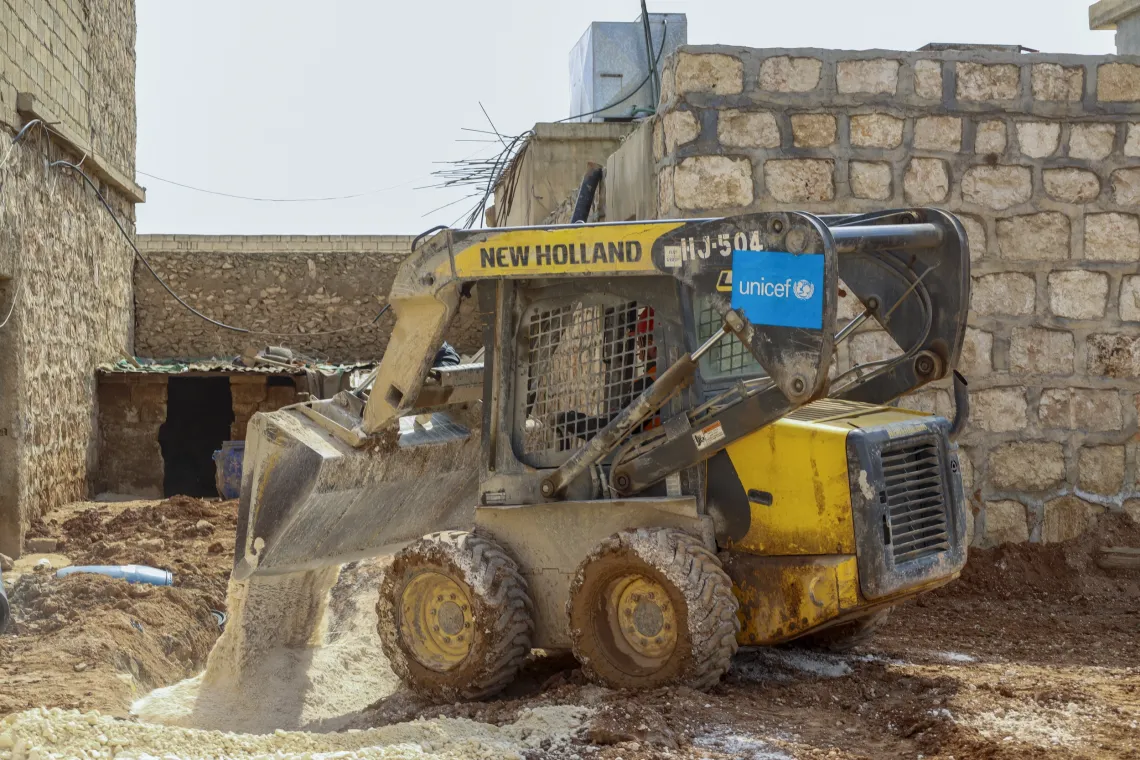
In March 2026, UNICEF, with support from the Governments of Denmark, Italy, Norway, Sweden, and Switzerland under the UN Joint Programme on Urban and Rural Resilience (UNJP), implemented a full rehabilitation and replacement of the sewage network in Jibreen village, rural Aleppo. The area had been struggling with severely damaged and blocked sewage systems due to limited maintenance and years of conflict, resulting in wastewater accumulating on the surface. This posed serious public health risks to families and children, created environmental hazards, and caused persistent unpleasant odors that affected daily life in the community.

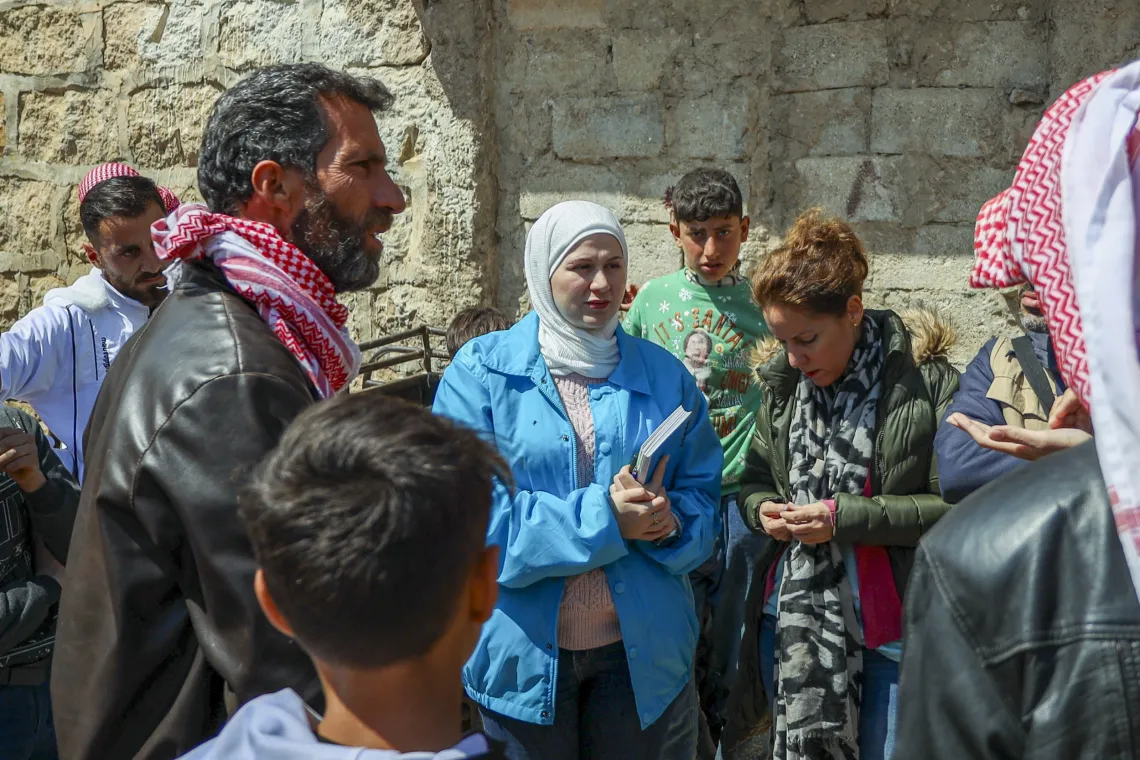

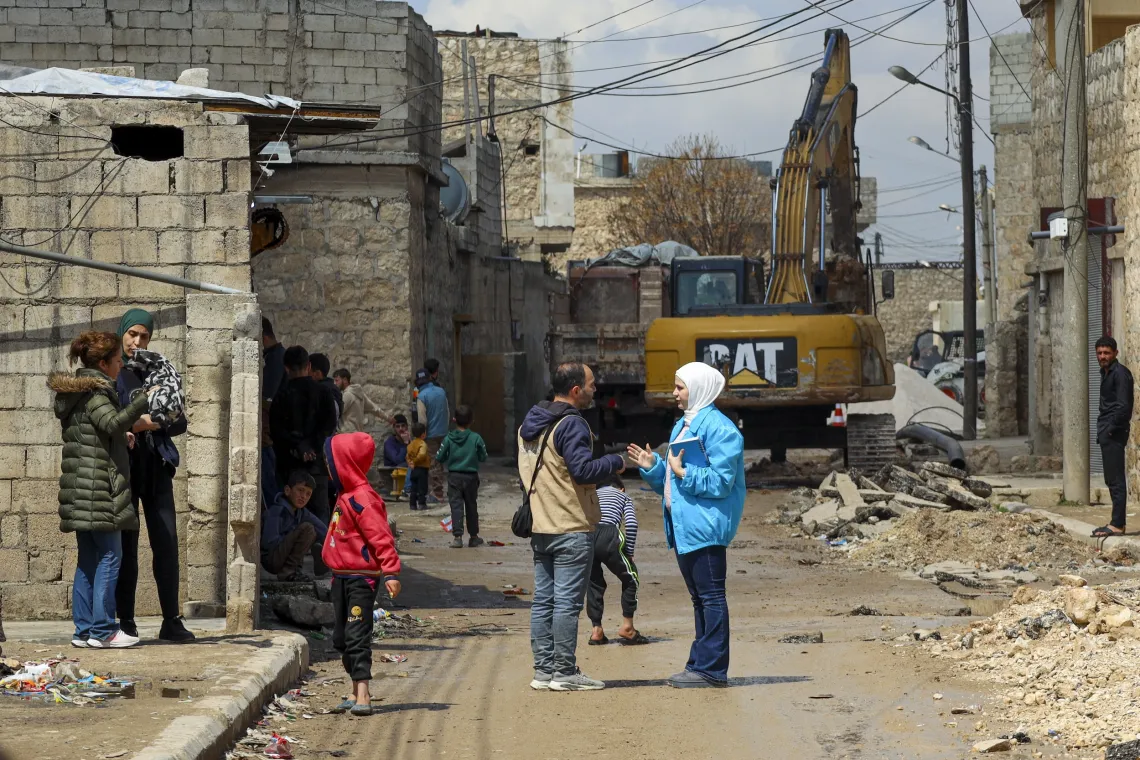

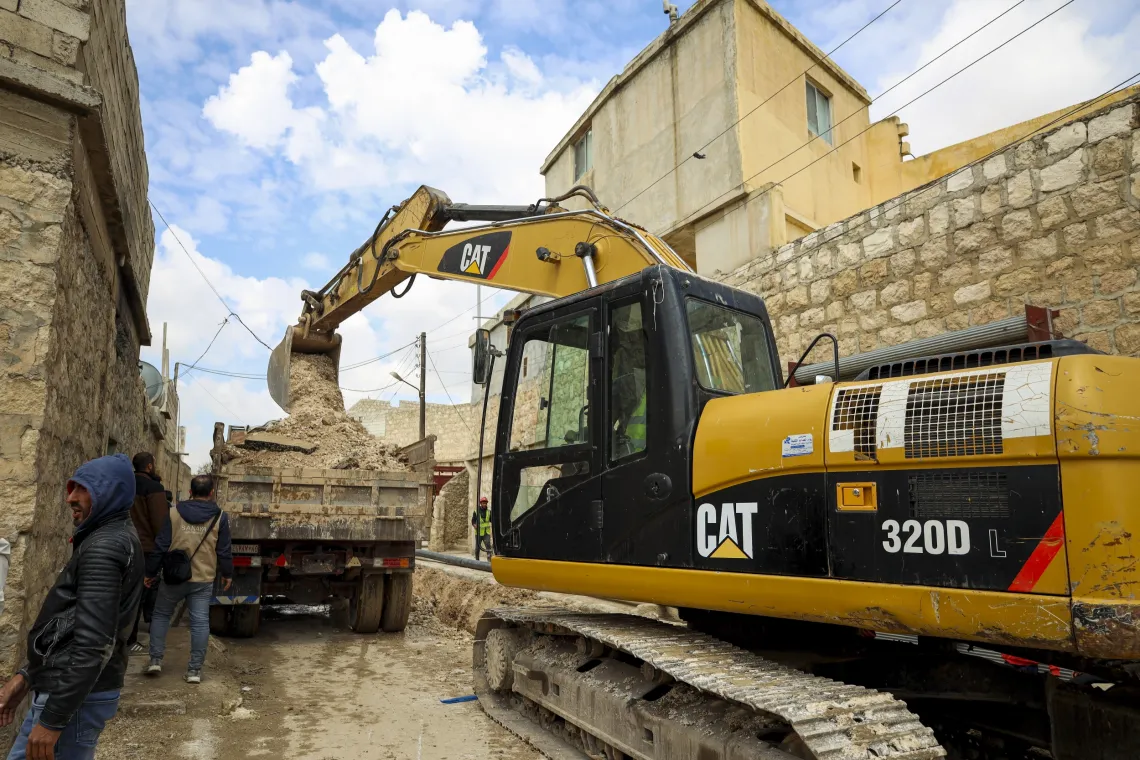
This intervention reached around 500 people, providing 100 families, including children, with access to a safe and functional sanitation network. By restoring this essential service, the project significantly reduces health hazards, improves hygiene conditions, and enhances the overall well-being of community.
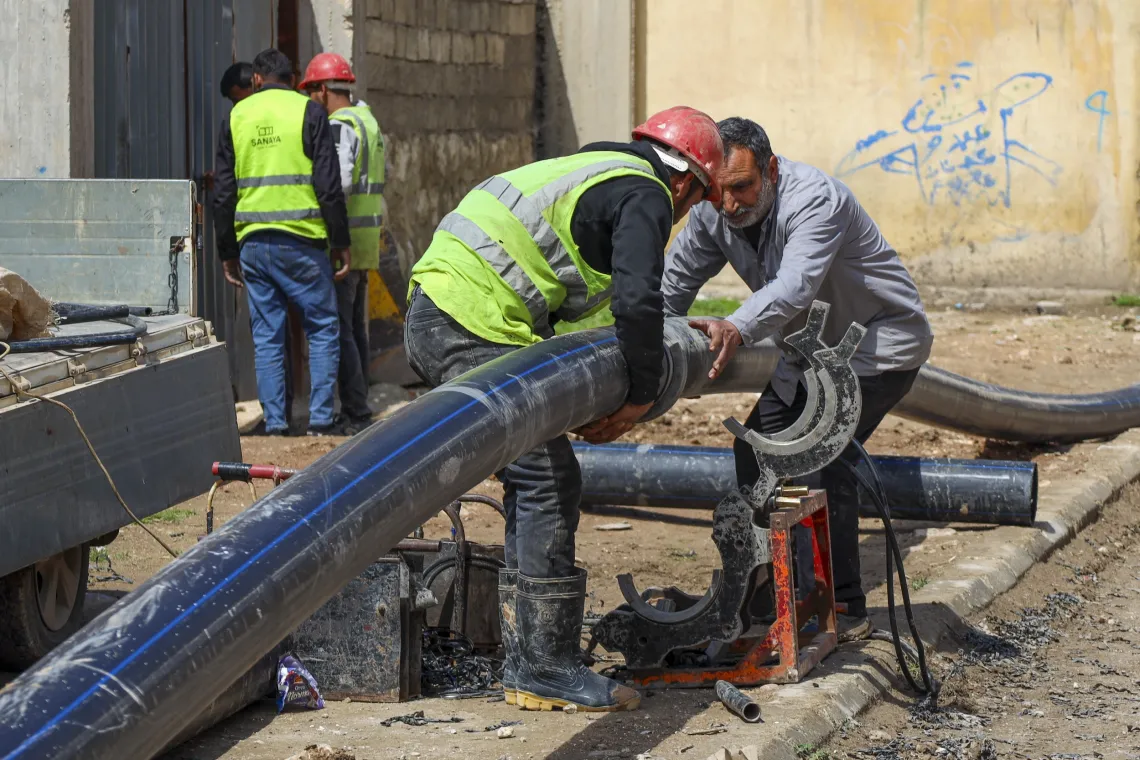
In April 2026, a second intervention from the Joint Programme, focused on the rehabilitation and replacement of drinking water pipelines. By installing a new and reliable water network, approximately 8,000 people, including children, now have improved access to safe drinking water.




“When water and sanitation systems work, families can focus on their lives, their children, and their future. These improvements help people stay healthy and build the resilience they need to recover and move forward.”
Through these interventions, UNICEF and its partners are not only addressing urgent humanitarian needs but also strengthening community resilience. By restoring vital infrastructure, reducing health risks, and ensuring sustainable access to essential services, these projects help families rebuild their lives with dignity.