Building community capacity to protect newborn health in Syria
With support from the Government of the Republic of Korea, community-based trainings equip women volunteers with the skills to provide essential care and counselling to mothers and newborns
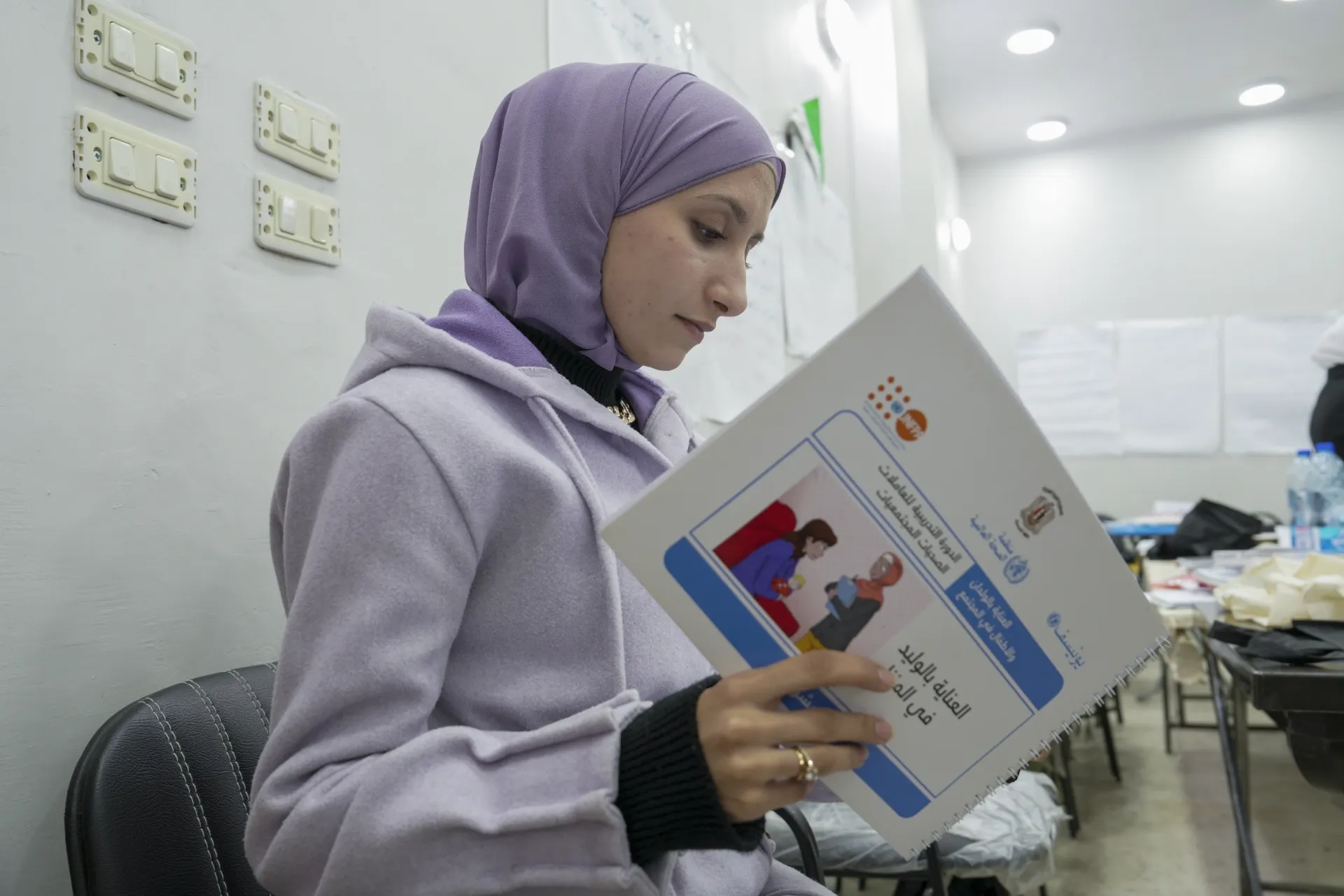
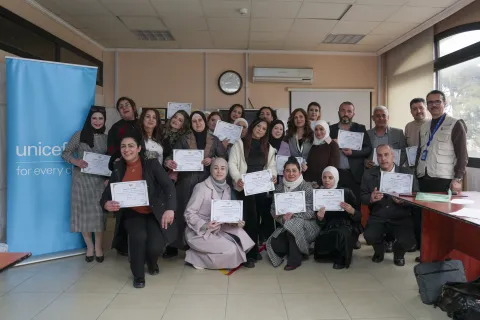
Kiswah, Rural Damascus - In 2025, with the generous support of the Republic of Korea, UNICEF delivered one training for trainers (ToT) for 25 health workers and then four community-based trainings to strengthen support for pregnant and breastfeeding mothers and their neonates across Syria. Held in Rural Damascus, Dar’a, Deir-Ez-Zor and Idlib, the sessions brought together 100 women volunteers from local communities to enhance basic maternal and newborn care helping to reduce neonatal morbidity and mortality.
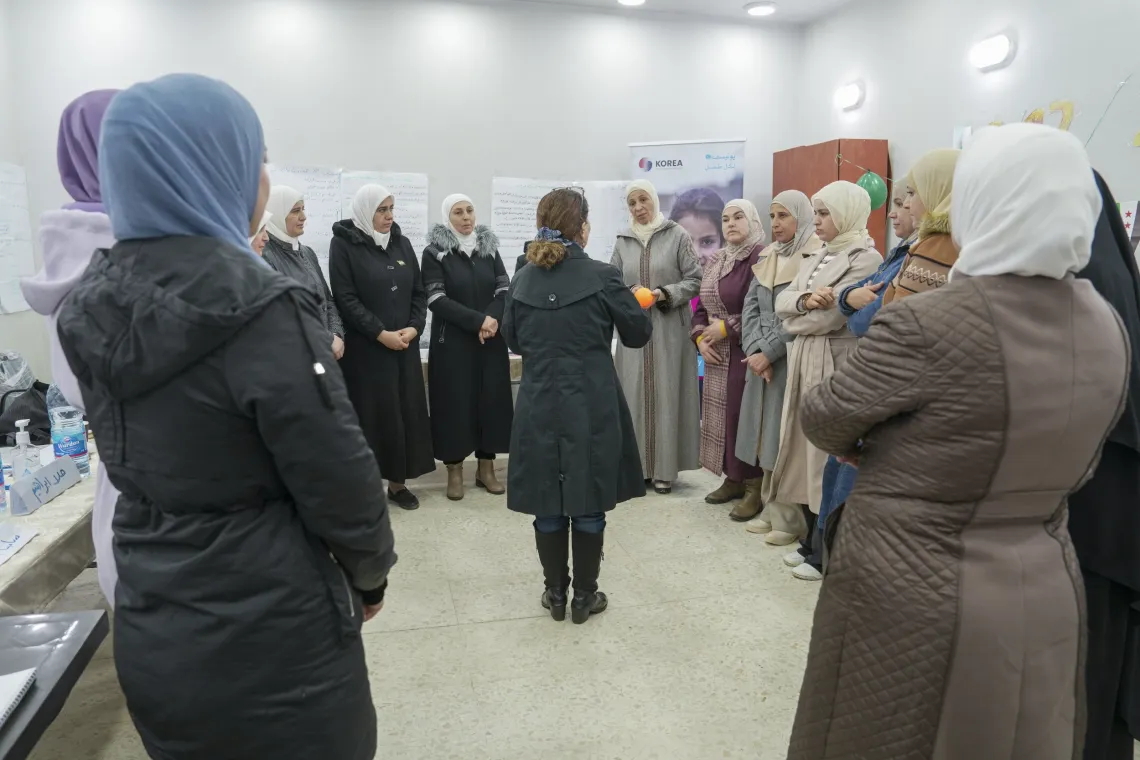
In Rural Damascus, a six-day training at Kiswah health centre convened 25 women from Kiswah and nearby areas. Through practical, hands-on learning, participants built the skills needed to conduct home visits and provide counselling in homes and community spaces where women regularly seek advice and support.
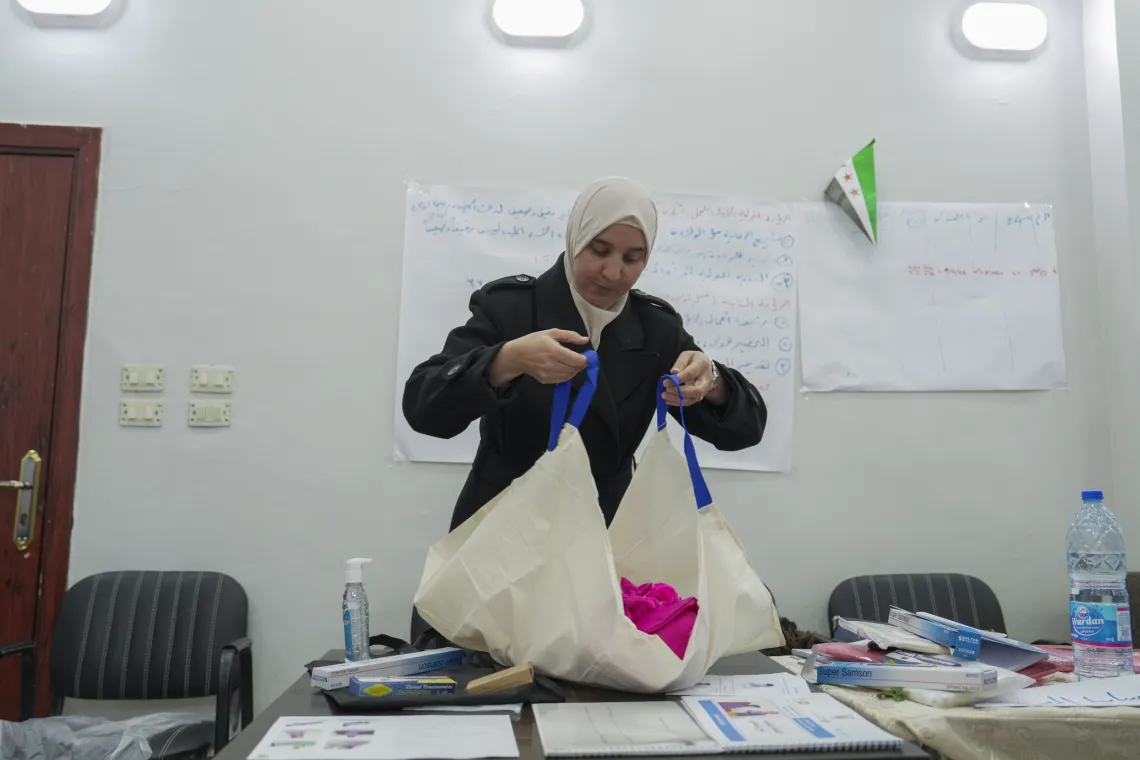
The programme covered safe pregnancy, childbirth, postnatal care, exclusive breastfeeding, identification of risks signs for women and newborns, and timely referral to health services. Each participant received a kit to support her outreach work, enabling immediate application of the knowledge gained.

“I am a health worker and a mother, yet I learned new information for the first time during this useful training. I am eager to share everything I learned with the women around me.”
“We didn’t just gain scientific knowledge through this training; we also learned effective ways to communicate with mothers and earn their trust so we can provide meaningful support.”
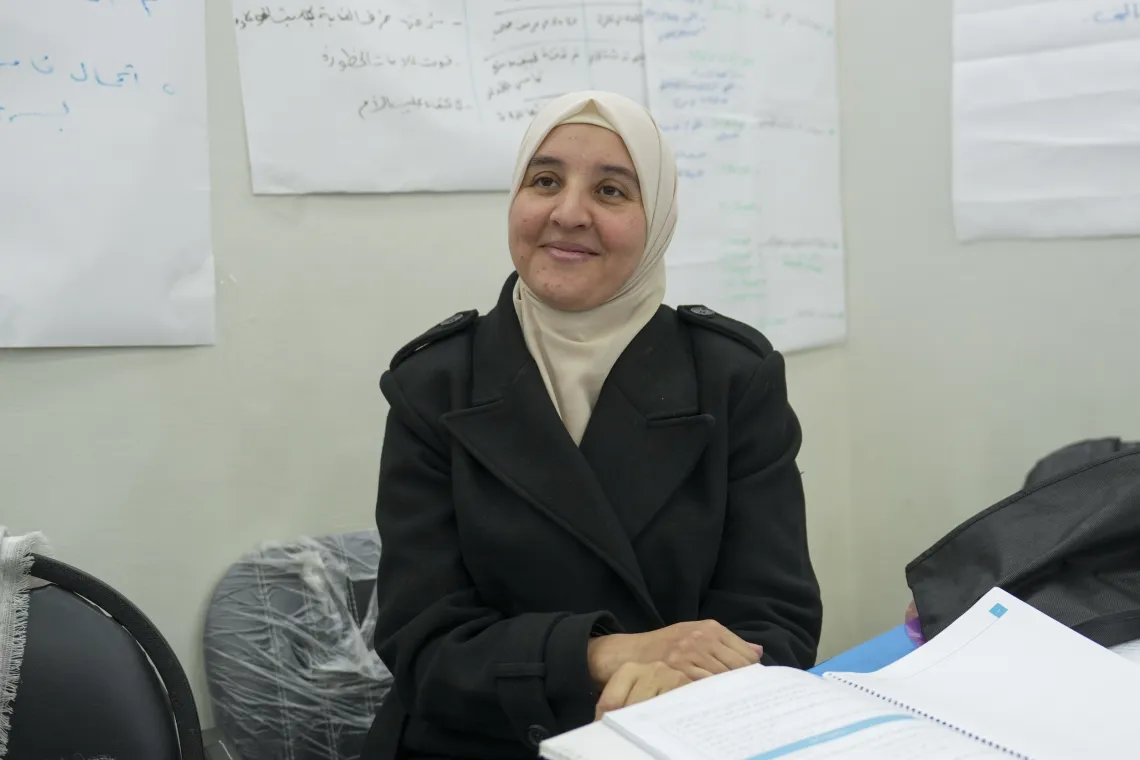
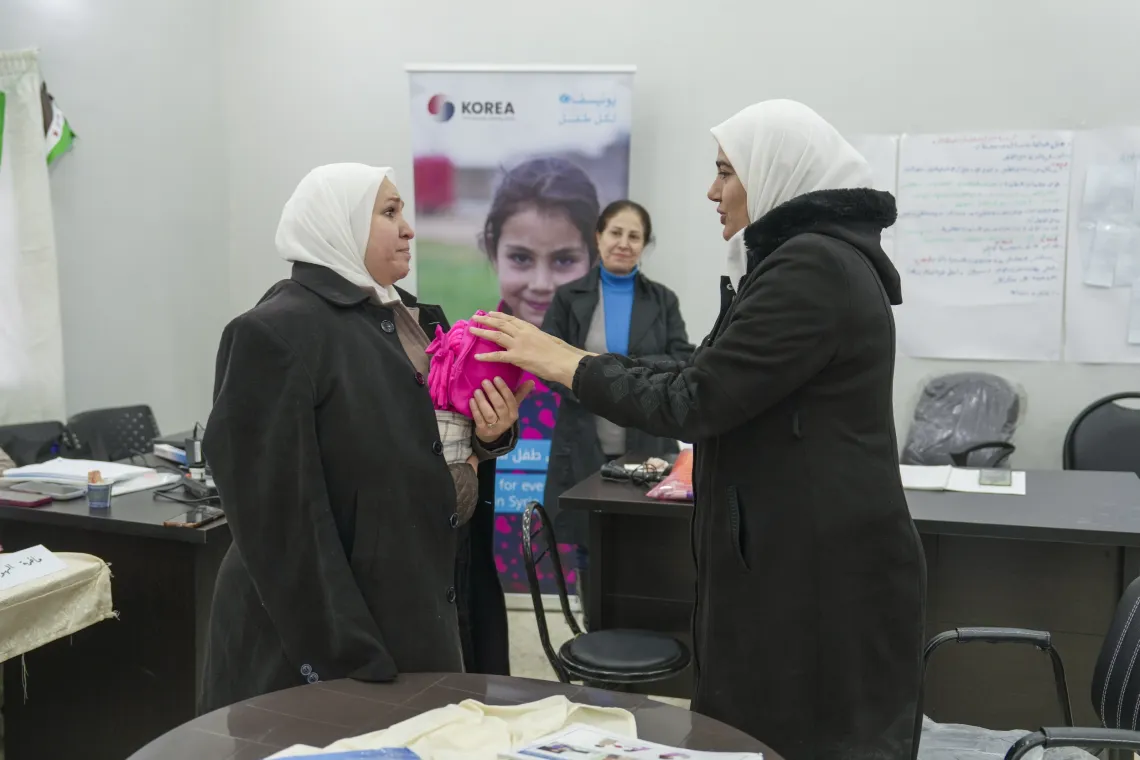
“I wish I had known earlier how important skin to skin contact is after birth. I missed out on something vital with my own children, and I am now committed to sharing this knowledge with other mothers in my community.”
“I am happy with this training, which has given me a role in my community: to raise awareness and support the women around me. I have gained valuable knowledge, and now it is my responsibility to share it faithfully.”
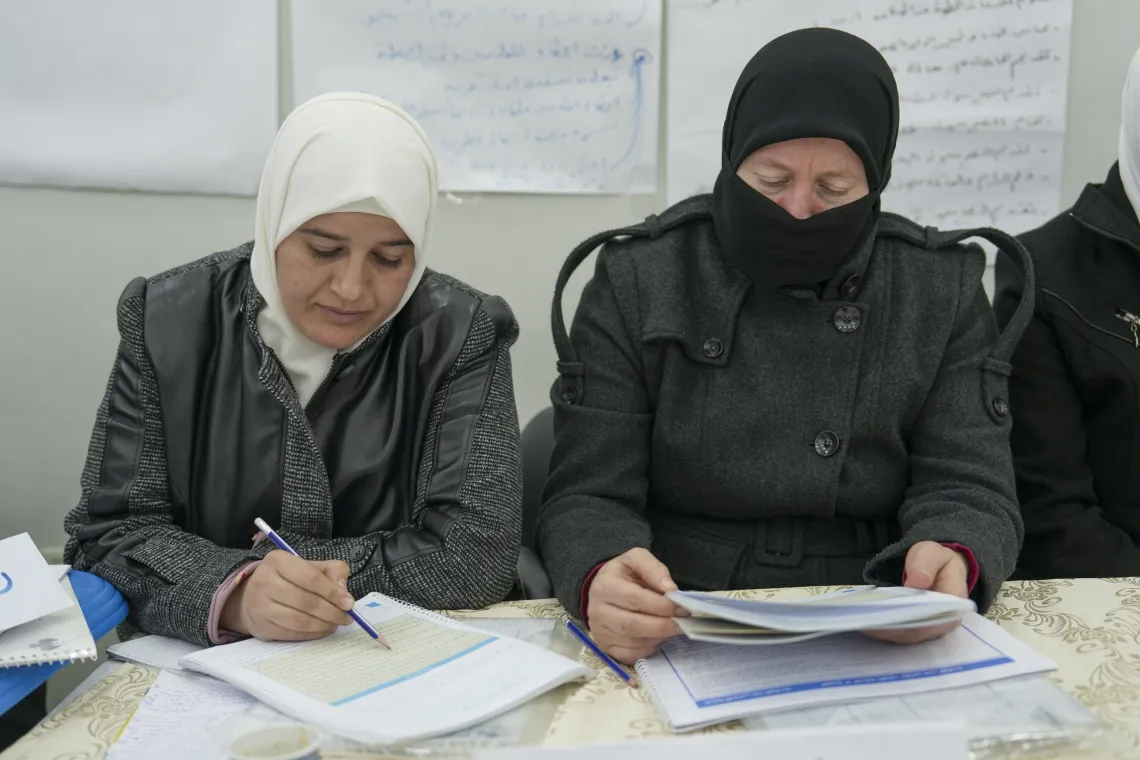
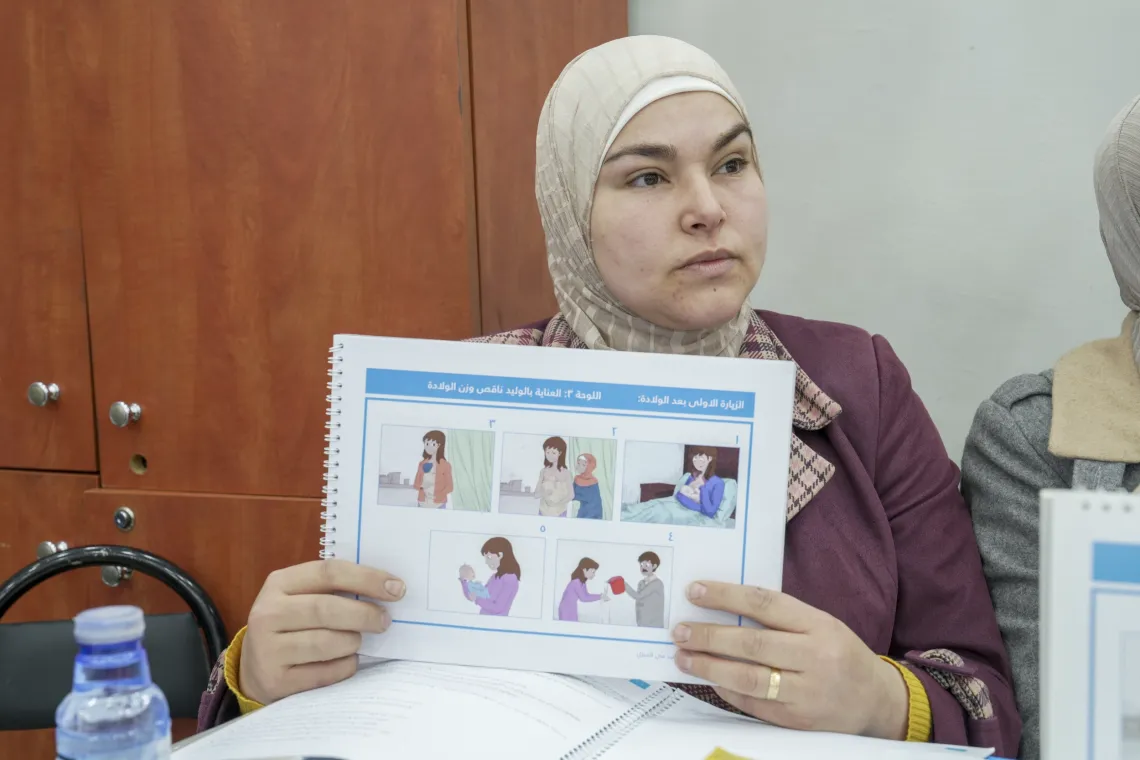
“The first thing I will do after this training is look for pregnant women in my community to offer advice and counselling and encourage them to visit health facilities for regular antenatal care and safe delivery.”
“As soon as I return home, I share what I’ve learned with my mother, who is a licensed midwife. There were things she didn’t know, things she remembered, and practices that have changed since her time. The benefits are doubled in our household.”
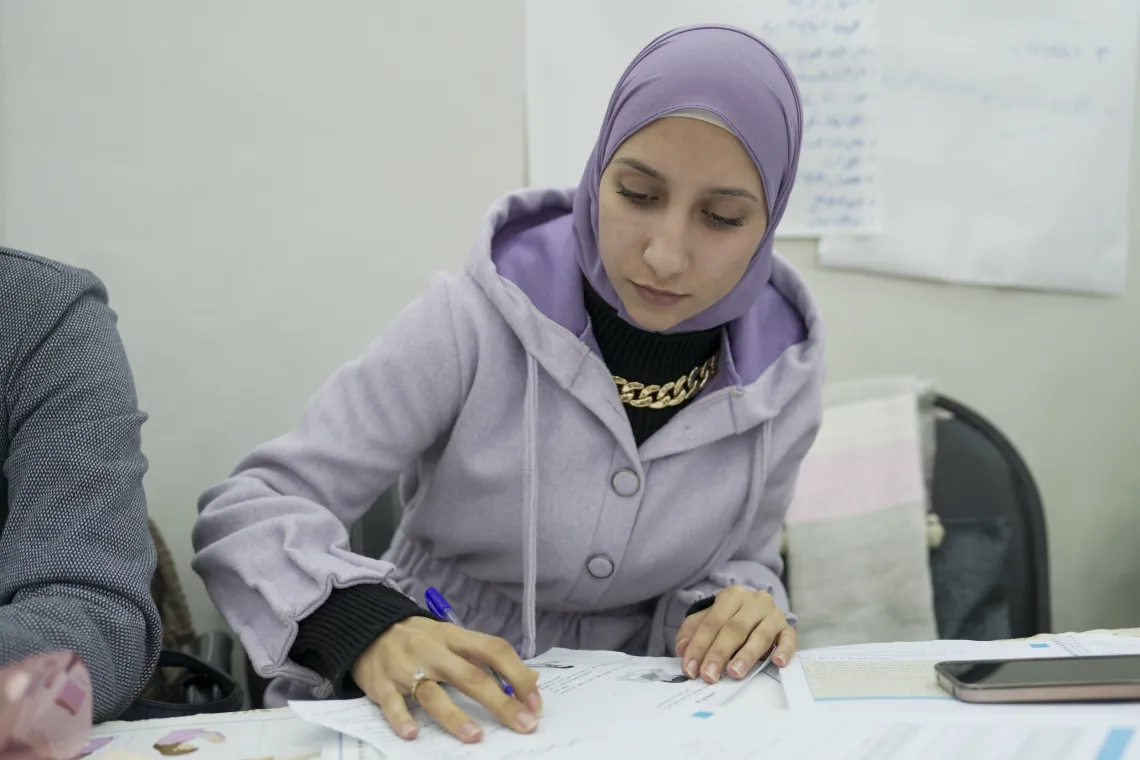
By empowering women within their own communities, the initiative strengthens links between families and primary healthcare services. Through this approach, UNICEF is helping protect mothers and newborns, reduce preventable complications and deaths, ease pressure on fragile health systems, and promote healthier starts to life for children across Syria.