Situation report
Flash updates: Escalation of hostilities in As-Sweida Governorate 2025
Update on the situation and needs of children, and information on UNICEF’s response and funding requirements

About
Latest update: 25 August 2025
- Sporadic clashes and reports of killings, abductions, and attacks on civilians continued over the past week, further undermining civilian safety and access to services in both urban and rural areas. Humanitarian access remains complex despite UNICEF convoys, through SARC, and two inter-agency assessment missions conducted on 19 and 20 August with UNICEF participation.
- While electricity has partially returned for three hours per day in As-Sweida Governorate, access to water remains extremely challenging, and inhabitants mainly rely on water trucking, with 98 wells out of service. Due to extensive damage, key public facilities, including some severely damaged health centres, are not meeting the growing needs of the population. Livelihoods remain strained, and due to difficulties of access, essential items are still in short supply.
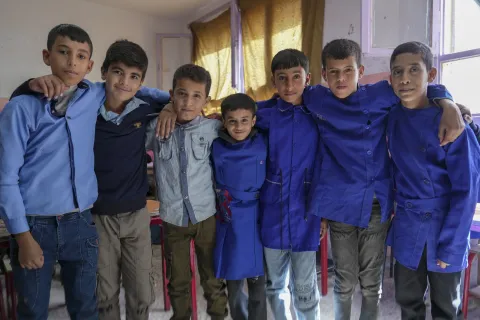
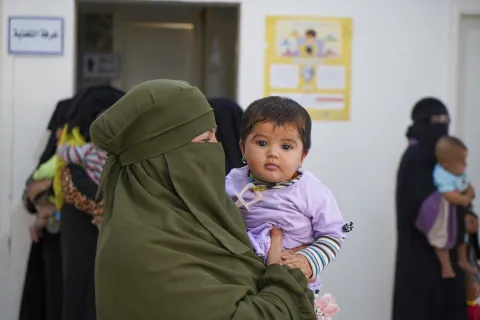
- The situation continues to negatively affect children, especially those who are displaced and have limited access to basic and protection services. Cases of violence against children, injuries, use of children in violence, child marriage, child labour, and loss or lack of official civil documentation have all been reported.
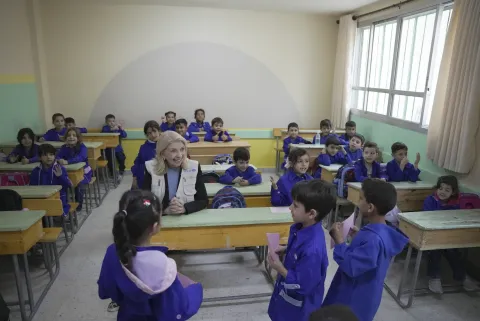
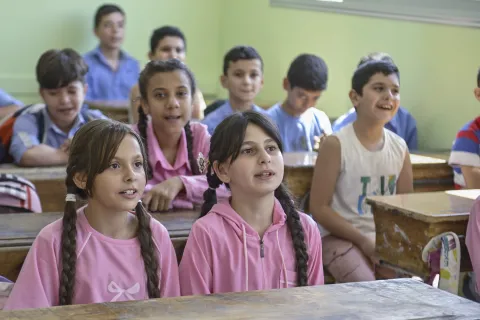
- With the start of the school year approaching, children face the risk of prolonged learning disruptions due to displacement, damaged infrastructure, and over 120 schools being used as shelters for the displaced in As-Sweida and Dar’a.
- As of 19 August, the Internally Displaced Persons (IDP) Taskforce estimates that approximately 184,000 people have been displaced from As-Sweida. About 63 per cent remain within the governorate, while the rest have sought refuge in Dar’a and Rural Damascus. Around 13,800 people have returned to their areas of origin.