The ‘packed meal’ that helped AlBatoul heal from malnutrition
UNICEF strives to reach malnourished children with the much needed treatment and care

Children in Sudan are bearing the brunt of the conflict.
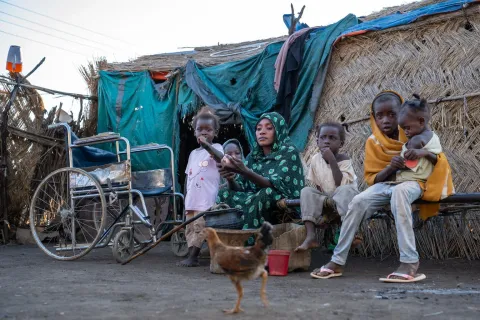
Families with children are spending days on the road with little or nothing to eat. While they settle down in their new homes, many cannot afford regular or nutritious meals their children need to thrive.
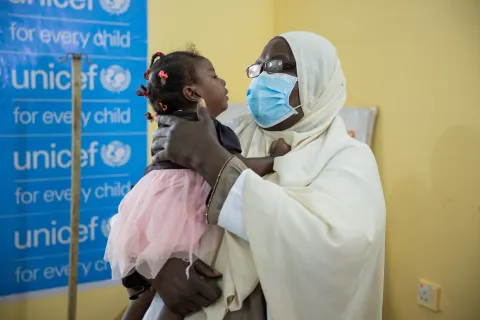
32-year-old Mahdia sits next to her 3-year-old daughter, AlBatoul in the nutrition ward in Dongola specialized hospital, Northern state. A few days ago, AlBatoul felt unwell. She was vomiting and had diarhea. The usually bubbly AlBatoul was suddenly quiet, weak, and sleepy.
Mahdia rushed her to Dongola hospital where she was diagnosed with severe acute malnutrition with medical complications. She weighed 8.4 kilos much less for her age and her MUAC reading was red – the danger zone.
The health facility is providing critical health care services including nutrition treatment and care for displaced children and those from host communities.
Mahdia and many other families recently arrived in Dongola after intense fighting in Khartoum where they lived. The tiresome journey affected her family including AlBatoul. The harsh weather and unfavorable conditions on the road didn’t spare them either.
It’s been five days since AlBatoul checked into the hospital. In addition to the treatment for medical complications, she is receiving therapeutic care and treatment.
Thankfully, the hospital has sufficient stock of therapeutic milk and ready-to-use-therapeutic food (RUTF) for children suffering from malnutrition.
During the conflict, UNICEF and partners have delivered trucks of health and nutrition supplies to various states across the country to support the influx of displaced communities and are maintaining the operation of over 80 per cent of the malnutrition treatment centres (OTPs) across Sudan for children with severe wasting.


After days on therapeutic milk AlBatoul has stabilised. Her appetite test is good, and she can now take the ready-to-use-therapeutic food (RUTF). Seated on her mother’s lap, she nibbles on the sachet while occasionally sipping on some water.
Mahdia is delighted with her child’s progress.
“She started on milk, and they have now introduced the ‘packed meal’ ” she says. “This is her second packet today and she eats three a day.”
The nutritious paste boosting AlBatoul’s health is the ready-to-use therapeutic food also known as plumpy nut. It is a wonder food with highly nutritious vitamins and minerals needed to treat children suffering from severe malnutrition like AlBatoul. It is very easy to use and store especially during conflict times such as these.
After a few sachets, AlBatoul has bounced back on her feet.
“Indeed, after she had this packet, her situation is much better and she looks better,” Mahdia shares with a smile.
“She is enjoying it. After these two days she has gained weight.”

Nour-elhuda Abdallah Salih, a nutrition specialist at the hospital has been attending to AlBatoul since she arrived.
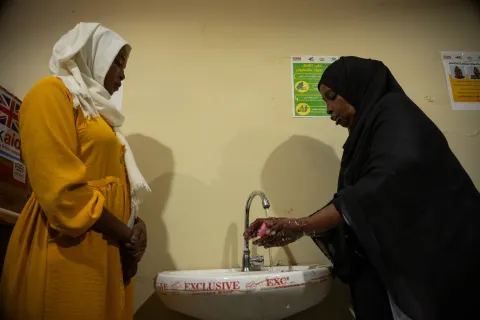
Today, the health workers at Dongola are attending to an increasing number of mothers seeking for care and treatment of children with malnutrition, returning for follow up visits, nutrition screening and RUTF refills for those previously enrolled on outpatient therapeutic programmes before they left their homes.
While delivering nutrition sessions to the mothers, Salih stresses the need for them to return for follow up checkups until their children fully recover.
As mothers adhere to the guidance – feeding their children on time with the therapeutic food provided, many more children are defeating malnutrition. But Salih is worried about the interruption in supply of the therapeutic food and milk, should the war continue.
“My biggest fear is interruption in the delivery of health supplies because this will definitely impact the services we provide,” she continues.
Observing malnourished children like AlBatoul bounce back on their feet is what motivates Salih.
“When I treat a child especially during tough conditions is a great honor for me. And every time I save a child from a threatening disease warms my heart,” Salih shares.
AlBatoul will soon return home, now weighing 8.8 kilos, but Salih and other health workers remain to attend to the increasing number of children coming through to the nutrition centre.