A cause driven by communities
"Every child we reach, whether with a vaccine, a nutrition sachet, a session in a child-friendly space or learning opportunities at school, is a step towards a better future," Nasrin Ibnouf

- English
- العربية
On a late Monday evening, Nasrin Ibnouf, UNICEF’s Social and Behaviour Change Officer, is making final preparations for yet another mission to Abu Jubeiha.
Located in South Kordofan, Abu Jubeiha is one of the hardest places to reach in Sudan. The journey takes at least two days, across rough terrain and roads that become nearly impassable during the rainy season. Continued insecurity along the road adds another layer of risk.
Since the conflict began, thousands of families from Darfur and conflict-affected areas across the Kordofan have fled to this remote area in search of safety. Reaching them with lifesaving services and supplies remains a priority for UNICEF.
For Nasrin, the long and tedious journey is simply part of her commitment to reaching children and families, no matter how far away they are.
Born in North Kordofan, Nasrin began her humanitarian career in South Kordofan 15 years ago as a UN Volunteer supporting community engagement work, then known as Communication for Development. Working in some of the most challenging areas along the border between Sudan and South Sudan, she was assigned to help communities respond to a cholera outbreak.
Over the years, she has taken on different roles within UNICEF. But one belief has remained constant: communities themselves have the power to drive the change they want to see.
Today, as the conflict continues to disrupt traditional channels of communication and access to information, that belief has become more important than ever.
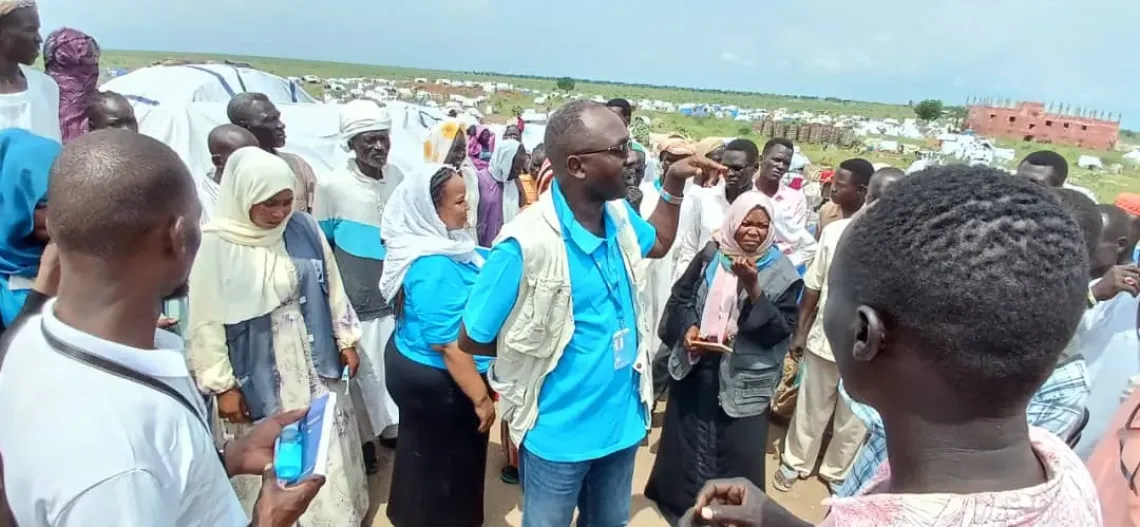
At the frontline, Nasrin works directly with families and communities, helping them access information that can protect their health and wellbeing.
“Most diseases can be prevented if communities adopt simple practices like hand washing,” she says.
“But they need to know. That is the power of messaging.”
When parents and caregivers have the right information and knowledge, they can make simple changes that protect their children- washing their hands, using latrines, sleeping under mosquito nets, and breastfeeding their children.
“It's about attitude and behavior.”
A career built around change
Throughout her career, Nasrin has contributed to responses to outbreaks of polio, cholera, diphtheria, and other diseases.
For her, the impact of this work is measured not only in messages delivered, but in the changes, she sees within communities.
“When I see positive change in communities after they adopt simple but healthier practices and behaviours, I am inspired to even do more.”
“And during outbreaks, when the number of the cases and deaths starts to reduce, I know our work is making a difference.”
But one mission to Abu Jubeiha in 2025 left a particularly lasting impression.
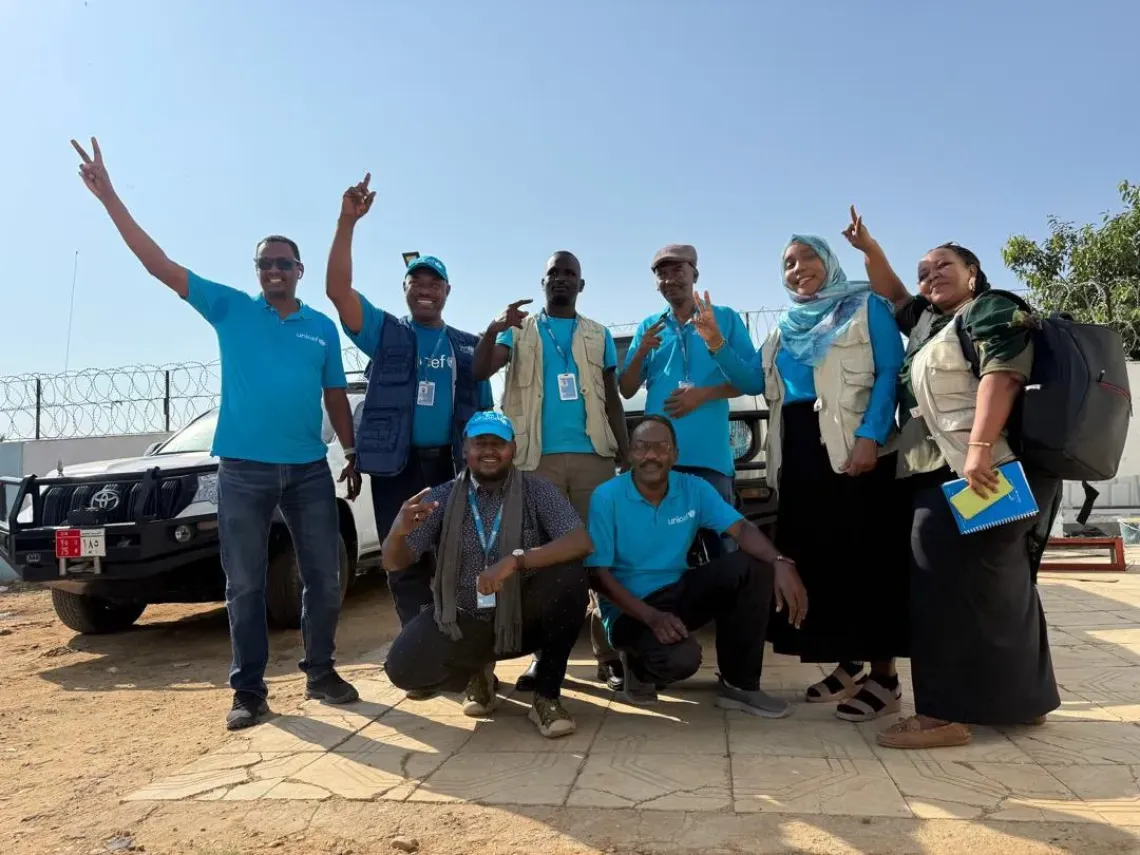
The trip that stayed with her
In 2025, UNICEF organized its first mission to Abu Jubeiha since the conflict erupted in 2023. For nearly two years, children and families in this area had been cut off from essential services.
Nasrin joined the mission – one of the only two female colleagues in the team. The journey was arduous. But what awaited them at their destination was even harder to witness.
“I had never seen anything like that in my entire career,” Nasrin exclaimed.
The team encountered exhausted and severely malnourished mothers and children sleeping in the open. It was cold, and the rainy season had begun.
Their journey to safety began in Kadugli, across the border to South Sudan, and after months of on the road, they finally found refuge in Abu Jubeiha.
Mothers only asked for the basics: food for their children and something to protect them from the cold days and nights.
As a mother herself, Nasrin remembers handing her scarf to a mother with a trembling child from the cold.
She also remembers another mother whose child was sick and malnourished and a mother who had just lost another child.
Hunger was taking her children one by one.
“I held her and we cried together.” “Then I asked her how I could help.”
For Nasrin, the mission was about more than reaching a remote community. It was an opportunity to listen- to hear directly from families about what they needed most and to use that understanding to help shape the support UNICEF and it’s partners provided.
The stories and faces she encountered have remained with her.
They are also one of the reasons why, despite being displaced by the conflict herself and separated from her two young children, Nasrin chose to return to the frontline.
“These communities are so far away from services,” she says, “Without support from organizations like UNICEF, their lives hang in the balance.”
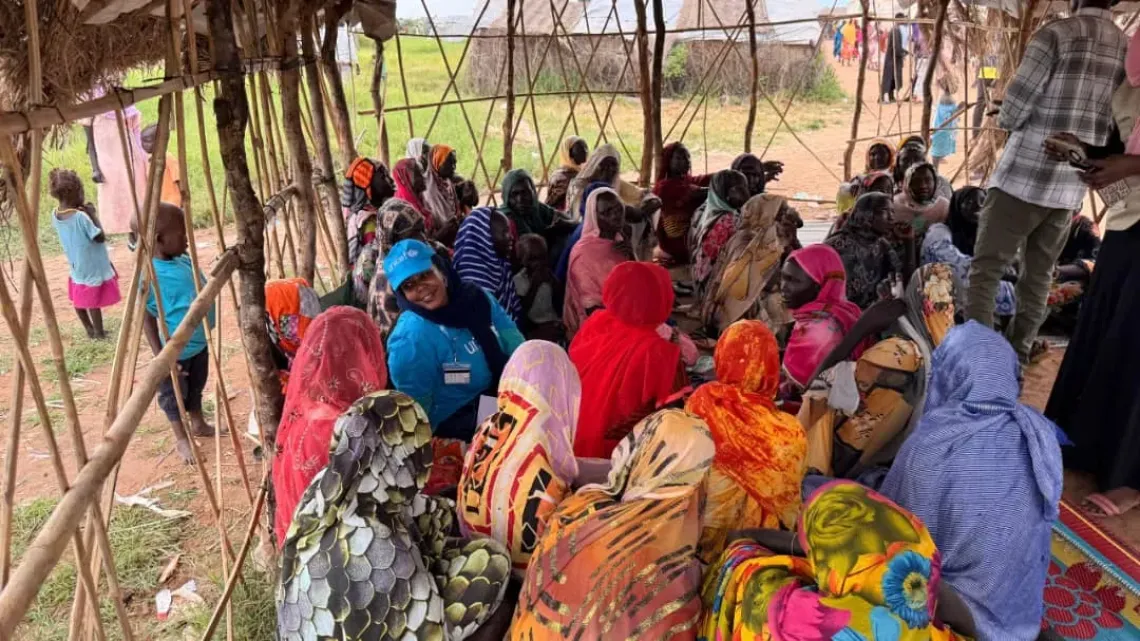
Reaching the hardest places
As Nasrin prepares to return to Abu Jubeiha, the journey will once again mean long hours on the road, limited connectivity and days away from her children and much of the outside world.
But she believes the sacrifice is worthwhile.
Her strong belief that children will one day help shape Sudan's future remains a guiding force behind her humanitarian work and her determination to reach families in even the most remote locations.
"Every child we reach, whether with a vaccine, a nutrition sachet, a session in a child-friendly space or learning opportunities at school, is a step towards a better future," she says.
"One day, these children will become doctors, teachers, engineers and architects who will help rebuild and shape the future of our country.
"That's why I love and work for UNICEF."