Cholera
What you need to know to protect yourself and your loved ones
Cholera is a highly infectious, but easily treatable diarrheal disease that is caused by ingestion of food or water contaminated with the bacterium Vibrio cholerae.
In most cases, the infection is mild or without symptoms.
About 1 in 10 infected persons will have severe disease including profuse watery diarrhea, vomiting, and leg cramps. This may lead to severe dehydration, even death within hours, if not properly treated. However, the prompt administration of oral rehydration salts (ORS) to replace lost fluids almost always results in a cure.
Cholera can kill children in a matter of hours. Medical help should be sought immediately, and the child should continue to receive ORS solution and zinc.
Cholera usually occurs in situations where there is poor sanitation and overcrowding.
While adults and children are at risk of contracting cholera, children remain more at risk and suffer the most. Cholera remains a threat to children.
Four steps to take to limit the spread of cholera or diarrhoea
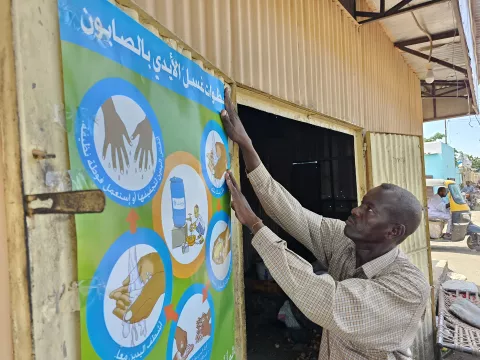
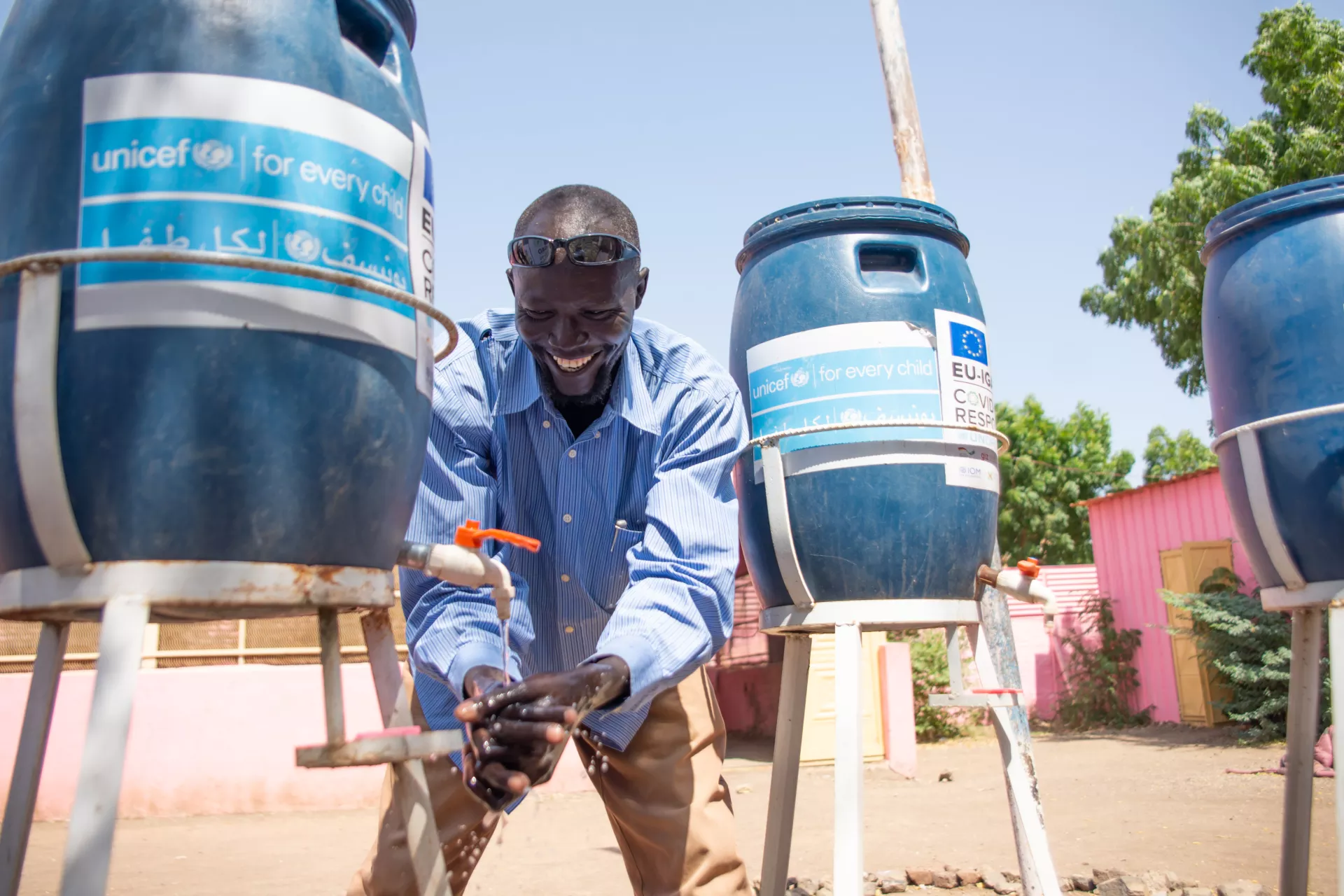
- Always wash hands with soap and water after defecation, after contact with faeces, before touching or preparing food, before eating and before feeding children.
- Dispose of all faeces, including those of infants and young children, in a latrine or toilet, or bury them. Disinfect the places touched by the faeces.
- Use safe drinking water (boiled, chlorinated).
- Wash, peel or cook all foods.
During emergencies, lack of safe water, sanitation and hygiene can cause disease that may turn into an outbreak. Cholera can occur where there is poor sanitation and overcrowding.
Basic steps to follow include:
- Continue to wash hands frequently with soap and water.
- Dispose of faeces and garbage safely.
- Practice safe food preparation.
- Use safe water sources or employ home-based water treatment, such as boiling (for 1-3 minutes) , filtering and adding chlorine.
- Store safe water in clean, covered containers.
How to prevent cholera