Restoring hope and dignity for families affected by conflict in Akobo
Children’s health and women’s dignity at the heart of recovery
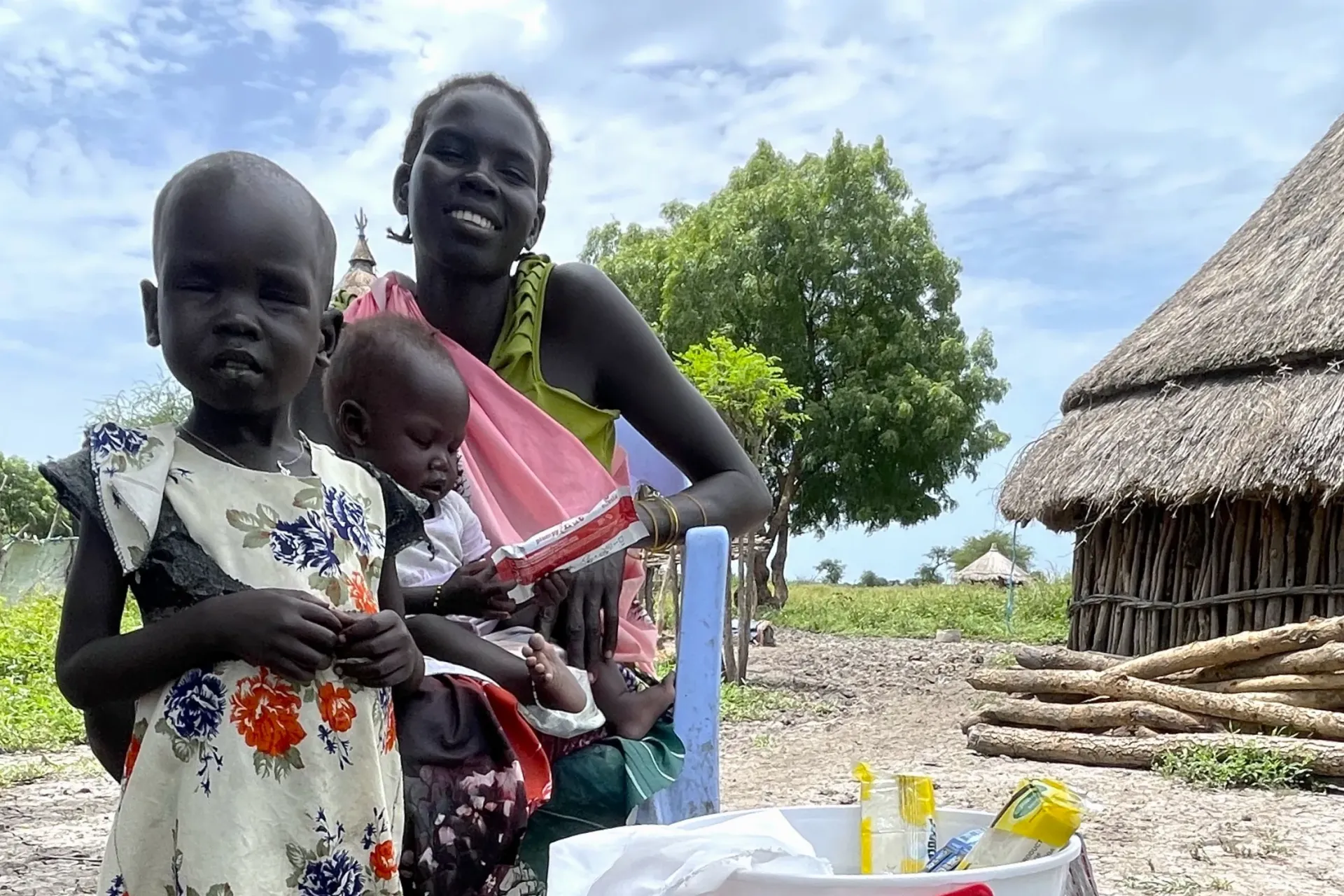
“The conflict caused us a lot of suffering. I fled with my four small children to Ethiopia to save our lives” said Nyathak Madieng, a 26‑year‑old mother who is stepping forward to lead recovery as she returns to Akobo. In Akobo, conflict has torn families apart and stripped communities of even the most basic necessities.
When Nyathak fled Bilkey Payam with her children, she endured not only physical exhaustion but also emotional toll of being displaced. Yet despite the fear and uncertainty, she was determined to rebuild and made the bold decision to return home, only to find that nearly everything they owned had been lost.
We came back home and found that all our household items had been looted. We had nothing left.
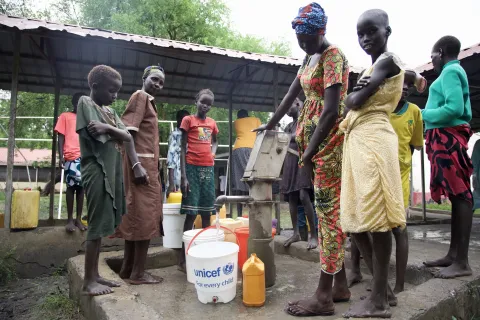
Already struggling to provide stability, she was met with the additional challenge of the destruction of safe water facilities that left her and many other families dependent on unsafe river water.
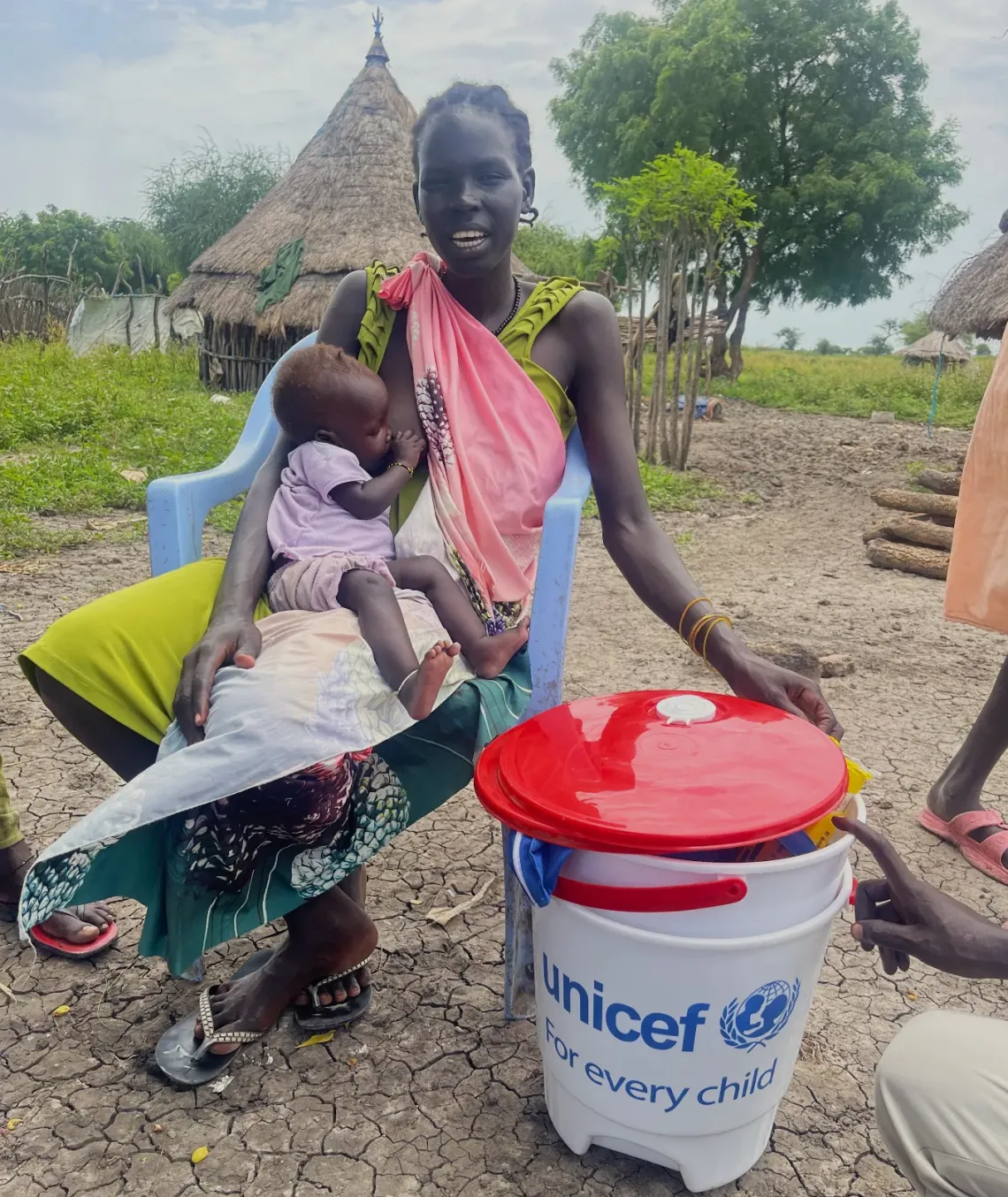
All the water points were destroyed during the conflict. As a result, we were forced to drink water from the river, and this caused diarrhea among my children.
Without safe water, sanitation facilities, or basic hygiene items, families returning to Akobo face heightened risks of waterborne diseases and deteriorating health conditions, particularly among children and vulnerable women.
Despite these hardships, Nyathak’s took charge of protecting her children, seeking ways to ensure their safety and well‑being. Her determination embodies the strength of conflict‑affected families who continue to do what is in their power to protect, provide and lead their families and they do not stand alone.
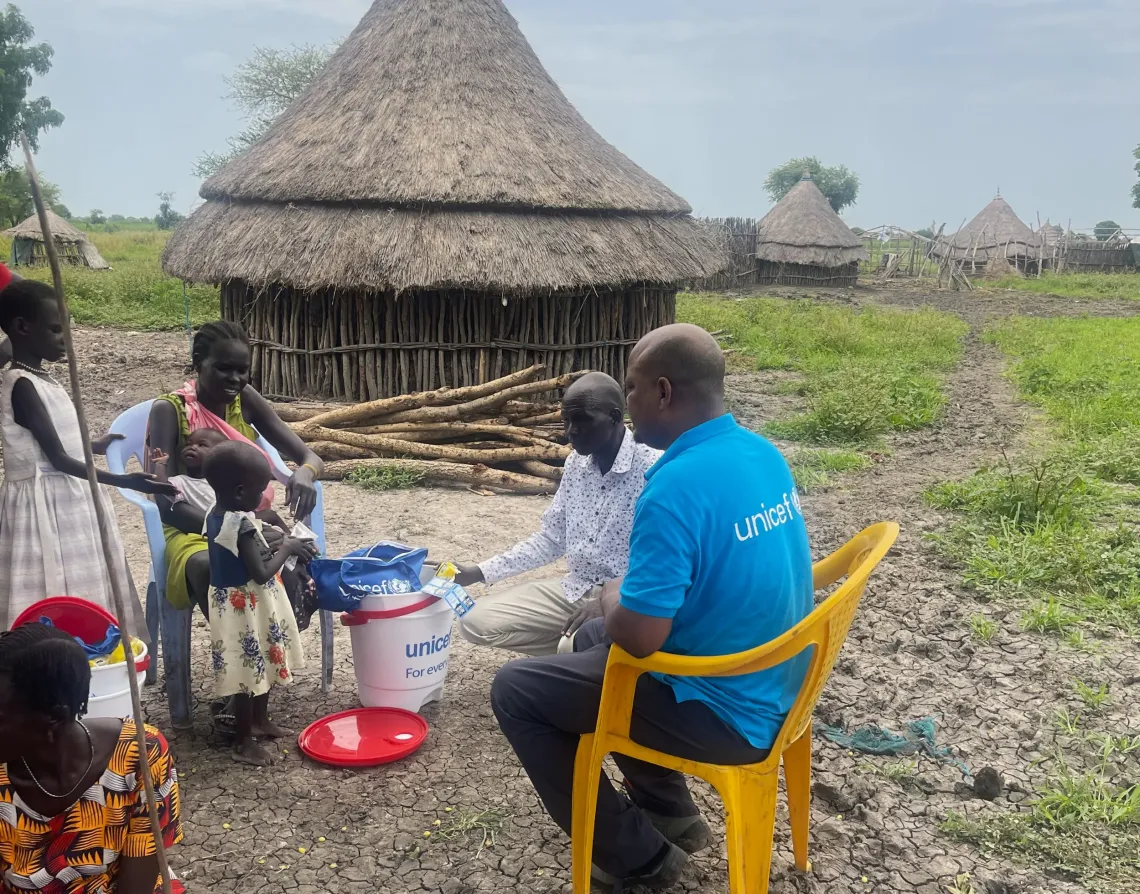
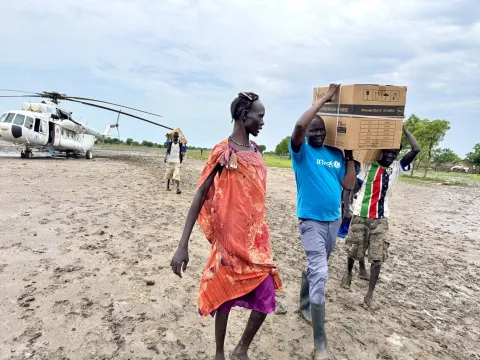
Through funding from the South Sudan Humanitarian Fund (SSHF), UNICEF and partners provided water, sanitation and hygiene kits containing soap, buckets (with a tap and without), PUR water treatment sachets, filter cloths and dignity kits for women. Nyathak immediately put these supplies to use: “using the buckets and filter cloth, we can now make our drinking water safe and clean. The soap will also help us maintain personal hygiene.”
Dignity kits for women and girls offered reusable menstrual pads, bathing soap, underwear, and other essentials. “The dignity kit is very important for us as women. It helps us keep ourselves clean and maintain our dignity even during difficult times.” She added feeling hopeful.
I am now confident that my children and I will no longer suffer from diarrhea and other waterborne diseases.
While humanitarian assistance plays a role, it is the courage and determination of community members like Nyathak that drive recovery in Akobo. Their resilience shines through. they are agents of change, restoring hope and rebuilding futures.