From labour hunt to entrepreneurship: UNICEF’s Cash Plus transforms lives
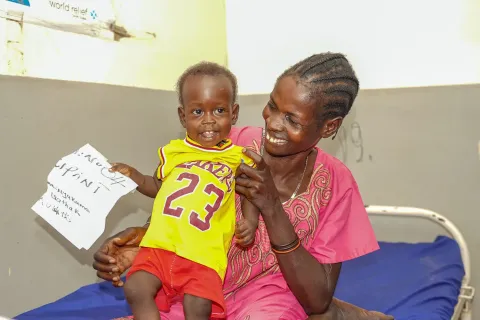
UNICEF’s nutrition programme not only treats malnutrition but also empowers mothers to provide for their families
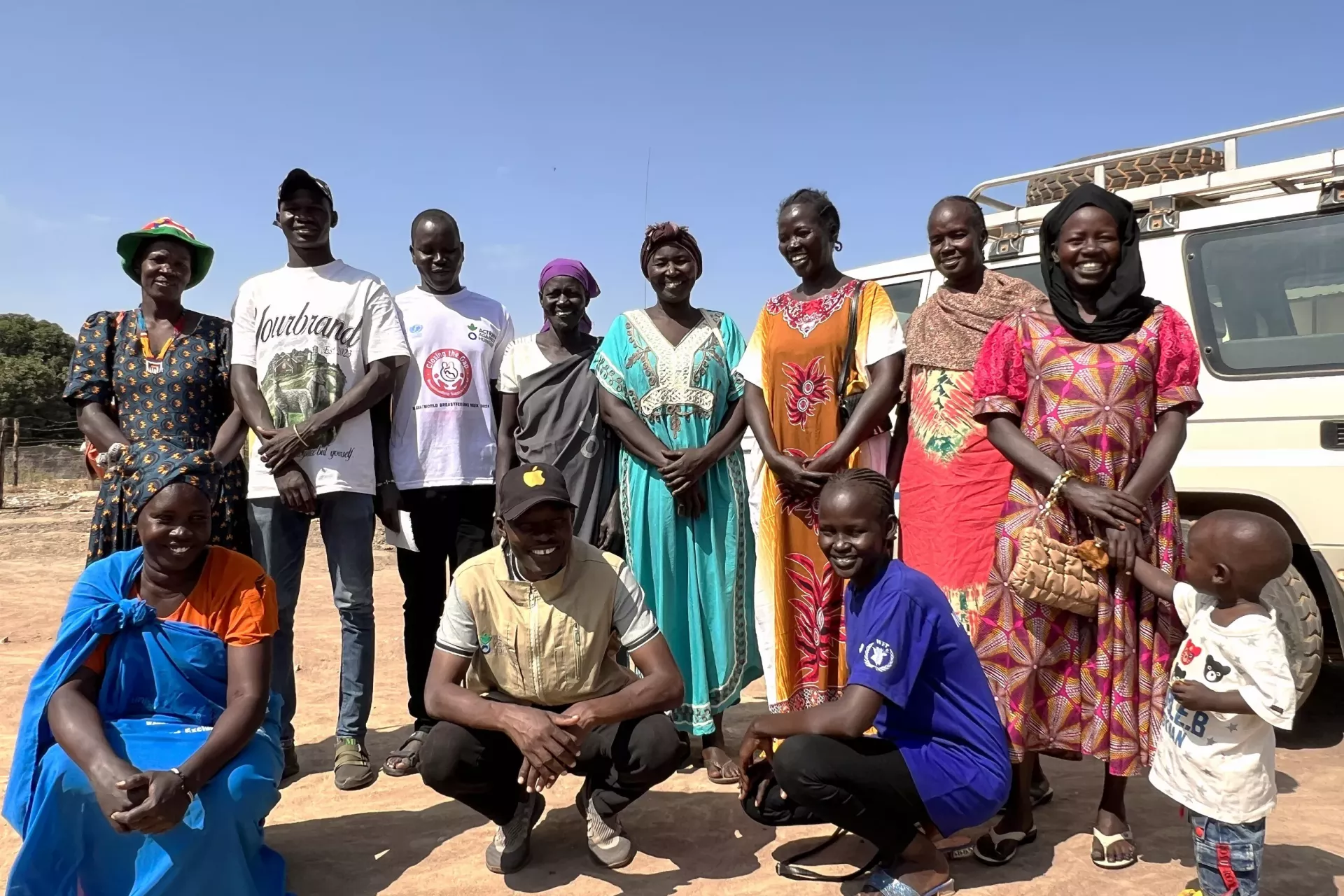
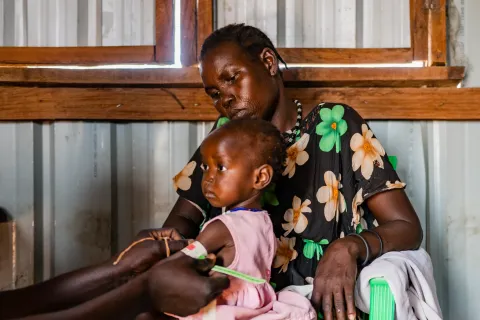
According to the 2024 Integrated Food Security Phase Classification (IPC), nearly 2.04 million children in South Sudan are at risk of malnutrition in 2025 — an increase from 1.65 million in 2024. Many children relapse and return to the nutrition service because of various factors including household food insecurity, poor access to safe drinking water and sanitation, suboptimal care practices, gender related issues, and others.
The report highlights that illness is a major contributor to malnutrition, with nearly half of the children surveyed having been sick in the two weeks before data collection. These challenges stem from economic instability, repeated climate shocks particularly widespread flooding and ongoing conflict and insecurity.
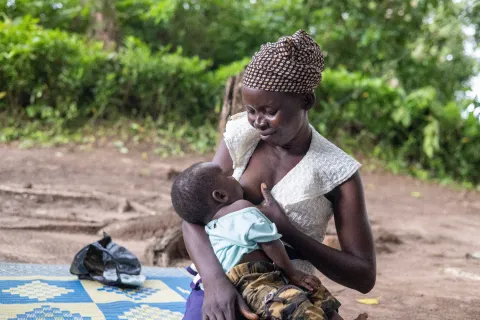
With these hardships in mind, UNICEF and its partners continue to implement integrated nutrition interventions including promotion of optimal Infant and Young Child Feeding practices, counselling services to pregnant and breastfeeding mothers, and cooking demonstrations.
Other actions include kitchen gardens, health education, hygiene promotion, vitamin A supplementation and deworming to children from 6-59 months, as well as cash plus interventions.
For all UNICEF nutrition programs, prevention comes first in all contexts; if prevention fails, then treatment is a must.
UNICEF’s cash plus transfer initiative integrated into nutrition sites for pregnant women and breastfeeding mothers with children under 2 years old, has made a significant impact. In Aweil East County, Northern Bahr El Ghazal State, UNICEF’s implementing partner, Action Against Hunger (ACF), is providing technical and financial support to 36 nutrition sites.
At these centres, and through a network of community- based Mother to Mother support groups, women have introduced the Village Loan and Savings Association (VSLA), a model that provides them with an opportunity to engage in income generating activities.
One standout success story comes from one of the VSLA groups that started in late 2023 with an initial capital of 220,000 SSP. Today, the group comprising of 30 women has grown its capital to an impressive 8,000,0000 SSP, enabling members to launch small businesses which in turn has enabled them to improve their household food security, increase in the size and production of kitchen gardens, and improved local food items for cooking demonstrations.
Women Speak on the Programme’s Life-Changing Impact
Angelina Atak, the leader of the one of the VSLA Groups, shared how the initiative has transformed lives.
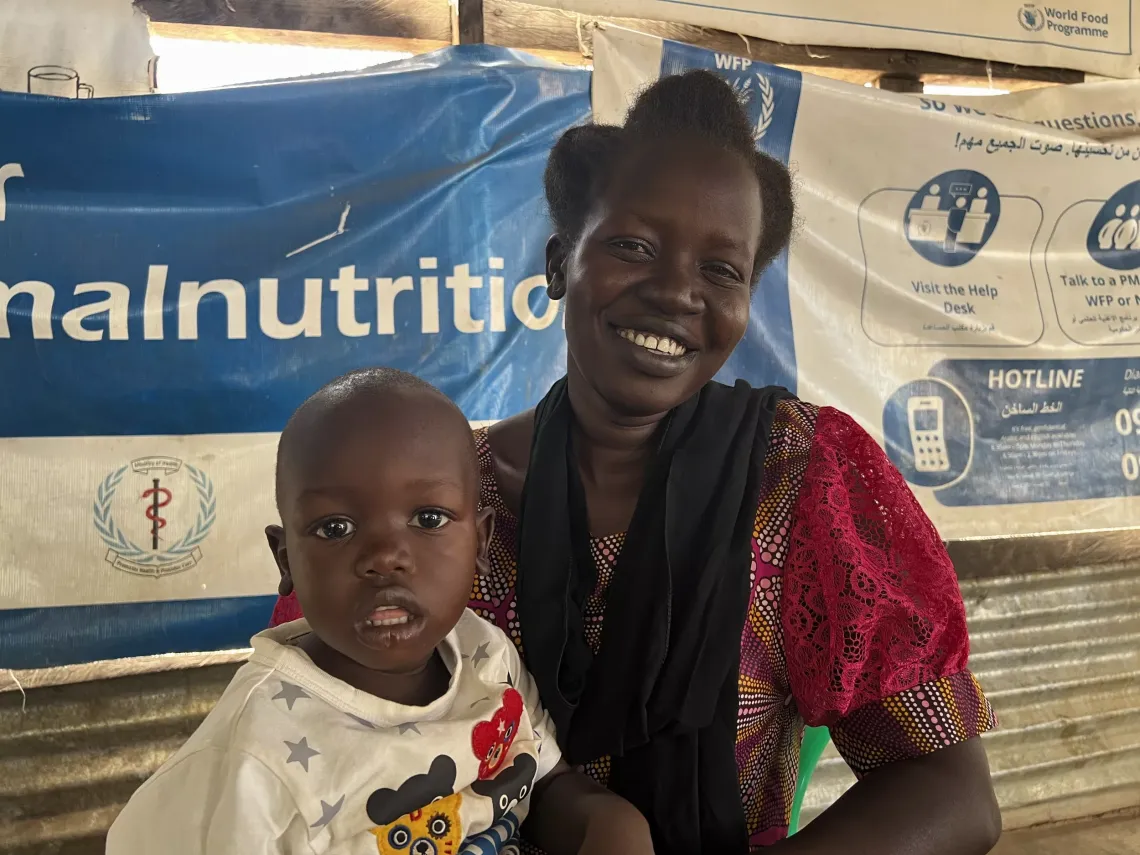
This program has truly empowered women in our community. We used to struggle, but now we are seeing real change. From the savings, our children now have access to diverse foods, we have capacity to take our children for treatment when they are sick, and women have become financially independent instead of relying on others.
“In the past, many women were occupied with household duties, but now they are also actively engaged in income generating activities that benefit their families. We are so happy and hopeful that this programme will continue to expand and reach more women in need,” Angelina added.
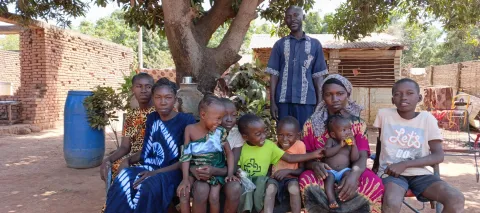
Elizabeth Aheer Dut, a 31-year-old mother of seven from Mathiang Residential Area in Aweil, expressed how the programme has transformed her mindset and improved her family’s well-being.
“The savings group lent me 100,000 SSP, and it changed my life in ways I never imagined. I invested this money in buying ground nuts, made peanut paste, and earned 50,000 SSP as profit.
I was able to repay my loan with a 30,000 SSP interest fee and still had enough left to buy food for my family. Beyond financial benefits, the group has connected me with other women, building strong relationships among us.

Angelia Athian, a 35-year-old mother of five, said the cash programme has shifted women’s dependency on men and other family members.
“Before joining the savings group, I had business ideas, but I did not have the capital to start me off. When I heard about the VSLA program, I took a 10,000 SSP loan to start making cookies. Gradually, I took out larger loans of 30,000 SSP, then 100,000 SSP respectively.

Today, my business is thriving, and I now earn up to 30,000 SSP per day. I can now support my family and buy food for my children, use the extra profit to send my children to school, and have enough to sustain my business without always depending on my husband.
She added, “With my growing profits, I started buying and selling clothes. I purchase them for 10,000 SSP and sell them for 20,000 SSP, making a decent profit. Before this, we were struggling and had to rely on relatives who were also facing financial difficulties.”
A Game-Changing Initiative
Wol Wol Malek, a Nutrition Officer working for Action Against Hunger with eight years of experience, described the initiative as transformative.
“This programme is not just about income; it is empowering women to become financially independent and stable. Many are now engaged in small-scale businesses such as bedsheet making, vegetable farming, and fish selling. They have also formed more savings groups and are sending their children to school. All these investments help them to provide for their families and especially use the money to buy food items that are not available at home to improve the quality of their young children’s diets."
I feel deeply motivated and encouraged because I have seen women who were once at their lowest point in life now thriving and able to support their families. It reassures me that we are making a real difference.

Commenting on the programme’s achievement, Pa Ousman Manneh, the UNICEF Chief of office for the Greater Barh-El-Ghazel Zone expressed gratitude to the staff and implementing partners for ensuring that the project impacts lives.

This initiative goes just beyond making money, it restores dignity and empowers mothers to become financially independent. Integrating cash transfers with nutrition support, we are not only saving lives but also creating lasting change. The stories by these women are a testimony to the power of sustainable solutions in tackling malnutrition and poverty simultaneously.
About the project
UNICEF’s Cash Plus Transfer Initiative, under the Young Child Support Grant Project (YCSG) funded by the British government (FCDO), is part of UNICEF’s broader efforts to combat malnutrition in South Sudan.
The YCSG provided financial assistance to families with pregnant women and caregivers of young children in Aweil East, Northern Bahr El Ghazal, to enhance food security and access to essential services.
As the first child grant implemented in South Sudan, this proof of concept aligns with key objectives of the National Social Protection Policy Framework (NSPPF). Over six months, beneficiaries received two quarterly payments of $123 each, along with access to complementary support services.
In 2024, these efforts contributed to significant progress, reaching 2.48 million children and over 1.5 million women with prevention and treatment services, while also influencing government endorsement of the national nutrition policy and the pre-service nutrition curriculum.