UNICEF Reaches Conflict-Isolated Communities in Jonglei State with First-Aid Deliveries in Months
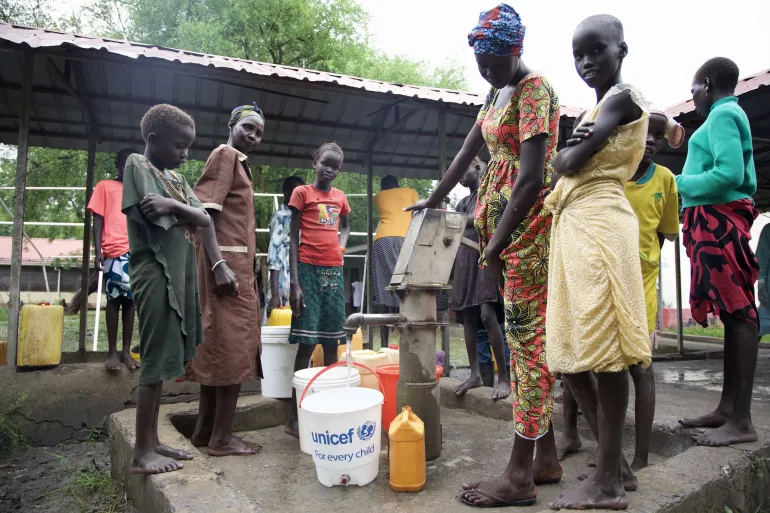
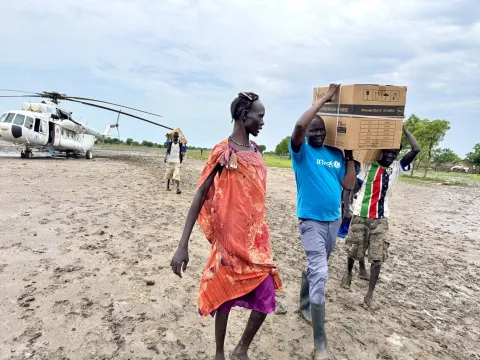
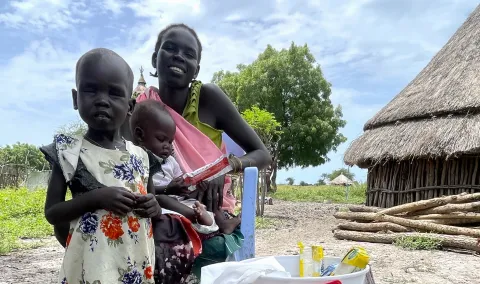
UNICEF and partners have restored life-saving assistance to conflict-isolated communities in Wiechjol, Akobo County, and Waat, Nyirol County, in Jonglei State, delivering critical support to vulnerable families, many of whom had gone months without humanitarian assistance.
Since January 2026, escalating conflict, mass displacement and unsafe routes have cut off services, forced health facilities to close, and left families without reliable access to healthcare, safe water, protection and nutrition support. Through the Rapid Response Mechanism (RRM), UNICEF have delivered more than eight tonnes of essential supplies, including therapeutic food for children suffering from acute malnutrition, water treatment and hygiene kits, and critical medical supplies to support vulnerable communities. Key results from the response
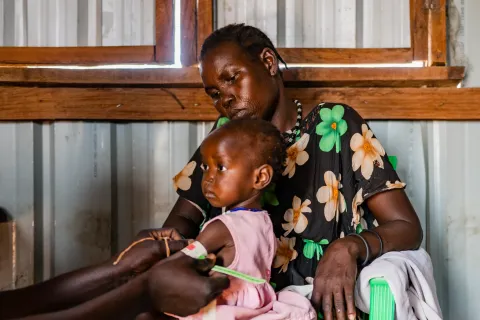
- Nutrition: 1,666 children under five screened for acute malnutrition, with 146 children suffering from severe acute malnutrition admitted for life-saving treatment and 602 cases of moderate acute malnutrition identified and referred for follow-up care.; In addition, 331 caregivers received counselling on infant and young child feeding practices to promote improved nutrition outcomes.
- Healthcare: 1,241 patients, including 250 children under five, received primary healthcare services, through consultations and treatment for common illnesses such as malaria, acute respiratory tract infections, acute watery diarrhea, and skin diseases,
- Water, sanitation and hygiene: 1,200 households received water filters and purification supplies; In addition, 200 women and girls received dignity and hygiene kits, while more than 2,000 people were reached with hygiene promotion and disease prevention messages.
“Access challenges in Jonglei state have left the lives of mothers and their children hanging in the balance. The RRM missions are important, but operating conditions in northern Jonglei remain challenging. Recent Standardized Monitoring and Assessment of Relief and Transitions (SMART) surveys indicate that in Akobo West, global acute malnutrition rates stand at above 40 per cent, among the highest in South Sudan,” said Noala Skinner, UNICEF South Sudan Country Representative.
Damaged and non-functional water infrastructure, poor sanitation and limited access to health services continue to drive preventable childhood illness. Ongoing conflict and displacement also increase risks of family separation, gender-based violence and child recruitment by armed groups.
“For many families, this was the first help they had seen in months. But what we found shows how much more is needed, and how quickly conditions can deteriorate if access continues to be constrained in these areas,” Noala Skinner added.
UNICEF is calling for:
1. Safe, predictable and sustained humanitarian access to conflict-affected communities.
2. An end to grave violation against children including the recruitment and use of children by armed forces and groups and increased investment in protection services for women and children, including the prevention of gender-based violence, child abductions, and other protection risks.
3. Continued to support emergency response activities including the RRM’s to prevent supply disruptions for life-saving supplies including therapeutic food, medicines and clean water.
4. Sustained partnerships and flexible humanitarian financing to maintain operational readiness, pre-position essential supplies, mobilize multidisciplinary response teams, and enable the rapid deployment of life-saving assistance whenever and wherever emergencies occur.
Media contacts
About UNICEF
UNICEF promotes the rights and wellbeing of every child, in everything we do. Together with our partners, we work in 190 countries and territories to translate that commitment into practical action, focusing special effort on reaching the most vulnerable and excluded children, to the benefit of all children, everywhere.
For more information about UNICEF and its work in South Sudan visit: www.unicef.org/southsudan
Follow UNICEF South Sudan on Twitter, Facebook, Instagram and YouTube