Gaza Mobile Clinics Offer Lifesaving Care
Where Most Health Services Remain Unavailable
- English
- العربية
Health conditions in the Gaza Strip are still dire, with 2.1 million Palestinians—most of them displaced in tents—surrounded by rubble, waste, and decimated infrastructure. There are some signs, however, that focused outreach is reducing malnutrition among children.
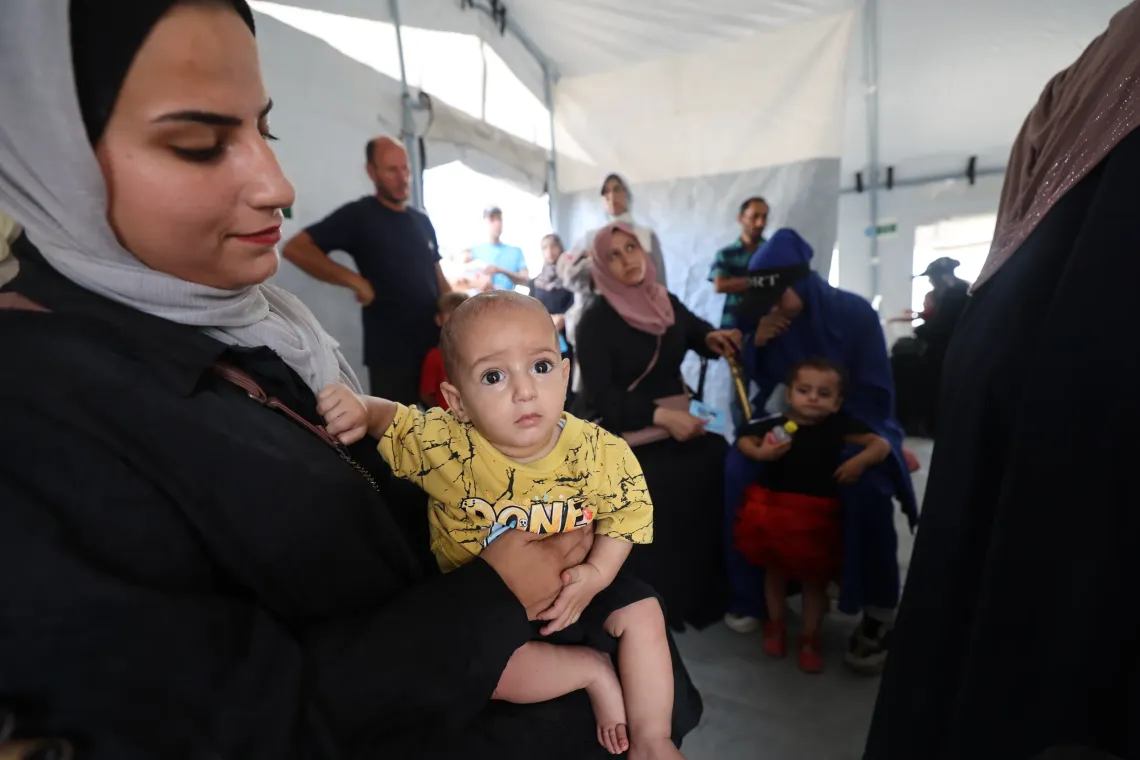
UNICEF’s mobile clinics are a lifeline in this precarious situation, monitoring high rates of malnutrition and infectious disease, treating chronic illness, and vaccinating vulnerable newborns.
"Families tell us, ‘You brought the services closer to us,’” says doctor Hassan Ayad, who heads up Team 17 of the mobile clinic in Gaza City. “In places that were previously unreachable, the mobile team now makes care accessible."
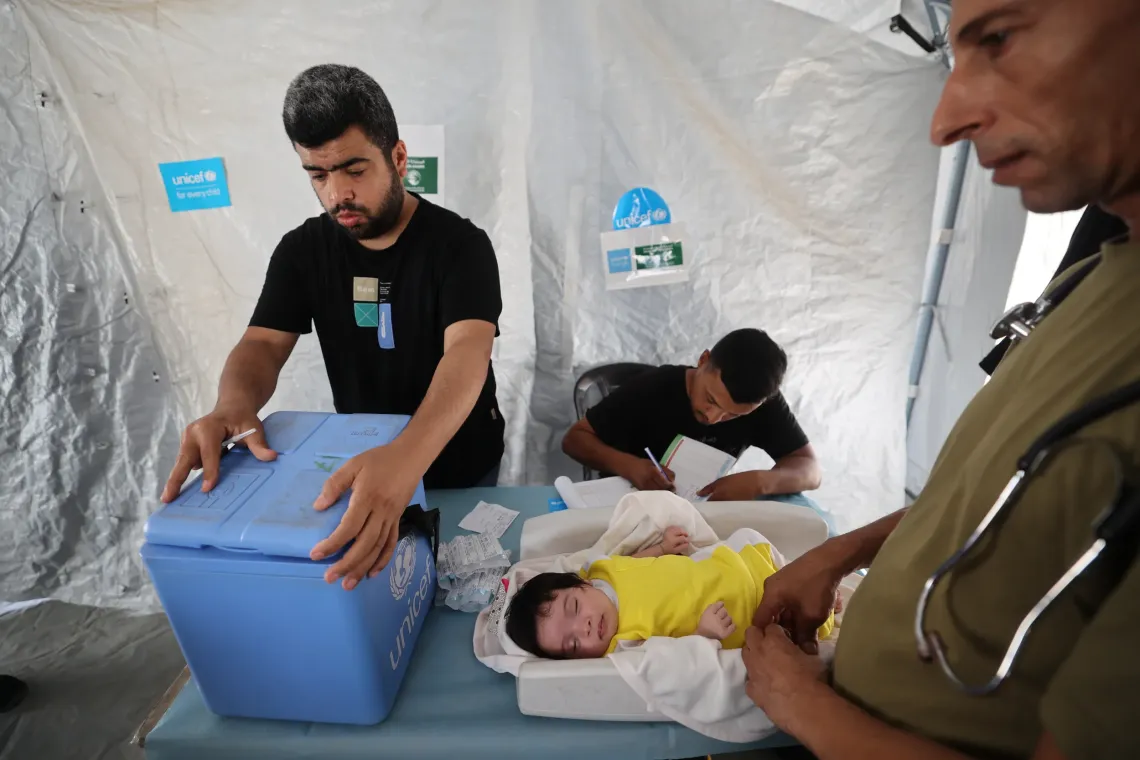
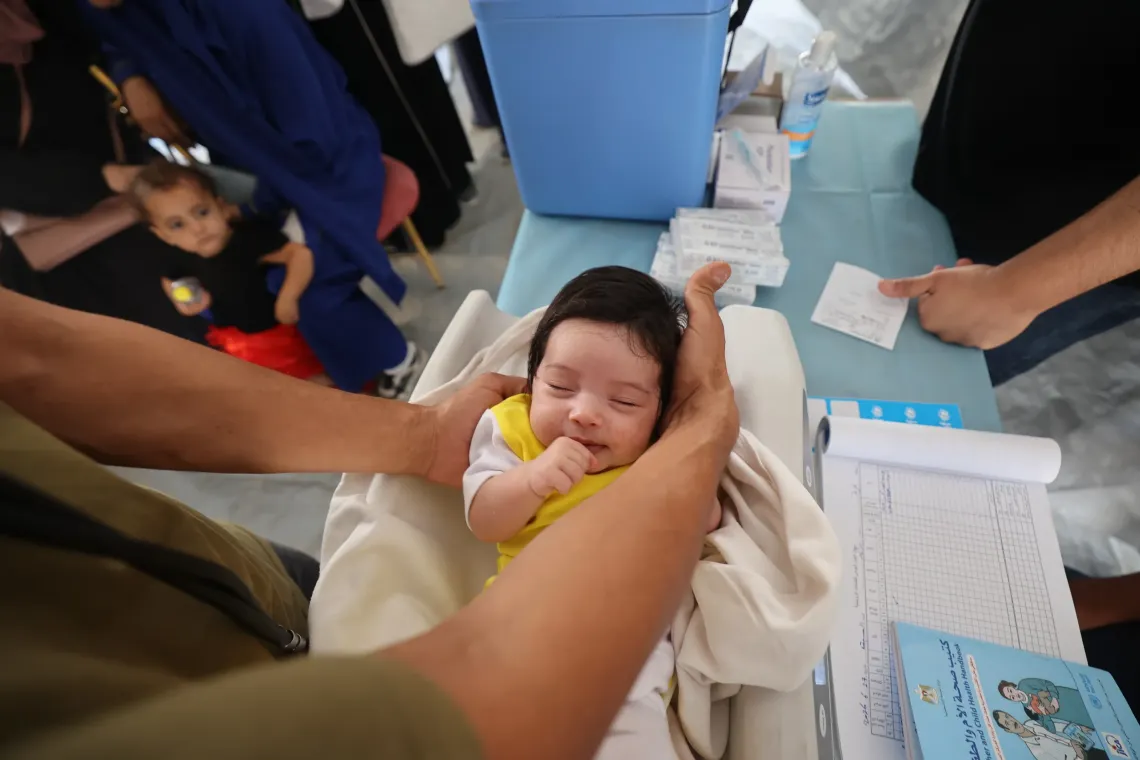
Humanitarian surveillance teams in the Gaza Strip reported a decline in cases of malnutrition and severe malnutrition from May to June this year, and anecdotal reports from UNICEF’s mobile clinic in Gaza City also indicate that diagnosed cases of malnutrition are slowing.
Severe malnutrition causes weakened immunity and makes children susceptible to long-term developmental delays. It is also a violation of children’s rights.
Source of Stability
Eighty-one per cent of all structures in the Gaza Strip have been destroyed, and fewer than half of its health facilities are functioning at all.
Restrictions on the entry of heavy equipment, cement, and other materials continue to prevent the rebuilding and restoration of Gaza’s infrastructure, including more permanent health facilities.
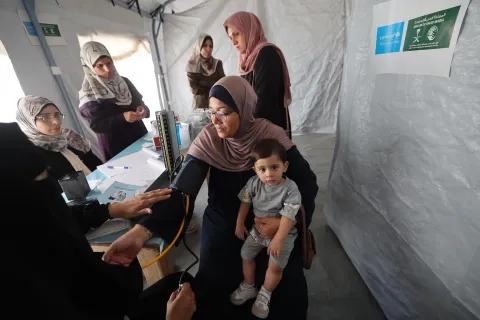
Nevertheless, UNICEF-supported mobile clinics offer stability and lifesaving health services to local families—even while operating out of a tent.
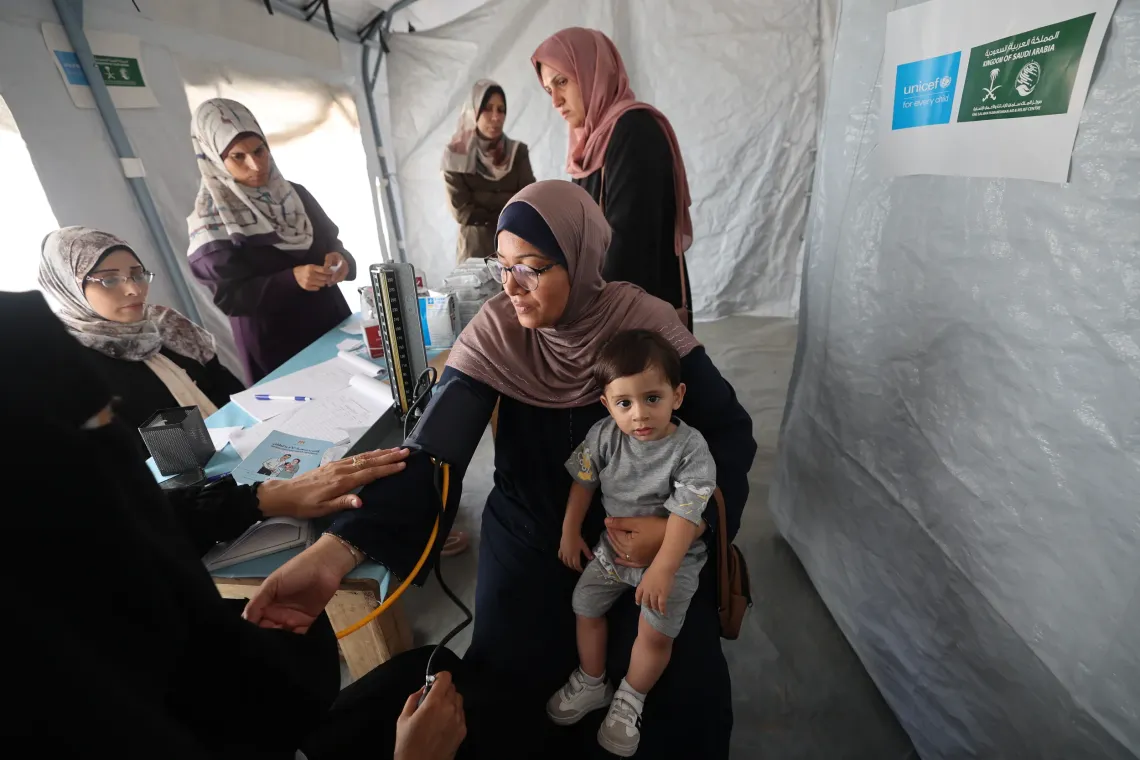
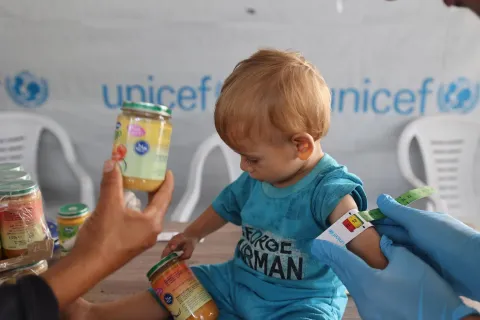
Rina brought her one-year-old, Yusuf, to the clinic to be vaccinated and for a check-up. The clinics use the mid-upper arm circumference (MUAC) method, measuring children’s arms to determine if they need nutritional support in the form of formula or high-nutrient packaged snacks.
"Yusuf used to suffer from malnutrition,” Rina says. “His measurement was 12, and today it is 14. I am truly delighted with this improvement."
"The centre is close, and whenever one of my [four] children or family members is sick, we come here for treatment right away. Thankfully, it is always available."
Malnutrition Tracking and Treatment
A June 2026 nutrition survey found that 70 per cent of infants and young children under age two in the Gaza Strip are experiencing moderate or severe food poverty.
The mobile clinics provide lifesaving vaccinations and screen children from birth to 18 months — and sometimes school age children — for malnutrition. They also provide services for pregnant women and breastfeeding mothers.
"We benefited greatly from the care here — they give us good medicines and pay close attention to our needs,” says Manar Dardouna, 19. "The best part is that they provide ultrasound scans, checking on the baby and reassuring us about the pregnancy."
The staff gave Manar folic acid and counselled her on the foods to eat to help ensure a healthy pregnancy and birth.
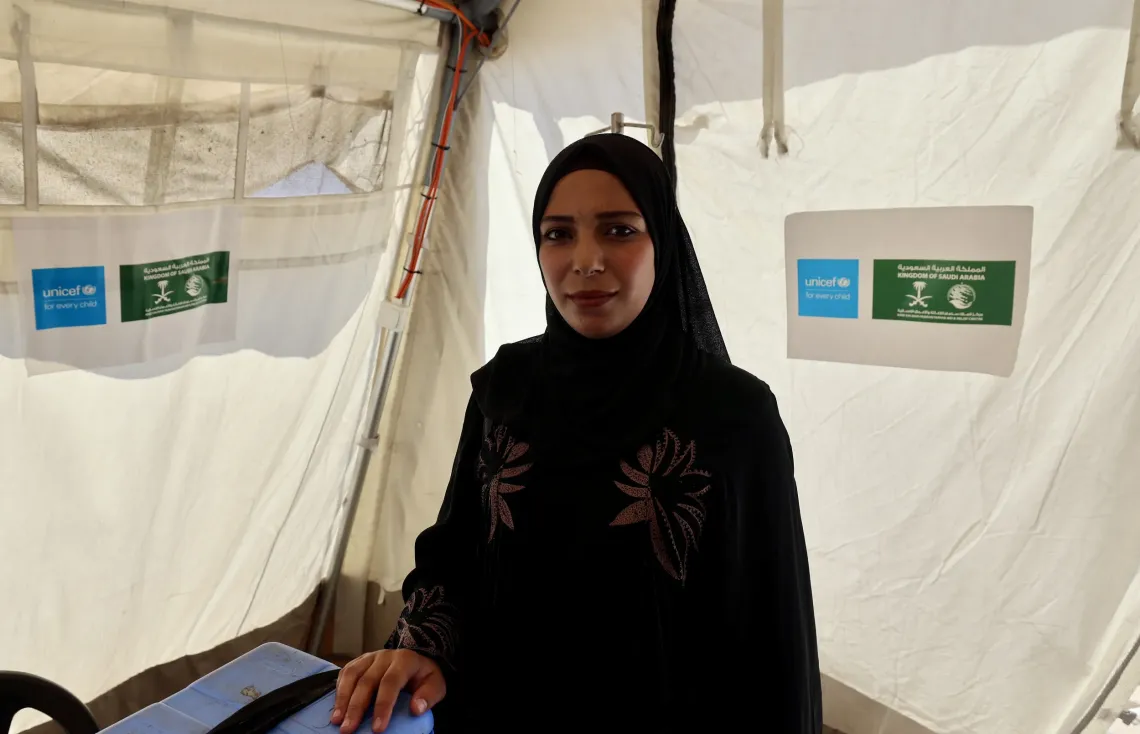
"On most days, we vaccinate 20 to 30 children,” says Dr. Ayad, “and provide nutrition services for 40 to 50 cases. When we first started, malnutrition cases were overwhelming, but today, thanks to this work, they have decreased significantly."
"We screen children aged 6 months to 5 years, provide supplements like fruit purées, starches, proteins, and fortified biscuits when needed. Pregnant women also receive iron packs and other essential support."
Overall, UNICEF-supported teams have screened 39,639 children aged 6–59 months and 27,712 pregnant and breastfeeding women for acute malnutrition, alongside 130 children over 5, enabling early identification and treatment.
Essential Health Support
The mobile clinics are funded by the King Salman Humanitarian Aid and Relief Centre (KSrelief). The support is meant to counteract the dire health conditions that Gaza’s children are living in, surrounded by rubble and waste with inadequate access to clean water.
Acute respiratory infections and skin diseases account for most illness in the Gaza Strip, while waterborne diseases—including acute watery diarrhoea, bloody diarrhoea and acute jaundice syndrome—are pervasive.
KSrelief funds are providing 2,000L rigid water tanks to communities so that they have clean water nearby. Creating community clean water points reduces risk to children, who are often tasked with finding and transporting family water needs, and protects against waterborne disease and poor sanitation.
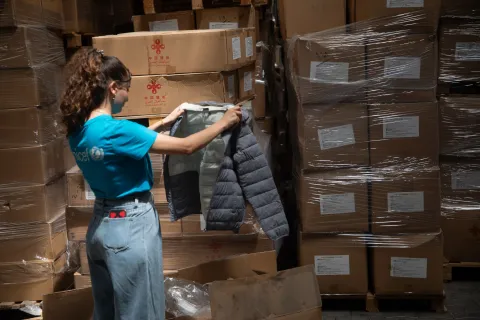
KSrelief funding supports the mobile clinics and procures essential medical supplies for health and nutrition care services, including high-risk pregnancies under a separate 18-month project. UNICEF was also able to donate three direly needed ventilators and three Dräger incubators to Gaza’s hospitals that support vulnerable newborns and premature infants. (Read “Special Delivery: Ventilators and Incubators to Protect Gaza’s Newborns” for more details.)
The project also trains health workers in feeding infants and young children in emergencies, and coaches caregivers in how to provide micronutrient supplementation for their children.
Families in the Gaza Strip often don’t have the means or ability to travel far for health care and these UNICEF-supported mobile facilities are making a difference.