This time, I am going home with my baby
After experiencing the loss of two children, a displaced mother in Galkayo finds hope and safe care as she welcomes her newborn son.
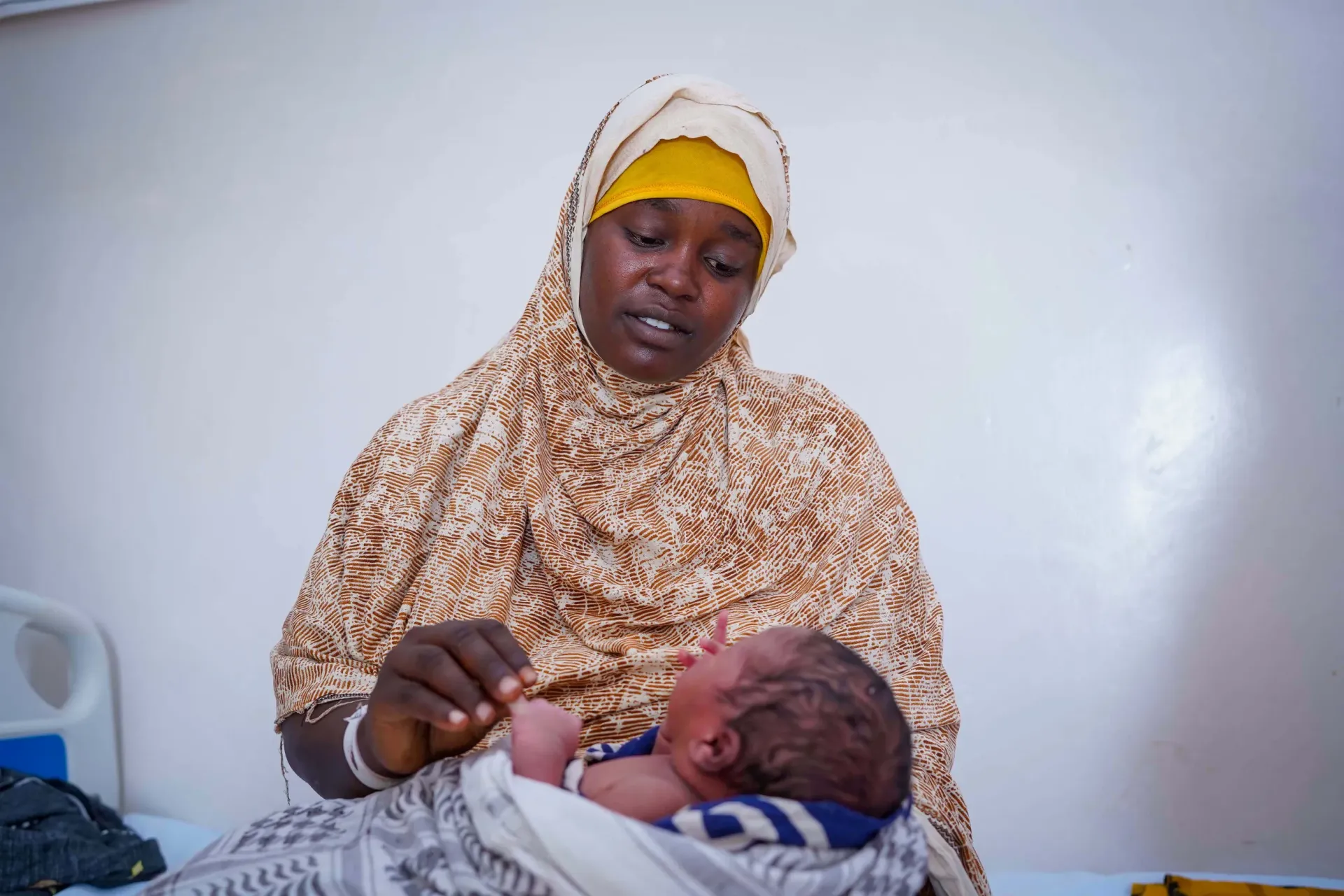
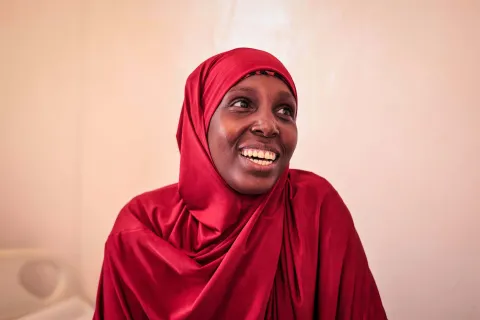
For Kiin Awale, welcoming her newborn son into the world was more than a joyful moment. It was a moment of relief. The 28-year-old mother knows how fragile life can be. Displaced from Mogadishu and now living in Galkayo with her family, Kiin has faced years of uncertainty. She has lost two children. Today, she is raising five children, all in good health, but the memories of those losses have stayed with her.
So when she became pregnant again, fear was never far away. “After what I had been through, I worried throughout the pregnancy,” she says. “You keep hoping everything will be okay, but you are never fully at peace.”
For families uprooted by drought, conflict and hardship, pregnancy can come with added risks. Limited income, unstable living conditions and limited access to healthcare often leave mothers vulnerable. Kiin and her husband currently do not have formal employment. Like many displaced families, they focus each day on meeting their children’s basic needs.
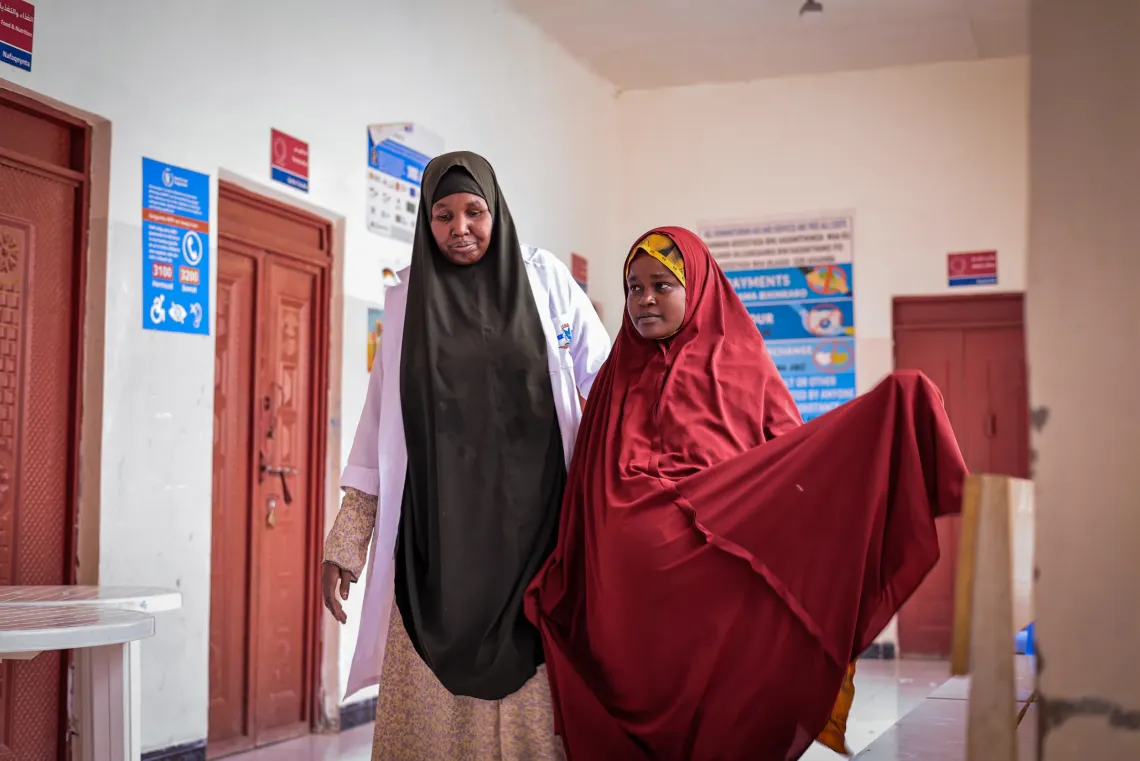
But when labour began, Kiin did not have to make an impossible choice between staying home or searching for help. At Galkayo Health Center, skilled care was available.
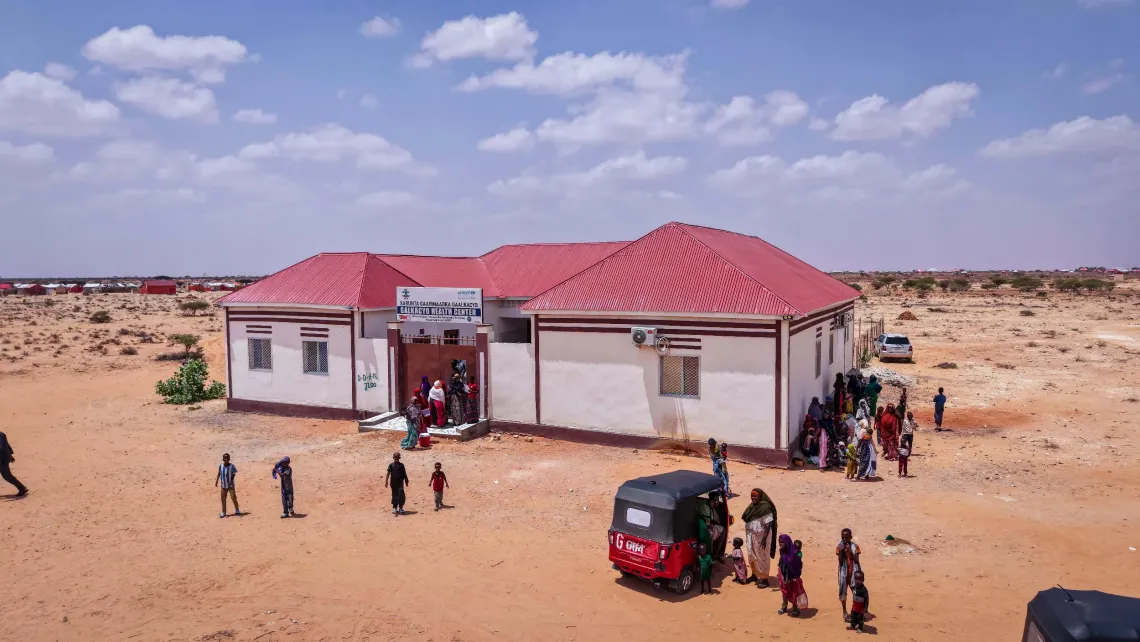
Supported through the Joint Resilience Programme, funded by the German Government, the facility provides round-the-clock maternal, newborn and child healthcare to communities in Galmudug, including displaced families who often have limited access to essential services.
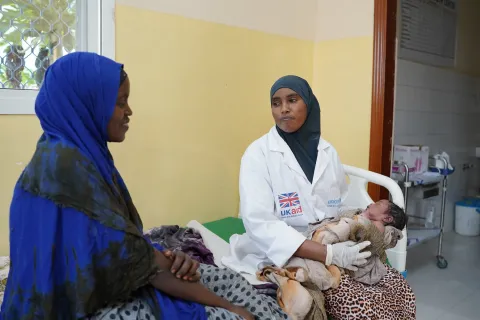
For nurse Siraad Mohamud, supporting mothers like Kiin is deeply personal. “Some women arrive carrying more than labour pain,” she says. “They carry fear, trauma, and memories of difficult pregnancies or children they have lost. Part of our work is helping them feel safe again.”
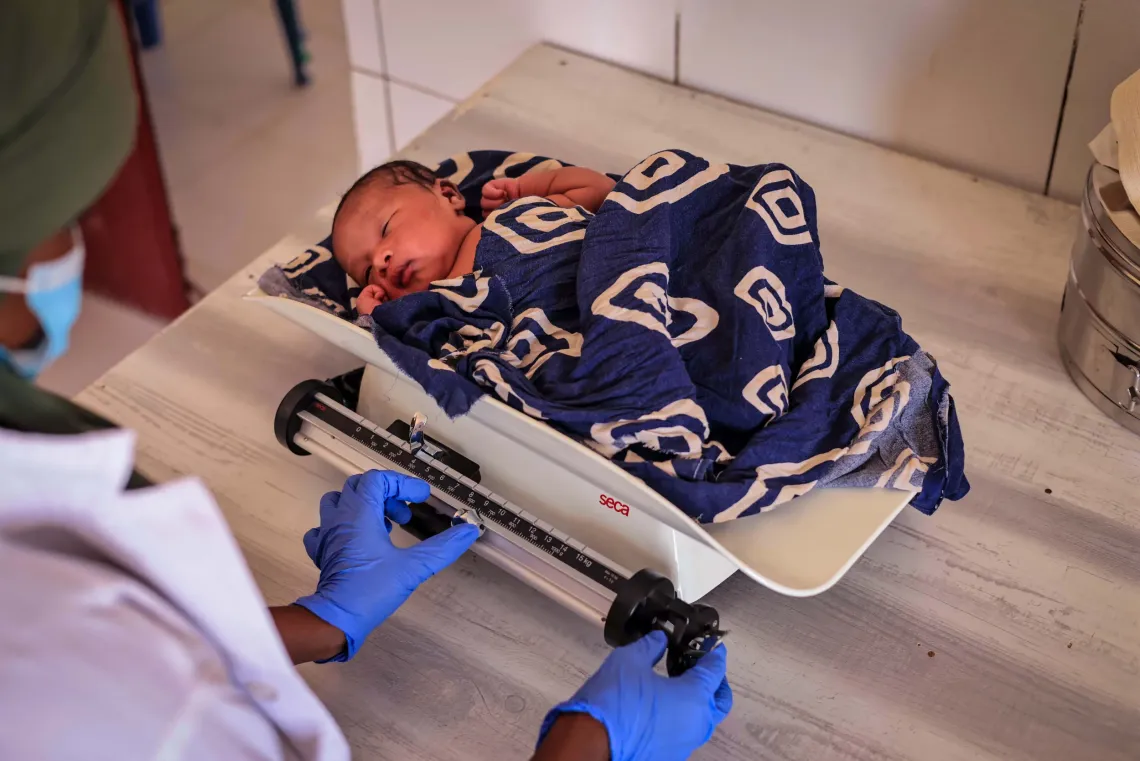
That reassurance matters. The health centre serves more than 35,000 households, offering safe deliveries, antenatal care, child health consultations, immunization, nutrition support and emergency referrals. For many mothers, that access changes everything.
“Before, some women delayed seeking care because they had no transport, no money, or nowhere to go,” says Siraad. “Now, more mothers are coming earlier, and that gives us the chance to prevent complications.”
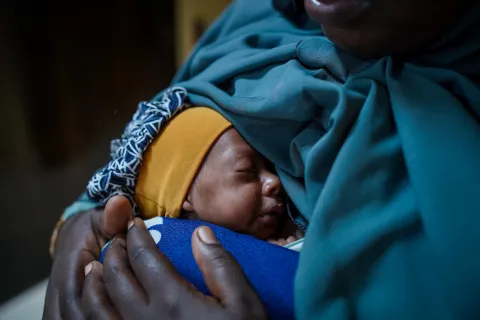
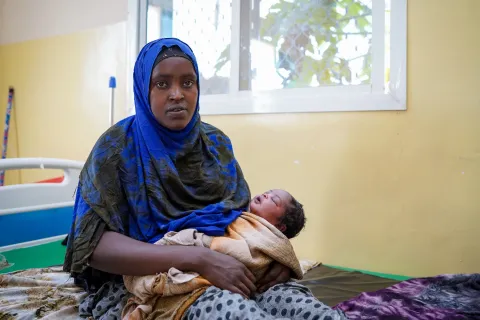
When Kiin arrived in labour, health workers acted quickly. She safely delivered a healthy baby boy. “The staff treated me well from the moment I arrived,” she says. “They helped me feel calm.” As she cradles her son, the exhaustion in her face gives way to a quiet smile.
For her, this birth represents something deeper than a new addition to the family. It represents hope after grief.
Across Somalia, resilient health systems remain essential for families facing repeated shocks from displacement and conflict. Through support from partners, facilities like Galkayo Health Center are helping ensure that mothers and children can access quality care close to home.
For Kiin, that support made all the difference. “After losing children, you carry that pain with you,” she says softly. “This time, I am going home with my baby.”