

UNICEF – Eight Decades with the Children of Serbia and the World
Answers to Frequently Asked Questions and Concerns

- Srpski
- English
What is the United Nations Children’s Fund (UNICEF) and what do we do?
The United Nations Children’s Fund (UNICEF) is an intergovernmental organization, an organization formed by agreements between countries to work together on common goals. UNICEF is dedicated to protecting children and their rights. We work with host country governments and institutions to help put the UN Convention on the Rights of the Child into practice.
UNICEF was founded in 1946 to help children whose lives had been devastated by World War II. Today, we work in more than 190 countries and territories: saving children’s lives, defending their rights, and supporting them to develop all their abilities.
Our task is to ensure that every child, especially the most vulnerable, can enjoy a safe and healthy childhood: to grow up healthy, to go to school, to be protected from violence, abuse and exploitation, and develop in a supportive environment that gives them security and confidence.
UNICEF’s goal is to create lasting change in the lives of children, young people and their families through strong national policies. We work hand in hand with governments, NGOs, civil society, the private sector, communities, citizens, and many other partners to achieve this.
Our efforts focus solely on children and young people: wherever they live, whatever their nationality or religion, and regardless of political circumstances. The well-being of every child is our mission, and we work with everyone who can help make it a reality.
prvi gore
In Serbia, UNICEF works in line with a Country Programme of Cooperation with the Government of the Republic of Serbia, which is adopted every five years. This is the standard way UNICEF country offices engage with host governments. The Country Programme is UNICEF’s contribution to national efforts to fulfil obligations of the UN Convention on the Rights of the Child (CRC) and other international human rights instruments.
Under the new Country Programme for 2026–2030, UNICEF in Serbia will focus on the following priority areas:
- Best start in life – Supporting parents, healthcare, preschools, and social services so every child grows up healthy, safe, and ready to learn.
- Better learning and skills – Helping schools modernize and teachers use new methods so all children and young people, especially the most vulnerable, gain the knowledge and skills they need for the future.
- Safe and supportive environment – Working with partners to prevent violence, protect children everywhere (at home, school, community, and online), and ensure access to mental health support.
Across these priorities, UNICEF will work with the government and partners to strengthen public financing for children – ensuring that policies, budgets, and plans prioritize their wellbeing and development, so more public resources go to the services that children need most.
You can learn more about the UNICEF–Serbia Country Programme 2026–2030 by clicking the button below.
Every change takes time, but every day also brings a new victory. UNICEF’s results in Serbia for 2024:
- 40,000+ children and caregivers in 45 municipalities were supported through parenting programmes and early childhood development interventions.
- Over 2,000 premature babies received life-saving care. UNICEF helped equip neonatal units and continues to work closely with the Ministry of Health and medical professionals to introduce and implement best practices in neonatal care.
- 125,000 students in 200 schools gained access to quality inclusive education.
- 23,000 preschool educators were trained through reforms supported by UNICEF to deliver a new play-based curriculum, helping children learn and develop through play.
- 1,500+ young people gained skills through trainings we organized with partners, and 5,000 young people engaged in volunteering and policy consultations at both local and national levels.
- 9,000+ mental health support sessions — phone and online consultations with mental health experts—were provided for children and young people out thanks to our programs and partners.
- 74 new foster families are ready to provide children with a warm home after receiving training and support from UNICEF and our partners.
- 2,217 refugee and migrant children and their caregivers received essential protection and support.
- 1,000+ unaccompanied children found shelter and safety in Serbia.
- 50,000+ individuals and nearly 500 companies supported UNICEF’s mission in Serbia, helping us achieve results.
The Beginning
- 1946: In December, the United Nations General Assembly established UNICEF to help children in the aftermath of World War II.
- 1947: Just one year later, UNICEF delivered its first shipment of emergency humanitarian aid to the former Yugoslavia. It was the largest delivery of milk, clothing, shoes, soap, and other urgently needed supplies in post-war Europe.
- 1948: Yugoslavia became the first country in Europe, and the second in the world, to establish a National Committee for UNICEF, sending aid abroad while also receiving UNICEF support.
- After 1948: During the 1950s and 1960s, UNICEF supported children across the country with better nutrition, vaccination programmes, and access to schooling.
- 1957: UNICEF contributed to the establishment of the dairy industry in Serbia by providing equipment and technology for pasteurizing and bottling. One of these factories is today’s IMLEK.
Testimony: See what Dr. Vida Parezanovic, a doctor who worked with UNICEF at the time, said about our efforts.
1990–2000
- 1990: The Socialist Federal Republic of Yugoslavia signed and ratified the Convention on the Rights of the Child.
- 1991: UNICEF opened its Office in Belgrade to respond to the crisis in the former Yugoslavia and provide children in war-affected areas with essential aid and support.
- 1995: Emergency medical kits, hygiene supplies, blankets, infant formula, children’s clothing, diapers, and other necessities were delivered to 40,000 refugee children and mothers. UNICEF also helped rebuild and strengthen national systems to provide basic services crucial for children’s survival and development.
- 1999: In response to the Kosovo* crisis (in line with UN Security Council Resolution 1244), UNICEF expanded its work to assist internally displaced families and children.
- After 2000: UNICEF in Serbia focused on reforms in the health, education, and social protection systems. We promoted the inclusion of children with developmental disabilities, supported families facing poverty and discrimination, and strengthened protection of children from violence.
- Today: UNICEF in Serbia works in partnership with the government, communities, NGOs, civil society, media, the private sector, and citizens.
Our Priorities:
- Quality and inclusive education
- Mental health of children and young people
- Support for families with children
- Child health in early childhood and early interventions
- Protection from violence
- Crisis response, and more.
Thanks to donations from the corporate sector and individuals, we support the Government of the Republic of Serbia to provide children with what they need most: well-equipped neonatal units, better mental health support to children and young people, quality and inclusive education for every child, and early interventions for children with developmental disabilities.
UNICEF responds quickly in emergencies to protect children’s rights. Working with UN partners and humanitarian organizations, we make our rapid-response capacities available to help children and those who care for them, easing their suffering.
People often ask on social media: “Where were you in the 1990s?” or “What did you do during the NATO bombings?” The answer is simple: UNICEF has been in Serbia through every crisis, supporting children and their families. We were here during the wars of the 1990s and throughout the NATO bombings, standing by children and their families. Every day, we worked to ease the impact of conflict and hardship. Our commitment has always been clear: to stand with children, no matter the circumstances.
The 2014 Floods
During the floods in Serbia in 2014, UNICEF provided vital assistance to children and families to help restore normalcy in their lives. We delivered 9,250 hygiene kits, 5,000 blankets, and two water pumps, mobilised 120 volunteers, and opened 17 Child-Friendly Spaces, providing more than 700 children with safe spaces to play and receive psychosocial support to ease emotional stress and trauma.
UNICEF also supported 98 children from 64 foster families, organised programmes for 250 children in five collective centres and supplied nearly 5,000 sets of textbooks and notebooks to help 5,600 students continue their education despite the disaster.
COVID-19 Pandemic
During the COVID-19 pandemic in Serbia, UNICEF provided 50 ventilators, 416 oxygen flowmeters, nearly 350,000 surgical masks, 9,000 N95 masks, and thousands of other protective items, as well as hygiene supplies that reached over 53,000 people in Roma settlements, 4,400 foster families, and 2,000 people in refugee and migrant centres. Through the newly introduced remote work model, health mediators reached 40,000 families with young children, while maternal and child health nurses provided individual counselling support online to 16,000 families.
To keep education going, around 943,000 children were supported in distance learning, 13,500 teachers completed digital education training, and more than 600 young volunteers provided 7,650 hours of online support. Messages about COVID-19 and parenting advice reached over 1.2 million people through RTS and social media.
UNICEF also helped deliver over 750,000 vaccine doses through the COVAX system, protecting communities across the country.
Click here to see more about our engagement during the COVID-19 pandemic.
Mass Shootings at “Vladislav Ribnikar” Elementary School, Dubona, and Malo Orašje
Immediately after the tragic shootings at “Vladislav Ribnikar” Primary School, and later in Dubona and Malo Orašje, UNICEF acted quickly to support children, families and schools. We provided materials for counselling sessions, and developed and distributed easy-to-use psychosocial resources to teachers, parents, and children in all affected schools - and soon after, in schools across Serbia.
A network of 283 psychologists was mobilized and guidelines for responsible media reporting were issued. Within the first month, 2,815 teachers were trained for crisis response through webinars and workshops. UNICEF also provided expert support to the Institute of Mental Health and newly established working groups of the Government of the Republic of Serbia.
Beyond immediate support, UNICEF helped lay the foundations for long-term violence prevention and for strengthening the mental health care system for children and young people across the country.
Find more information about our work following these tragedies at THIS LINK.
In Serbia, we are often asked about UNICEF’s role in helping children and families affected by international crises and emergencies, such as those in Ukraine, Gaza, Sudan, the Democratic Republic of Congo, and other conflict-affected areas.
UNICEF is present in more than 190 countries and territories, with local and regional offices ready to respond to emergencies. In every crisis, our local teams are already on the ground, before the outbreak or escalation conflict or an emergency, providing ongoing support to children and families in need.
In Ukraine, where UNICEF has worked since 1997, we continue to support children and families daily. At the same time, we are also helping displaced families in neighbouring countries through response offices in Poland, the Czech Republic, Hungary, Slovakia, Romania, and Moldova.
For more information on UNICEF’s work and support in Ukraine, please explore THIS LINK.
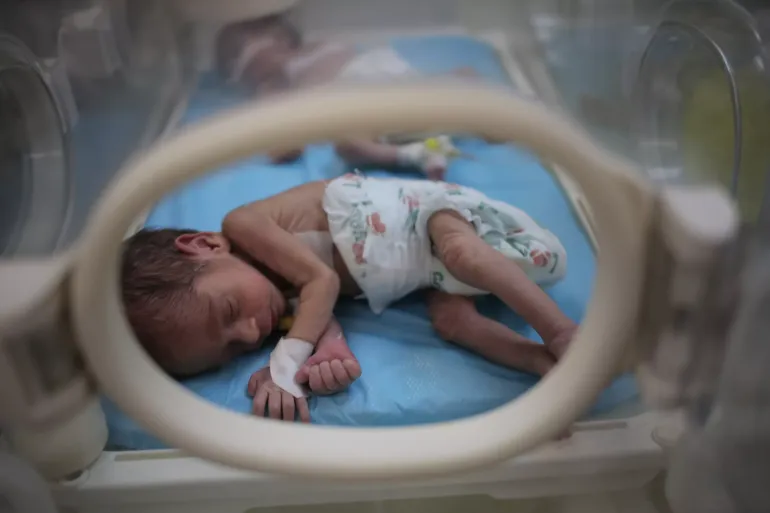
UNICEF has been present in the State of Palestine since 1965. From the very beginning of the Gaza crisis, hundreds of UNICEF staff members have worked tirelessly to support children and families caught in conflict. They deliver life-saving assistance, including food, clean water, healthcare, education, and psychosocial support.
You can find more information at THIS LINK.
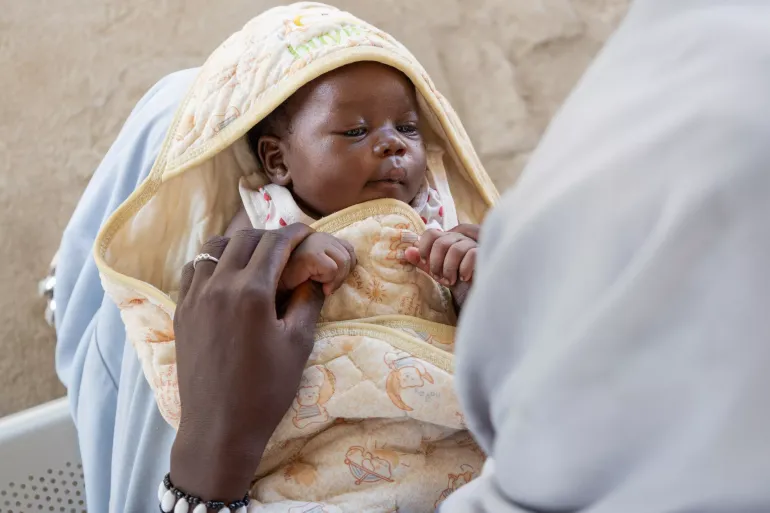
In Sudan, ongoing violence has created one the world’s largest child refugee crises. More than seven million children have been displaced, and 15 million are in urgent need of humanitarian assistance. UNICEF is on the ground, providing clean water, nutrition for malnourished children, safe spaces for those who have survived the conflict, and education for over 200,000 children.
Learn more about our response on THIS LINK.
How is UNICEF financed, and how are donations spent?
UNICEF is fully funded by voluntary contributions from governments, the private and public sectors, and individuals. We regularly publish annual reports to show how every donation helps improve the lives of children. Transparency is central to our work. See our results in Serbia for 2025 and previous years at THIS LINK.
How does UNICEF prevent any unlawful behaviour of its employees toward children?
UNICEF has a strict zero-tolerance policy for any form of violence, exploitation, or abuse of children. All staff and partners must follow strict rules on child safeguarding and ethical conduct. Clear reporting and accountability mechanisms are in place, and any report of misconduct is thoroughly investigated and addressed in line with the highest professional and legal standards.
Who are UNICEF’s National Ambassadors in Serbia and what is their role?
For more than 70 years, UNICEF has partnered with prominent figures from the arts, sports, culture, and other fields, who use their reputation and talent to mobilise support for children - both among the general public and within their professional communities. In Serbia, our National Ambassadors are Ana Ivanovic, who supports programmes for early childhood development, and Aleksandar Sasa Djordjevic, who champions education and sports for children and young people. They serve as positive role models for children and young people, advocate for child rights and help raise funds for UNICEF’s programmes that improve children’s lives.
Who works at UNICEF in Serbia?
UNICEF in Serbia ’s office is staffed by professionals specialised in children’s education, health, protection, and rights monitoring. Most of our employees are local experts who understand the needs of children and families in Serbia and know the local context, while international specialists join when their expertise is required.
Learn more about our team in the video below.
