Stronger Support for Children with Developmental Difficulties and Their Families Across Serbia
Institutions and local governments join forces to make early childhood support accessible and sustainable
- Srpski
- English
Belgrade, 23 September 2026 – Family-centred early childhood intervention (FECI) services, which bring together the health, education and social protection sectors to provide timely and coordinated support to children with developmental difficulties and disabilities and their families, are now available in 80 per cent of districts across Serbia. The further expansion and sustainability of these services were the focus of a conference held today at the Institute for Early Childhood Development and Inclusion in Belgrade.
The conference brought together representatives of relevant ministries, local governments, institutions and professionals to take stock of progress and discuss the next steps towards making quality services available across Serbia. An important part of this process is strengthening the systemic and regulatory framework for early childhood intervention, particularly within the health system.
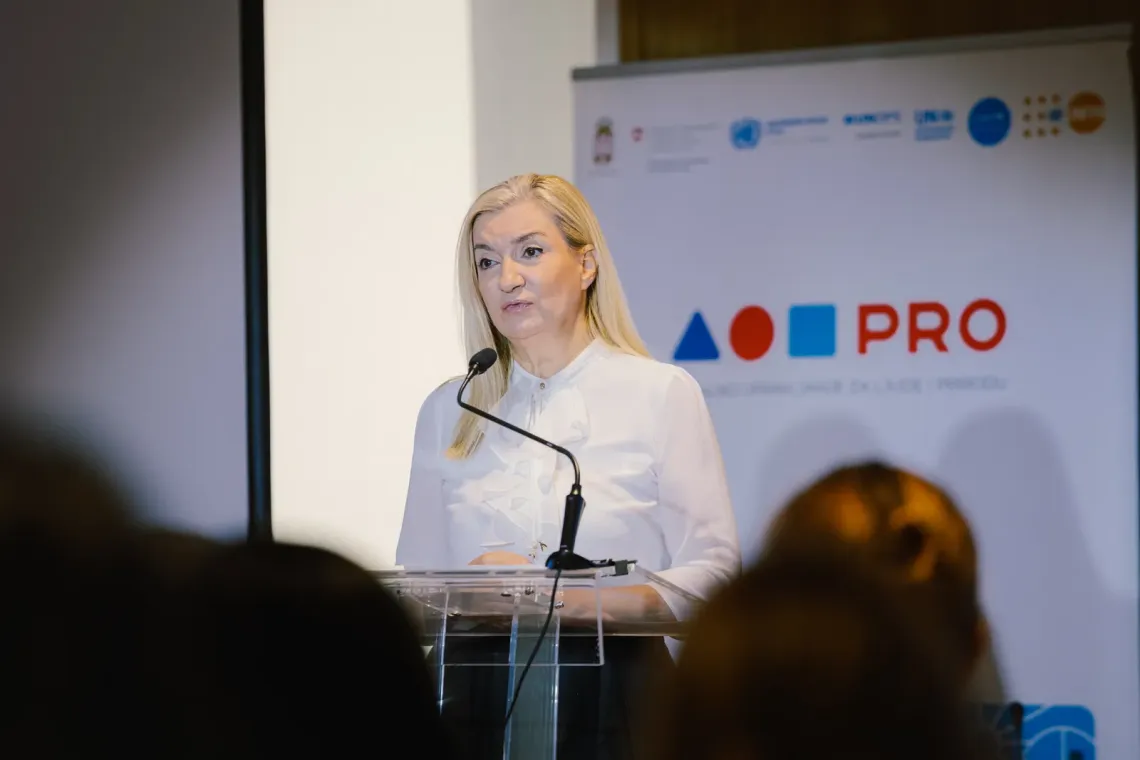
“Through amendments to secondary legislation, the Ministry of Health is creating the conditions for support to children with developmental difficulties and their families to become more accessible and available closer to where they live. This includes developmental counselling units in primary health care centres in every district, support from early intervention professionals in family homes and preschools, video consultations and intersectoral teamwork. By establishing the Institute for Early Childhood Development and Inclusion, we have further strengthened connections between professionals and services across the country, so that every child and family can receive timely, quality and coordinated support,” said Prof. Dr Ivana Stašević Karličić, State Secretary at the Ministry of Health.
Further expansion requires strong systems and capacities to ensure that quality support is available to every child who needs it.
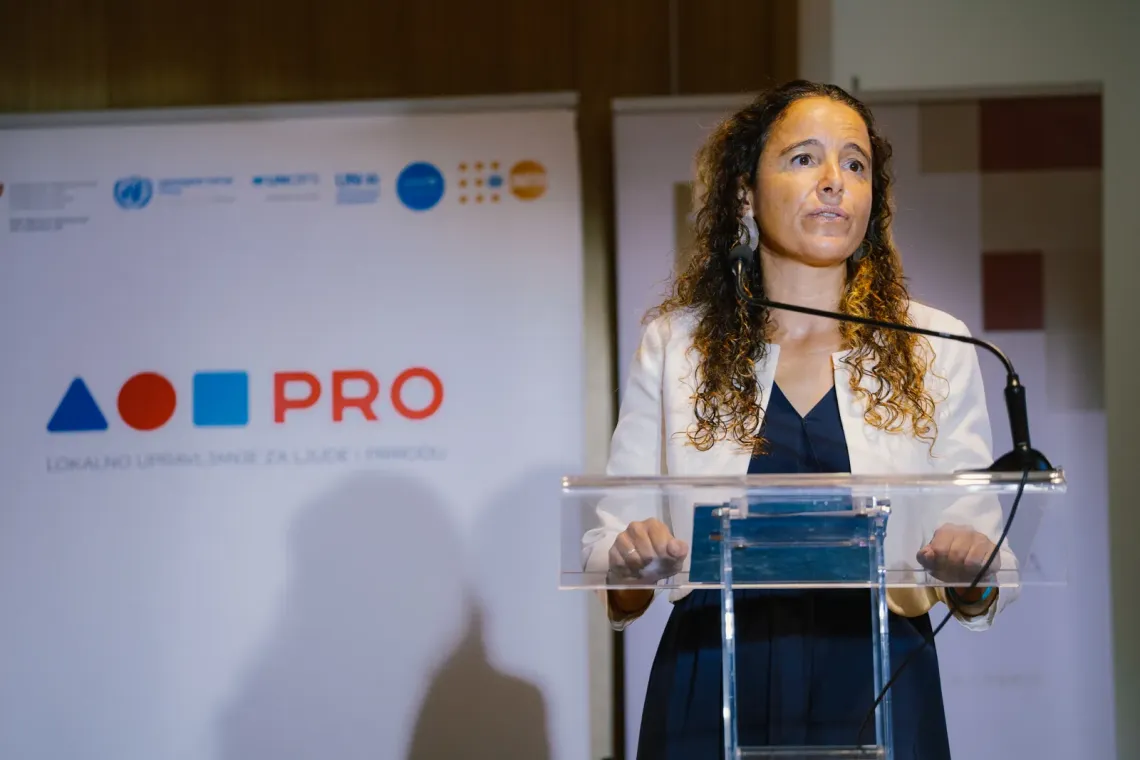
“Every child with developmental difficulties or disabilities should have access to timely, quality support, regardless of where they live. Serbia has built strong foundations for family-centred early childhood intervention, and the priority now is to make these services sustainable and available across the country. Together with national and local partners, UNICEF is strengthening the systems and local capacities needed to make this ambition a reality,” said Carole Vignaud, UNICEF Deputy Representative.
Local governments have an important role to play in ensuring the sustainability of these services. Since last year, services have expanded to 16 smaller municipalities across four targeted districts, while this year 16 local governments have planned and allocated approximately 15.6 million dinars for FECI services.
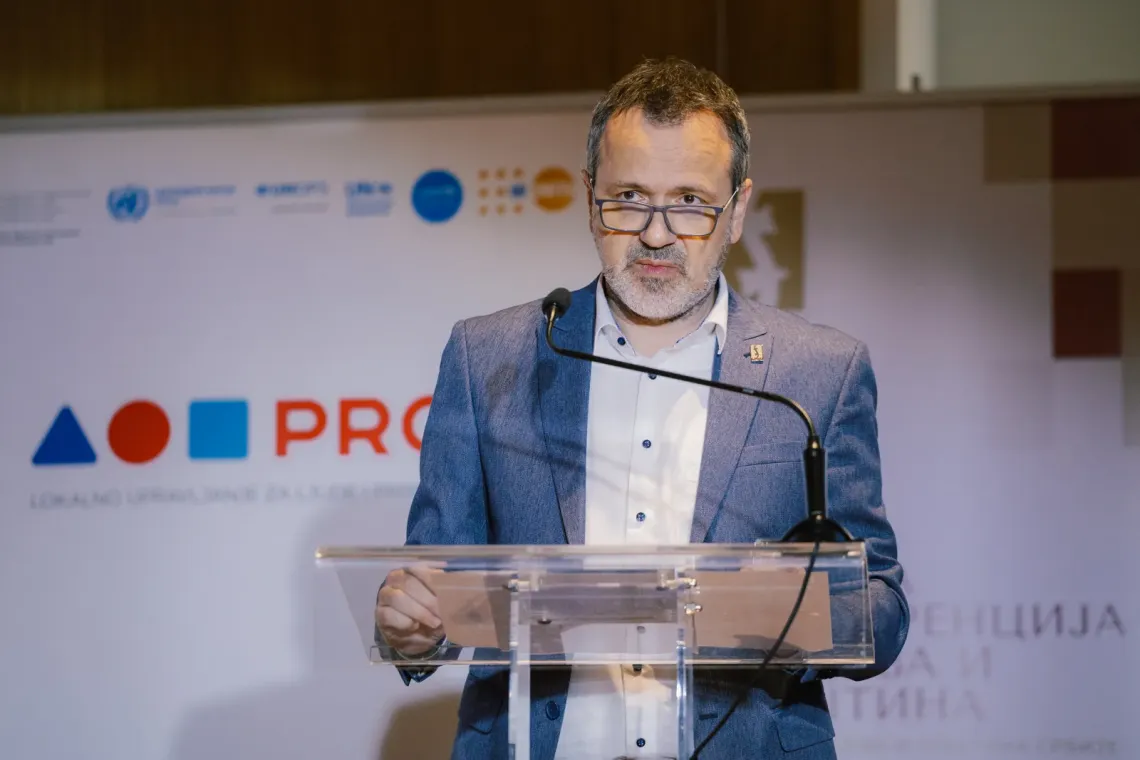
“None of these systems, however developed or professional, can respond to all the complex needs of children and families on its own. It is through intersectoral cooperation that we create the conditions for integrated, innovative and quality services that put users at the centre,” said Ivan Milivojević, Deputy Secretary General of the Standing Conference of Towns and Municipalities.
The FECI model is built on precisely this kind of cooperation. Professionals from the health, education and social protection sectors work as a team with families, with support provided in the child’s natural environment: at home, in preschool and in the community.
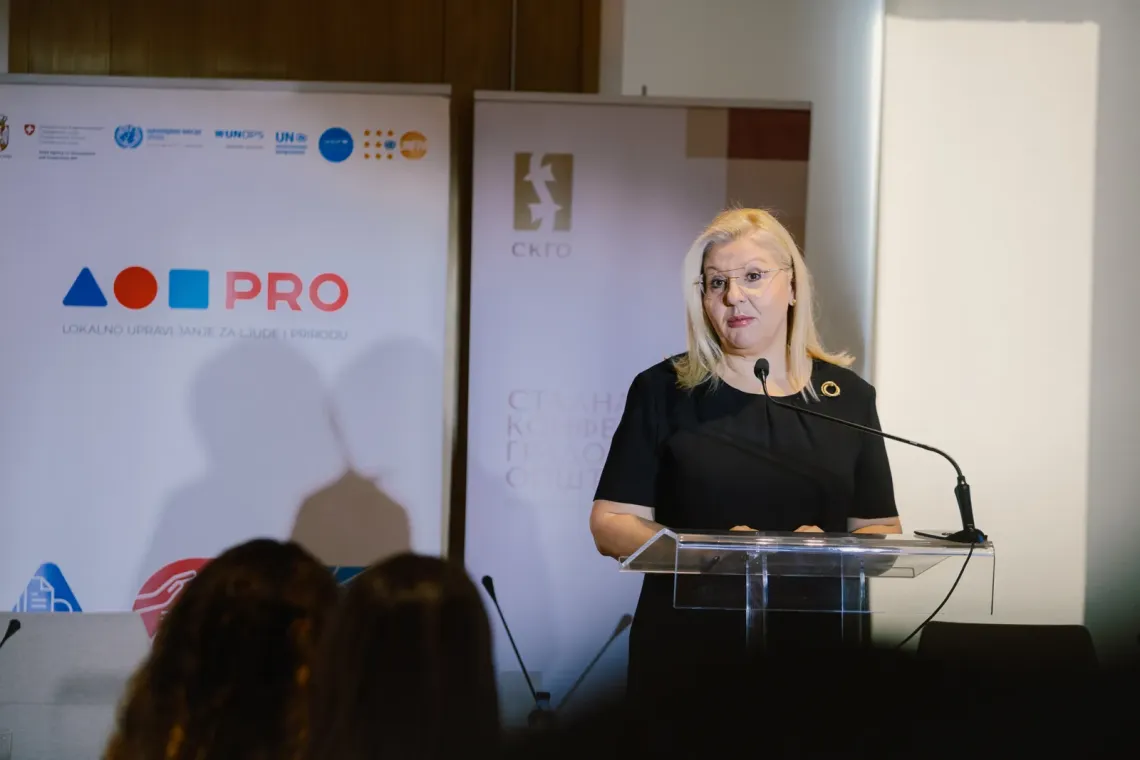
“Early intervention is an interconnected system in which the health, social protection and education sectors, together with local communities, act in a timely manner and as one team. Initiatives such as these, convened and supported by UNICEF, are helping the Institute for Early Childhood Development and Inclusion become a place that brings together professionals, institutions and families to develop this system together,” said Tatjana Subotić, Director of the Institute for Early Childhood Development and Inclusion.
The next steps include further expanding services, ensuring sustainable financing, advancing regulatory solutions and strengthening intersectoral and intermunicipal cooperation, with a particular focus on children and families who need support the most.
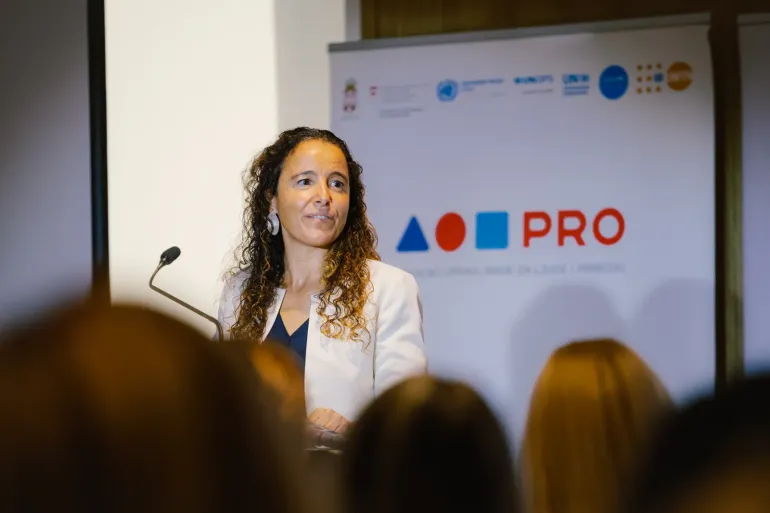
The conference was jointly organised by the Standing Conference of Towns and Municipalities, UNICEF and the Institute for Early Childhood Development and Inclusion, as part of the “Child Rights in Local Governments” project, implemented within the “PRO – Local Governance for People and Nature” programme. The programme is jointly implemented by UNOPS, UNICEF, UNFPA and UNEP, in cooperation with the Government of the Republic of Serbia and with financial support from the Government of Switzerland.