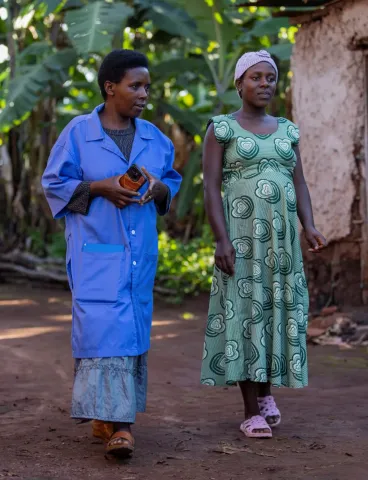
On the frontlines to contain an outbreak
UNICEF is supporting the Government of Rwanda to contain the spread of the Marburg Virus Disease, the first such outbreak Rwanda has faced.
On September 27, 2024, the Marburg Virus Disease (MVD) outbreak was officially declared in Rwanda. The outbreak prompted a swift and coordinated response from various stakeholders, including UNICEF, which is playing a crucial role in supporting the Government of Rwanda's efforts – through the Ministry of Health and the Rwanda Biomedical Center – to contain and manage the outbreak of the deadly virus.
MVD is a rare but severe hemorrhagic fever caused by the Marburg virus, which is closely related to the Ebola virus. A high fatality rate, and the fact that there is no specific antiviral treatment for MVD, only served to exacerbate matters.
However, the outbreak, which affected seven out of 30 districts, prompted a swift and coordinated response from various stakeholders, including UNICEF, which is playing a crucial role in supporting the Government of Rwanda's efforts – through the Ministry of Health and the Rwanda Biomedical Center – to contain and manage the outbreak of the deadly virus.
Provision of Essential Supplies
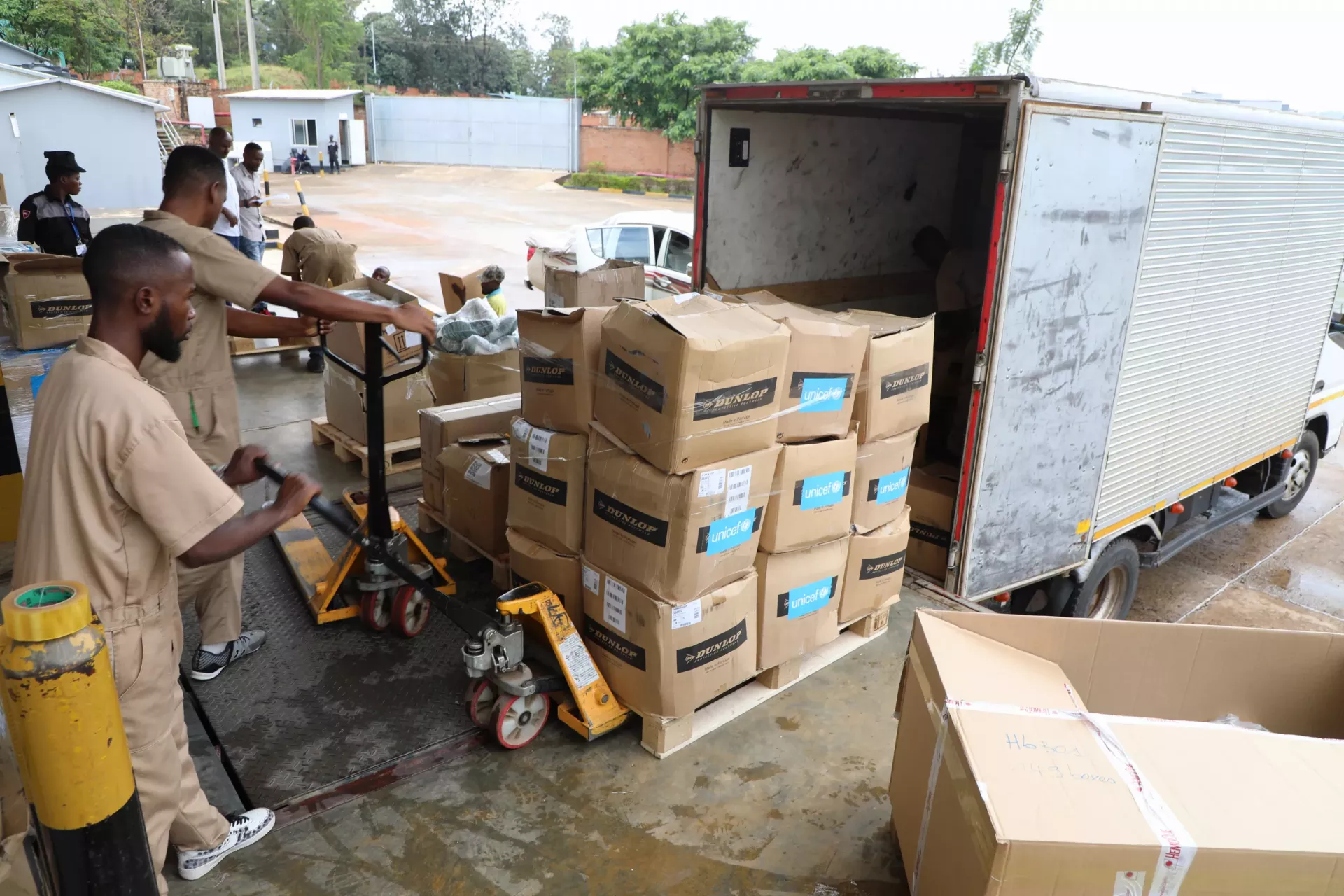
UNICEF sourced from the neighboring UNICEF Tanzania country office, 19,200 pieces of personal protective equipment (PPE) worth US$ 60,000, including boots, coveralls, face shields, and gloves, to bolster the safety of healthcare workers on the front lines.
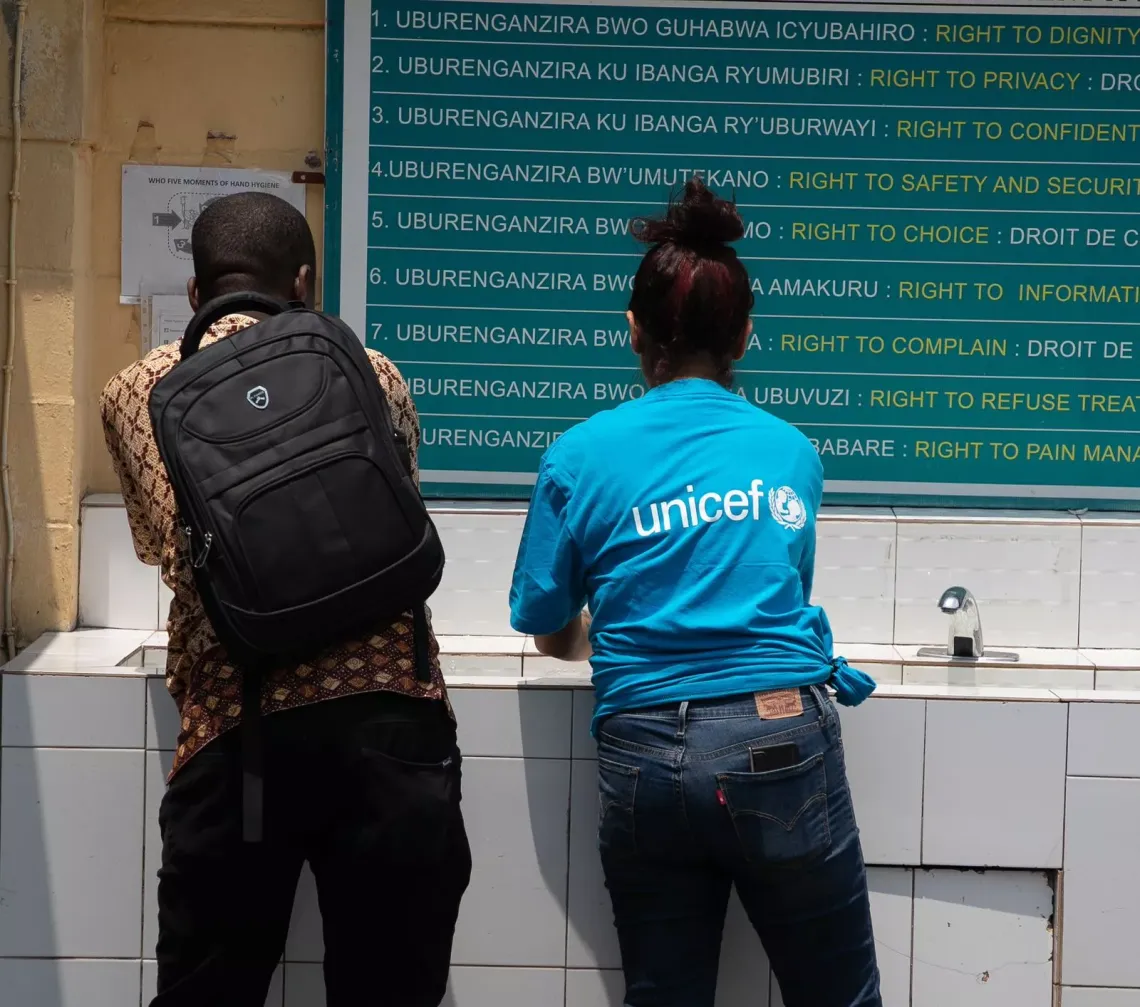
Additionally, UNICEF procured Water, Sanitation, and Hygiene (WASH) supplies to enhance infection prevention and control (IPC) measures in health facilities.
Risk Communication and Community Engagement
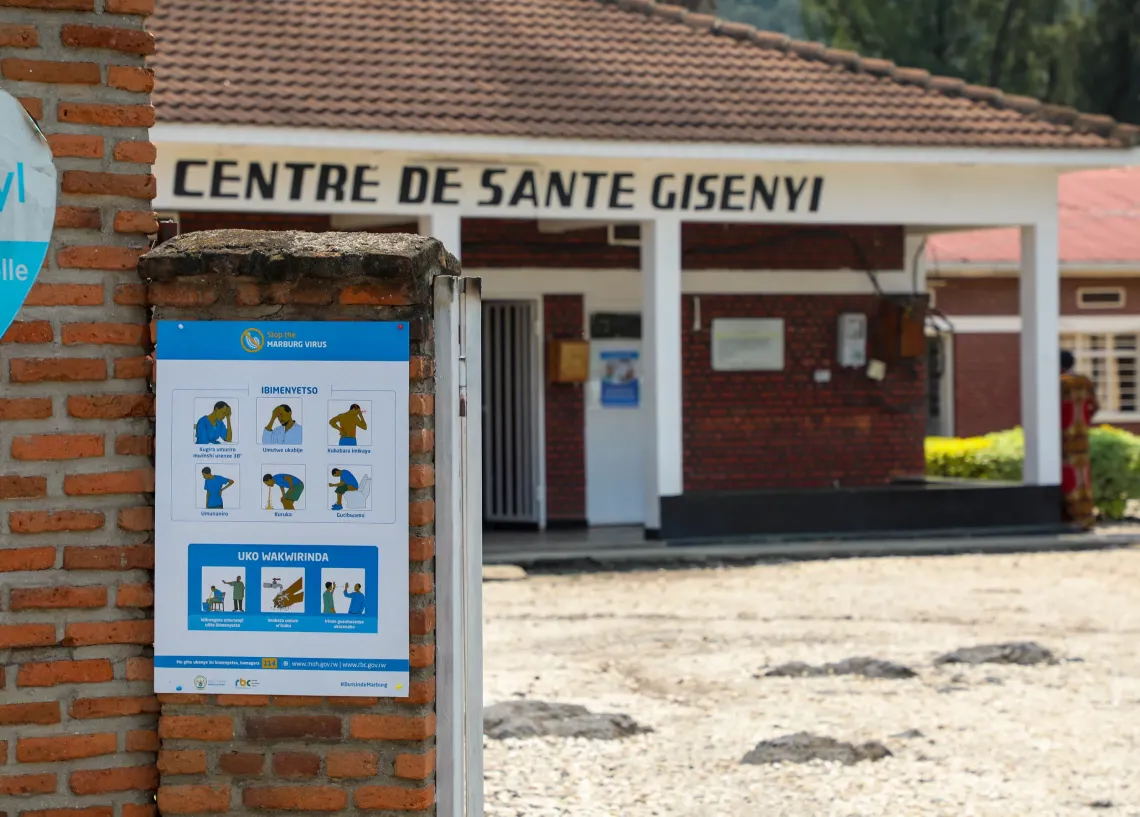
UNICEF facilitated developing Risk Communication and Community Engagement (RCCE) strategy with Rwanda Health Communication Centre under the Ministry of Health. This strategy involved adapting existing materials to the current context and disseminating them promptly to ensure the public received accurate and timely information about the outbreak. UNICEF regularly participates in the updates shared by the Command Post to effectively coordinate daily RCCE interventions.
Emergency Coordination and Surveillance
UNICEF's support extended to emergency coordination, assisting in activating the operations center and decentralized cells to enhance collaborative surveillance. This included contact tracing, active case searches, and point-of-entry screenings in Kigali and at land borders.
Community Awareness and Training
To further strengthen the response, UNICEF plans to organize sessions with journalists and social media influencers to brief them on the Marburg Virus Disease and their role in promoting accurate information. This initiative aims to ensure that the public remains well informed and engaged in preventive measures.
Through it all, UNICEF Rwanda continues to contribute to the government's efforts to manage the Marburg Virus Disease outbreak and addressing public health emergencies overall.