Fending off poverty for good: How VSLAs are transforming lives in rural Rwanda
UNICEF is working with partners to establish Village Savings and Loans Association (VSLA) - small, member-run microfinancing groups – which are enabling those living in poverty to build savings and take out loans at low interest rates.
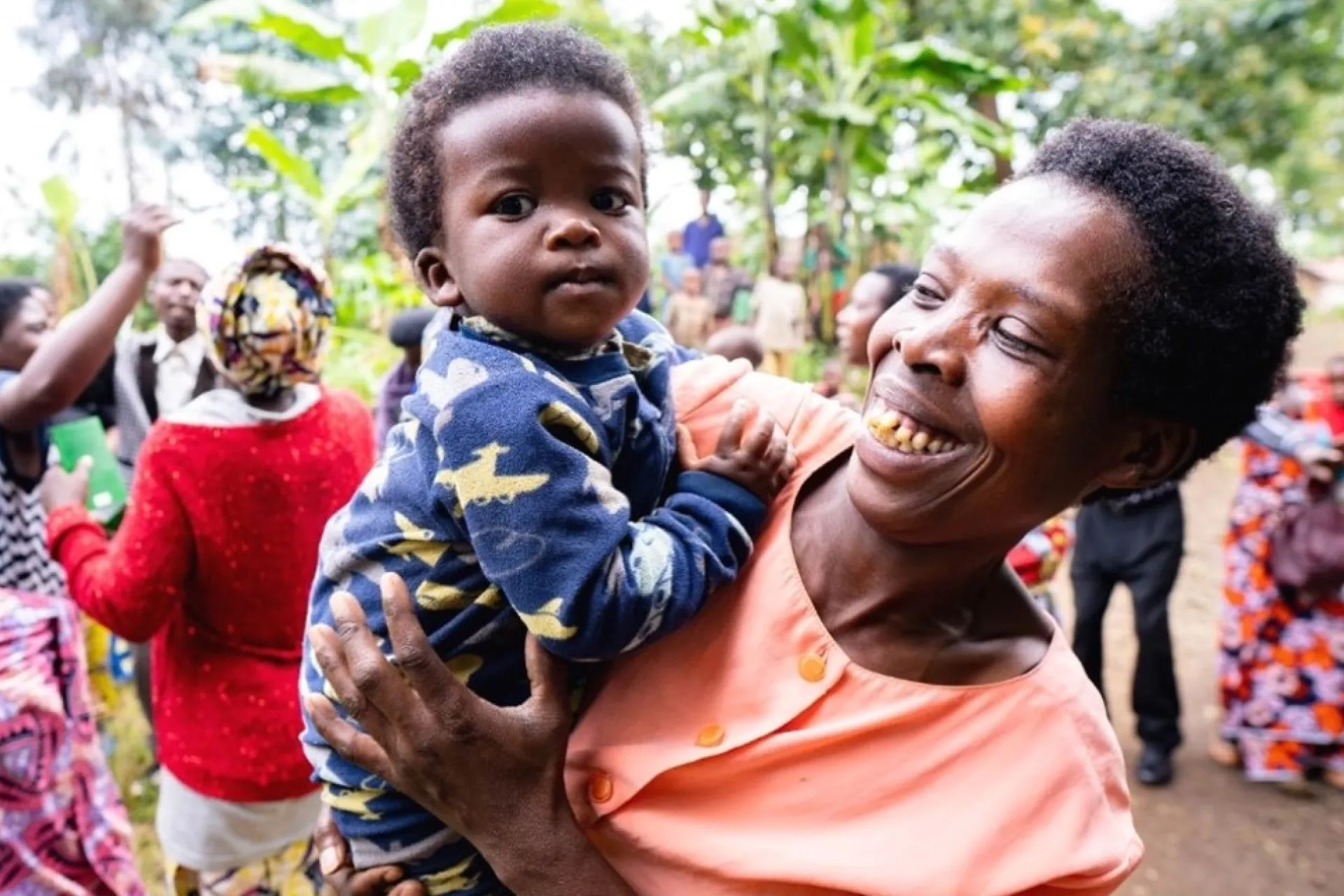
Meet Theodetta Yamfashije, a mother of five who lives in Ngororero District, Western Rwanda.There is an energy to her that belies her age and her infectious smile lights up any room she enters.I had the privilege to meet and interact with Theodetta when visiting the local gathering of their Village Savings and Loans Association (VSLA), during which repayments are made, more loans disbursed and discussions had about the overall state of their association, affectionately dubbed “ikimina” in Kinyarwanda.
“As a result of being part of this VSLA, I have acquired valuable skills, and learned about the importance of having savings to lift myself out of poverty. In addition, we have also helped each other to create kitchen gardens, which has gone a long way in helping me ensure a balanced diet for my family, which we didn’t adhere to before,” she tells me.
Theodetta is one of hundreds in her community that have benefitted immensely from the UNICEF-aided Developing Human Capital in Rwanda (DHCR) project funded by the Embassy of the Kingdom of the Netherlands (EKN).
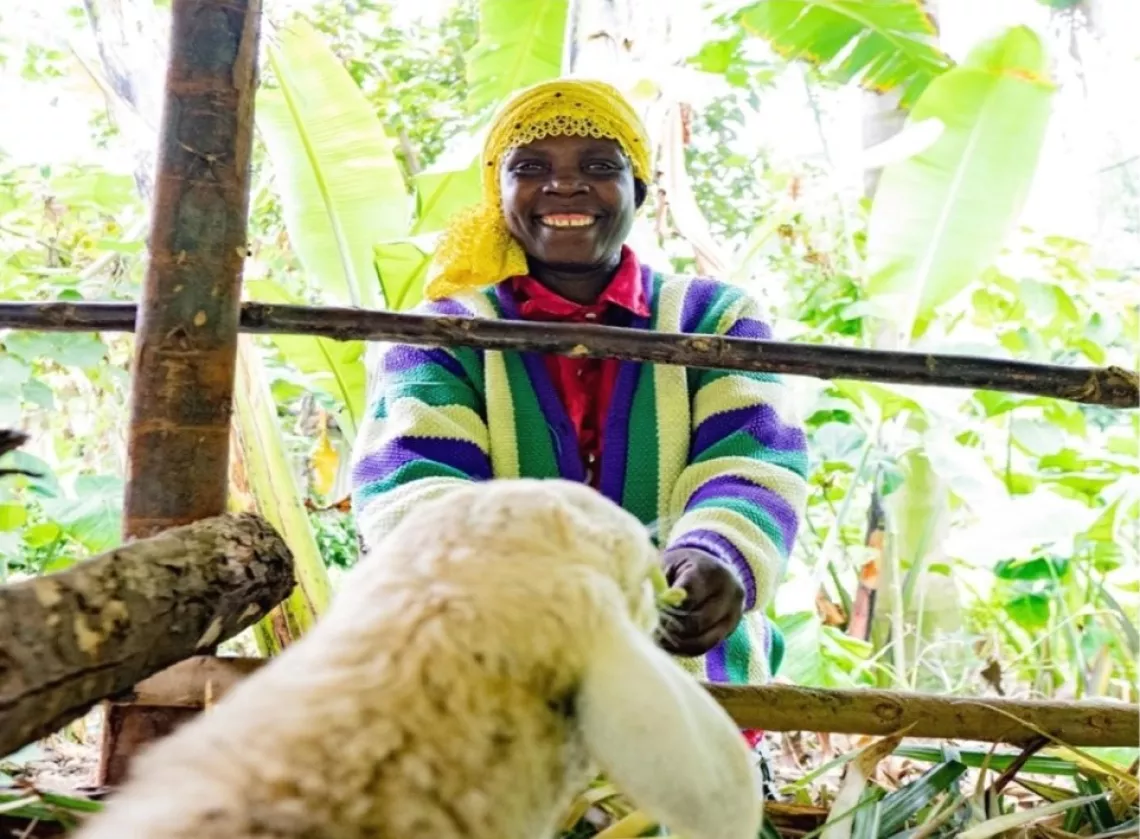
She initially received 3 chickens under the project and has since acquired 4 more. Theodetta is all set to become the local producer of eggs for her community. As part of a multi-pronged approach, the DHCR provided each household with 3 chickens, allowing them to enjoy a diet rich in essential nutrients.
According to Theodetta, “now we can enjoy a balanced meal, knowing we are nourishing our bodies for healthier growth. Whereas before, we would just eat to fill the stomach.”
Several key innovative models were developed and implemented as part of the project, such as kitchen gardens, nutrition-sensitive community VSLAs along with peer-to-peer support on maternal, infant and young child feeding practices (MIYCF).
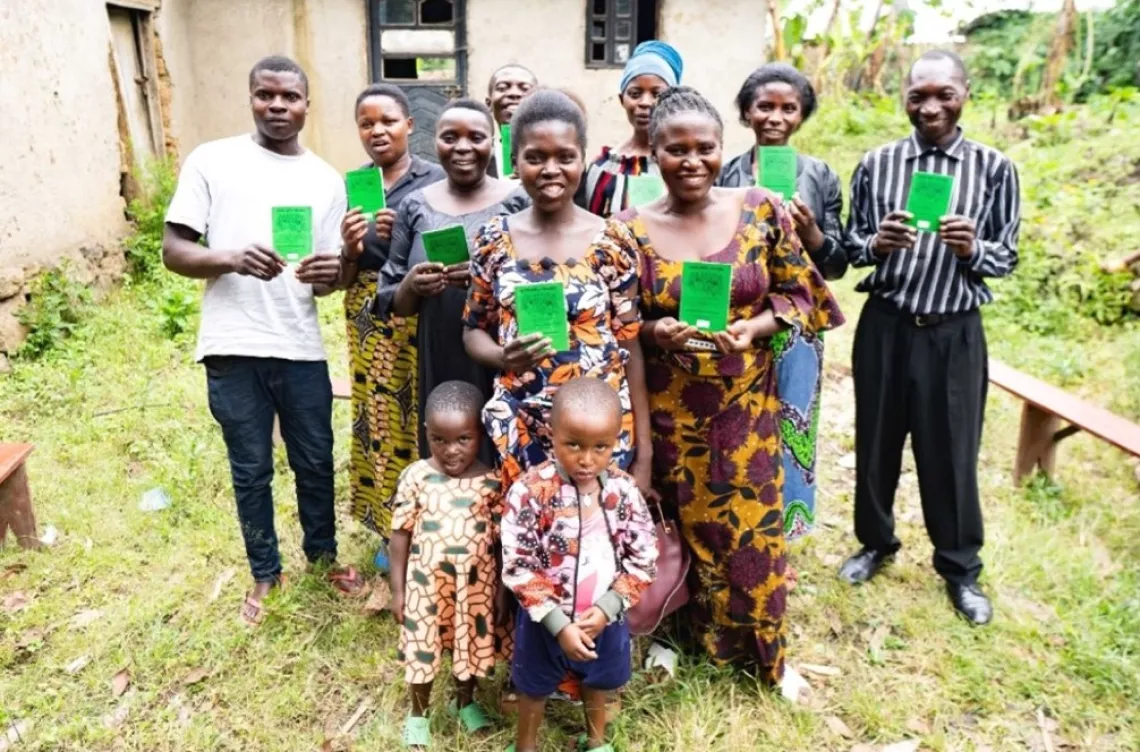
The VSLA method is changing the lives of residents by instilling in them a culture of saving, and then providing micro loans to start up small income generating projects.
Additionally, through capacity building and training sessions, community leaders were also empowered to actively address malnutrition and child development issues within their communities. This has led to increased ownership of – and capacity to run – the project, even after the project duration has elapsed.
In line with the national nutrition policy of Rwanda, an integrated strategy and multiple coordination mechanisms were implemented at both the national and decentralised levels. This included the establishment and strengthening of committees for district plans aimed at eliminating malnutrition and addressing both acute and chronic malnutrition at the district level.
“We are not proud that Gicumbi is one of the districts with a high prevalence of stunting (according to National Child Development Agency data),” said Pierre Celestin Ngerageze, Social Affairs Officer of Gicumbi District.
“So, understanding the implications and solutions to the problem required that we comprehend it ourselves before we could go ahead and advocate for the rest of the community. We hope to continue raising awareness from a place of greater understanding this time,” he added.
The DHCR project is the result of a joint effort between UNICEF Rwanda and the EKN, as well as implementing partners: Gardens for Health, World Relief Rwanda, the National Child Development Agency (NCDA) as well as district authorities.
UNICEF’s Nutrition Specialist, Ms. Josephine Kayumba, aptly summed up the raison d’être (core reason/intent) of the project, emphasizing the importance of nutrition in developing capable human capital.
“Investing in children’s nutrition and well-being during their early years is critical to unlocking their full potential,” she said, adding, “One cannot hope to count on future generations if they are not well cared for from an early age. One of the most important aspects in developing capable future human capital is ensuring nutritious meals and development for Rwandan children.”
For many like Theodetta, DHCR provides a constructive way to break the vicious cycle of poverty into which they were born, offering them a new lease of life and life chances.
“I can now dare to dream of a better future for my children and this is what is most important to me – giving my children a chance at a better life,” she beams at us with renewed hope.