Lead Poisoning
The silent threat stealing children’s futures in South Asia
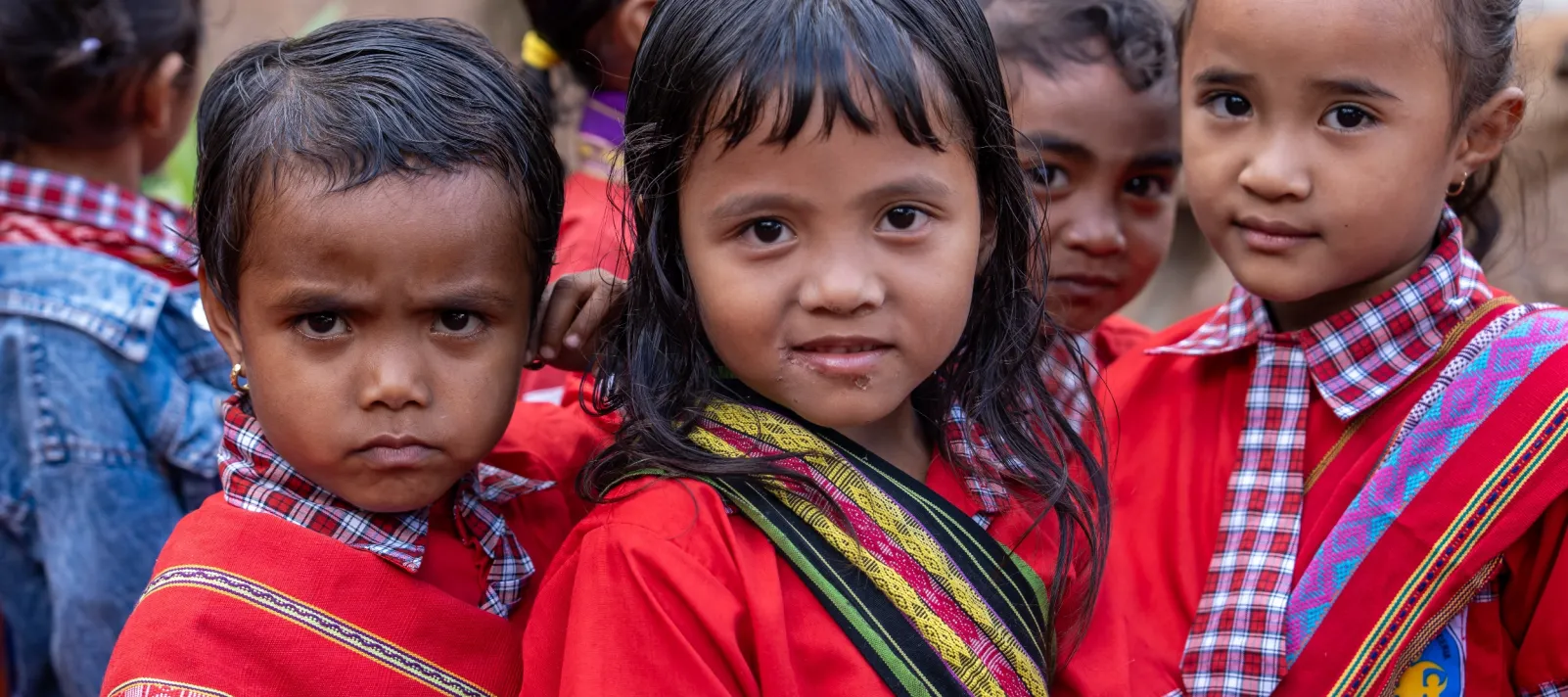
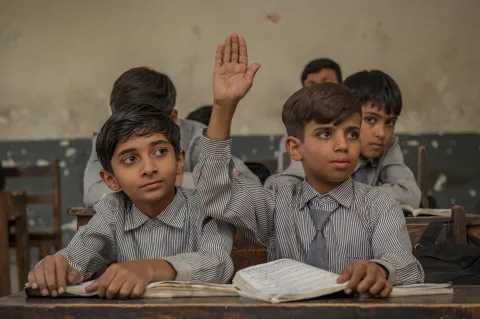
Across South Asia, millions of children wake each morning, go to school, play with friends, spend time with loved ones, and dream of their future. Yet, hidden in the air they breathe, the food they eat, the water they drink, and even the toys they hold, a silent threat that jeopardises their health, education and future. That threat is lead.
Lead is a toxic metal. It has no taste or smell. It is invisible to the naked eye. For children, even the smallest amount can cause lasting harm. Lead lingers in the body, causing irreparable damage that lasts a lifetime.
According to a UNICEF study, globally, an estimated 800 million children have blood lead levels high enough to cause serious concerns. South Asia carries nearly half of this burden. Children here are at particular risk due to the dense population, rapid urbanisation, widespread industrialisation and weak regulations around the use and disposal of harmful chemicals.
The good news is that lead poisoning is entirely preventable. But only if we act.
What is lead poisoning, and where is it found?
Lead poisoning occurs when lead builds up in the body over time. Children can absorb up to five times more than adults, making them more vulnerable.
The sources are everywhere. Some are obvious – such as toys, water pipes, cookware, paint or old batteries. Others are less visible - contaminated soil, certain spices and cosmetics, unsafe recycling of car batteries, or dust in the very homes where children live. Even unborn babies are at risk, as lead can pass from mother to child during pregnancy.
In South Asia, contaminated food and water, unregulated paints, and informal batteries are the main sources of lead exposure. Families living in poorer and marginalised communities often face the highest levels of exposure.
How does lead harm children?
Lead attacks every system in the body, but it is most damaging to the brain. Because children’s brains are still developing, the effects can be devastating.
Lead exposure can cause stunted growth, anaemia and weakened immunity.
It lowers IQ.
It reduces attention span and memory.
It increases the risks of learning difficulties and behavioural problems.
These effects don’t fade with time. Children who are frequently exposed often fall behind in school, struggle to reach their full potential, and face greater health costs later in life.
For families already struggling with poverty, the impacts of lead poisoning have a disproportionate effect on children who fall further behind because of this invisible poison that surrounds them.
The consequences of this silent threat ultimately hamper countries' productivity and economic growth. Globally, lead exposure is estimated to cost nearly $1 trillion per year in lost productivity. In South Asia, where more than a quarter of the world’s children live, the stakes are even higher.
Recognising the signs and symptoms of lead poisoning
Lead poisoning is difficult to spot. Many children show no clear signs until the damage is done.
Some possible warning signs include:
- Irritability: Sudden mood changes and fussiness without a clear cause.
- Fatigue: Low energy levels and persistent tiredness.
- Stomach pain and constipation: Recurring stomach aches not linked to digestion.
- Headaches: Frequent headaches that affect daily activities.
- Loss of appetite: Reduced interest in eating, skipped meals.
- Weight loss: Noticeable drop in weight.
Since these symptoms are nonspecific and may resemble other childhood illnesses, they should not be relied upon solely to diagnose lead poisoning. The most dependable method to confirm exposure is a blood test. Parents and caregivers who suspect exposure should promptly consult a healthcare professional and carefully follow the recommended guidance for treatment.
What can families do?
Prevention is always better than a cure. Here are some ways you can reduce lead exposure for your child.
- Check labels for “lead-free” certifications on toys, cookware, cosmetics and other everyday items.
- Look out for peeling paint in older homes and test. Remove it if it contains lead-based paint.
- Keep play areas clean and dust-free.
- Get your house’s water tested and use filters if needed.
- Wash hands often, especially before eating and after playing outside.
- Become an advocate and raise awareness on lead poisoning in schools and communities.
Sparks of hope from across South Asia
Across South Asia, UNICEF is actively working with governments and partners to combat lead poisoning and ensure that children grow up in safe and healthy environments.
Bhutan – leading with evidence
In 2024, Bhutan carried out its first National Blood Lead Level Survey with UNICEF support. Children aged 1–6 years were tested across the country, revealing measurable risks to child health, including links with anaemia and developmental delays. One of the survey’s most striking findings was that 76 per cent of children had unsafe levels of lead in their blood.
The government has since taken important steps, integrating children’s environmental health into sectoral programmes and introducing new strategies, such as the Occupational Health and Chemical Safety Strategy and Green Hospital Guidelines.
Bhutan’s leadership and commitment were further underscored when the Prime Minister joined UNICEF in calling for urgent global action to end childhood lead poisoning, highlighting that protecting children from this threat requires collective international effort.
Bangladesh – a major hotspot
Bangladesh faces one of the world’s highest burdens of childhood lead poisoning. According to UNICEF and Pure Earth’s report The Toxic Truth, more than 35 million children have blood lead levels above the threshold of concern. This ranks Bangladesh among the most severely affected countries worldwide.
UNICEF Bangladesh is working closely with health workers and midwives to identify children and pregnant women at risk. Families are being taught practical steps to reduce exposure, and communities are learning how to challenge unsafe practices like informal battery recycling. Awareness campaigns are also helping to build demand for safer environments.
A call to action
The solution is within reach. Lead poisoning is preventable, but no family can tackle this alone. Governments, industries, and communities must take responsibility for creating safe environments where children can thrive. The calls to action are clear:
- Elevate lead poisoning as a national priority by investing in policies and programmes designed to protect children and families from lead.
- Ban and enforce restrictions on lead in consumer products.
- Monitor and regulate battery recycling and informal industries.
- Ensure safe water, food, and household environments.
- Strengthen surveillance, screening, and data systems.
- Raise public awareness so families know the risks.
South Asia has made great strides in improving child survival, education, and health in recent decades, but the silent threat of lead poisoning undermines these achievements. No child should lose their future to an invisible toxin.
Removing lead from children’s lives is one of the simplest, smartest investments a government can make, with returns on investments that include healthier, happier, more productive children.