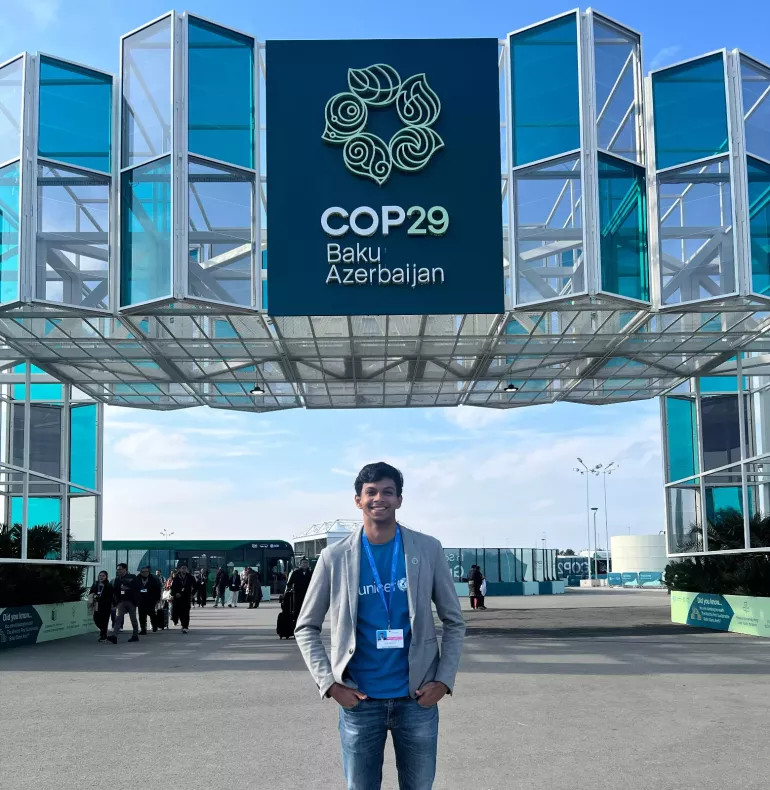
In the hustle and bustle of COP29, you’d find everyone—from celebrities to celebrated academics, composed world leaders to impassioned tribal leaders, crafty businessmen to sly lobbyists—walking right beside you. Power walking from one side event to the next. Amidst the chaos, I wondered: does anyone else question what truly gets done here?
COP29, held in Baku, aimed to deliver a greater financial commitment for emission adaptation and mitigation to developing countries. The previous goal was to mobilise USD 100 billion annually by 2020. Had that target been met, the narrative today might look different, depending on which side of the globe you ask. However, the Global North (or developed countries) fell short of the expectations set by the Global South. This failure cast a shadow over the conference, with the disappointing outcome adopted in a “stage-managed” manner during the early hours of 24 November, on day 14 of the extended event.
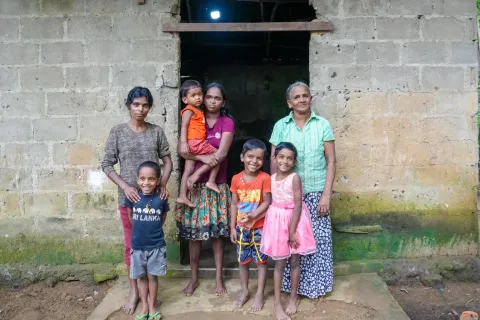
When COP29 formally ended, I landed back home in Sri Lanka to face a cyclone. How timely! Did the extravagant Conference of Parties help my country protect its people from the cyclone’s effects? Did we raise enough funds to support over 100,000 displaced people? Or ensure our disaster management systems are robust enough so that six students wouldn’t go missing the next time Sri Lanka faces a cyclone?
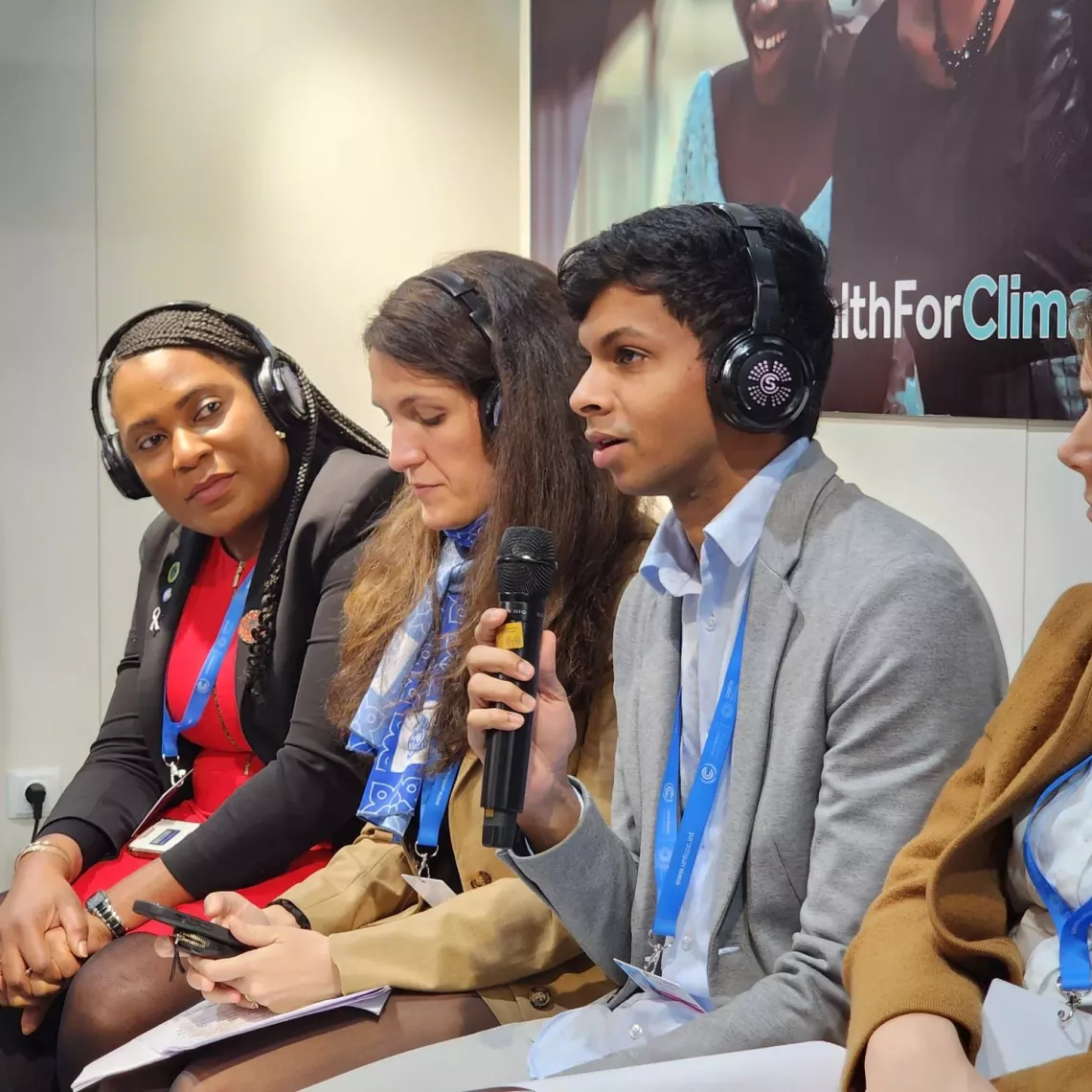
This took me back to reflect on the negotiation rooms at COP29. I had been following the NCQG—New Collective Quantified Goal. A key element of the Paris Agreement, it aims to set a new financial target to support developing countries in their climate action post-2025. The Global South sought over USD 1.3 trillion annually in grant-based financing leading up to 2035. This request was designed to ensure climate finance doesn’t become yet another mechanism burdening developing countries with debt. Many groups, especially the Alliance of Small Island States (AOSIS)—battling rising oceans to secure their lands—voiced the urgency for this finance to secure their homes.
I was just an observer at these negotiations, viewing them through my new lens of child-sensitivity. I had only been appointed as a UNICEF Youth Advocate a week before COP29. Until then my work had always revolved around development, with a particular focus on young people. However, the idea of empowering children and creating an environment where they can thrive was beginning to take root in my perspective.
The numbers are horrifying. According to the Children’s Climate Risk Index, over 1 billion children—nearly half of the world’s children—live in extremely high climate-risk countries. Almost 90 per cent of the world’s children are exposed to air pollution exceeding 10μg/m³. This figure is set to worsen without reductions in fossil fuel emissions. These catastrophes are directly altering how children grow and threatening their fundamental right to a healthy environment.
When I looked around Meeting Room 12, where the text on NCQG was being synthesised, I saw very few young people and certainly no children. Just a few rooms away, 14-year-old Zunaira from Pakistan spoke passionately about how climate change is affecting her peers. She described how flash floods have left families so vulnerable, they were forced to marry off their daughters before they had fully experienced their teenage years.
While countries fought over the text—debating which words should go where and whether the number should have 11 or 12 zeros—were we missing the point? Have we forgotten who this is all for?
We all gathered at COP29, in whatever capacity, to create a world where children and young people can grow up and thrive. Maybe we have failed to deliver on that goal this COP, but we still have a chance to secure their rights within our countries.
In February 2025, countries will submit their NDCs (Nationally Determined Contributions). Across South Asia, young people are lobbying their governments to ensure their voices are heard in this critical climate policy. They’re pushing for NDC 3.0 to be not only child- and youth-sensitive, but also to include young people as rightful participants in its creation, implementation, and monitoring.
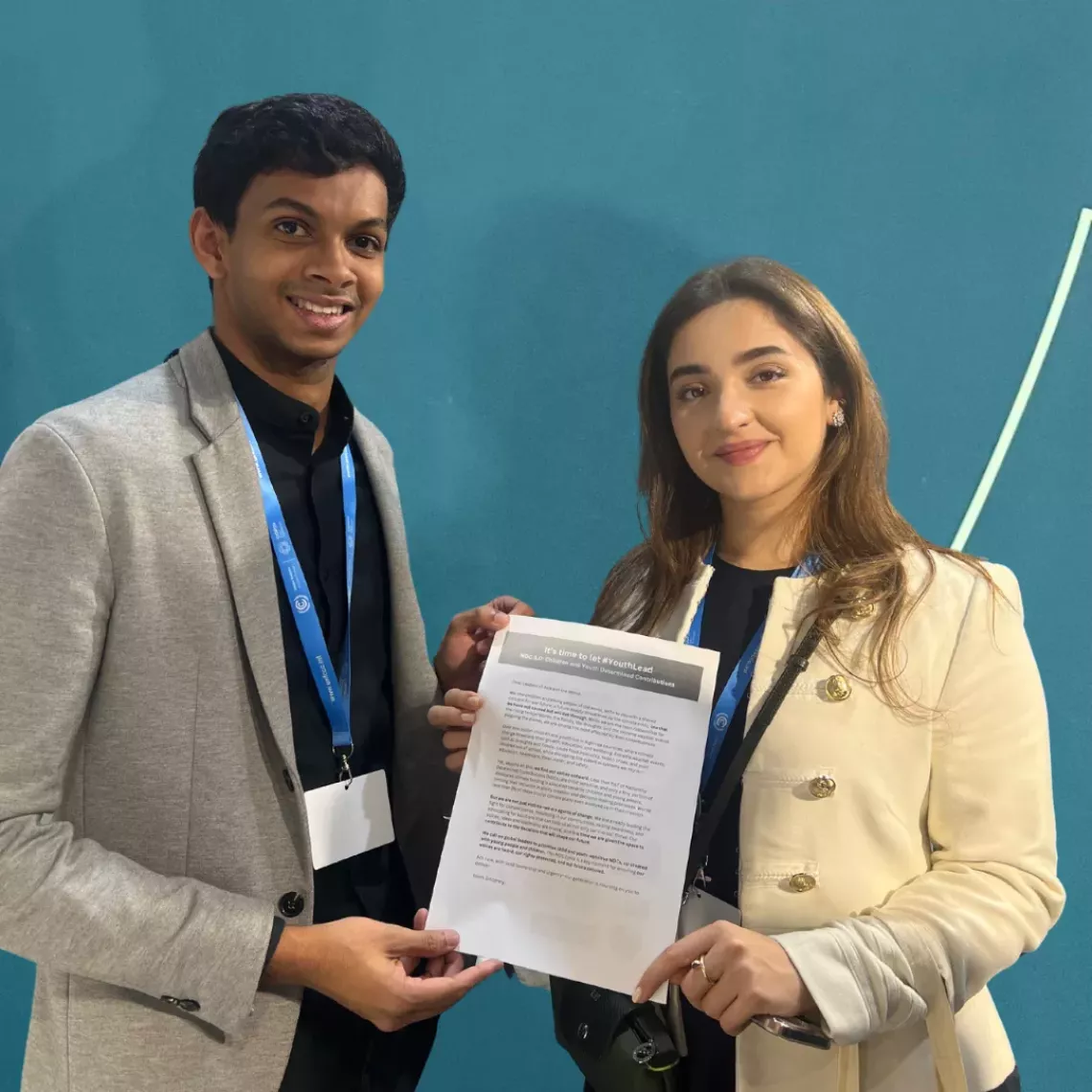
As Chairperson of the Commonwealth Asia Youth Alliance, I had the opportunity to lead one such advocacy campaign. Twenty-one youth-led organisations across Asia united to issue a call to governments. They are advocating for the inclusion of children and young people’s rights in NDC 3.0 through an Open Letter campaign. This letter was handed over to the COP29 Youth Climate Champion, Leyla Hasanova, to submit to the COP29 Presidency, advocating for child- and youth-centric NDCs.
Amid the doom and gloom of climate conferences, hope persists. During COP29 I saw many world leaders championing the causes of young people, and young people themselves also holding governments accountable. COP was a great space to find motivation. I heard stories of communities coming together with innovative solutions to safeguard themselves. I also witnessed young people and world leaders uniting to hold polluters accountable through initiatives like the ICJ Advisory Opinion hearing. These moments provided a silver lining.
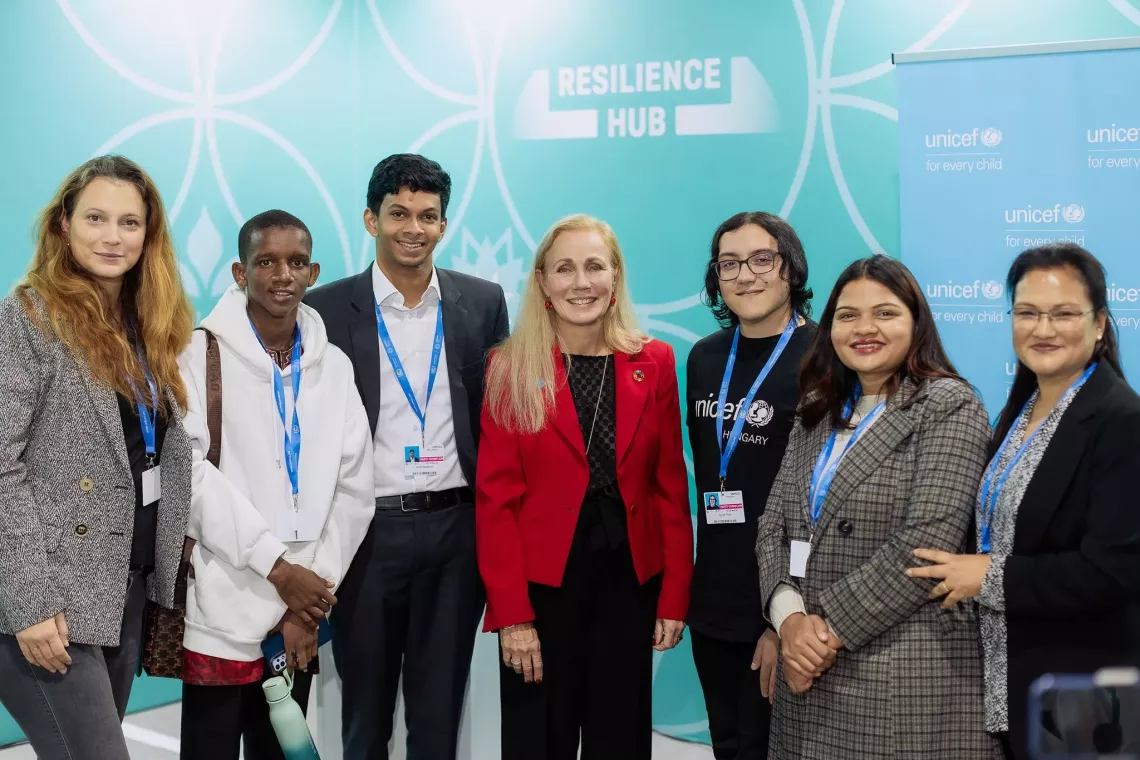
The force of children and young people fighting for a better future is strong. The protests in the corridors of COP29 and the streets of our countries make that clearer by the day. Children young people are here to secure not just their future but the future of the planet.
Abouth the author:
Bodh Maathura is the UNICEF Sri Lanka Youth Advocate. He leads efforts to amplify youth and children’s voices in national and regional policy frameworks. He is also Chairperson of the Commonwealth Asia Youth Alliance. Previously, as a Council Member of the National Youth Services Council (NYSC), he drove initiatives in climate action, research, and youth engagement. As Head of Climate Action, he focused on raising climate awareness in rural communities in local languages. Bodh also played a key role in designing the 2024 Youth Development Action Plan and making it inclusive of marginalized groups.
At COP28, Bodh led the drafting of Sri Lanka’s National Youth Statement and helped to include climate change education within NYSC’s programmes. He also represented young people at the 2024 Commonwealth Heads of Government Meeting, during which he advocated for youth priorities.