PNG launches national campaign to end maternal and newborn tetanus
Reaching every corner of the country to wipe out a preventable killer
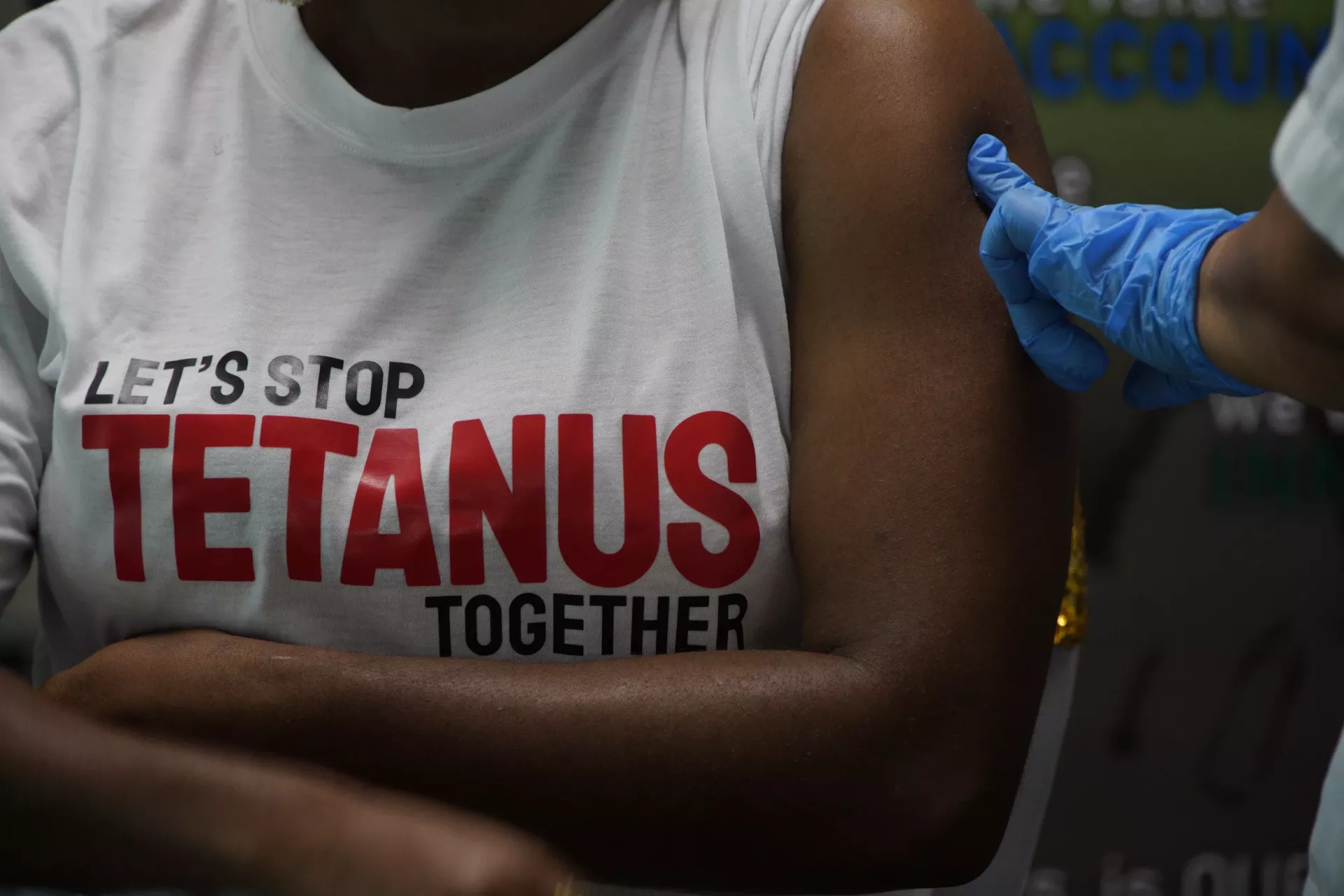
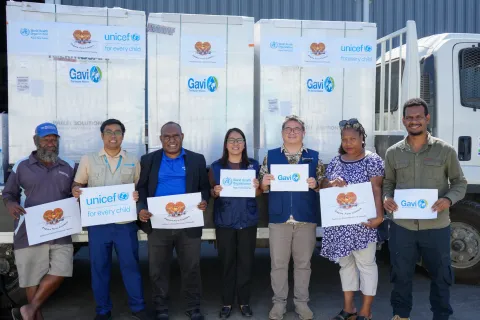
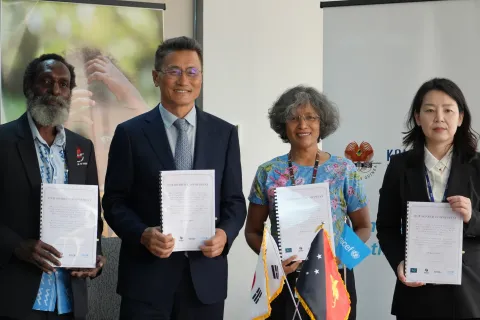
A major new health campaign has kicked off in Papua New Guinea, with the government and UNICEF joining forces to eliminate maternal and newborn tetanus — a disease that still claims the lives of thousands of babies and mothers around the world.
The first phase of the Maternal and Neonatal Tetanus Elimination (MNTE) campaign, launched in the capital Port Moresby today, will roll out in seven provinces — NCD, Central, Milne Bay, West New Britain, Southern Highlands, East Sepik, and Manus — delivering life-saving vaccines and integrated health services to women and children.
The rest of the country will follow in phase two, with each province receiving three rounds of immunisation.
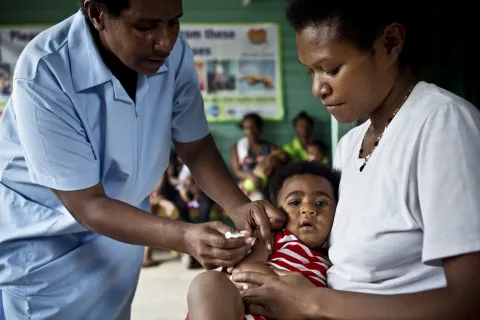
The first vaccinations under the campaign were administered at the launch event, with Dr Fiona Kupe — a paediatrician who has witnessed the deadly toll of tetanus on newborns — receiving the first dose.
In every case she had encountered, the outcome was tragic: the babies did not survive.
Dr Kupe said she hoped her example would encourage others to get vaccinated.
“I’m passionate about immunisation,” she said. “I want girls and women to know this vaccine is safe and effective. If you’re unsure or have questions, come talk to us — we’re here to help.”
When asked whether the injection hurt, she smiled and replied, “No, it didn’t.”
Papua New Guinea is one of only ten countries in the world, and the only country in the Pacific, yet to eliminate Maternal and Neonatal Tetanus (MNT).
Tetanus is a deadly but preventable disease caused by bacteria entering the body through wounds or unclean delivery practices. It can be effectively prevented through timely immunisation, quality antenatal care, and safe, supervised birth deliveries.

Dr Robin Oge, CEO of the NCD Public Health Authority, said the launch marked a moment of national significance in the fight to eliminate maternal and neonatal tetanus.
“Tetanus is preventable yet continues to take the lives of mothers and babies across our country,” he said.
The tetanus vaccination rate in PNG has remained low for the past 10 years averaging just 30%.
With 80% of the population living in rural areas, access to quality antenatal services and clean, supervised birth deliveries remains a challenge.
To close this gap, the MNTE campaign is offering free tetanus vaccinations to all girls and women aged 15-44 years, including pregnant and breastfeeding women, regardless of their previous immunisation status.
The vaccine used in this campaign is the same safe and effective tetanus vaccine that is already included in PNG’s national routine immunisation program, commonly administered during pregnancy and childbirth.
While many women may have received this vaccine in the past, immunity decreases over time, making repeat doses essential for lasting protection. All eligible girls and women must receive all three doses to ensure full immunity.
Getinet Adenager, Technical Officer for Preventable Diseases and Immunisation at WHO PNG, said eliminating tetanus requires more than just vaccines.
“We must also ensure women and children receive routine health check-ups, have access to safe and clean childbirth services, and benefit from iron and folic acid supplements,” he said.
During the campaign, pregnant women will receive free Mama Helt Buks, Iron and Folic Acid (IFA) tablets, and vital information on antenatal care, including promotion of early registration of pregnancy, regular check-ups, and encouraging mothers to give birth in hospitals or clinics to ensure clean deliveries.
Additionally, children under 2 will receive routine immunisation to protect them against ten vaccine-preventable diseases, including tetanus, polio, measles, rubella, tuberculosis, and pneumonia, among others.
There was an air of enthusiasm as more people stepped forward to receive their vaccination — including members of the media covering the event. Natasha Ovio, a journalist with EMTV News, said the information shared during the launch helped change her mind.
“After learning about the impact of tetanus and being given the opportunity to protect myself, I was convinced to take the shot today,” she said.
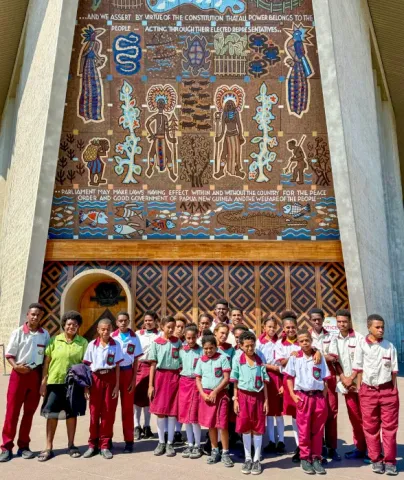
By the end of the event, 33 women and girls were vaccinated, including six students from Gordon’s Secondary School and one pregnant woman.

Elsie Danielle, who is three months pregnant with her first child, chose to receive the tetanus vaccine to protect both herself and her baby.
“In 2023, I had a miscarriage,” she said.
“This time, I’m praying everything goes well — that’s why I’m taking this step.”
All girls and women aged 15-44 years are strongly encouraged to visit their nearest health facility, outreach team, or mobile team site to receive their free tetanus immunisation.
Husbands, partners, parents, caregivers, and community leaders are urged to play a supportive role in ensuring maternal and neonatal tetanus elimination.

“By 2027 we hope to have eliminated Maternal and Neonatal Tetanus in Papua New Guinea,” Dr Satish Gupta, Chief of Health at UNICEF PNG, said.
“Together we can, and together we will,” added Martha Pogo from the National Department of Health, underscoring the joint commitment to achieving this goal.