Enhancing routine immunization in Papua New Guinea
Working together to improve coverage
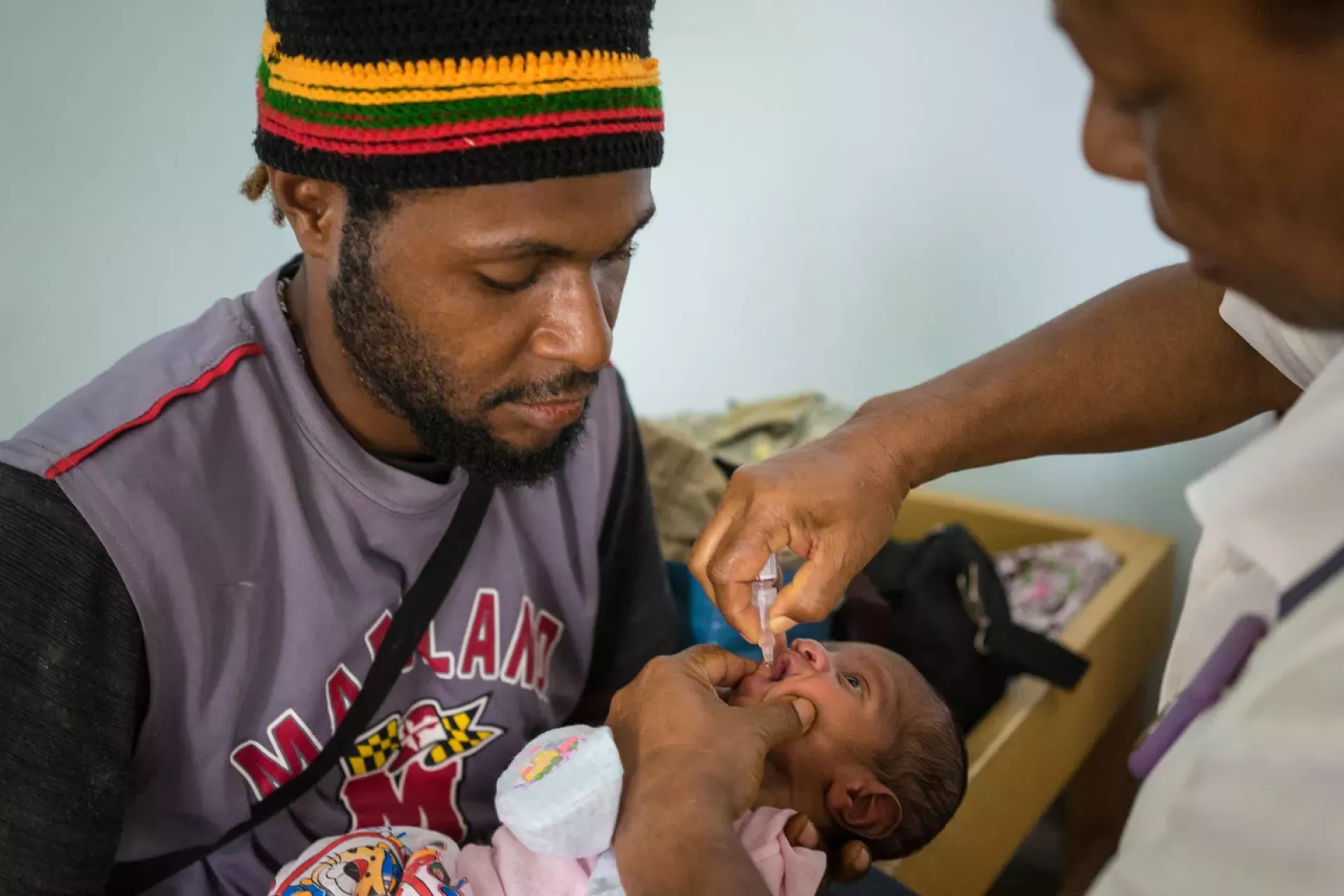
Routine immunization plays a critical role in the health and survival of children. It prevents life threatening diseases and outbreaks of diseases such as measles and diphtheria in children. In Papua New Guinea, initiatives are underway to enhance routine immunization coverage which has stagnated over the past decade. Currently, only about 50 percent of children born each year receive essential life-saving vaccines, leaving about 120,000 children unvaccinated every year.
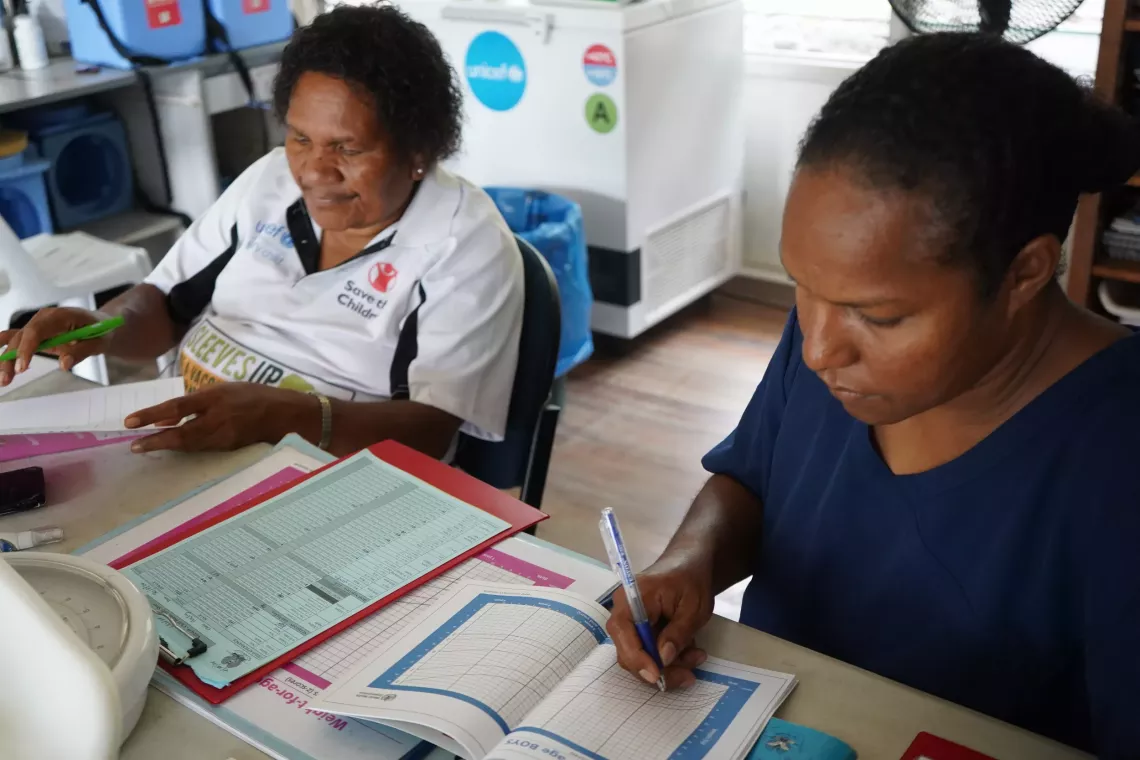
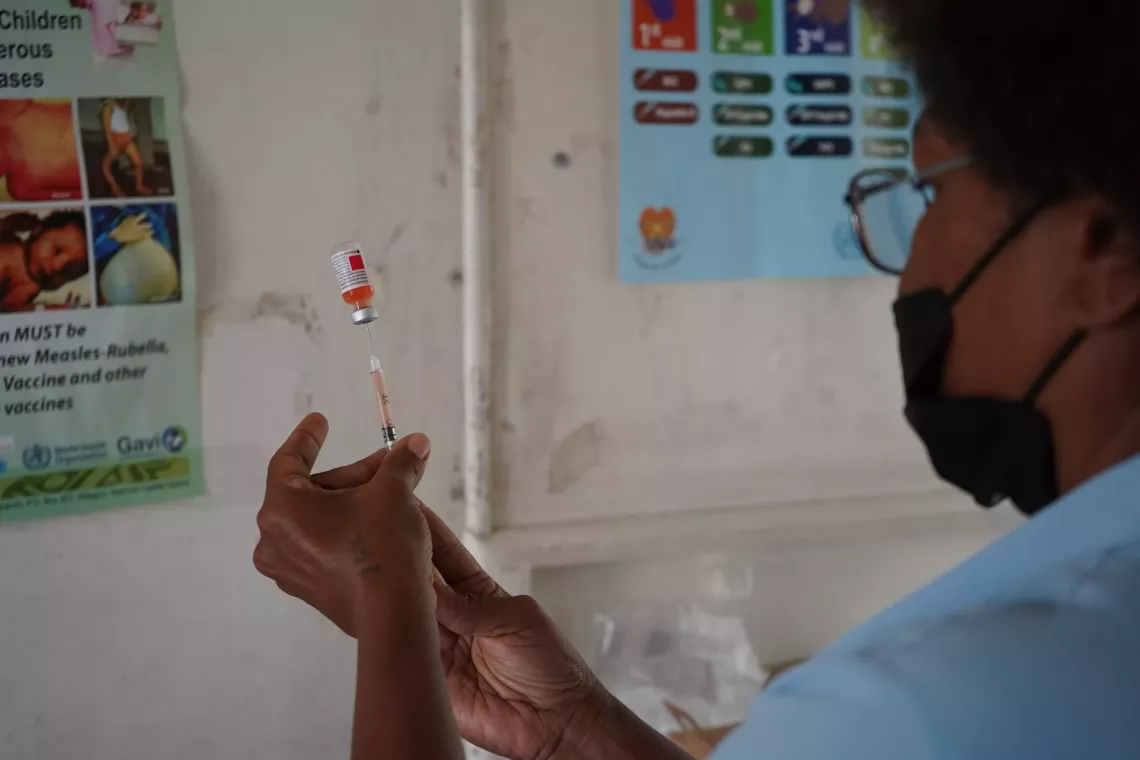
At the 6 Mile clinic in Port Moresby, Sr. Garia Baker leads the Well Baby Clinic, working alongside Sr. Delma Hombunaka and Nurse Judy Agu, to provide essential immunization services. Although the clinic serves a catchment population of about 1,500, it attracts many parents from neighbouring areas seeking vaccinations for their children.
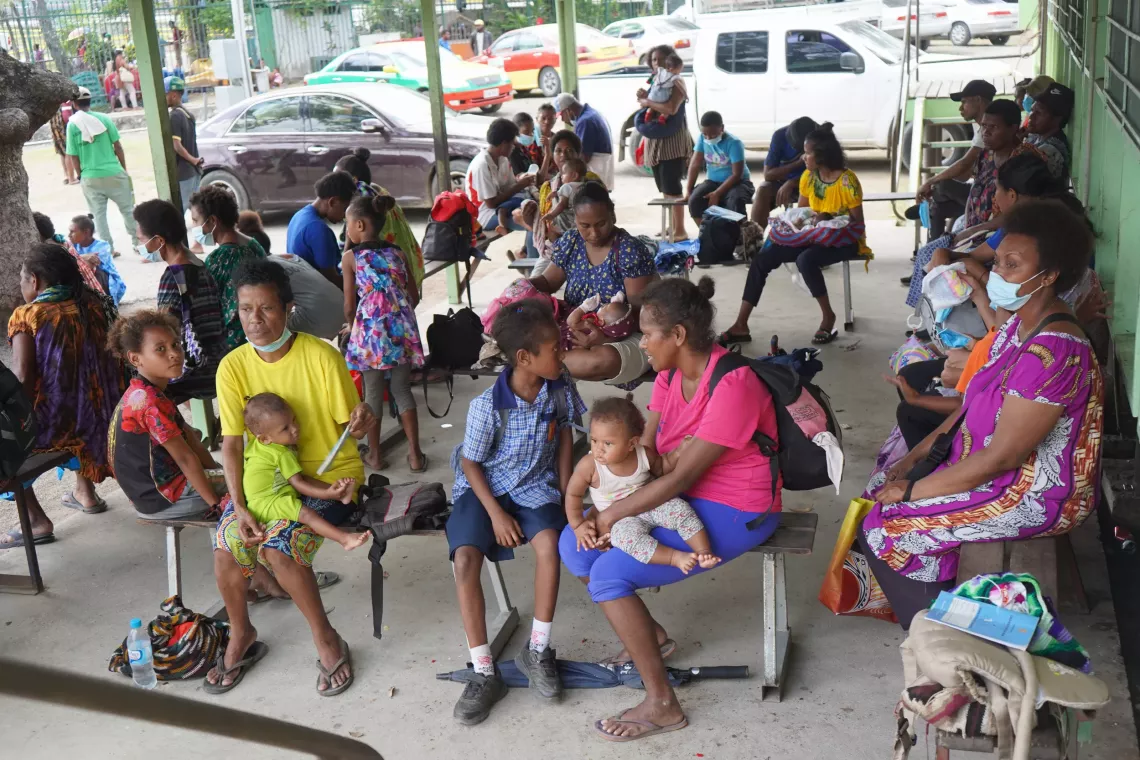
“We see an average of 40 babies a day. On our busiest day, we can vaccinate up to 80 babies under one and a half years, “ Sr. Baker explains.
Immunization services at the 6 Mile clinic, like many other health facilities across the country, have significantly improved, thanks to generous donor support.
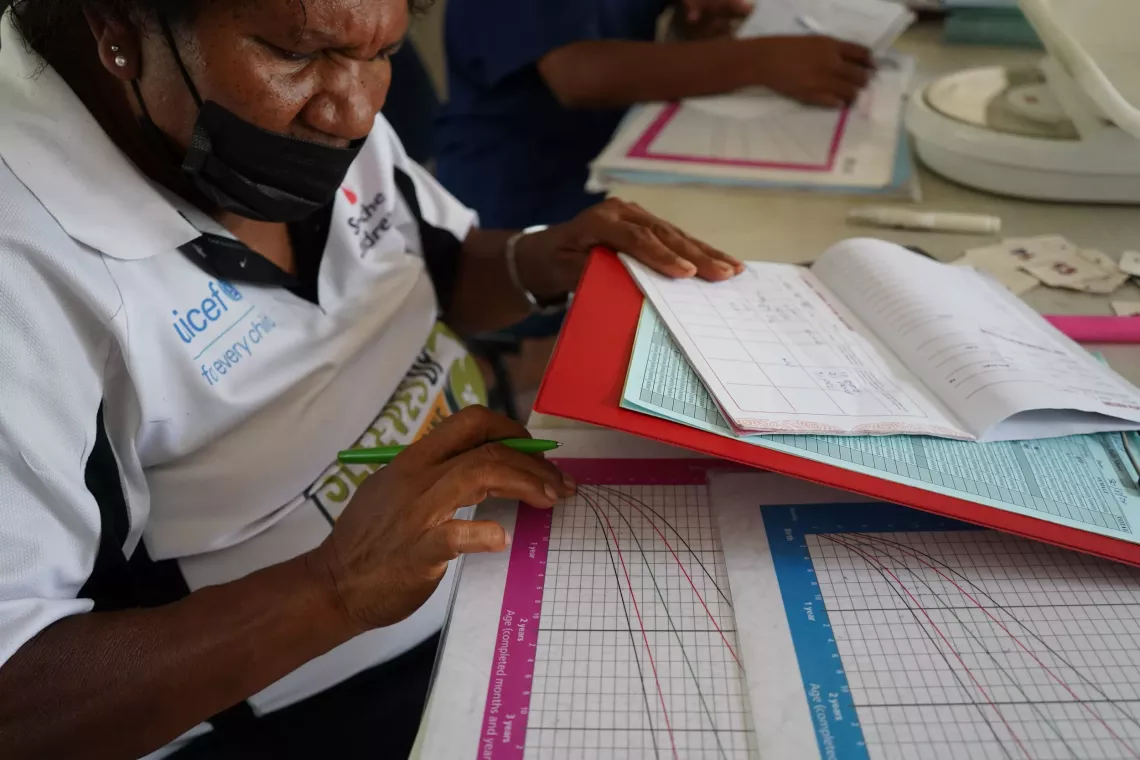
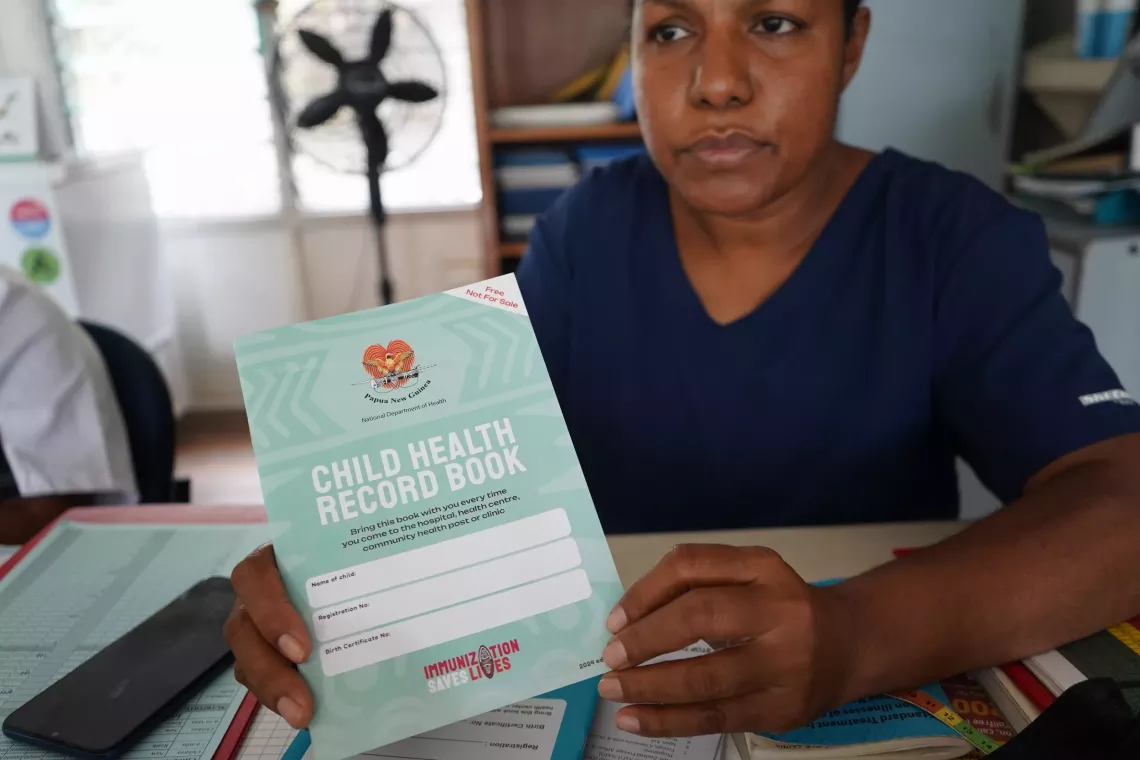
Key contributions from the Australian and Japan Governments, and Gavi, the vaccine alliance, has helped enhance the capacity of health workers to deliver quality immunization services while a donation of essential cold chain equipment ensures the proper storage and distribution of vaccines. In addition, the Australian Government’s support has enabled the revision of the child health record book, now provided free of cost to every child born in a health facility and to those who do not have one during clinic visits.
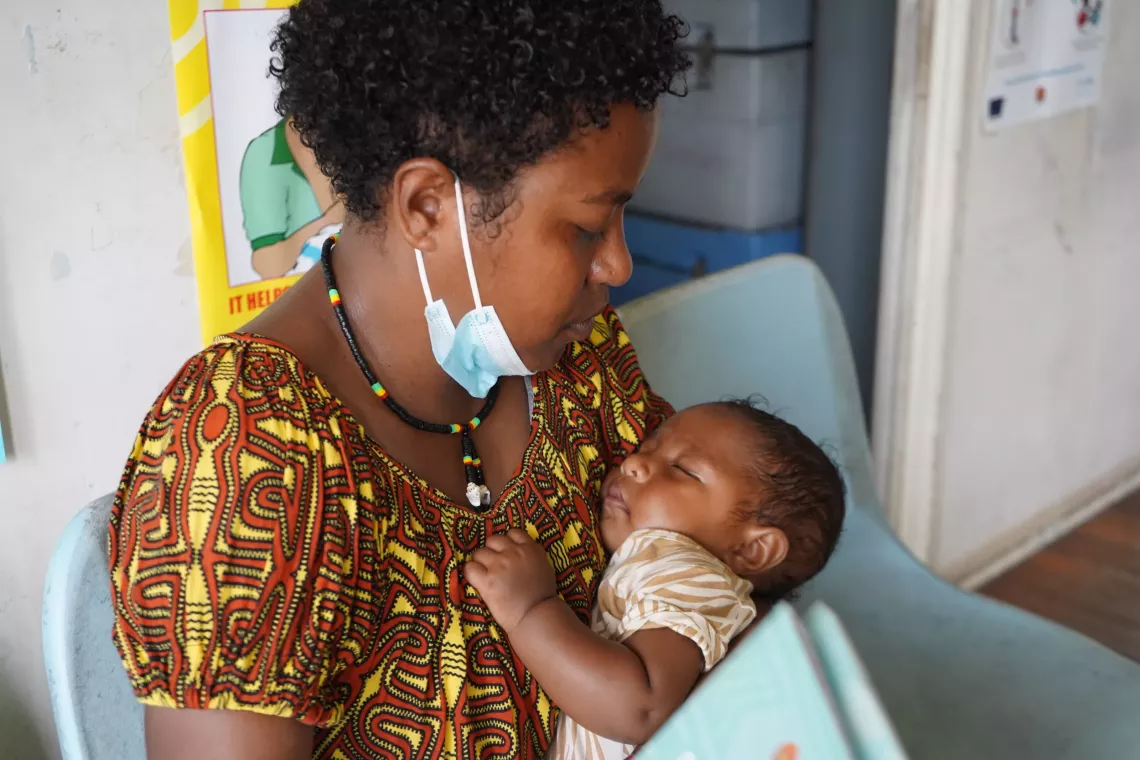
Narelle, a mother of one, is visiting 6 Mile Clinic for the first time with her 5-month-old son, Gabriel, to catch up on his immunizations. Gabriel missed his fourth clinic visit due to the family's move from Goroka in Eastern Highlands Province to Port Moresby recently. Narelle is committed to ensuring her child is fully protected against 10 vaccine preventable diseases. Seven visits to health facilities are required within the first two years of a child's life to ensure all immunization doses are received.
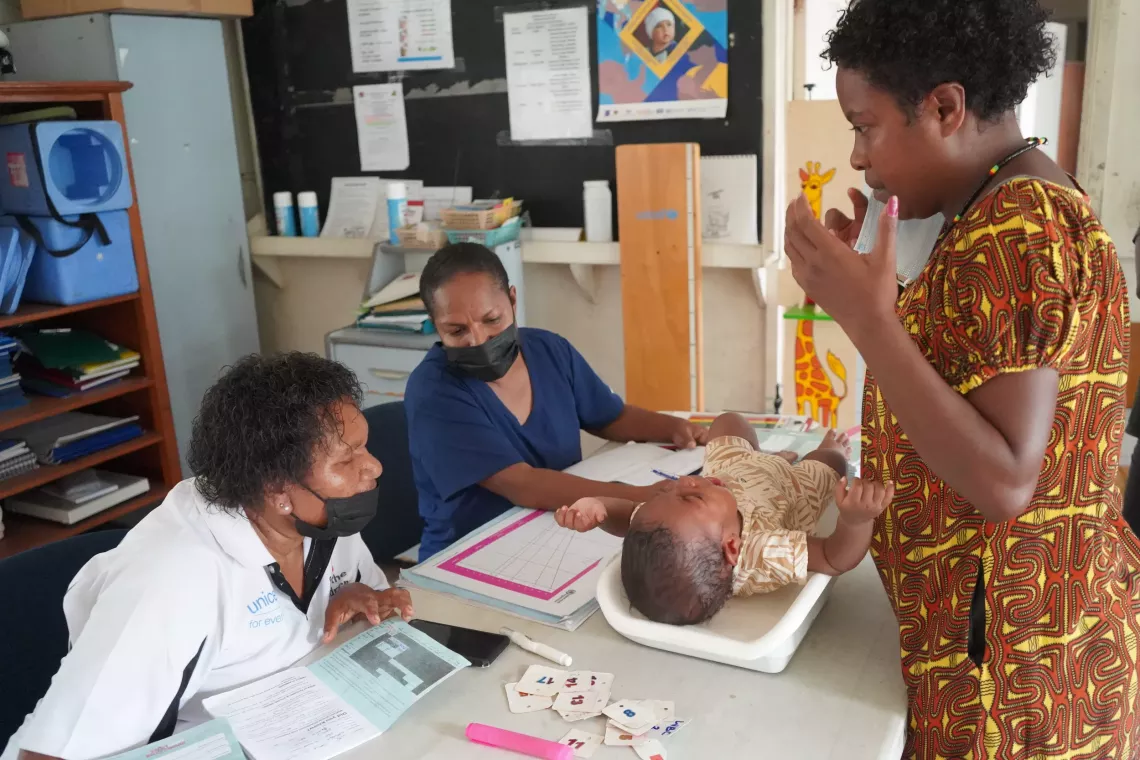
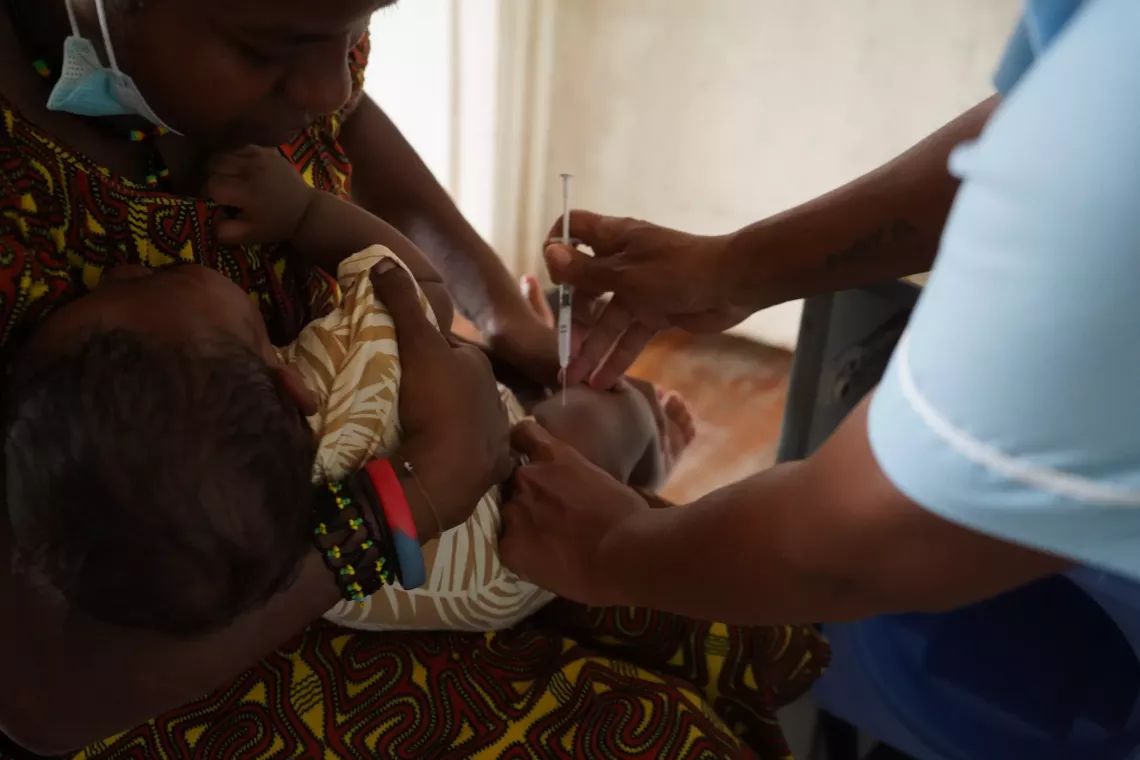
At the clinic, Sr. Baker and Sr. Hombunaka assess baby Gabriel's health and growth before his immunization. Baby Gabriel’s information is recorded in the updated child health record book and given to his mother for her reference.
“The old child health book had one chart for both boys and girls. The updated versions have different weight charts for boys and girls. This is important because boys and girls have different weights at different ages,” Sr. Baker explains to Narelle.
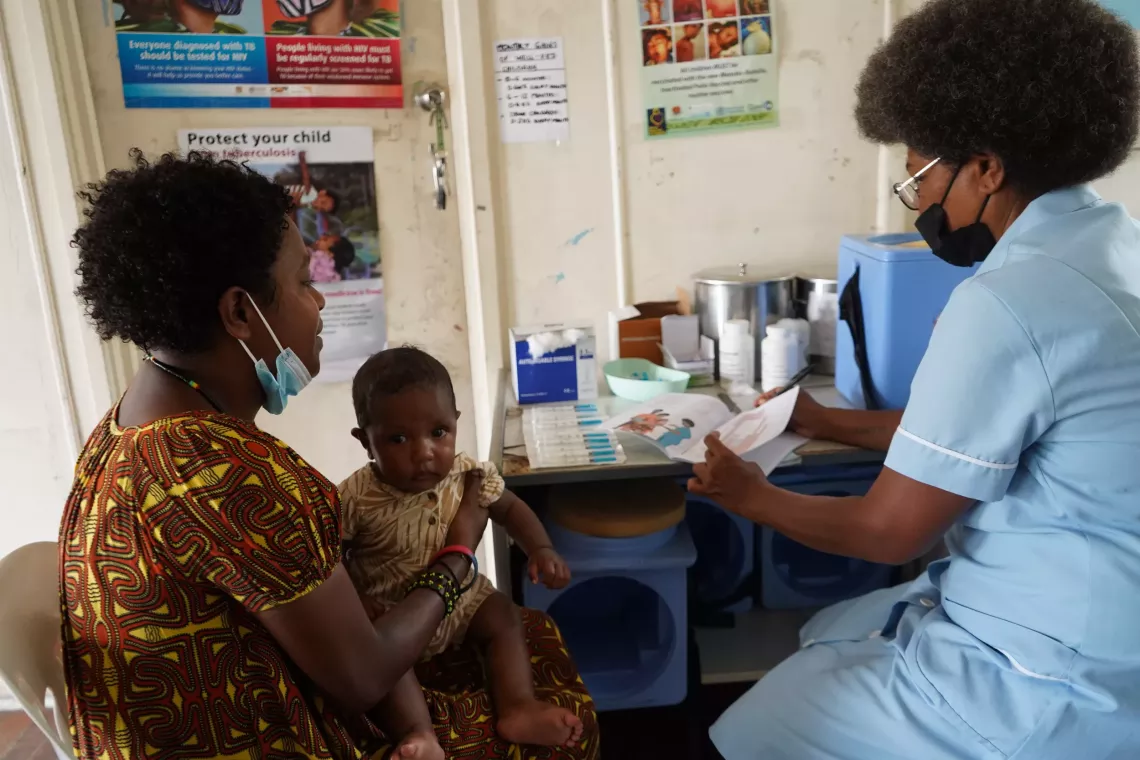
Narelle appreciates the new child health record book provided by Sr. Garia, replacing the old one she purchased at Gabriel's birth. The updated book includes the latest immunization schedule, child growth monitoring, and essential child-rearing messages. A total of 600,000 copies are being distributed nationwide across all health facilities.
“I didn’t know these books are given for free. I had to buy one for my son when he was born because I know the importance of the health record book. It keeps a record and history of the baby’s health, illnesses and immunizations which are important for the baby,” Narelle says.
UNICEF SUPPORT
Efforts to enhance routine immunization coverage are making headway. In 2023, over one million children under the age of 5 were reached during a measles rubella vaccination campaign. The number of unvaccinated children, however, remains a significant concern. A high rate of unvaccinated children increases the risk of devastating disease outbreaks such as measles, diphtheria, pneumonia and whooping cough. UNICEF collaborates with the government, civil society organizations, and professional bodies by providing technical support, vaccines, and cold chain logistics. Additionally, UNICEF focuses on capacity building for healthcare workers and raising community awareness to ensure that eligible children and pregnant women receive essential immunizations.