Listen to children: my day, my rights
World Children’s Day 2025 parents' toolkit.
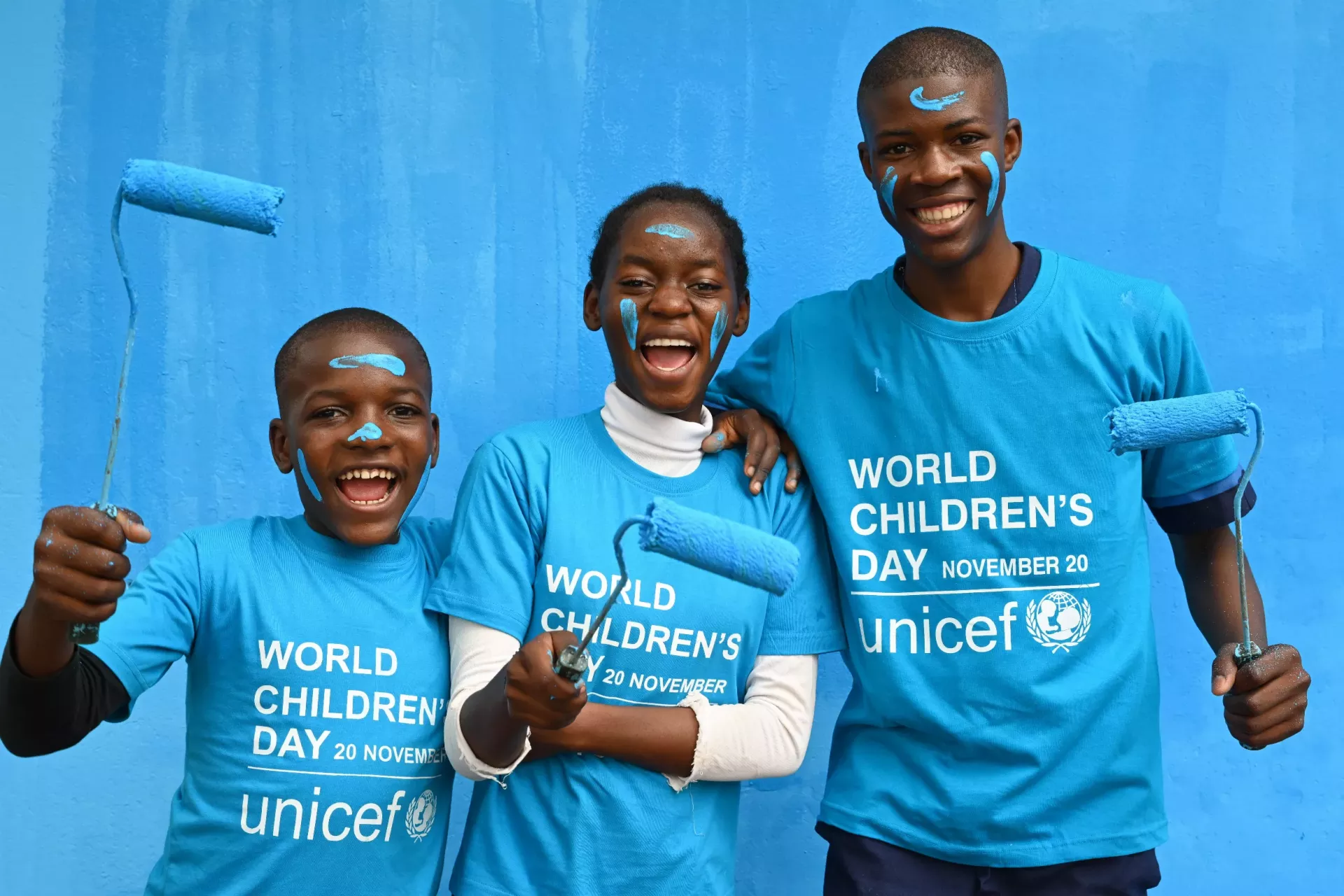
World Children’s Day on 20 November is UNICEF’s global day for children, by children.
It marks the anniversary of the Convention on the Rights of the Child and serves as a call to action for schools, communities, and institutions to engage with and support children.
The 2025 theme for World Children’s Day is "my day, my rights". We're encouraging the world to actively listen to children to understand what their lives are like, and how their rights are present, missing or pursued every day, promoting childrens' right to participation. Children should be empowered to voice their opinions about the world they want to live in, and it’s all of our responsibility to listen and support their visions.
Let's go!
The power of parenting
The importance of listening to children
How to get involved
Having conversations about child rights

The power of parenting
As a parent or caregiver, you play a critical role in nurturing your child’s voice. You are their first support system, and they look to you for guidance and encouragement. By creating an environment where your child feels safe and heard when expressing their thoughts, you’re helping shape the next generation of leaders, thinkers and doers.
The importance of listening to children
- Builds confidence and self-esteem: When children feel heard and understood, it boosts their confidence. It shows them that their thoughts and ideas are valued.
- Encourages critical thinking: Listening to your children helps them develop critical thinking and problem-solving skills. It encourages them to think deeply about the world and their place in it.
- Nurtures creativity: By giving children the freedom to express their vision for the future, you’re helping them to think creatively about the challenges and opportunities they may face.
Strengthens your bond: Open dialogue fosters trust between parents and children. It ensures that children feel comfortable coming to you with their dreams, concerns, and ideas.
#WorldChildrensDay
Learn more about World Children's Day 2025.
How to get involved this World Children's Day
Here are some practical ways to engage your children around World Children’s Day.
Listen: Give your children space to express their ideas, even if they seem too ambitious. Ask questions and engage with what they’re saying.
Reflect: Take time to reflect on what your child is sharing. How can their ideas shape your family, your community, or even the world?
Support and engage: Help your child pursue their dreams and visions, whether through creative activities and conversations.
1. Family conversations: Talking about your life and rights
Set aside dedicated time for a family discussion where everyone can share their thoughts on their daily life. This can happen over a meal, during a weekend family meeting, or even during a car ride.
Ask open-ended questions such as:
- If you had the whole world's attention, what would you tell them about your days and rights?
- What are some things you would like to change about the world?
- How do you think we can make the world better for everyone?
Listen carefully to their answers, ask follow-up questions, and encourage them to explore their ideas. Record or write down their thoughts. Consider making this a yearly tradition to see how their visions evolve.
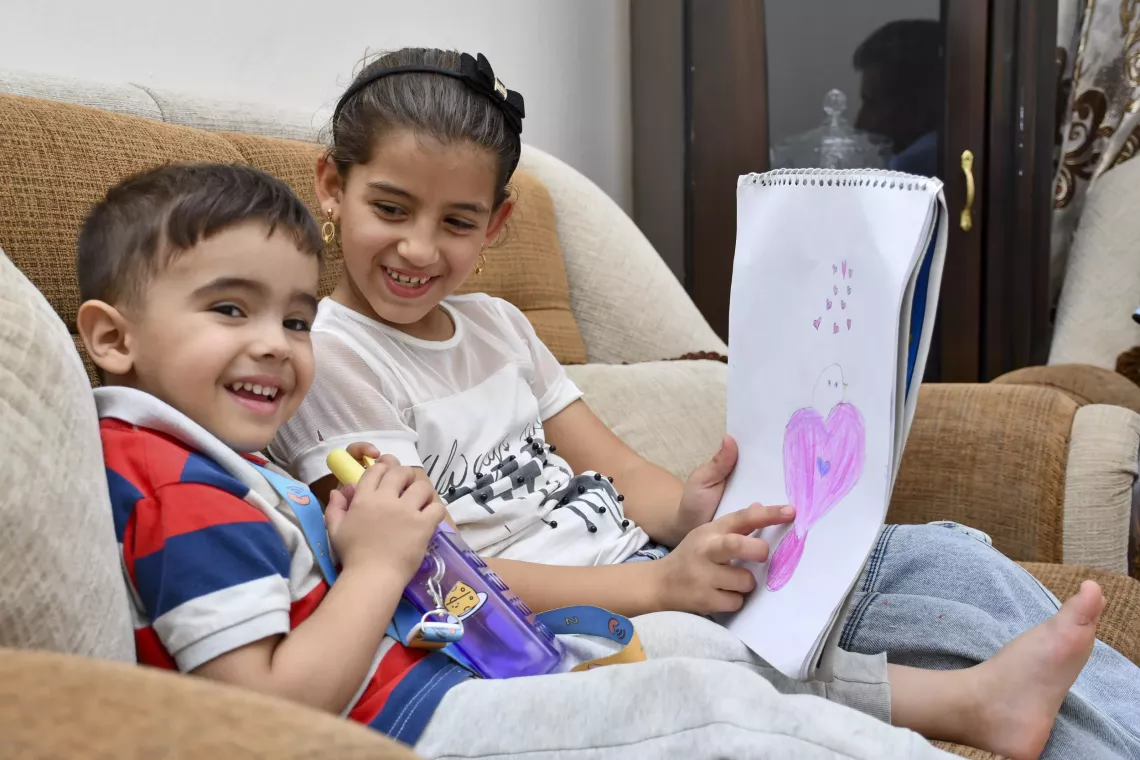
2. Creative family projects: Vision boards, art, and writing
Create a family vision board: Gather magazines, newspapers, or print out pictures from the internet and have your child create a vision board that represents their hopes for all children. This could include pictures of a clean environment, healthy meals, fun play spaces, happy families, etc. Hang the vision board in a place where the family can see it regularly.
Art or writing project: Encourage your child to draw or write about their life and how their rights are present, missing or being pursued. In your daily life, what do your rights look like? What's the best part of your day or something you look forward to? What part of your day do you wish you could change? You can even frame their artwork or share it on social media as part of World Children’s Day using the hashtag #WorldChildrensDay.
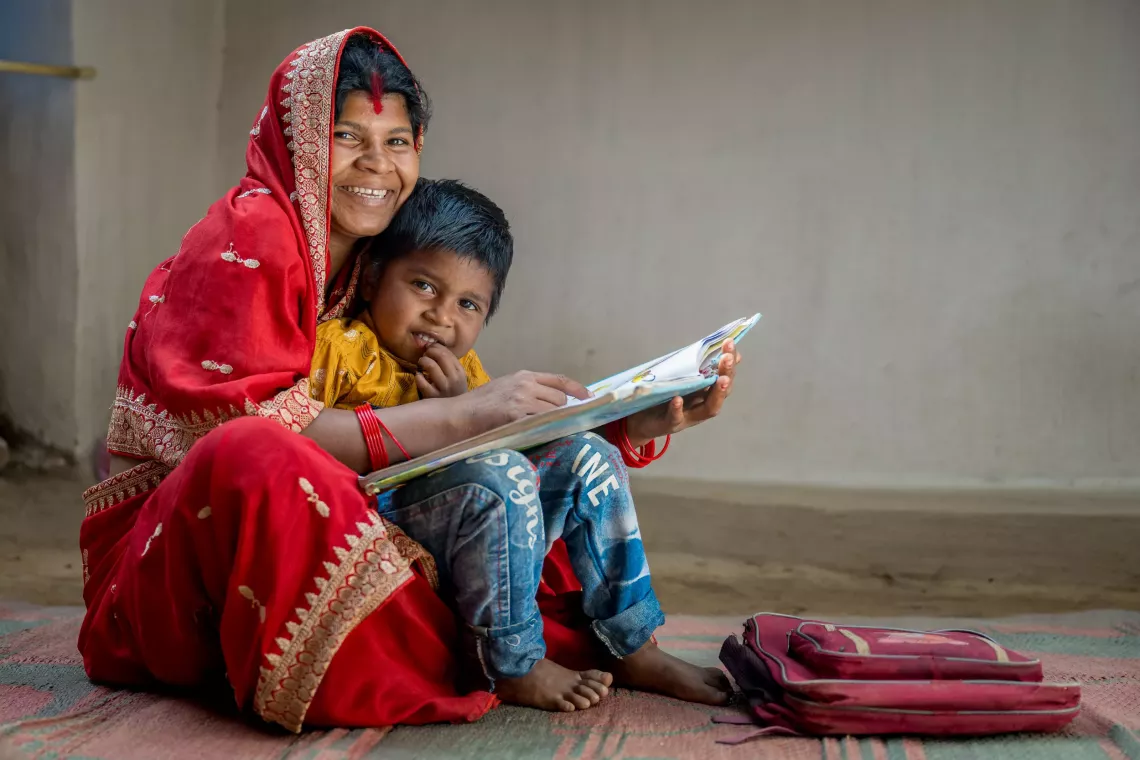
3. Daily journals and letters
Start a “daily journal”: Encourage your child to keep a journal where they can write down their thoughts about their life and their rights, including their thoughts on major issues like climate change or how technology is incorporated into their day.
Write a letter to the future: Ask your child to write a letter to themselves 10 or 20 years from now. Encourage them to include their ideas, hopes and dreams for all children. Revisit the letter in the future together to reflect on how their visions evolved.
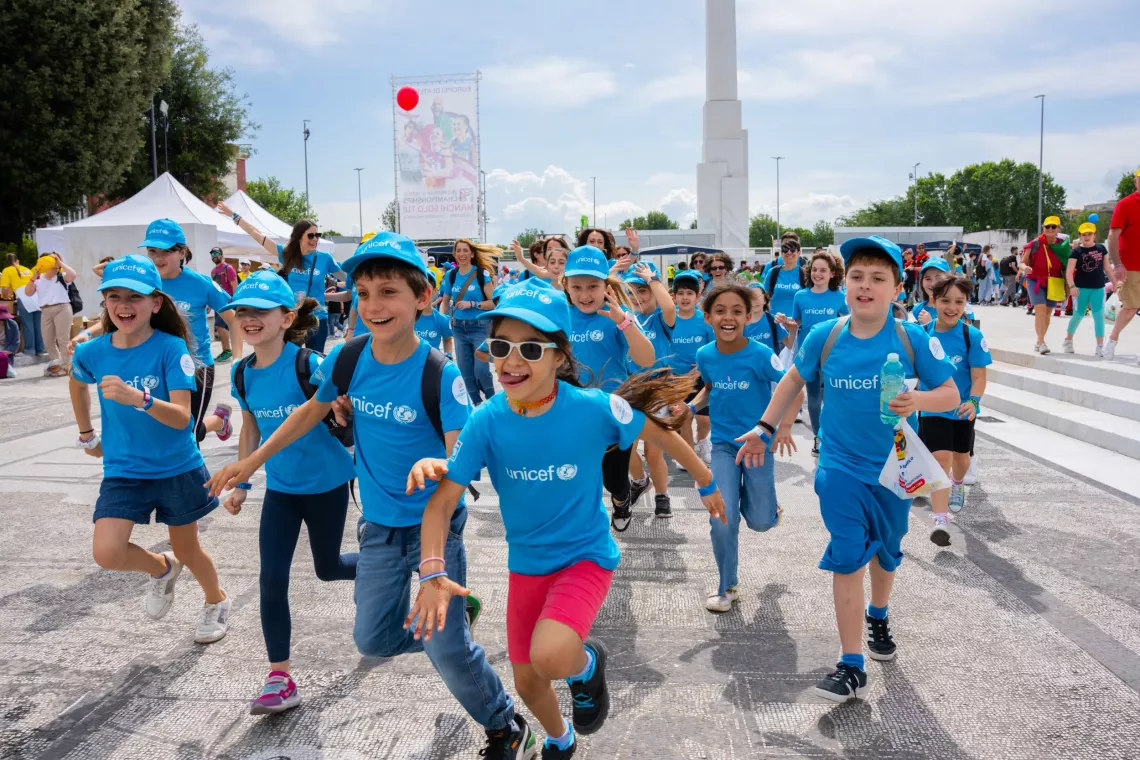
4. Participate in community events
Join local World Children’s Day events: Many communities organize events for World Children’s Day where children can showcase their talents, discuss their ideas, or participate in activities. Look for local events through schools, NGOs, and community centres. Attending such events with your children can help them feel part of a larger movement.
Organize your own event: If there aren’t any events nearby, consider hosting a small gathering with other parents and children or proposing this to your child’s kindergarten or school. This could be as simple as a playdate or community meet-up where kids can discuss their ideas for the future and participate in activities like art or storytelling.
Engage with others: Follow UNICEF on social media and explore with your child examples of what other kids are doing around the world. Discuss how their ideas are similar or different, and how together, all these ideas can make a difference. Following UNICEF is also an opportunity to learn more about issues that affect children around the world.
Your child’s perspective is important. They may see the world differently to you, but their fresh views can offer solutions that are both innovative and hopeful.
Learn more: World Children's Day 2025 campaign
Conversations about child rights
Are children’s rights the same as human rights? Learning about child rights is the first step in becoming a child rights defender.
- Read the child-friendly version of The Convention on the Rights of the Child
- Explore resources for parents and teachers on child rights
Watch “We All Have Rights” a video explaining child rights to children aged 3 to 6
Starting a conversation
Here are some tips on holding supportive conversations:
And topic guides to some of the most pressing global issues: