Protecting Newborns from Day One
With support from KSrelief and UNICEF, 24/7 Birth Dose Centres are narrowing immunization gaps and protecting newborns from their earliest moments.

Hyderabad, Sindh: The pace is brisk inside Liaquat University of Medical & Health Sciences (LUMHS) Hospital in Hyderabad, Sindh. At 75 years old, it is the city’s oldest public health facility and one of its busiest, serving nearly 20,000 people each day.
The maternity ward is a hive of activity. With 96 beds dedicated to supporting women through childbirth and the crucial postnatal period. It is where new life begins and where essential care can make the difference between risk and recovery.
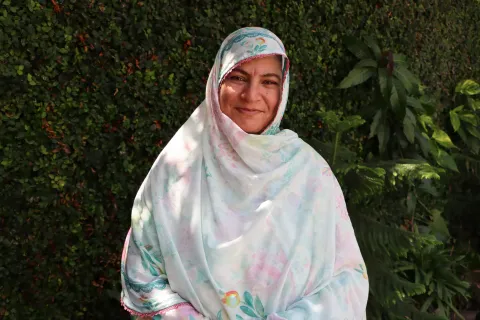
“Many of the expectant mothers who arrive here already face risks,” explains Ghazala Begum, a vaccinator at the hospital’s Birth Dose Centre. “Around 15 per cent of babies are born with complications, often linked to pre-eclampsia or severe anemia. Poor maternal nutrition also contributes to premature births, which makes newborns especially vulnerable to infection and disease.”
Bringing vaccines closer to newborns
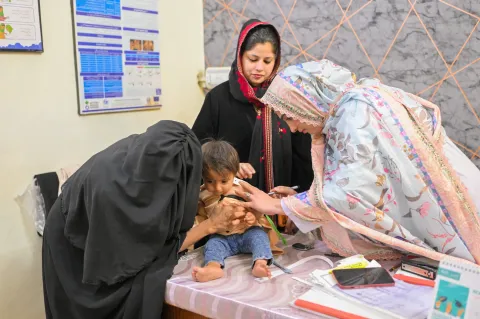
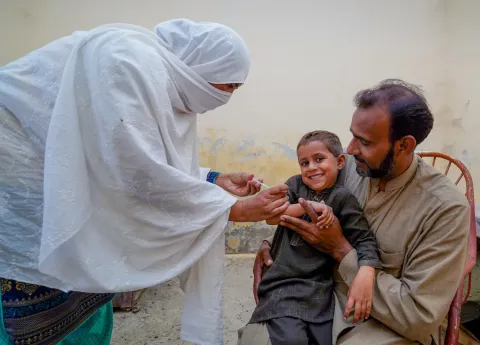
With support from King Salman Humanitarian Aid and Relief Center (KSrelief), UNICEF is supporting eight Birth Dose Centres across Pakistan, including at LUMHS Hospital. By placing vaccination services inside maternity wards, newborns who are born healthy can receive critical vaccines against tuberculosis, polio and hepatitis B - within the first hour of life – if they are born healthy. Babies who experience complications receive vaccines before they are discharged from the hospital.
Vaccinators like Ghazala play a vital role not only in administering vaccines but also in counselling families on essential newborn care, breastfeeding and immunization.
“When the centre first opened, some parents were hesitant,” she recalls. “There were myths around vaccines and cultural barriers. But over time, families have seen the benefits. It’s much easier to vaccinate the baby before leaving the hospital than to travel long distances later.”
In many communities, mothers traditionally remain at home for 40 days after childbirth, limiting early follow-up visits for both mother and baby. Previously, families had to return to the hospital on a specific day - for example, BCG vaccines (tuberculosis) were available only on Mondays - creating additional barriers.
Now, before discharge, families receive an immunization card with up-to-date records and a QR code linking them to the national schedule. Health workers also provide information about the nearest Expanded Programme on Immunization (EPI) centre, ensuring continuity of care once the family returns home.
This simple shift in service delivery helps close immunization gaps and reduces the number of zero-dose children. In the first year of introduction in supported facilities, the immunization rate at birth increased from 8 per cent to 95 per cent.
Caring for the next generation
Grandmothers are often the quiet pillars of support in maternity wards. As mothers recover, they ensure newborns receive essential care including their first, life-saving vaccines.
Kohshad’s daughter Nabila travelled 150 kilometres by bus from Badin to LUMHS Hospital after referral by her local doctor. Weak from anemia and a prolonged labour, she required blood transfusions before safely delivering a baby girl by caesarean section.
While Nabila rests in recovery, her mother, Kohshad, gently carries the newborn to the hospital’s Birth Dose Centre for her first vaccinations.

“They don’t have facilities like this in Badin. There are no birth dose centres,” says Kohshad, holding her precious granddaughter. “We lost a grandchild during delivery before. I am so relieved that this baby was born safely and is now protected by these vaccines.”
After the baby girl was born safely, the family received counselling on exclusive breastfeeding, maternal nutrition and the importance of completing the immunization schedule. They now know the location of their nearest EPI centre and when to return for the next doses.
A critical step from day one
With high caseloads, maternity wards must operate like clockwork. Birth Dose Centres are an essential part of that system, ensuring newborns receive life-saving vaccines before discharge and are enrolled immediately in Pakistan’s national immunization programme.
With support from KSrelief and UNICEF, these centres are staffed by trained health workers and equipped with strengthened vaccine management systems and reliable cold chain equipment to maintain safety and effectiveness.
Vaccination at birth is a critical investment in child survival. By providing protection in the first hours of life, these centres help reduce the risk of missed doses and start children on the right track towards a fully immunized future.
From day one, they are giving Pakistan’s youngest children a safer, healthier start and a stronger chance to thrive.