The Knock That Saves Lives
With support from the Republic of Korea and UNICEF, trained Lady Health Workers are giving newborns a better chance to survive.
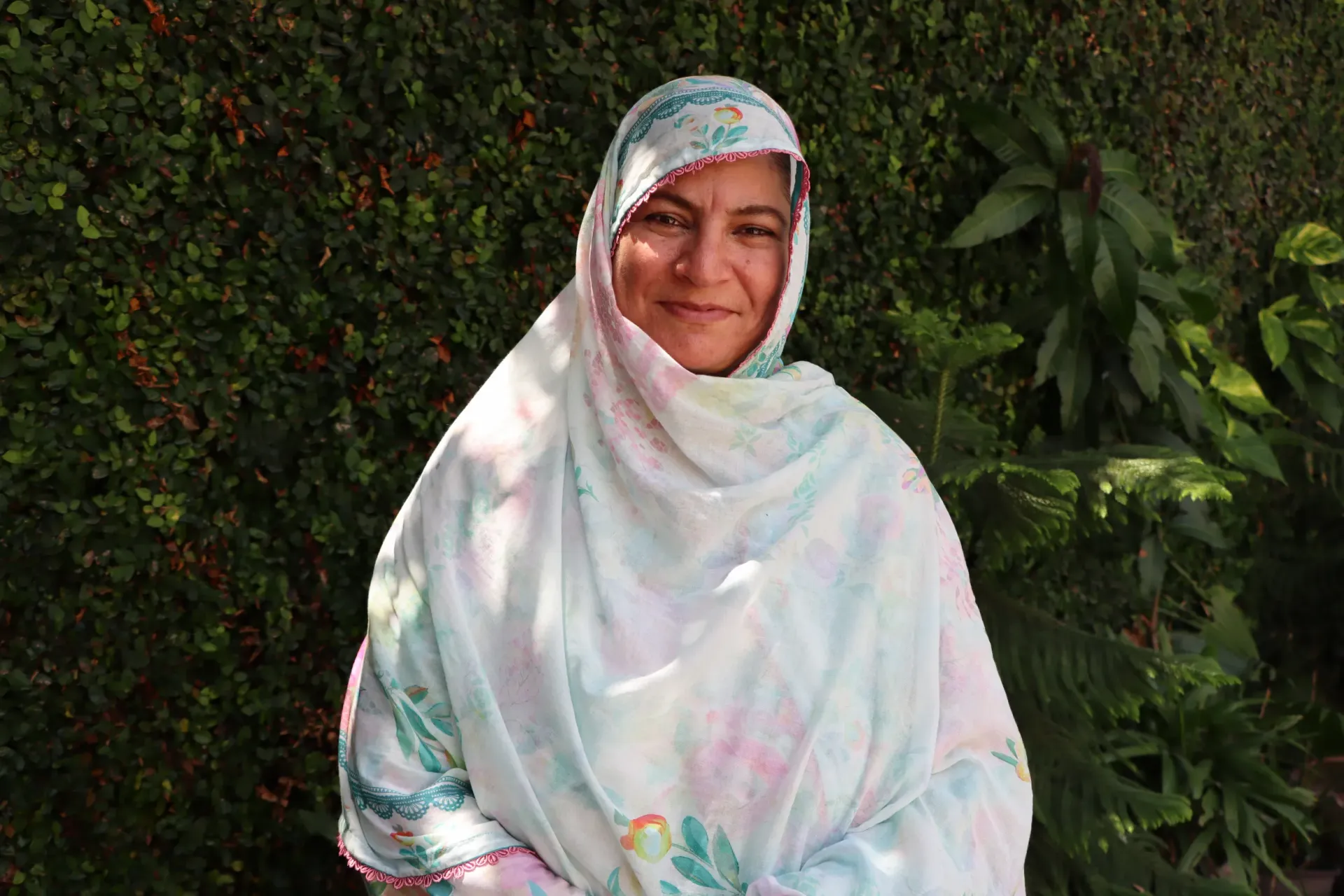
Charsadda, Khyber Pakhtunkhwa: “Many babies are born healthy but do not survive due to delays in seeking care. In some villages, families think newborn illnesses are spiritual beliefs, when in fact they are often infections that need urgent medical attention,” says Shehnaz Begum, Lady Health Worker.
One newborn was just a few days old when she first met him. He was severely underweight, and his family believed he had “sorey,” a spiritual belief where a newborn has been affected by evil spirits during pregnancy. They planned to seek help from spiritual healers, hoping the illness would pass on its own.
“I explained that the baby was not suffering from anything mysterious—his mother had not received enough nutrition during pregnancy, and he was severely malnourished. I supported the family to take him to the Basic Health Unit in Kot straight away, where treatment and care began. Over the next six months, I watched him slowly gain weight. Today, he is a healthy, active child,” Shehnaz explains
For Shehnaz, every healthy child reminds her why she keeps walking from one house to another, even on the hottest days, when temperatures can reach 47 degrees Celsius.
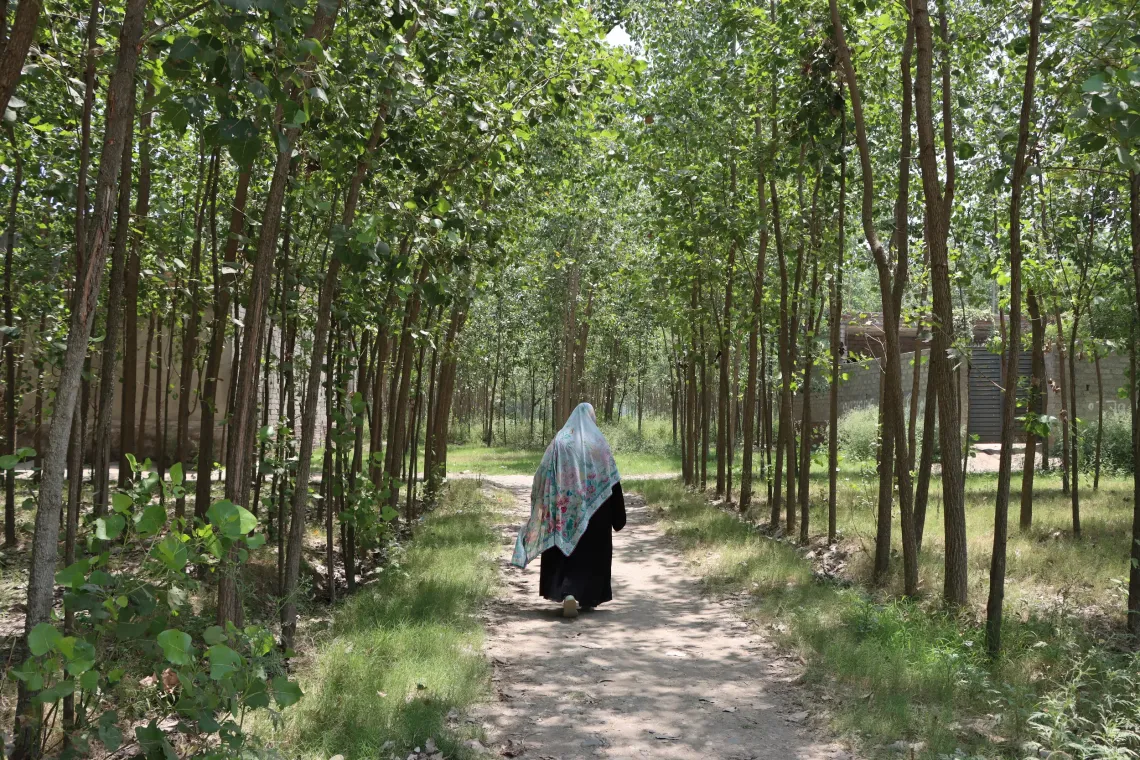
Since 2018, Shehnaz Begum has walked through Baziabad Kot Union Council in Charsadda, visiting seven households a day, covering more than 1,800 people with essential care and guidance for mothers and newborns.
"When I first started, people didn't trust me. Many relied on home remedies, they delivered babies at home or by untrained midwives and questioned why I kept visiting their homes," Shehnaz said.
She refused to give up. With patience, persistence and regular visits, she gradually earned the community's trust, one family at a time. As her relationship with families grew stronger, so did her knowledge. Through UNICEF-supported training on newborn home-based care, funded by the Republic of Korea, she refreshed her skills and strengthened her ability to guide parents on breastfeeding, nutrition, hygiene, immunization and recognizing danger signs in newborns.
“I still remember one mother who developed complications after giving birth with the help of an untrained birth attendant. By the time her family rushed her to the referral hospital, it was too late. We lost her. That tragedy has stayed with me ever since. No family should have to lose a mother or a newborn simply because they could not access skilled care in time," shares Shehnaz Begum.
Because of her constant efforts, now almost every pregnant woman in her community chooses to deliver at a health facility.
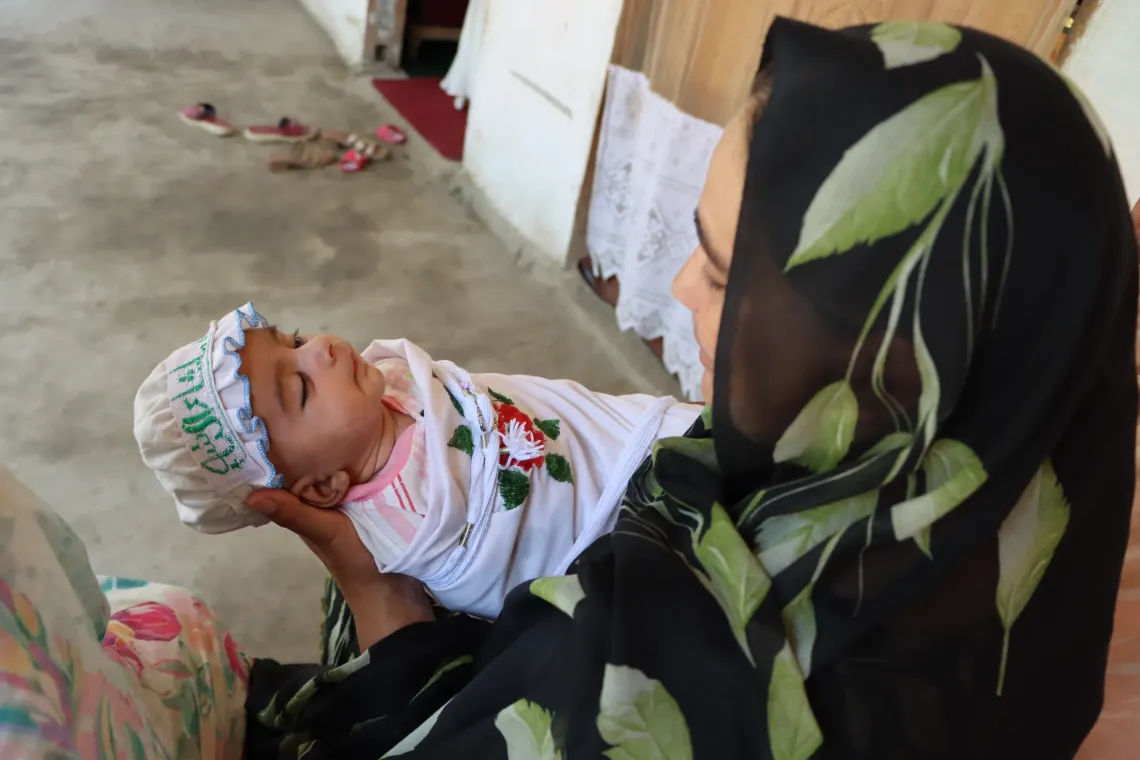
Among them is Habiba Bibi, the mother of baby Salman.
"My first child was born through caesarean section. During my second pregnancy, Shehnaz Baji visited me regularly. She taught me about eating healthy food, breastfeeding and attending my check-ups also about home-based newborn care. When Salman was born, I already knew how to care for him. I felt confident instead of afraid," says Habiba Bibi.
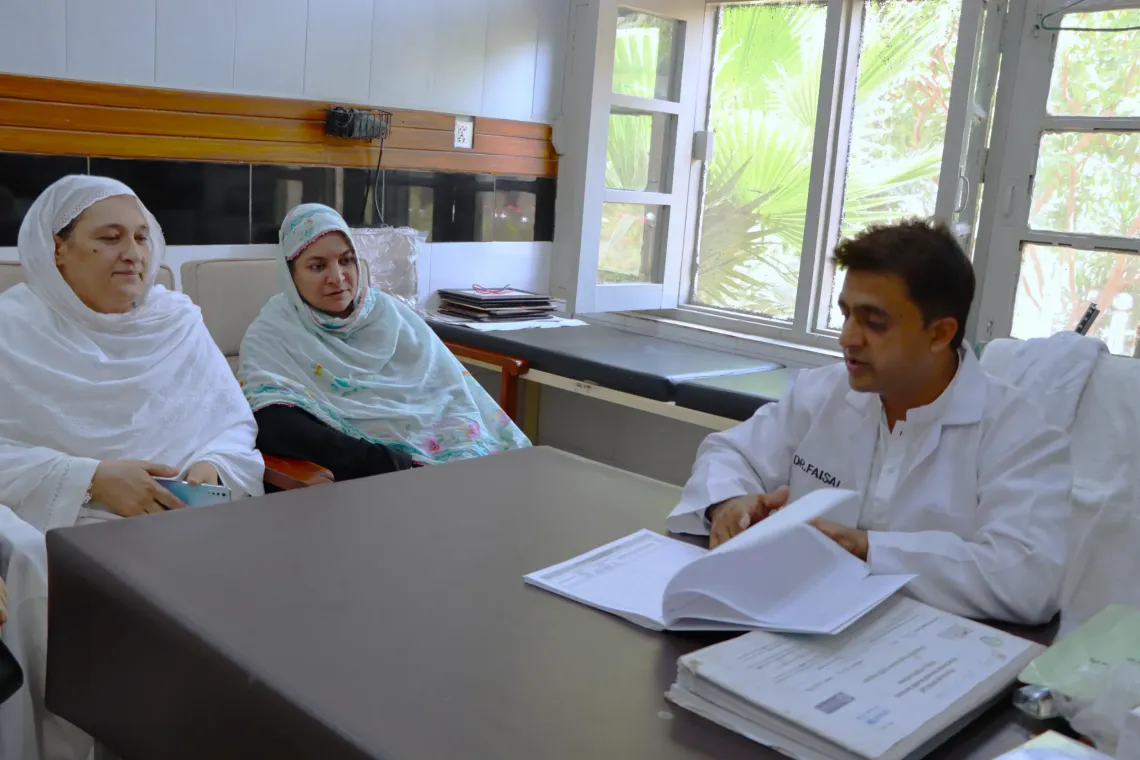
The families Shehnaz supports are connected to the Basic Health Unit in Kot, where Dr. Faisal In-Charge BHU sees the difference early care makes.
“Primary health care saves the lives of newborns and young children. When families seek care early, many illnesses can be treated before they become life-threatening. UNICEF-supported training has strengthened our Lady Health Workers' skills, and every LHW should receive it so more newborns can survive,” Says Dr. Faisal, BHU Kot Charsadda.
The health facility itself has overcome enormous challenges after being damaged by floods in both 2022 and 2024. With support from UNICEF and funding from the Republic of Korea, the Basic Health Unit has been restored, with improved water, sanitation and hygiene services, reliable electricity and better conditions for mothers and children seeking care.
A timely visit, a trained health worker and a well-equipped health facility can make the difference between life and death for a newborn. With support from the Republic of Korea and the Government of Khyber Pakhtunkhwa, UNICEF is strengthening primary health care by training more than 1,100 Lady Health Workers and improving health facilities, helping ensure quality care for mothers and children for years to come.