Ensuring a Safe Start for Newborns in Pakistan
Newborns across Pakistan are protected against vaccine-preventable diseases round the clock with support from KSrelief

Every day in Pakistan, more than 1,000 children under the age of five lose their lives to 12 vaccine-preventable diseases. Despite the demonstrated ability of vaccines to save lives, Pakistan remains among the top ten countries with the highest number of zero-dose children—those who have not received even their first vaccine.
Cultural practices, such as the tradition of keeping mothers and newborns indoors for the first 40 days after birth often delay or prevent timely immunization. This results in thousands of children missing their vital birth dose, putting their health and future at risk.

UNICEF is working in partnership with the Government of Pakistan to address these challenges to ensure every child receives the protection they deserve. With support from King Salman Humanitarian Aid and Relief Centre (KSrelief), UNICEF has established 24/7 Birth Dose Centres in health care facilities across Pakistan to strengthen newborn vaccination against three disease—polio, hepatitis B and tuberculosis— and reduce infant mortality.


Muhammad Faisal traveled over 200 kilometres from a remote village in Balakot, Khyber Pakhtunkhwa to ensure his newborn received essential medical care and protection at the Poly Clinic Hospital, Islamabad. This healthcare facility is home to one of eight 24/7 Birth Dose Centres in Pakistan that UNICEF established with support from KSrelief.

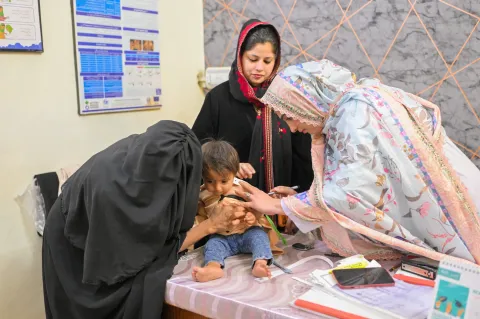
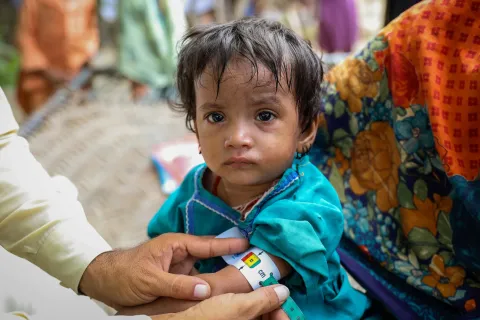
Upon arrival at the hospital, a Lady Health Worker (LHW) carefully examines Faisal’s newborn. This initial checkup is a critical opportunity to identify the child’s needs and ensure immediate access to life-saving interventions. The LHW’s compassionate approach reassures Faisal and his family, emphasizing the importance of early and regular health checks for newborns.

At the 24/7 Birth Dose Centre, the newborn receives their first dose of vaccine, a crucial step in safeguarding against deadly diseases. The vaccinator explains the importance of following the full immunization schedule, empowering Faisal and his family to continue protecting their child. These centres, established adjacent to labor rooms in eight sites across Pakistan, ensure that newborns can receive their first vaccine dose within six hours of birth, regardless of the time of day.

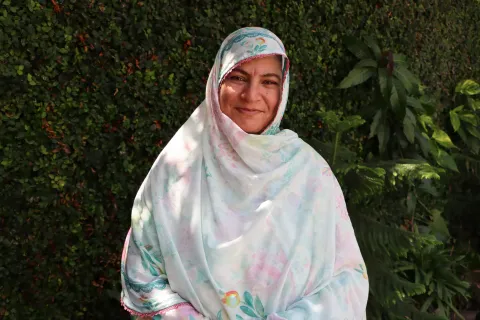
Asifa Mahmood, Lady Health Worker provides Faisal with a vaccination card and detailed guidance on the importance of timely immunization. She encourages the family to visit their nearest vaccination facility and stresses the need to adhere to the schedule to ensure protection for the child against diseases. At Poly Clinic Hospital alone, 500 children benefit from this service each month, but many more still need access.

Expanding Access, Saving Lives
While progress is being made, thousands of children in Pakistan still miss out on life-saving vaccines. Expanding these services to all medical facilities is essential so that every baby in Pakistan has the chance to grow up healthy and thrive. The partnership between the Ministry of Health, UNICEF, with the support from King Salman Humanitarian Aid and Relief Centre, is a vital step toward a future where no child is left behind.