How digital data systems are strengthening healthcare for children in Balochistan
With UNICEF’s support, the roll out of the District Health Information Software 2 (DHIS2) is helping to improve maternal, newborn and child health services and infrastructure
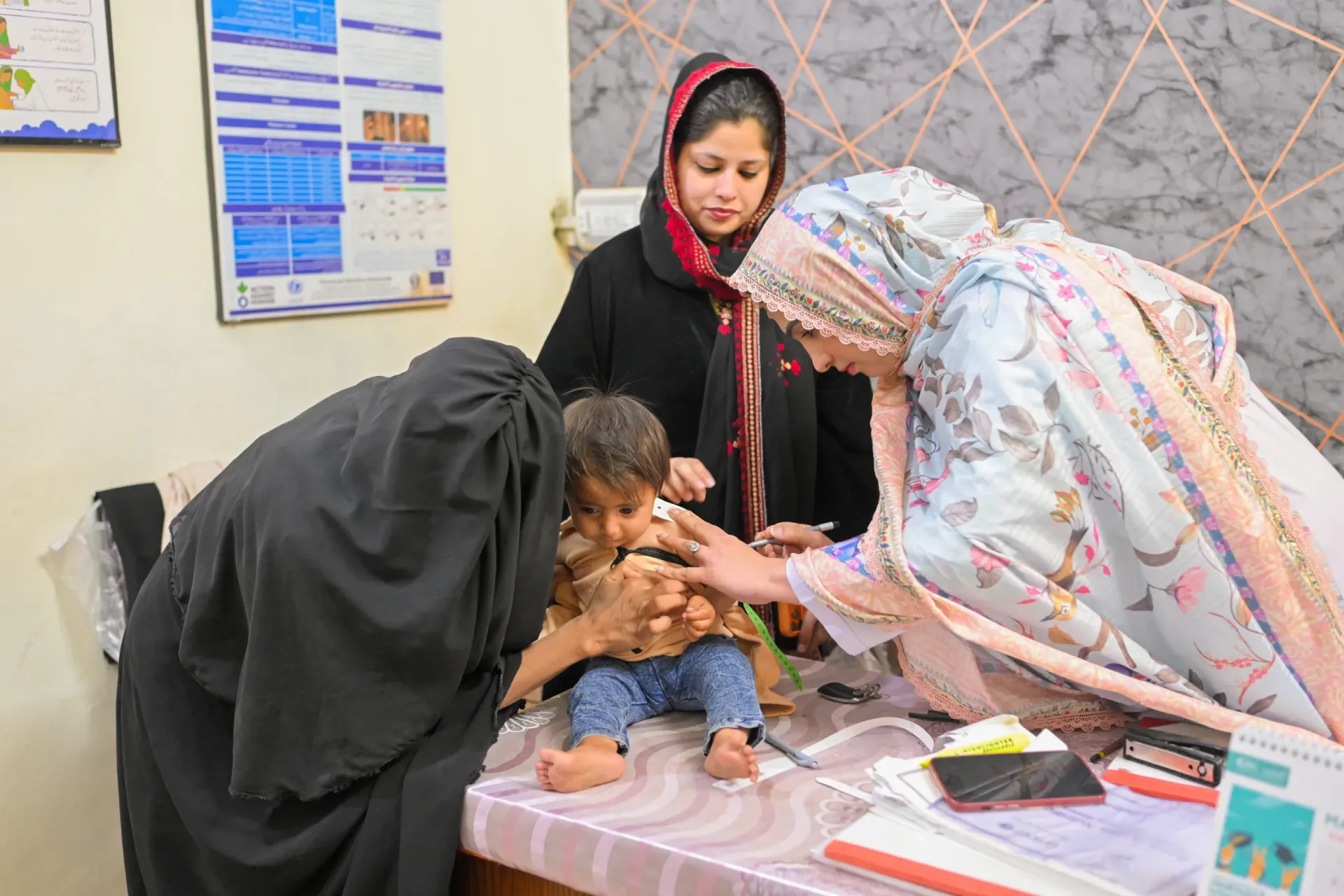
Quetta, Balochistan: In his office at the Directorate General Health Services in Quetta, Syed Muzaffar Ali views a dashboard on a large screen connected to his laptop.
As a senior software engineer working on the District Health Information Software 2 (DHIS2), he can now access data in real time from health facilities across each district in Balochistan, from the urban hospitals in Quetta to remote basic health units in districts like Lasbela and Turbat. With just a few clicks, he can see medicines prescribed in one district and vaccination numbers in another.
For him, this visibility is a major shift.
“Earlier, we had to wait weeks to understand what was happening on the ground,” says Muzaffar.
Before the introduction of DHIS2, Balochistan relied on a combination of paper-based reporting and the older DHIS platform. While DHIS allowed digital entry, it had major limitations: it required uninterrupted internet connectivity, offered little flexibility, and did not permit edits once data was submitted. At the health facility level, patient information was recorded manually throughout the month. These records were then compiled and sent to district health offices, where dedicated teams entered the data into the system at the end of each month. This process often led to delays, reduced accuracy, and limited the ability of health managers to respond quickly to emerging needs. By the time data was compiled, it was often outdated, making it difficult to respond to the urgent health needs of children.
“The process was slow and placed a heavy burden on district health teams,” Muzaffar explains. “More importantly, it delayed our ability to respond to what was actually happening in communities.”
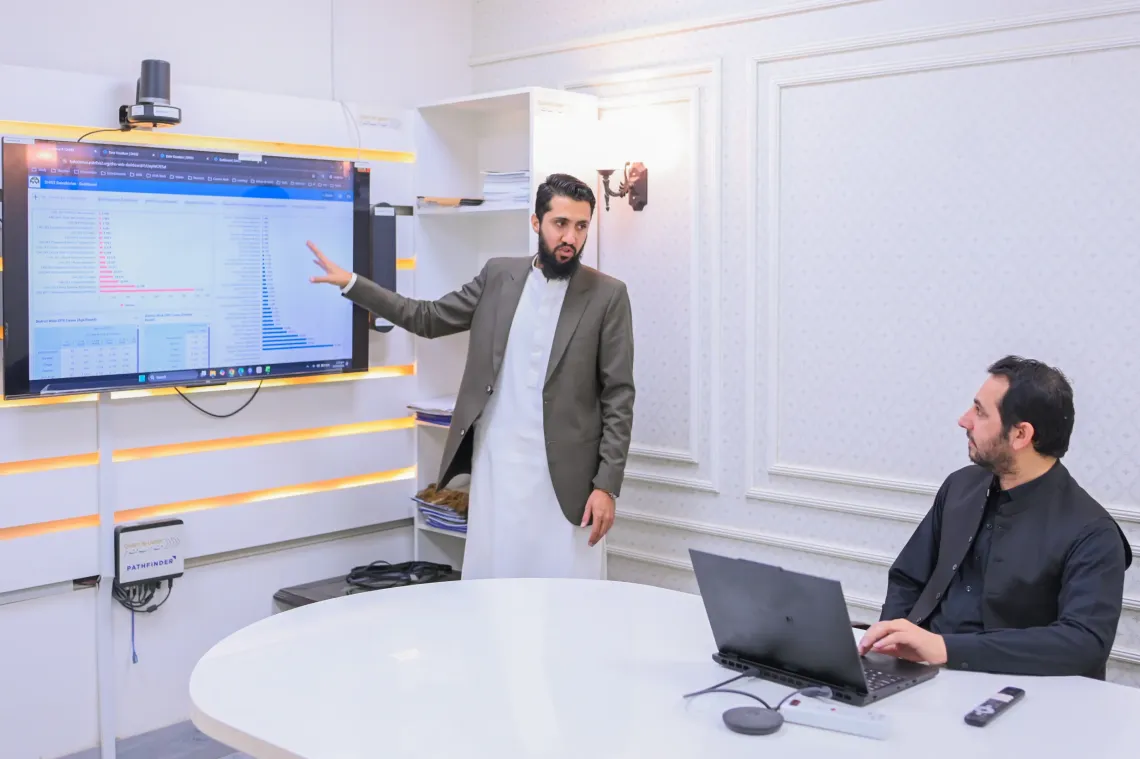
With support from UNICEF, DHIS2 was introduced in Balochistan in December 2023 and scaled up across each district in the province by 2025. The new system replaced the previous DHIS platform across primary, secondary, and teaching hospitals, while tertiary and specialized health facilities in Quetta city continue to operate their own health management information systems. Efforts are underway to integrate these systems with DHIS2, though the process is complex and requires some additional time.
Today, health workers continue to record patient information at the facility level, but instead of waiting until the end of the month, the data is now digitized and uploaded daily by them. Through the DHIS2 mobile application, this can even be done without internet connectivity, with data syncing automatically once an internet connection is available.
To support this transition, UNICEF provided IT equipment and facilitated the training of 4,500 health workers in health facilities across the province, enabling them to move from monthly reporting to a more timely and responsive system.
The Shaheed Mohtarma Benazir Bhutto Hospital was among the first facilities to fully implement DHIS2 in Quetta. Data entry operators at the hospital now play a key role in ensuring that health information is digitized and available in the system.
“Previously, all the data was entered only at the end of the month, which made it difficult to track progress and correct mistakes,” explains Sumaira, a data entry operator at the hospital. “Now we input information on a daily basis, making it far easier to monitor and verify records in real time.”
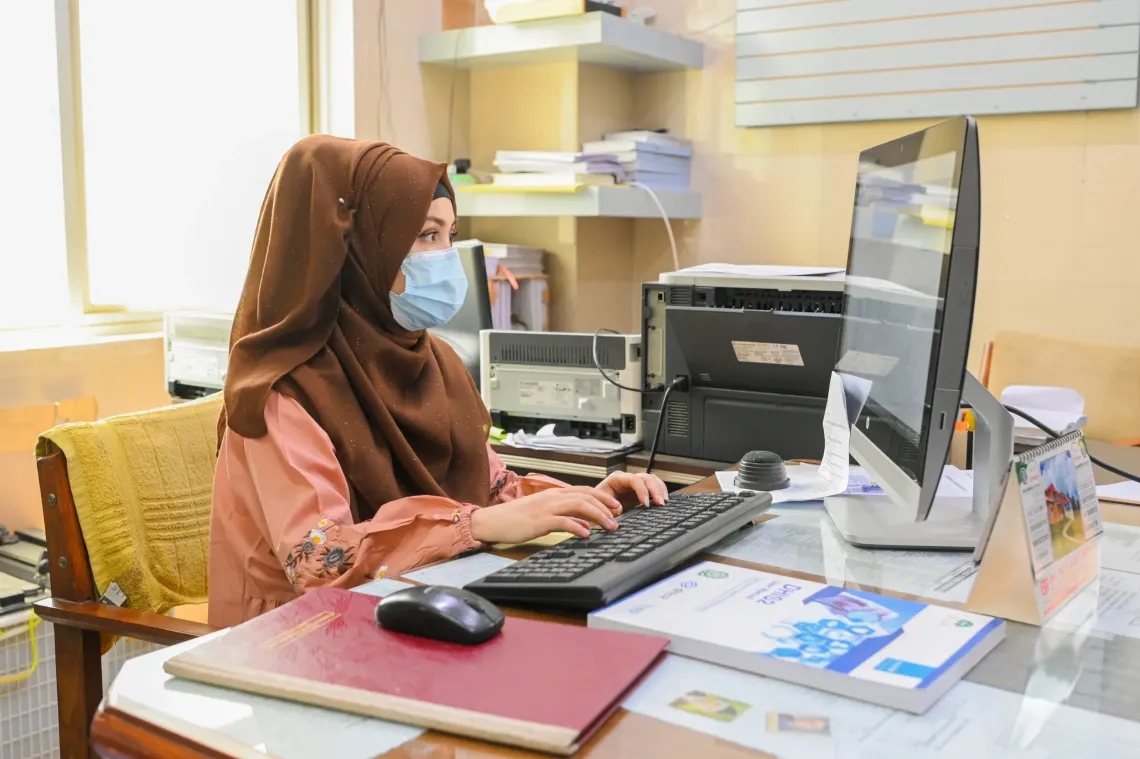
Once uploaded, the data is reviewed and analysed at the district and provincial levels. District Health Offices verify the information, while the provincial directorate monitors the trends across all districts.
This shift is already making a difference and supporting better planning. By analysing trends, health authorities can detect potential outbreaks earlier. If disease cases rise in a particular area, additional medicines and resources can be directed where they are needed most.
When no births were recorded at a remote rural health facility for two weeks, the issue was flagged for investigation. It was found that the labour room was not functioning due to faulty equipment, and corrective action was taken immediately.
Across Balochistan, DHIS2 is now supporting improved health services at more than 1,650 health facilities, helping reach women and children in some of the province’s most remote communities.
For children, this means better access to timely care, whether it is vaccinations, treatment for illness, or essential nutrition services. Health systems are now better equipped to respond quickly, plan effectively, and ensure that no child is left behind regardless of where they live.
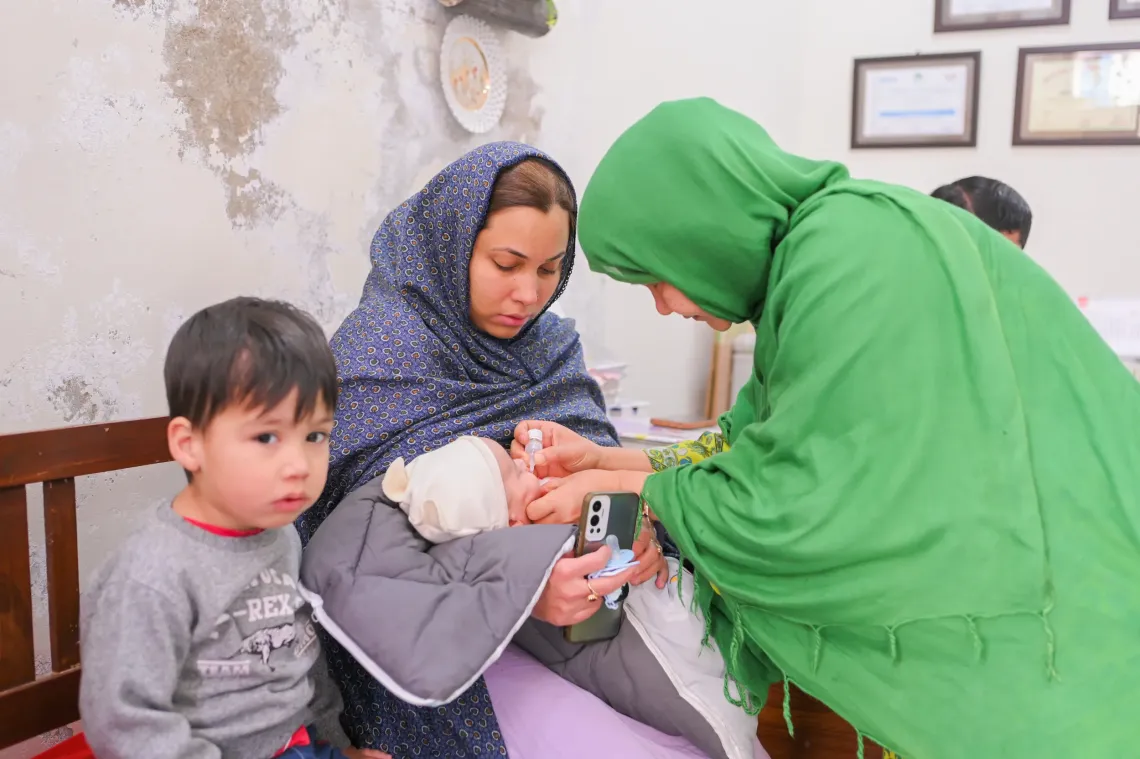
“The rollout of DHIS2 across Balochistan represents a significant step forward in digital health governance,” says Dr. Amir Akram, UNICEF Health Specialist. “Thanks to strong government leadership and close collaboration with partners, the province now benefits from real‑time visibility of health service delivery. This enables faster decision making, strengthens accountability, and ultimately delivers better health outcomes for children and families.”
While DHIS2 currently captures data from primary and secondary healthcare facilities, efforts are underway to expand its coverage to larger hospitals, further strengthening the system. Additional milestones have already been achieved, including the development of pharmacy, human resources, and flood response modules, which are now incorporated into DHIS2. Work is also underway to bring the Integrated Disease Surveillance and Response system and other reporting tools into the platform, with technical and financial support from UNICEF.
The goal is clear: with more data and sharper insights, Balochistan is moving towards quality, responsive healthcare for every child and family from Quetta’s hospitals to the most remote basic health units.
The innovation, efficiency and ultimately better health outcomes brought by DHIS2 was made possible through the support of UNICEF core resources. This unrestricted funding gives UNICEF the flexibility to make investments in better systems and real-time decisions that respond to the immediate needs of children and families for lasting change.