


UNICEF in Oman
A Legacy of Collaboration and Development for Children
The United Nations Children's Fund (UNICEF) has played a significant role in supporting the well-being of children and women in Oman. Since its early engagement with the Sultanate, UNICEF has collaborated with the government to improve child rights, healthcare, education, and social services. This partnership has been shaped by strategic national priorities, guided by royal decrees and policies that have reinforced Oman’s commitment to child welfare and sustainable development.
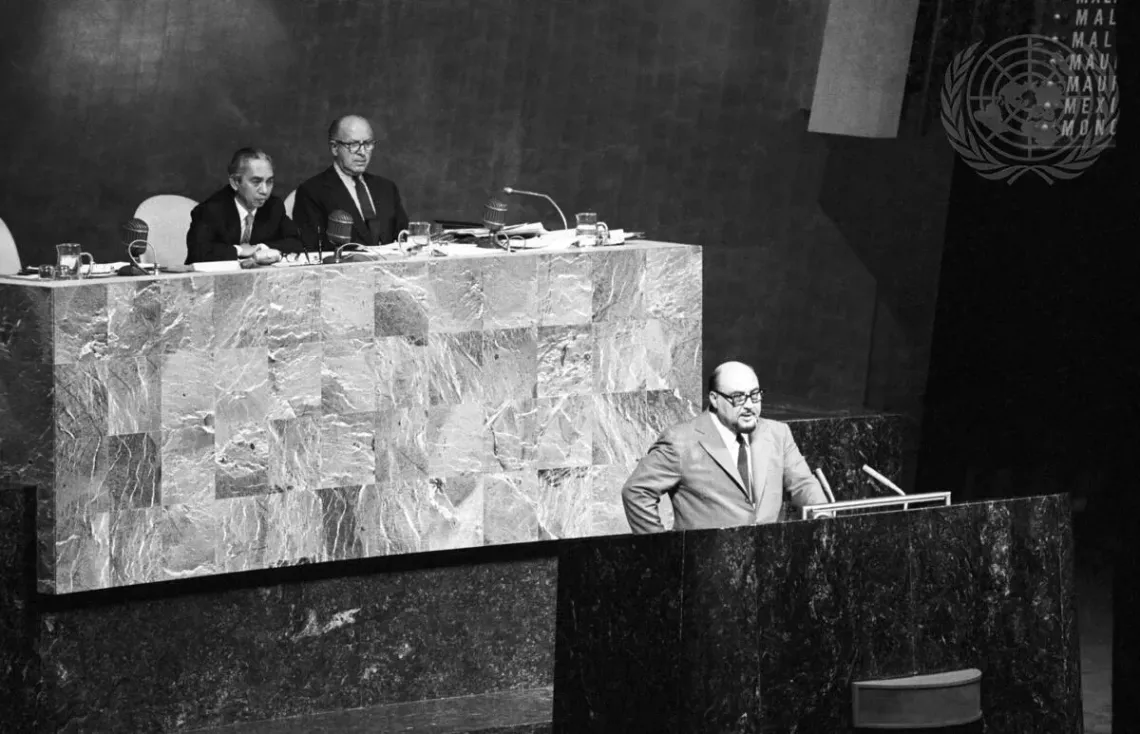
Oman joined the United Nations on October 7, 1971, marking a significant step in its commitment to international diplomacy and cooperation. As a member, Oman has actively contributed to global peace, security, and sustainable development, aligning with the UN’s principles.
Oman signed the Convention on the Rights of the Child (CRC) on December 9, 1996, and officially ratified it on January 2, 1997. This commitment signifies Oman's dedication to upholding and protecting children's rights in line with international standards.
"I have come here with the hopes of my people in this organisation and their belief that only through strict adherence to its noble principles can peace and friendship be achieved among the nations of this world."
Early Engagement and Establishment
UNICEF’s collaboration with Oman dates back to the late 1970s when the Sultanate embarked on its ambitious modernization efforts under the leadership of the late His Majesty Sultan Qaboos bin Said. Recognizing the importance of child welfare and development, Oman engaged with UNICEF to support the country's efforts in expanding health, education, and social services.
The official presence of UNICEF in Oman was formalized in 1982, when the organization established a country office in Muscat, as per Royal Decree No. 71/87 and Royal Decree No. 36/87. This milestone paved the way for structured programs that addressed key development challenges facing children and families.
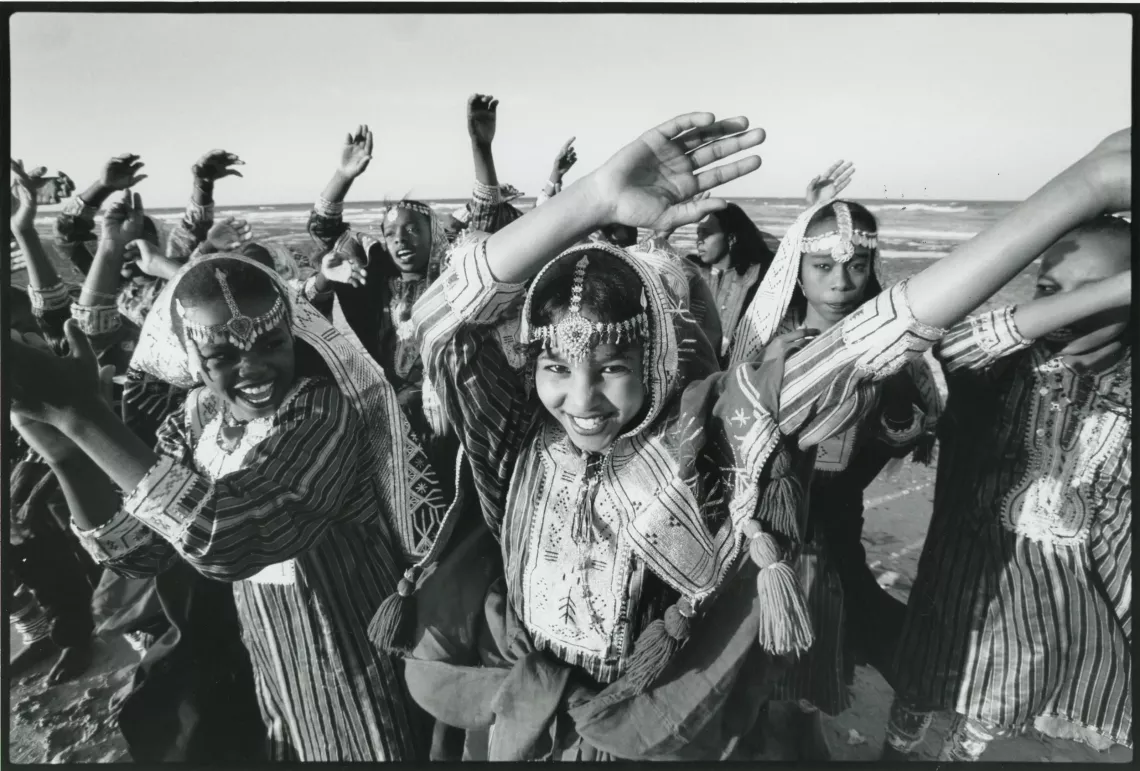
"The youth in every nation are its promising hope and its asset for the future. The care, guidance, education, preparation, and qualification they receive—along with the fostering of a deep sense of belonging within them—determine their dedication, generosity, commitment, sincerity, sacrifice, and selflessness to our society."
Key Areas of Collaboration
Over the decades, UNICEF has partnered with the Omani government to implement initiatives in critical sectors:
Health and Nutrition
UNICEF supported Oman’s immunization programs, contributing to the eradication of diseases such as polio and measles. The organization also played a vital role in promoting maternal and child health programs, improving nutrition standards, and reducing child mortality rates.
Education
UNICEF collaborated with the Ministry of Education to advance early childhood education and inclusive learning policies. Efforts have included curriculum development, teacher training, and expanding access to quality preschool education.
Child Protection
UNICEF has worked closely with Omani government to strengthen child protection mechanisms, including legal reforms and awareness campaigns aimed at preventing violence and abuse against children.
Social Policy
Aligned with Oman Vision 2040, UNICEF collaborated with the Omani government to design a comprehensive social protection system that addresses the needs of children, this included policy development, universal child Grant and capacity building.


Continuous Collaboration for Children of Oman
UNICEF collaborates closely with key entities in Oman, namely the Ministry of Social Development, the Ministry of Health and the Ministry of Education, as main stakeholders of delivering services to children. In order to align its programmes with national goals and milestones such as Oman Vision 2040, UNICEF works with key government entities as well as to decide on priorities and interventions and formulate a five year plan (Country Programme Document) in which specific outcomes and related activities are outlined to be implemented in partnership with the government.


