Environment Authority and UNICEF Endorse First-Event Climate Analysis for Children and Adolescents in the Sultanate of Oman

- English
- العربية
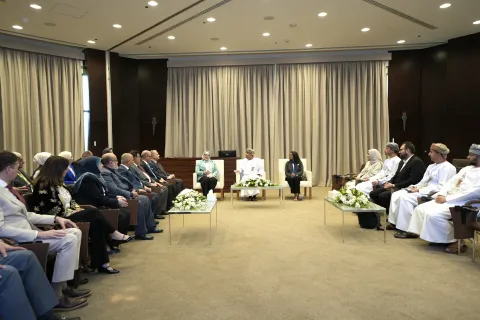
Muscat, 10 September 2025 – The National Climate Change Steering Committee has endorsed the Climate Landscape Analysis for Children and Adolescents (CLAC, a reflection of the Sultanate of Oman’s determination to place the well-being of its young people at the heart of climate action.
Developed by the Environment Authority with support from UNICEF, the CLAC provides the most comprehensive picture to date of how climate change affects children and adolescents in the Sultanate of Oman. It reviews existing policies and programmes; identifies gaps and challenges; and outlines practical recommendations to build resilience, strengthen national systems and ensure children are protected from future risks. It also points to opportunities for cross-sectoral collaboration, including advancing inclusive planning that supports vulnerable groups such as children with disabilities.
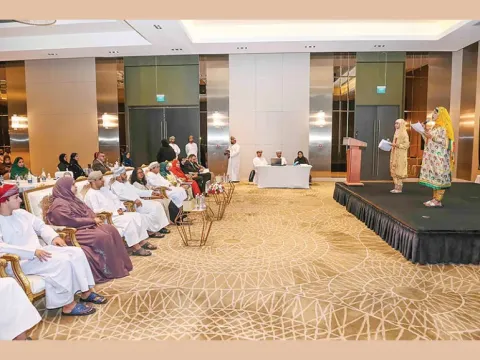
Over seven months, stakeholders at all levels – including more than 60 children, 56 young people, 30 parents and caregivers and 48 teachers – shared their perspectives from across five governorates: Dhofar, Muscat, North Sharqiyah, North Batina and Musandam. The consultation was guided by a multi-sectoral technical steering committee, with technical support from UNICEF and leadership from the Environment Authority, ensuring the CLAC reflects the voices of those most affected by the climate crisis, particularly children and adolescents.
His Excellency Dr. Abdullah Al-Amri, Chairman of the Environment Authority, described the CLAC as “a national milestone in safeguarding children and adolescents from the effects of climate change,” adding that “the Environment Authority will continue to work closely with partners to translate these findings into action, establish sectoral working groups, and prioritise projects that advance Oman Vision 2040 and contribute to the Sultanate’s zero carbon goal by 2030”.
For UNICEF, the analysis represents a critical opportunity to ensure that climate policies respond to the needs and rights of children. Her Excellency Sumaira Chowdhury, UNICEF Representative to the Sultanate of Oman, emphasized that the CLAC “sends a clear message: climate action must also be child action. UNICEF is committed to working with the Government of Oman to ensure that national responses protect the most vulnerable, strengthen essential services, and equip the next generation with the tools they need to thrive in a changing world.”
Aligned with Oman Vision 2040, the Eleventh Development Plan 2026-2030 and national commitments such as the National Adaptation Plan, the Nationally Determined Contribution and the goal of zero carbon by 2030, the CLAC contributes to the Sultanate’s leadership in global climate action, including its presidency role with the United Nations Environment Programme.
As part of next steps, the CLAC will also be presented at COP30 in Brazil to showcase the Sultanate of Oman’s commitment to child-centred climate action on the global stage.
Media contacts
About UNICEF
UNICEF promotes the rights and wellbeing of every child, in everything we do. Together with our partners, we work in 190 countries and territories to translate that commitment into practical action, focusing special effort on reaching the most vulnerable and excluded children, to the benefit of all children, everywhere.
For more information about UNICEF and its work for children, visit www.unicef.org.