


Family Friendly Policies
Workplaces of the future
Supporting Families, Strengthening Workplaces
What are Family Friendly Policies?
Family-friendly policies (FFPs) allow parents and caregivers to balance work, personal life, and the care of children, especially during the first crucial 1,000 days of a child’s life. Over 13 per cent of Oman’s population are children under five. Global evidence shows that investing in early childhood is associated with a GDP increase of 2 per cent.
The Sultanate of Oman is already a pioneer in FFPs with the Social Protection and Labour Laws, resulting in three transformative shifts in the workplace, which in turn, contribute to the achievement of Oman Vision 2040 and the Sustainable Development Goals (SDGs):
- Labour Market and Employment
- Well-being and Social Protection
- Economic Diversification and Fiscal Sustainability.
The Sultanate of Oman is already a Pioneer in FFPs with the Social Protection and Labour laws, resulting in THREE transformative shifts in the workplace: 98 Maternity Leave Days, 7 Paternity Leave Days, 1 hour Nursing Break for one year
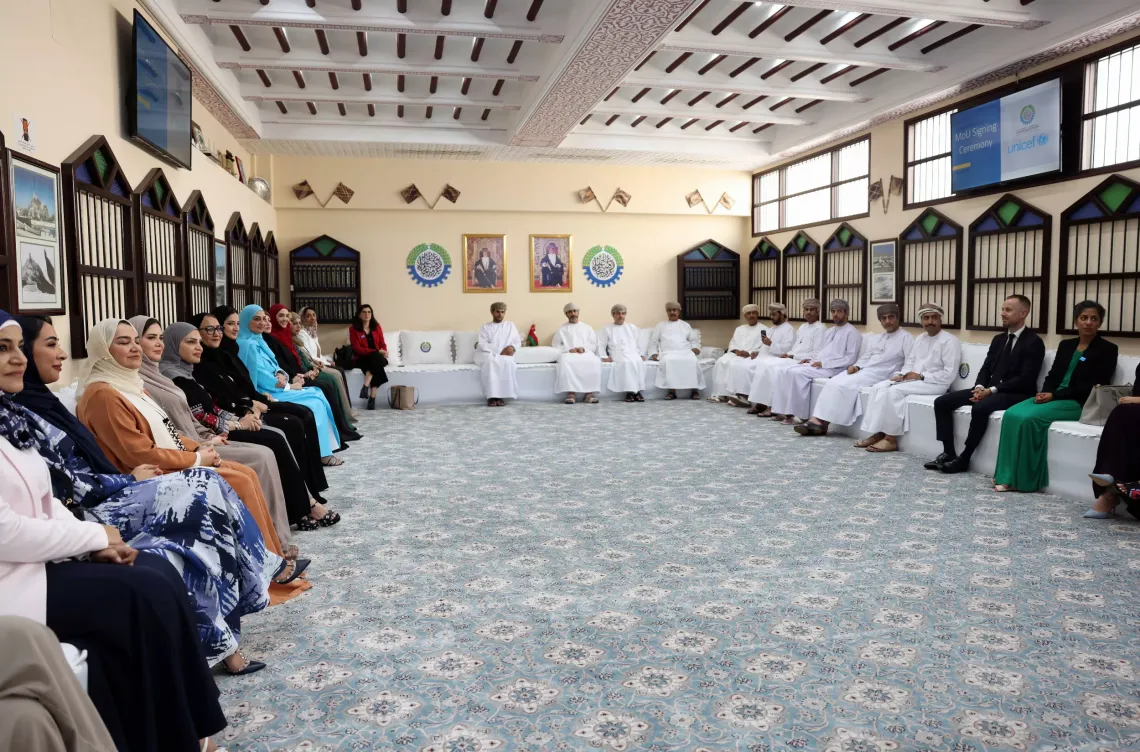
Oman Chamber of Commerce and Industry Partners with UNICEF to Promote Family-Friendly Policies
In a significant step towards fostering a supportive and inclusive environment for families, the Oman Chamber of Commerce and Industry (OCCI) has signed a Memorandum of Cooperation (MoC) with the United Nations Children’s Fund (UNICEF) to assist companies in implementing family-friendly policies. This partnership, signed on Monday, aims to ensure that parents in Oman have the time, resources, and services necessary to care for their young children while maintaining their professional commitments.
The memorandum was officially signed by Fisal bin Abdullah al Rawas, Chairman of OCCI, and Sumaira Chowdhury, UNICEF Representative in the Sultanate of Oman. The partnership highlights a shared commitment to enhancing the well-being of families and promoting child rights, aligning closely with both national and global objectives for sustainable development.
Why is investing in family-oriented policies good for everyone?
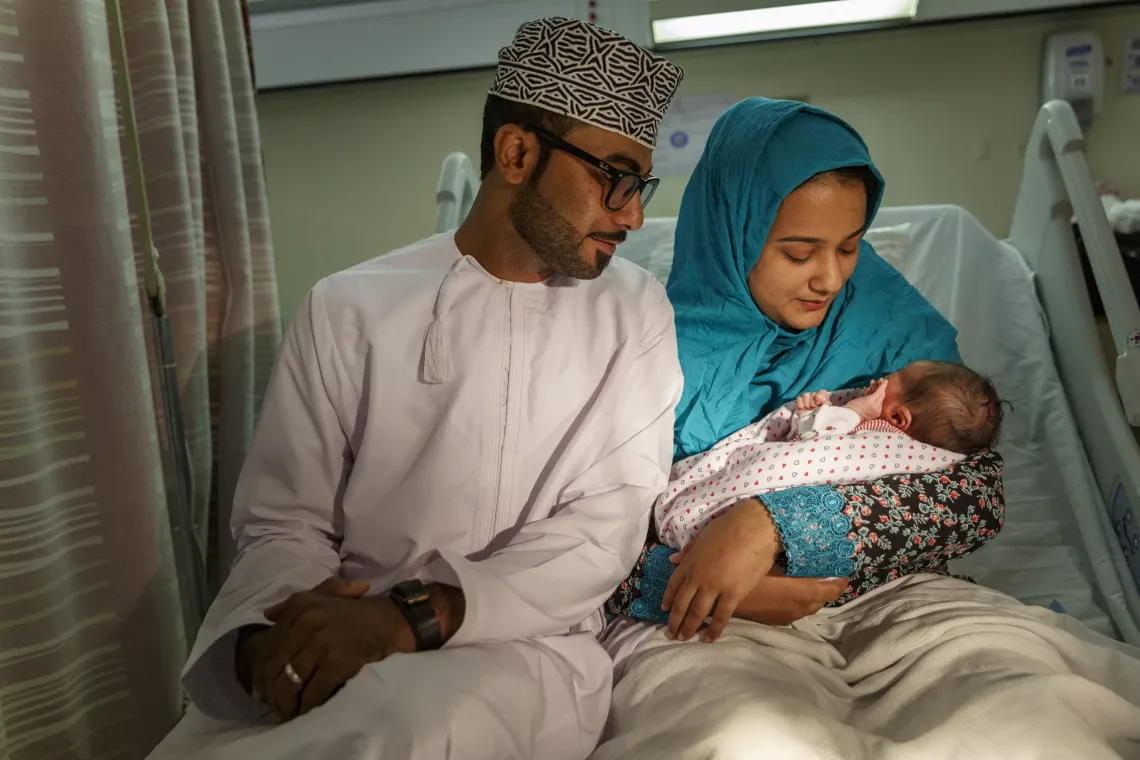
They are good for children in early childhood, because:
- They are one of the most effective ways to improve people's skills and, ultimately, productivity.
- While all parents want to do the best for their children, many have no choice but to work all day. This means being away from home, spending a lot of time commuting, and not having time for their daughters and young children.
They are good for women because:
- They make it easier for women to be gainfully employed and contribute to the family income by having childcare services.
- They encourage parents to share parenting responsibilities, helping to redistribute care and household chores.
- They prevent women from dropping out of the labor force, helping to reduce the gender wage gap.
They are good for business because:
- When companies offer favorable policies to fathers and mothers, it increases labor retention, reduces absenteeism, and reduces recruitment costs.
- When companies enable fathers, and especially mothers, to advance their careers, they attract the best talent, boost employee engagement and morale, become more competitive, improve their corporate reputation, and move toward global sustainability standards.
They are good for the economy because:
- They stimulate economic growth and national GDP.
- Because women's equal participation in the workforce contributes to the economy (according to a 2015 McKinsey report, women would add $12 trillion to the global economy by 2025), it also strengthens countries.