#WhatsToEat
Children's food choices are shaped by the world around them. It's time for stronger rules on what food can be sold and advertised in schools.
- English
- Македонски
- Shqip
Children don’t choose what they eat in isolation. Their choices are shaped every day by what food is available, affordable and promoted in their environment.
#WhatsToEat is a campaign co‑created with children, calling for healthier food environments and introducing stronger rules on the sale and marketing of ultra‑processed food and sugary drinks in schools.
The campaign amplifies children’s voices and highlights a simple truth: healthy choices are hard to make when unhealthy options dominate.
Five teams, five actions
Why this matters?
In North Macedonia, around 1 in 3 children aged 7–9 is living with overweight or obesity.
A lack of physical activity is more often blamed, but this doesn’t necessarily reflect children’s reality. Most children are already active: over 90 per cent move for at least an hour every day.
A lack of movement is not the main problem.
At the same time, more than 70% of children aged 6–9 eat fruit and vegetables less than once a day, while 1 in 3 drinks a sugary beverage every day.
The problem is more complicated than simply individual behaviour.
The real issue is the food environment.
When sugary drinks, snacks high in fat, sugar, and salt, and ultra‑processed foods are cheaper, easier to find and more visible than fruit, vegetables, and freshly prepared food, unhealthy options become the default choice.
Marketing uses bright colours, characters and clever ads to make sugary drinks and ultra‑processed foods look cool, fun, and rewarding. Over time, it shapes habits, preferences, and what kids come to expect as everyday food, long before they can make informed choices.


Unhealthy food is everywhere. Even in and around schools.
UNICEF with support from the Ministry of Education and Science and the Ministry of Health recently conducted an assessment on the nutritional environment in and around schools:
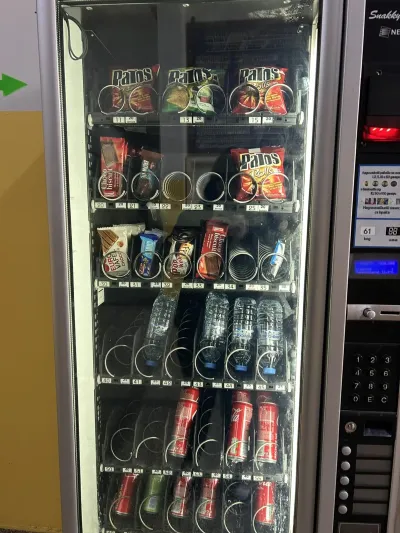
- Food and drinks are sold within school premises in 20% of schools — in all cases only unhealthy options were available.
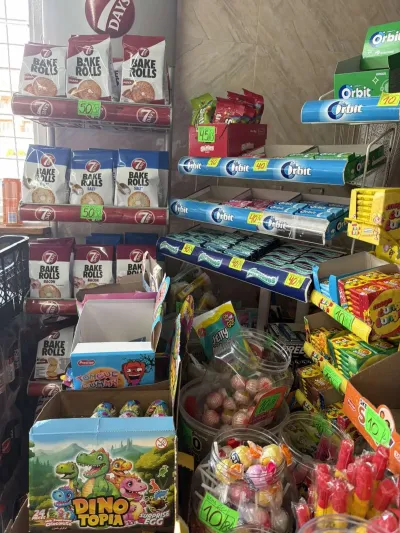
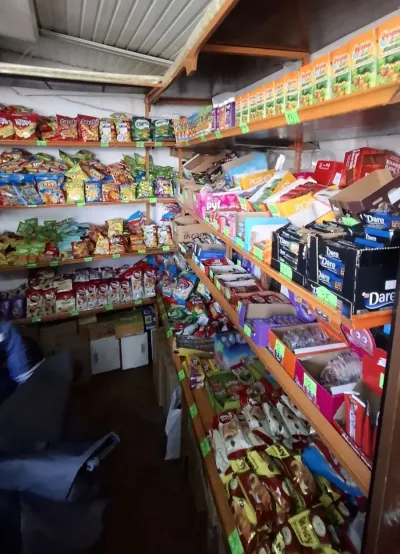
- Nearly all schools (98%) allowed students to buy food from nearby shops during school hours, where unhealthy foods were widely available.
In schools that offer meals (35%), salty or sweet snacks are the norm.
The problem is not children or their willpower. The problem is the environment surrounding them.
What we’re asking for
Let’s create food environments in schools that protect children and support healthy choices. It’s time for stronger rules on what food can be sold and advertised in schools.
While children benefit when they have more hours of physical activity, it is not enough. Creating healthier food environments has proven to be one of the most effective ways to improve children’s diet and is essential for them to grow, learn, and thrive. This means:
- making healthier food options available and the default choice, not the exception;
- introducing stronger rules on the sale of sugar-sweetened drinks and ultra processed food in schools; and
- limiting children’s exposure to unhealthy food and drink marketing, especially within and around schools.
Protecting children from unhealthy food environments is not about restricting choice, it is about creating conditions where healthy choices are the easy, normal choice.
Take Action
Creating healthier food environments in and around schools requires action from everyone. Whether you're a student, parent, educator or decision-maker, there are practical ways to get involved.
For children and young people
🤳 Join the challenge: Share what food is being sold in or around your school and add your voice to #WhatsToEat.
📢 Amplify the message: Like, share, and repost content from others. Tag your friends and keep the conversation going.
🏫 Speak up locally: Raise the issue with your school, student council, or municipality. Ask for healthier options and less promotion of unhealthy food.
For schools
🏫 Join the campaign: Schools can help create healthier food environments by engaging students, parents and staff in conversations about food choices and school surroundings.
📌 Display campaign posters: Download and print the campaign posters to spark discussion among students and families.
🎯 Support student action: Encourage students to participate in the #WhatsToEat challenge and share their ideas for improving the food environment in and around their school.
For parents and caregivers
🏫 Put it on the agenda: Raise the issue of food environments during parent council meetings and school discussions.
🤝 Work with schools: Encourage schools to review what is being sold and promoted to children and to prioritise healthier options.
📣 Use your voice: Support and amplify the campaign by sharing messages, talking to other parents, and engaging your community.
For policymakers and decision-makers
📜 Strengthen regulation: Support and adopt policies that limit the sale and marketing of ultra-processed food and sugary drinks in schools.
🏫 Protect school environments: Ensure that school food standards prioritise children’s health and make healthy options the default.
🚫 Limit harmful marketing: Introduce and enforce rules that reduce children’s exposure to advertising of unhealthy food in schools.
Together, we can create environments where healthy choices are the easy and normal choice for every child.
#WhatsToEat — Join the social media challenge!
🤳 Take a photo or short video of the food being sold in or near your school. Pay attention to snacks, chips, chocolates, gummy bears, wafers, sugary drinks, energy drinks and similar.
📱Share it on Instagram with: This is #WhatsToEat near my school.
🏷️ Tag a friend and challenge them to share what's near their school. The more voices, the louder the message!