Where Every Breath Counts: Medical Oxygen Gives Children a Better Chance to Survive in Ebonyi
At a teaching hospital in Abakaliki, a reliable oxygen system is helping health workers act faster when newborns and children struggle to breathe.

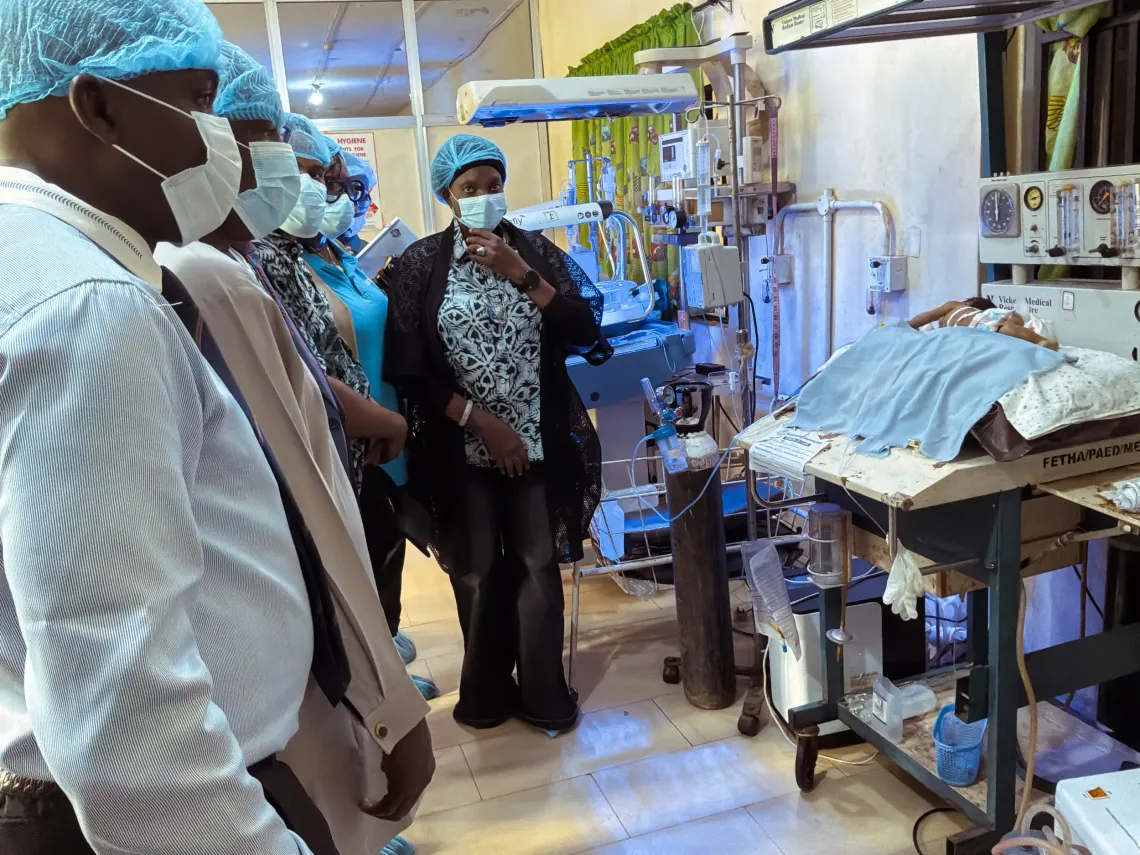
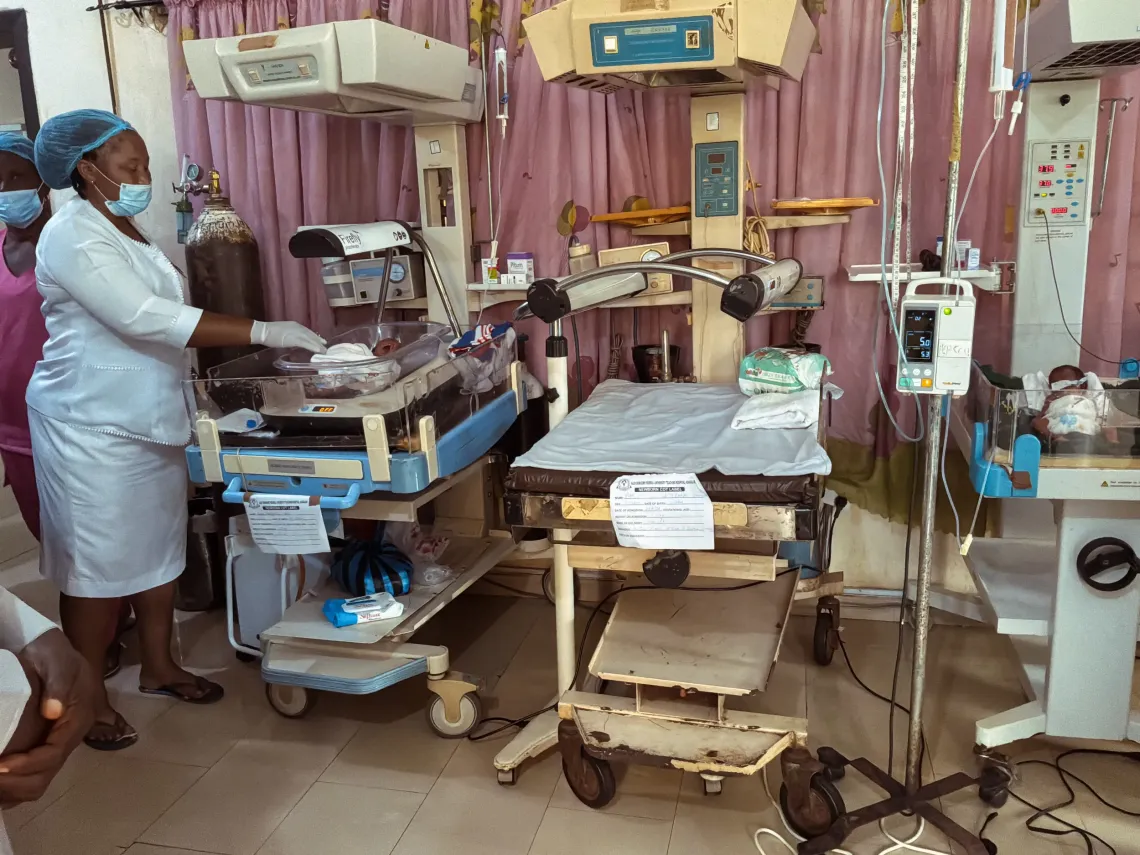
ABAKALIKI, Ebonyi State, Nigeria – Seven-day-old Damilola Ifeanyi lies in the Newborn Special Care Unit at Alex Ekwueme Federal University Teaching Hospital, Abakaliki (AE-FETHA), receiving oxygen for a respiratory condition. In these fragile first days of life, every breath matters.
Nearby, nurses care for premature newborns and others with conditions that make breathing difficult. Among them is four-day-old Nwogboloko Ebele, who weighs just 1.5 kilograms and is undergoing phototherapy while being closely monitored.
“For babies experiencing breathing difficulties, medical oxygen can make a critical difference,” says Nurse Justina Achugonye, Head of the Newborn Unit. “With a reliable oxygen supply, our nurses can respond quickly and provide the support these newborns need to stabilize and recover. It gives us a better chance of saving lives,” she adds.
From emergency response to lasting investment
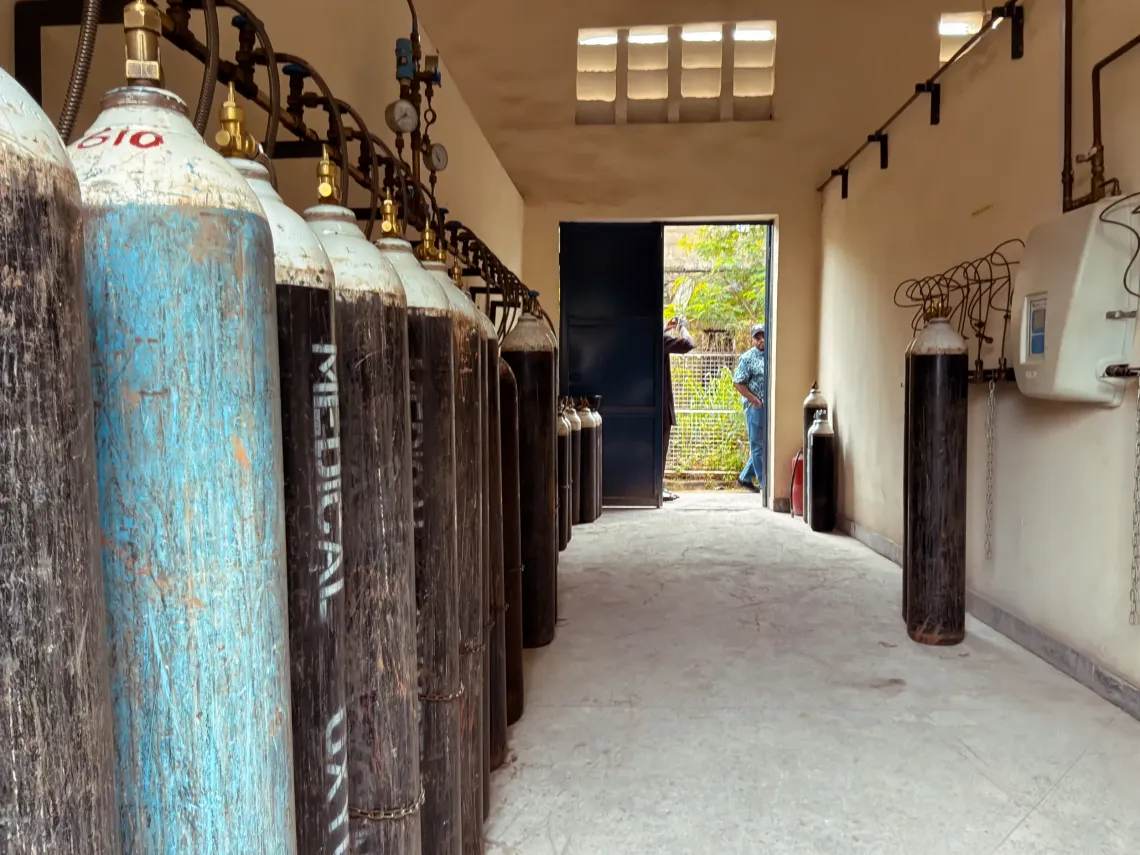
The hospital’s medical oxygen plant was constructed with funding from IHS Nigeria and the Government of Canada, in collaboration with UNICEF and the Ebonyi State Government. Opened on 26 April 2024 after the COVID-19 pandemic exposed critical oxygen shortages, the plant now produces medical-grade oxygen for use across the hospital.
Hospital records show that more than 250 patients use oxygen from the plant each day. It also responds to needs elsewhere in Ebonyi and neighbouring states.
During a recent joint monitoring mission, UNICEF and IHS Nigeria found the plant operating at optimal capacity.
“It is deeply satisfying to see the oxygen produced here reaching newborns and other patients who need it most,” says Fatima Ibrahim-Haruna, Associate Director, Sustainability, IHS Nigeria. “This is what meaningful investment looks like: not simply providing infrastructure, but seeing that investment translate into timely, life-saving care for children and families.”
A lifeline in an emergency
The impact reaches beyond the newborn unit. In the Children’s Emergency Unit, an eight-year-old boy being treated for complications from a sickle cell crisis receives oxygen support. For children arriving in distress, having oxygen on site allows health workers to act without waiting for supplies from elsewhere.
“Having oxygen readily available when a child needs it gives us the confidence to respond immediately,” says Nurse Mmuoebonam Ngozi, Head of the Children’s Emergency Unit. “For children experiencing complications during a sickle cell crisis, timely oxygen support can be an important part of their care.”
Partnership that strengthens care
For UNICEF, the plant is more than infrastructure. It strengthens the health system’s ability to provide timely, quality care especially for newborns and children whose conditions can deteriorate rapidly.
“A functioning oxygen plant strengthens the hospital’s capacity to respond, particularly for newborns and children who require immediate respiratory support,” says Dr Ifeyinwa Anyanyo, Health Specialist, UNICEF Nigeria.
The initiative combines partner resources and technical support with government ownership to create a more sustainable oxygen supply for a major referral hospital.
Professor Chukwudi Onoh, Chief Medical Director of AE-FETHA, says its value is measured by the care reaching patients.
“The real measure of this investment is what happens at the bedside,” he says. “When we see oxygen reaching children who need it, we know that this facility has gained an essential capacity to provide timely and quality care. The sustainability of this oxygen system is critical to the hospital and, most importantly, to the patients we serve.”
Back in the newborn unit, Damilola continues to receive the care he needs. Across the hospital, oxygen is helping health workers support premature babies, children in emergency care and other patients when minutes matter.
The plant’s story is not only about producing oxygen. It is about readiness, access and giving every child whose next breath depends on timely care a better chance at life.