A #PeriodFriendlyWorld Starts in School: How Confidence, Care and Dignity Are Empowering Girls.
As the world marks Menstrual Hygiene Day 2026, girls in Enugu State are speaking boldly about dignity, inclusion and confidence during menstruation.

For millions of girls around the world, getting their period is still accompanied by fear, embarrassment and silence. Many worry about staining their uniforms, being teased by classmates, or missing school altogether. For some, menstruation becomes a monthly obstacle that affects their confidence and participation in everyday life.
But that reality is beginning to change.
Across Nigeria, a growing movement is helping girls manage their periods safely, confidently and with dignity, ensuring that no girl is left behind because of a natural biological process.
As the world commemorates Menstrual Hygiene Day 2026 under the theme, "Together for a #PeriodFriendlyWorld," UNICEF is amplifying the voices of girls who are breaking barriers and thriving in supportive school environments.
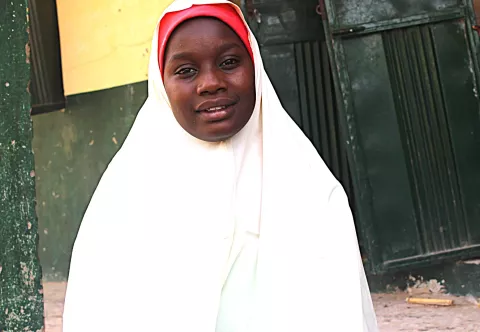
At Modern Secondary School in Nsukka, Enugu State, 14-year-old Favour Ifunanyachukwu walks through the school grounds laughing and chatting with her friends. Like many girls her age, there was a time when menstruation felt uncomfortable to talk about. Today, she speaks about it openly and confidently.
"I feel comfortable among my peers during my period," she says with a smile. "I do not miss classes because of menstruation, and I confidently participate in all school activities and routines."
For Favour, menstruation is no longer something to hide or fear. Access to accurate information, improved hygiene practices and a supportive school environment have helped her feel respected, included and empowered.

"Girls should never feel ashamed because of their period, we need everyone to understand that menstruation is normal, and every girl deserves support and respect."
Her story reflects the experience that every girl deserves, one where menstruation does not interrupt learning, friendships or opportunities.
UNICEF continues to work with government and partners to improve menstrual hygiene management in schools and communities through awareness campaigns, access to information and the promotion of safe, inclusive sanitation facilities.
According to Juliet Chiluwe, UNICEF Chief of Field Office in Enugu, creating a period-friendly world requires collective action and honest conversations that challenge harmful norms and stigma.
"Menstruation should never stand between a girl and her education, health or dreams," says Chiluwe. "Every girl deserves to manage her menstruation safely, confidently and with dignity. Creating a #PeriodFriendlyWorld means ensuring that girls have access to information, supportive environments and essential hygiene services."
UNICEF and its partners continue to support efforts to strengthen Water, Sanitation and Hygiene (WASH) services in schools, including access to clean water, private toilets and hygiene education, all of which are critical to creating a period-friendly environment.
Education stakeholders in Enugu State say that ending menstrual stigma is essential to achieving gender equality in education and ensuring that girls can learn in safe and dignified conditions.
Chiluwe emphasizes that schools play a vital role in shaping girls' confidence and participation.
"When schools provide safe spaces and accurate knowledge, girls are empowered to stay in school, participate actively and achieve their full potential," she says.

For Education Specialist Believe Oritsenemi Eke, stories like Favour's demonstrate why menstrual health is about much more than hygiene.
"When girls share their experiences, they inspire other girls, encourage communities to break harmful silence and remind us that menstrual dignity is a basic right," he says.
He notes that menstrual stigma remains one of the factors contributing to absenteeism among adolescent girls in many communities. Access to clean water, private toilets and menstrual hygiene materials helps improve girls' participation and confidence in school. Comprehensive menstrual hygiene education also helps boys and girls understand menstruation as a normal biological process, reducing teasing, discrimination and misconceptions.
Period-friendly schools, he adds, contribute to girls' retention, participation and overall wellbeing, while investments in menstrual health support broader goals related to gender equality, education and adolescent health.
As Nigeria joins the global call for a #PeriodFriendlyWorld by 2030, stories like Favour's remind us what becomes possible when girls are given the support they need.
For Favour, confidence now comes naturally. She attends classes without worry, participates fully in school life and looks ahead to the future with optimism.
For girls everywhere, menstruation should never limit opportunity. With the right information, supportive schools and dignified facilities, every girl can learn, participate and thrive.