The long road to recovery
Transit centre brings hope of a better future to former Boko Haram abductees in northeast Nigeria

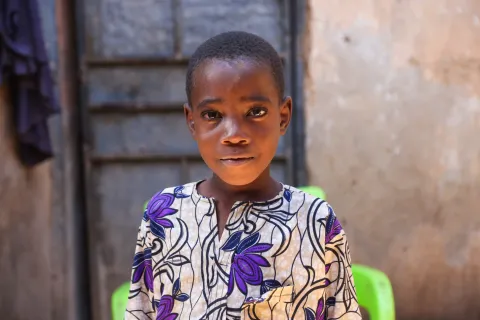
17-year old Aisha* was abducted in the middle of the day when shopping with her mother. “They held a gun to my mother’s head and forced me to go with them,” she explains. She was forcefully married and spent more than two years in Boko Haram captivity.
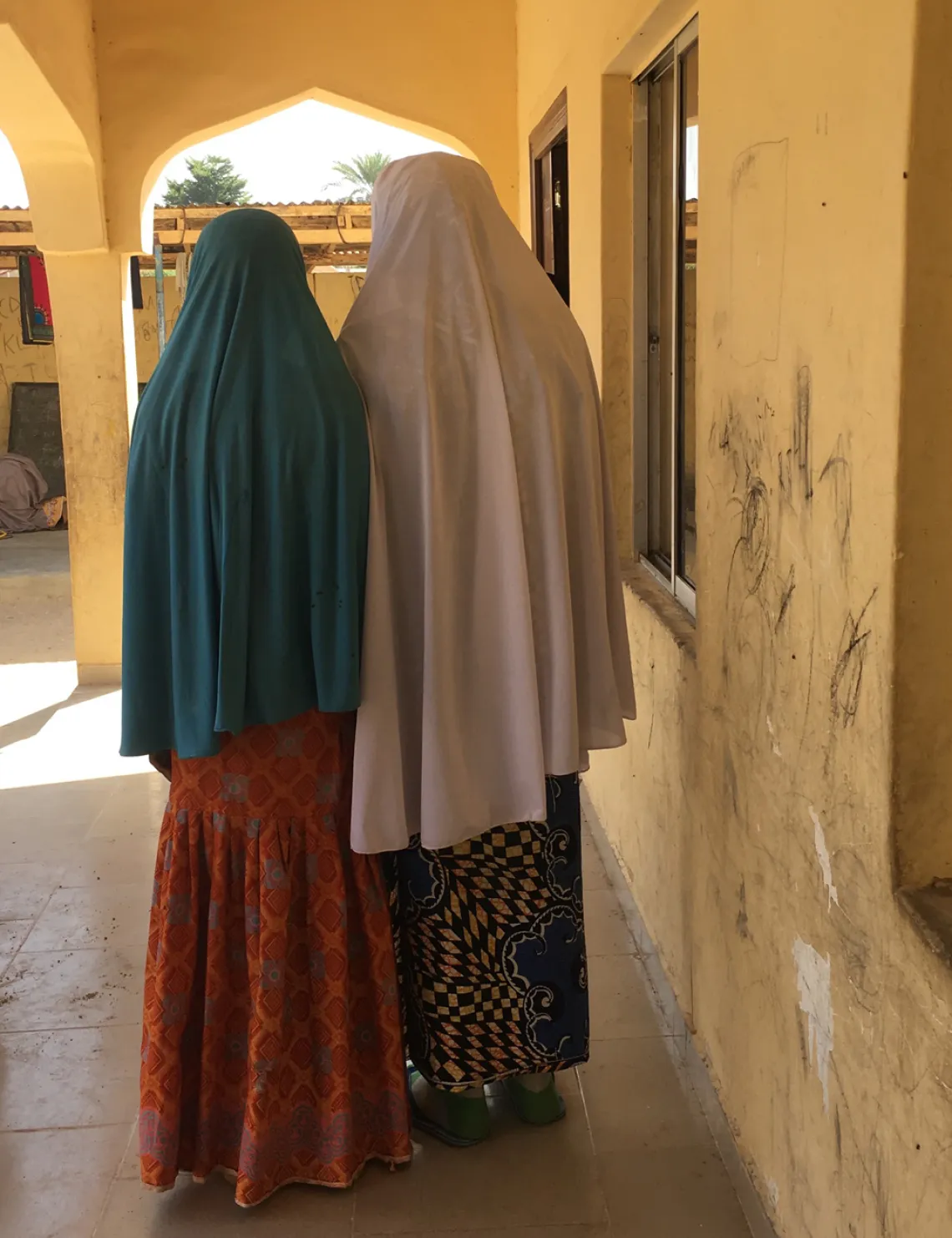
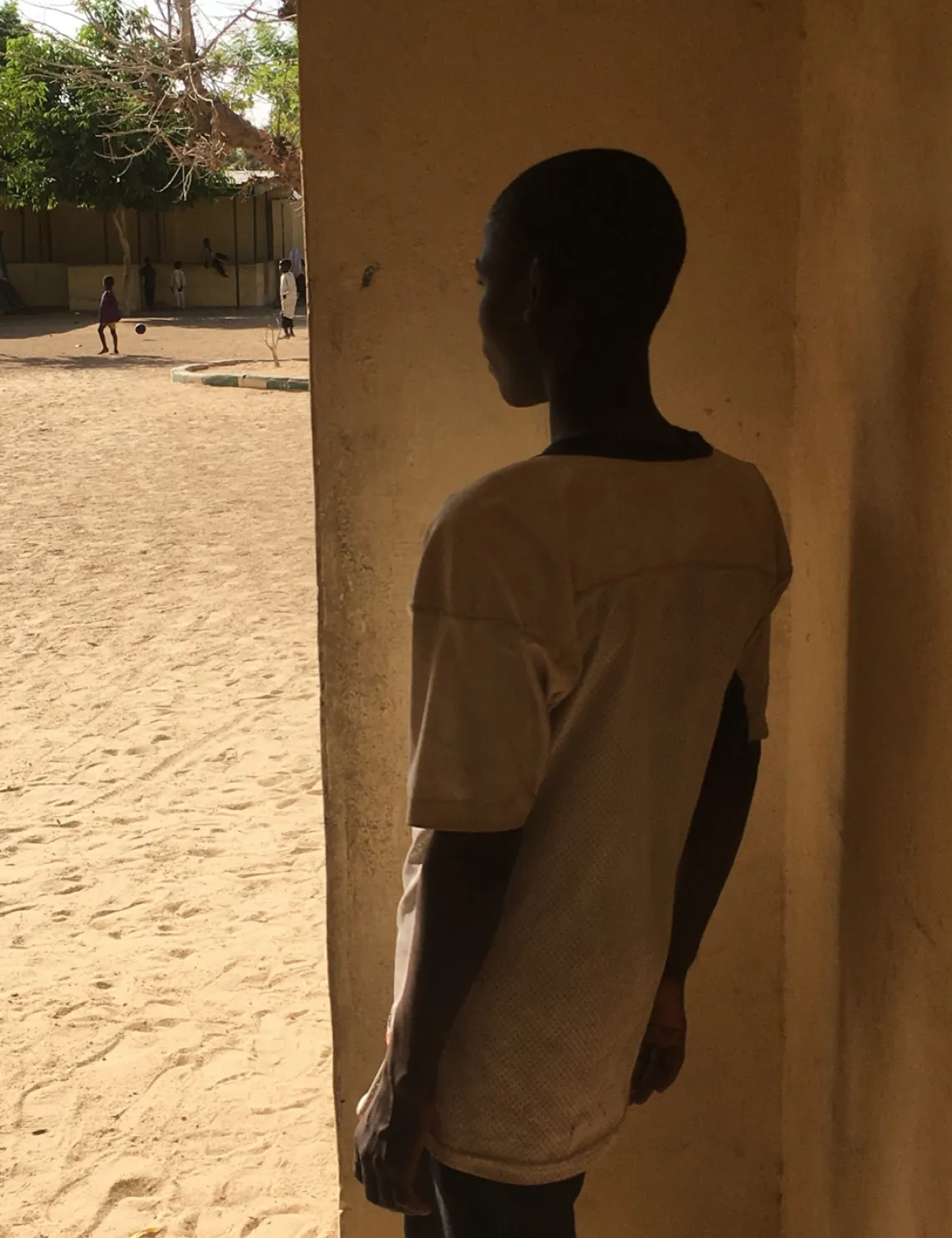
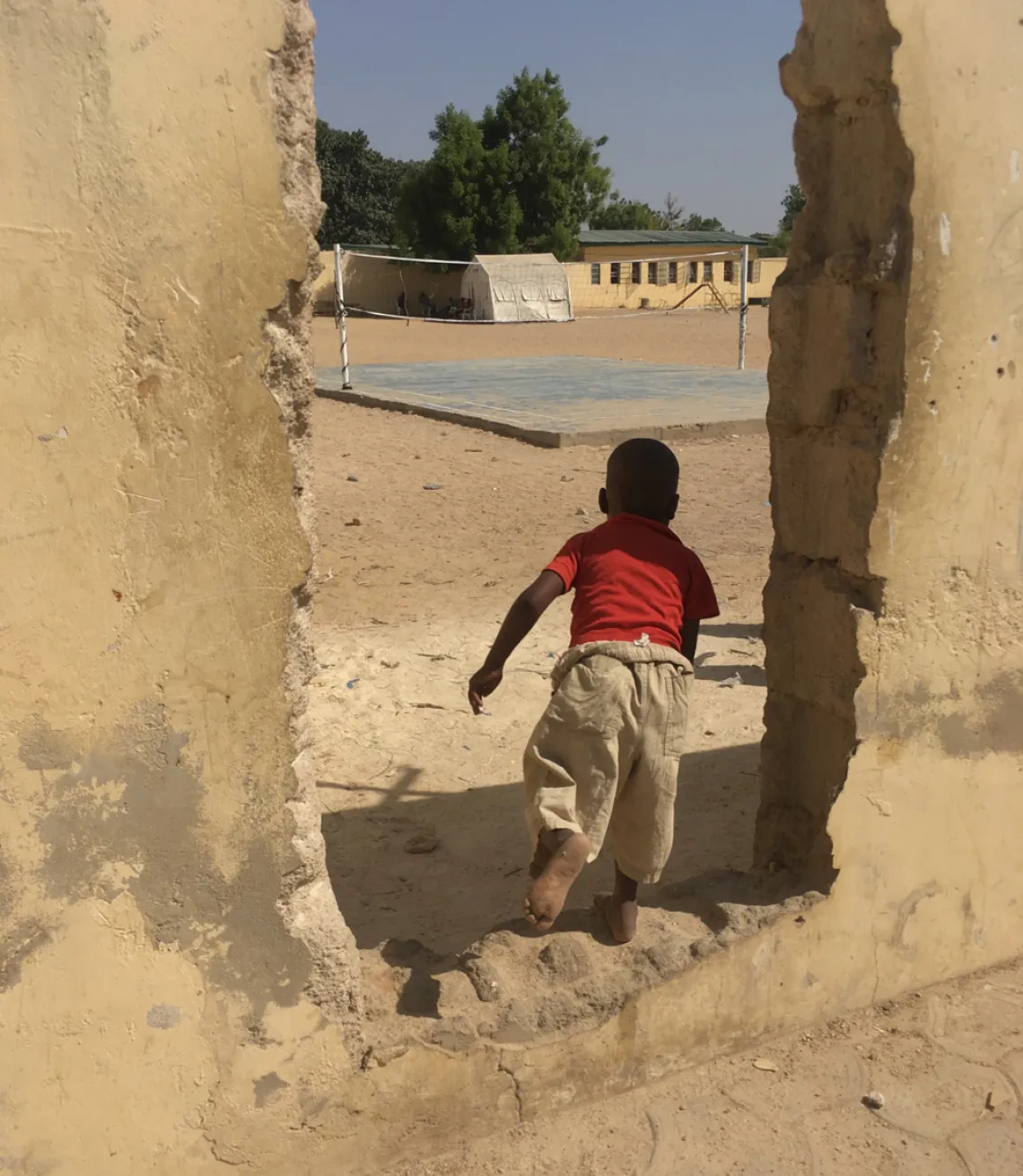
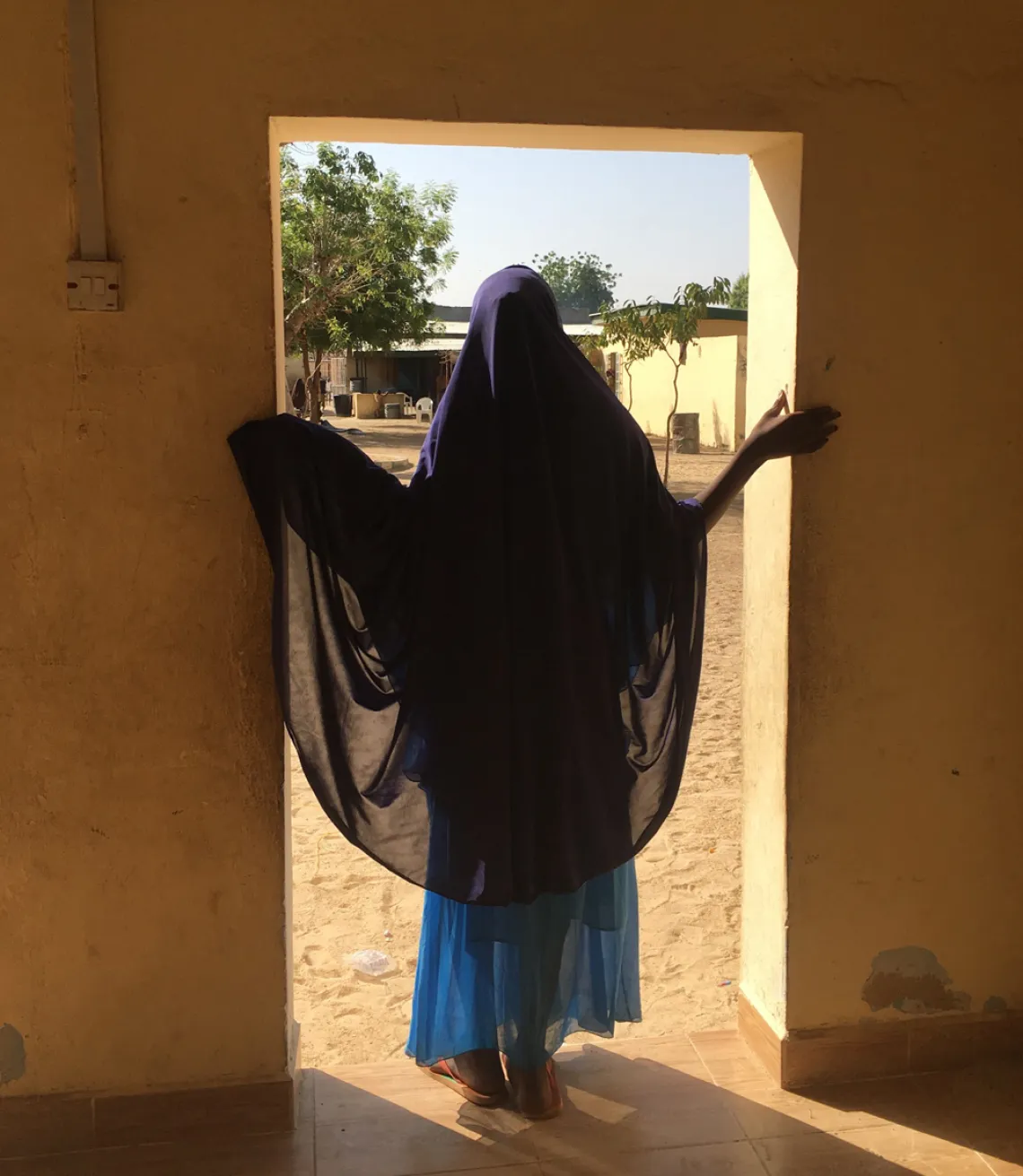
Helping children return to normal life after their horrific experiences is a complex and long process. It starts with addressing their direct and acute physical, mental and emotional needs.
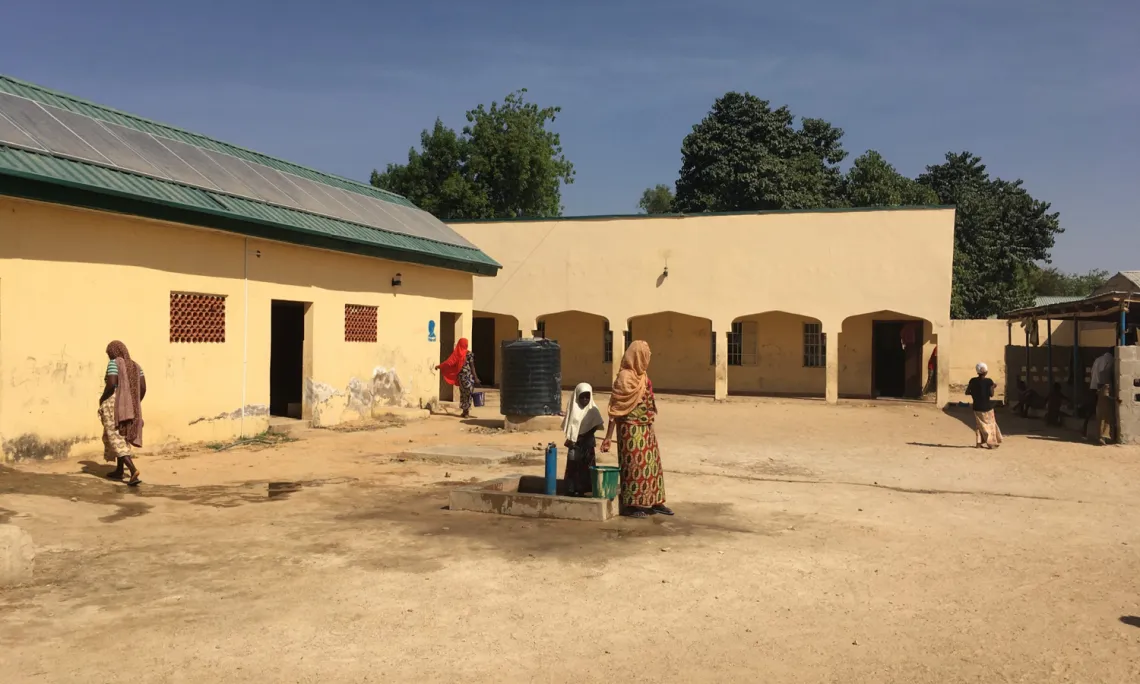
The transit centre is the temporary home for hundreds of children and women, the survivors of the Boko Haram insurgency in northeast Nigeria. They were abducted and held in captivity by insurgents for years, and then rescued and kept in administrative custody by the Nigerian military. These women and children were released to the transit centre after been cleared of having ties with Boko Haram. The transit centre is where their long road to recovery begins.
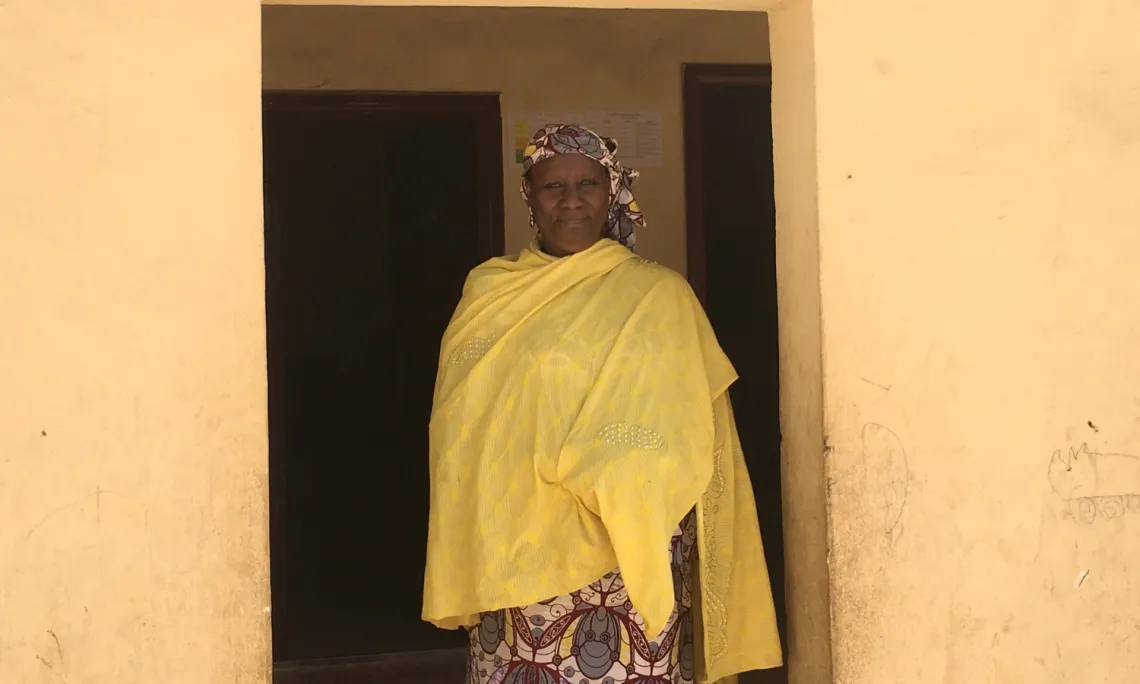
“Every child is unique and requires different types and levels of support, so there is no standard formula for these children to recover,” says the Director of the centre.
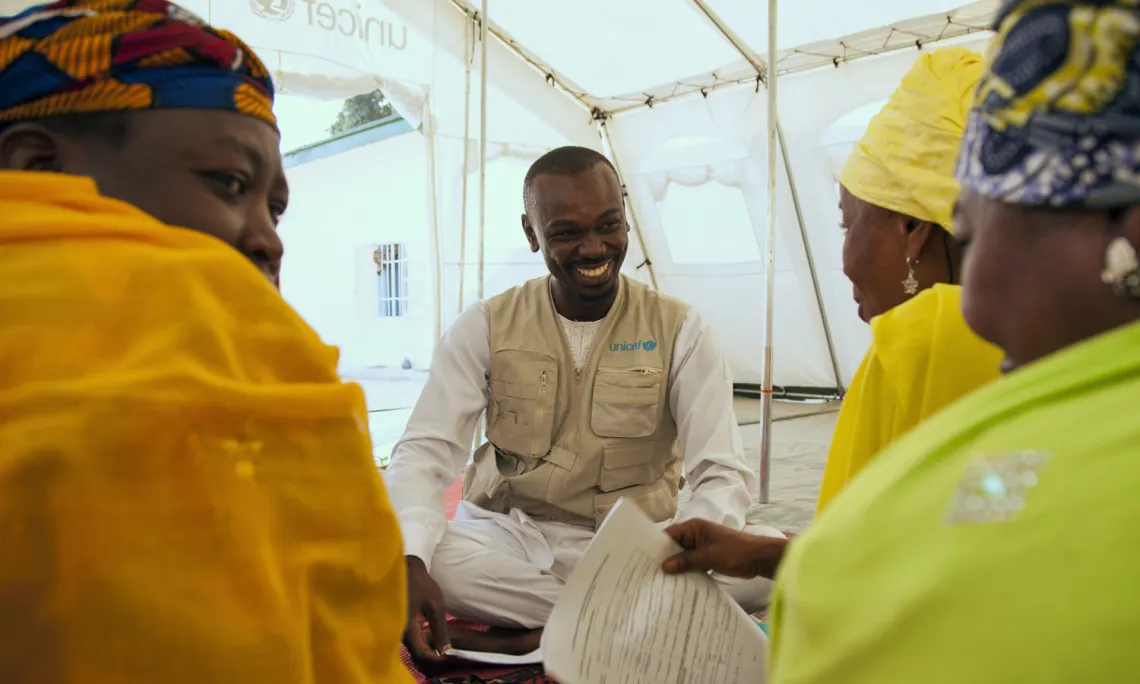
The women and children receive counselling and medical treatment. Social workers are helping to trace parents or guardians, so that they can reunite children who have been separated from their families for two to three years.
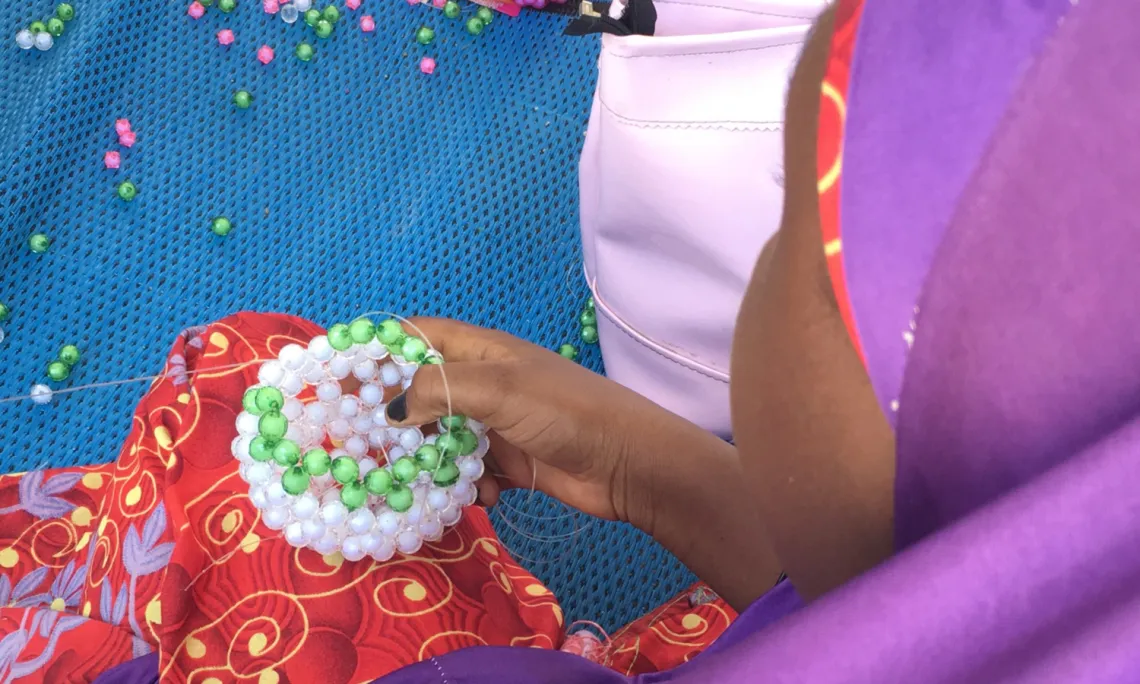
At the centre, women and girls are also provided with skills’ acquisition and engaged in positive activities to prepare them for their return to the community.
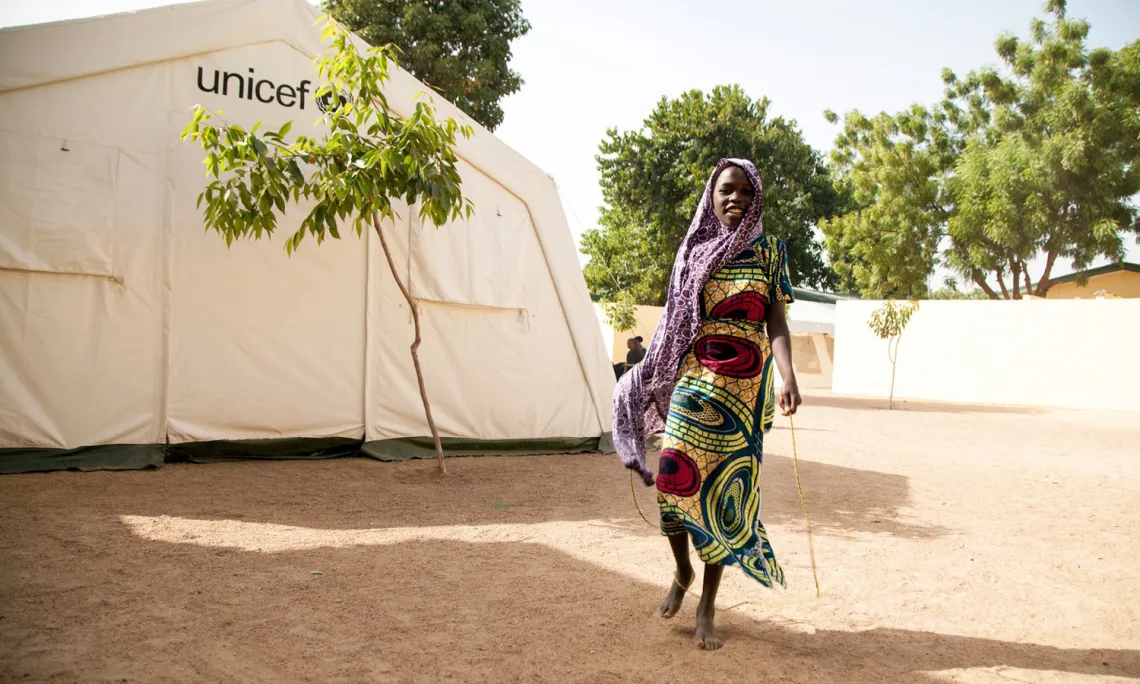
Children have an opportunity to start playing again.
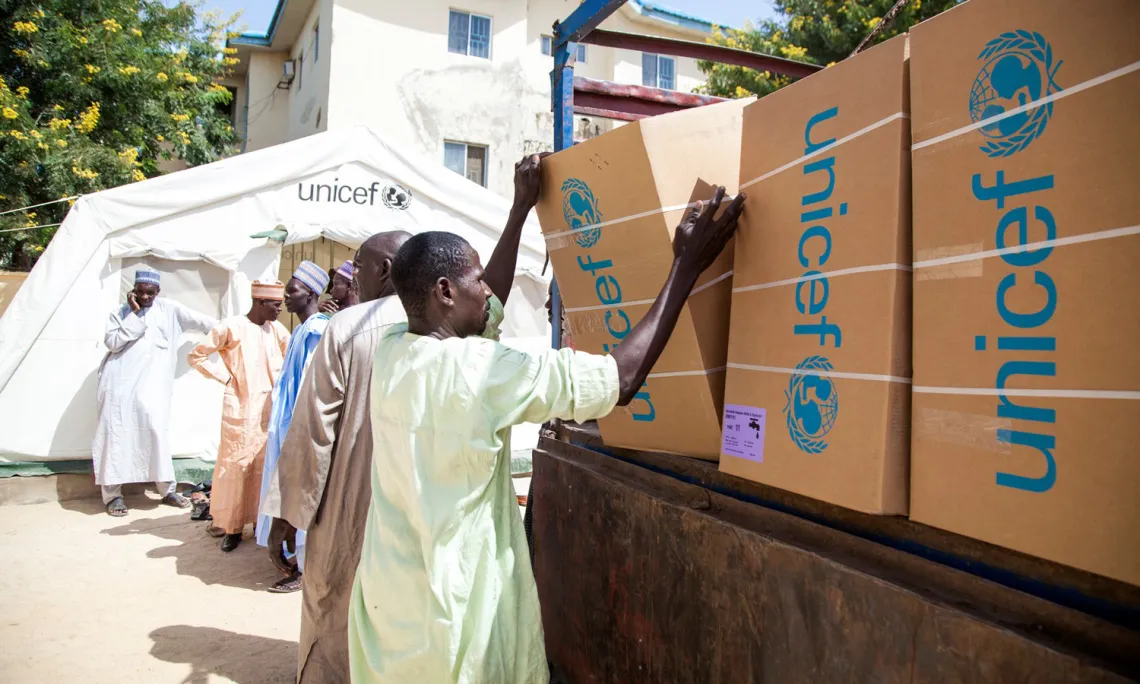
UNICEF is working closely with the Borno State Ministry of Women’s Affairs and Social Development, partners and donors such as the European Union to support the children in their recovery and return to their communities.
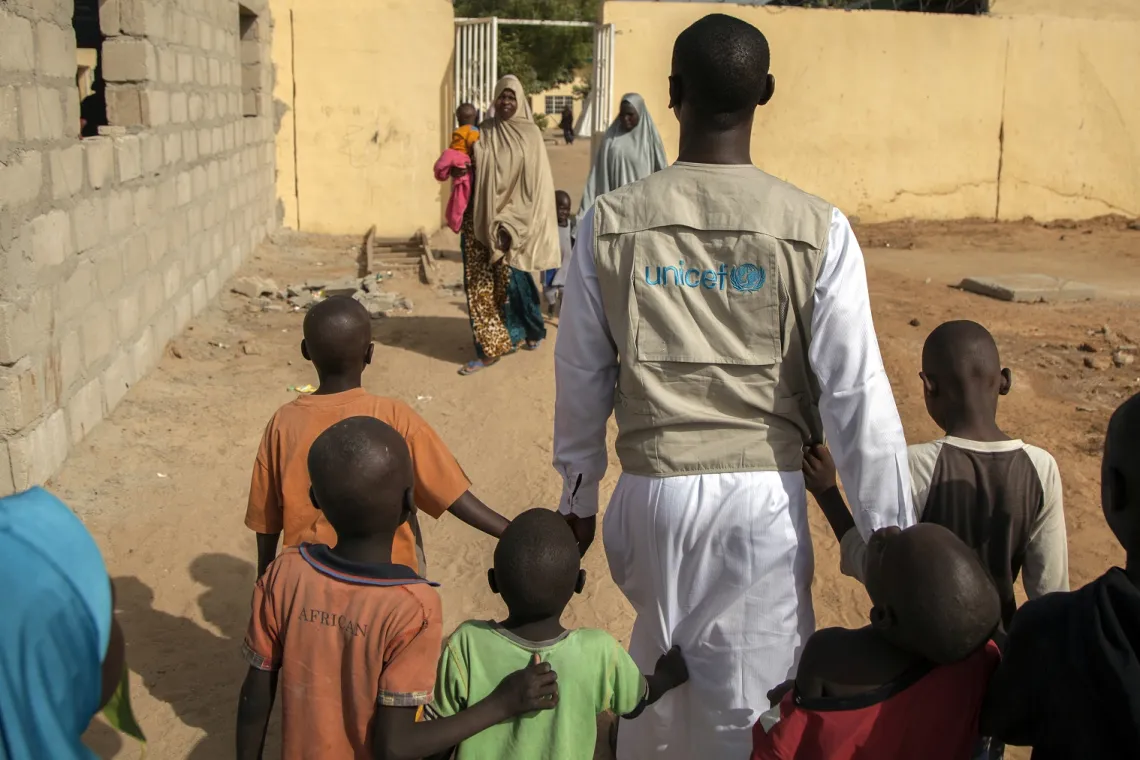
Despite the current crisis, the protection sector remains chronically and critically underfunded. More funding is needed to provide mental health and social support, reunite families and offer education, safe water and medical services.
*Children’s names have been changed to protect their identities.