Learning Without Limits: Ensuring Inclusive Education in Maiduguri
In Maiduguri, northeast Nigeria, inclusive education is no longer an afterthought. Through the Partnership for Learning for All in Nigeria, PLANE, programme, UNICEF is helping ensure that children with disabilities are not left behind.

Most children growing up in Maiduguri speak Hausa, Kanuri, or both.
Bintu Ibrahim does not.
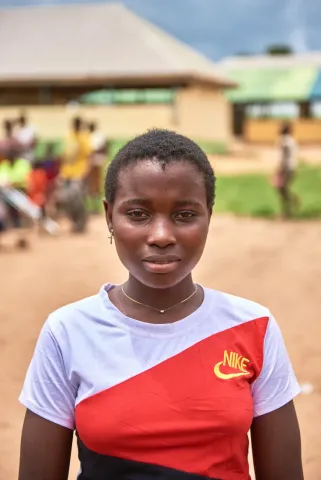
Born in the city, the 15-year-old has never spoken a word. A childhood illness left her permanently unable to hear or speak.
“I have nine siblings but I am the only one with this challenge,” she says through sign language, interpreted by Yagana Shettima, her principal at Yerwa Special Needs School. “I was told that I fell ill as a child and became deaf and dumb after.”
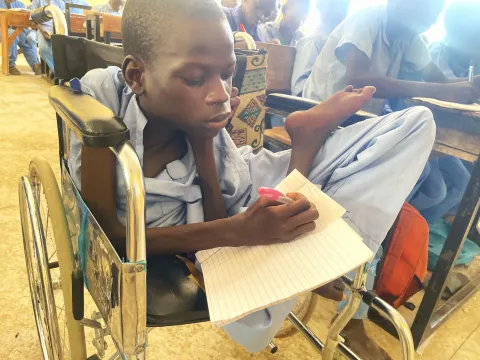
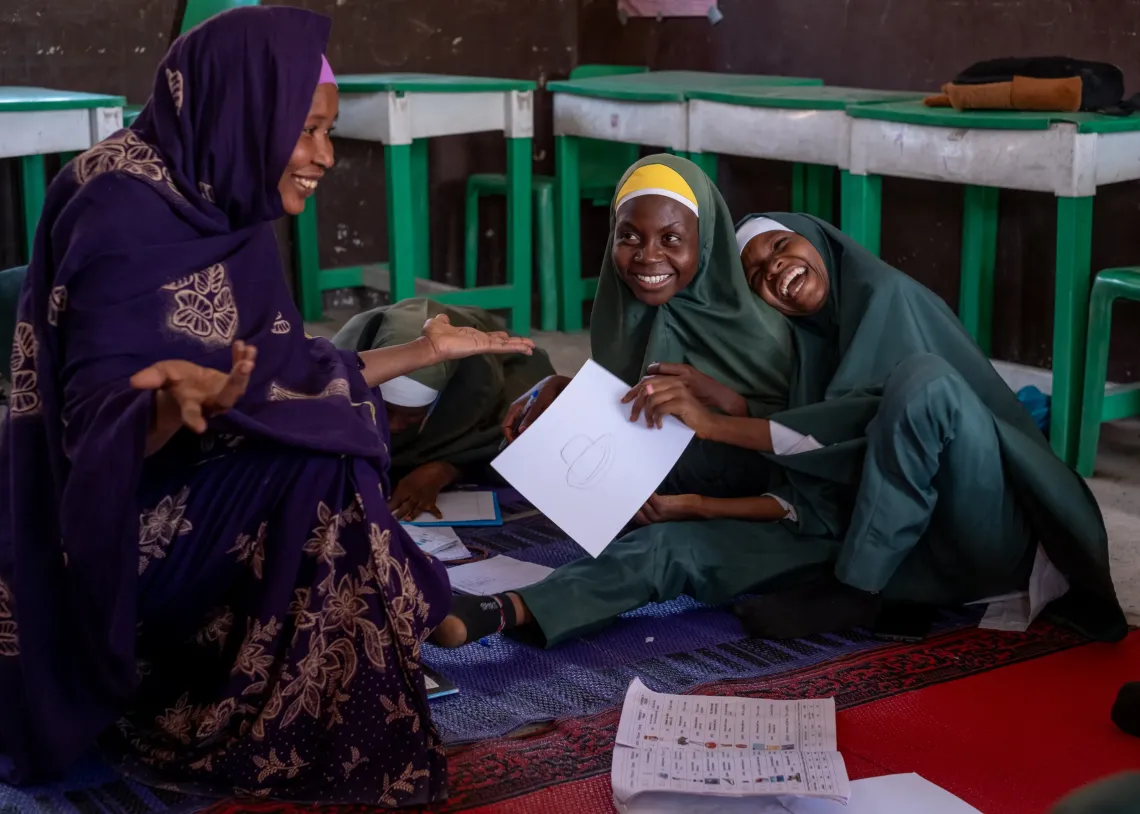
Today, Bintu attends Yerwa Special Needs School, the only basic-level facility in the city dedicated to children with special needs. She enrolled in 2020. Since then, she has found something many children take for granted, belonging.
She has made friends. One in particular stands out. Hafsat, a fellow primary six pupil, rarely leaves her side.
Established in 1963 as a school for children with visual impairment, Yerwa has since evolved to accommodate children with diverse disabilities. As of February 2026, it serves 114 learners supported by 10 teachers.
The broader context, however, remains difficult.
Protracted conflict in northeast Nigeria, ongoing since 2009, has deeply affected education. Schools have been destroyed. Teachers have been killed or displaced. According to a former Borno State Universal Education Board official, Dr. Shettima Bukar Kullima, more than 500 public schools have been destroyed by non-state armed groups. The impact on teaching quality and learning outcomes has been severe.
Children with disabilities have felt this disruption even more sharply. When systems collapse, they are often the first to be excluded.
Through the PLANE project, funded by the Foreign, Commonwealth and Development Office, UNICEF is working with the Government to improve both access and quality of education across the region, including for children with disabilities.
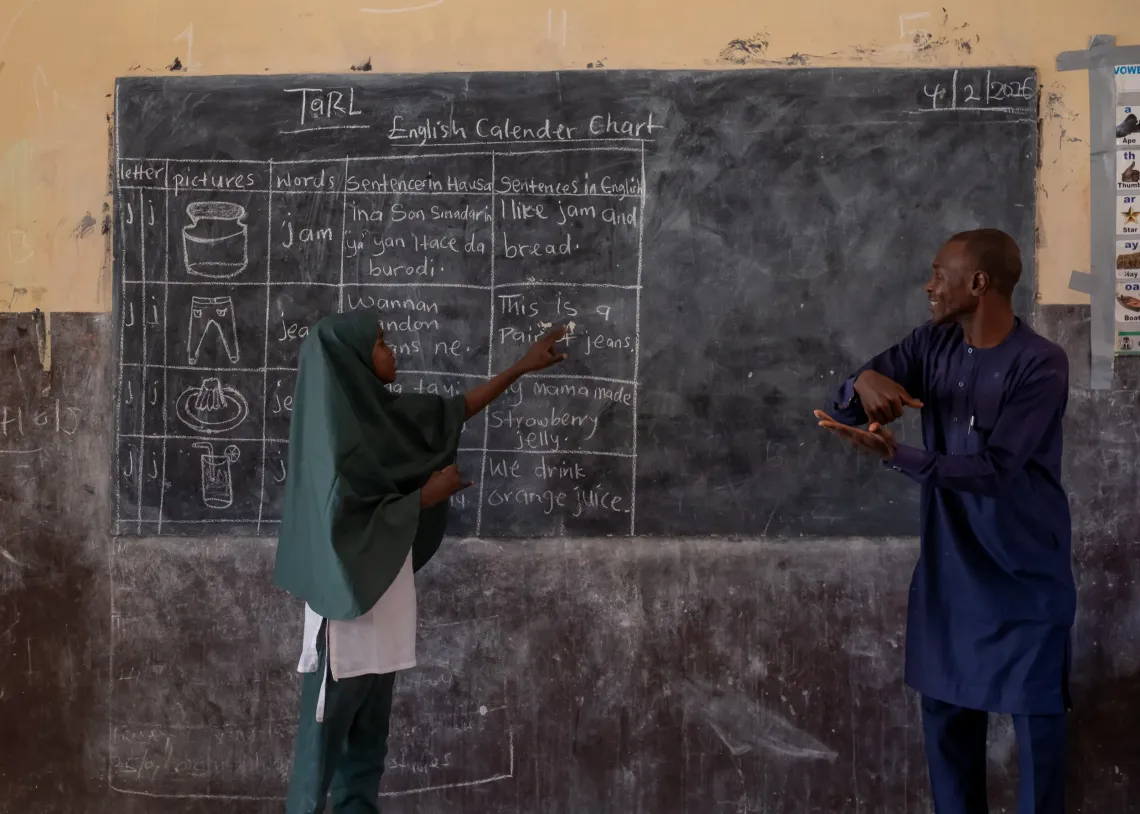
At Yerwa Special Needs School, support has included the provision of learning materials, textbooks and handwashing stations. Teachers have also been trained in the Teaching at the Right Level, TaRL, methodology, an approach that allows children to learn at their own pace, using structured and level-based instruction.
TaRL breaks away from rigid, age-based progression. It groups children according to learning levels, not grade. Lessons use simple, colourful teaching aids. Where possible, children first learn in their mother tongue, strengthening foundational literacy before transitioning.
Under PLANE, nearly 2 million children have been reached with teaching and learning materials, including resources in Hausa and Kanuri. Around 15,000 teachers have received training in quality instruction and psychosocial support. More than 200 learning hubs have also been established across schools and communities.
“Every child who enrolls in this school learns sign language first,” says Shettima. “All the teachers are also trained in sign language, but we have two of them who are also special needs.”

Last year, in collaboration with the Borno State Universal Basic Education Board, UNICEF expanded the TaRL approach to Yerwa, strengthening foundational literacy and numeracy for learners. Teachers were trained to deliver the methodology using universal sign language, and additional teaching aids were introduced to support learning.
Bintu attends the TaRL sessions regularly. She often sits beside Hafsat.
She has developed a particular interest.
“Mathematics is my best subject and I always want to be around computers. I like to see things in computers. I like learning here and I also like my best friend Hafsat. She is my best friend,” she says.
Her ambitions are simple and clear, she wants to work with computers in the future.
In a region where conflict has damaged infrastructure and opportunity, inclusion requires deliberate effort. For Bintu, that effort has meant access, structured learning and teachers who understand her language.
She may not speak with her voice. But in this classroom, she is no longer excluded.