From a group of skeptics to leaders of the band
In the state of Adamawa, we highlight fathers who are building healthy families, after they emerged champions for exclusive breastfeeding.
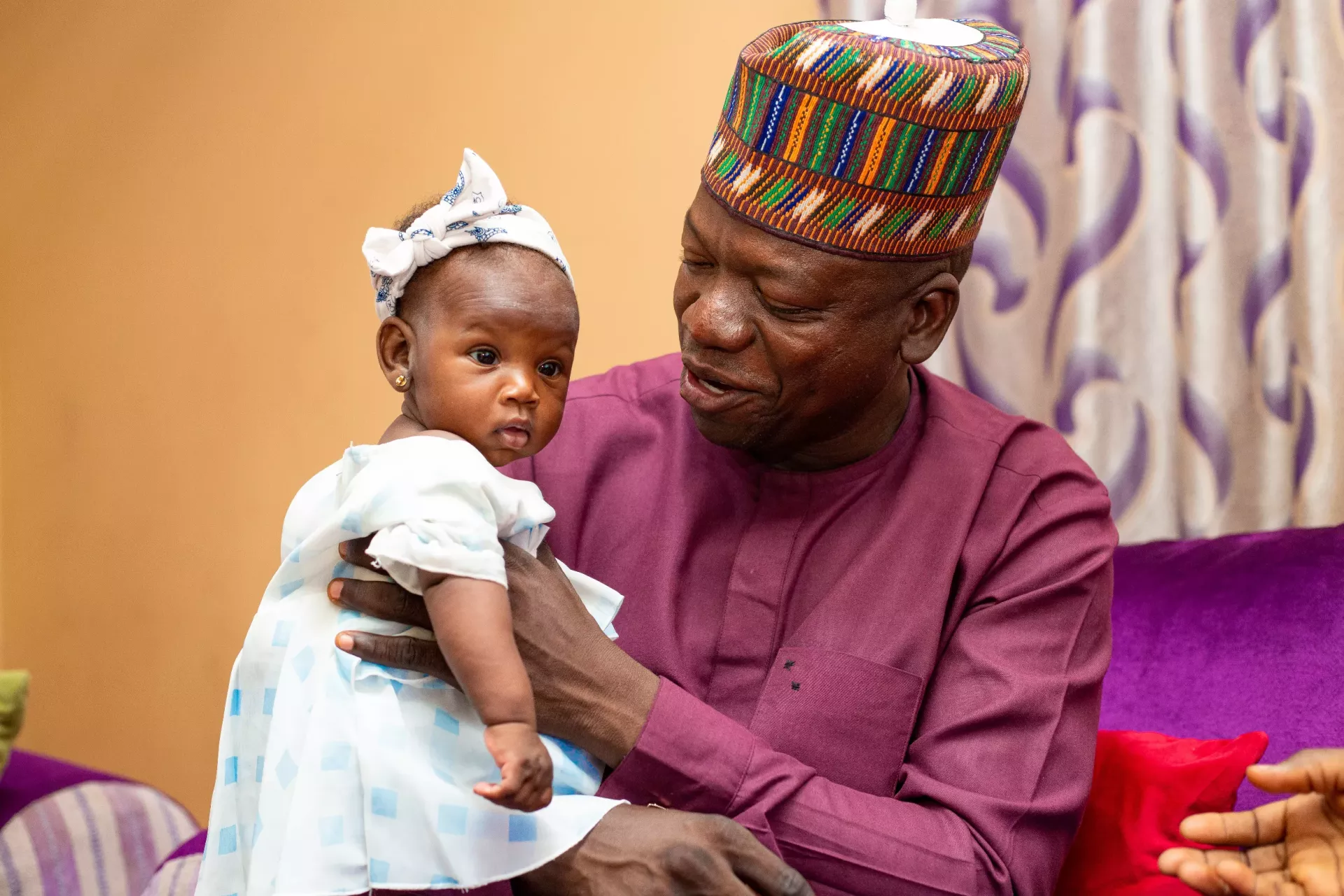
Protecting lives is important to Bala Garba, an agent for a government security agency in Adamawa state, northeast Nigeria. He understands the importance of safeguarding lives. However, his greatest responsibility lies closer to home: ensuring his family is healthy and protected from diseases.
With a commanding presence, Bala, a father of four, recalls how his perspective on child health evolved.
When we had our first child, we didn’t practice exclusive breastfeeding, he admits. Our daughter frequently fell ill and was vulnerable to diseases like malaria, which was troubling.
When his wife became pregnant with their second child, she started attending a UNICEF-supported health facility for antenatal care. There, she learned about the advantages of exclusive breastfeeding, including how it fortifies a child’s immune system. Concerned by the health issues their first child faced, Bala decided to embrace exclusive breastfeeding after further online research.
The difference was striking, he says. Our second child rarely falls ill. When she does, her symptoms are mild, and she recovers quickly.
Bala has since become an advocate for exclusive breastfeeding, ensuring that his subsequent two children also benefit from its vital nutrients. “I am now a band leader for exclusive breastfeeding,” he boasts.
Similarly, Timothy Elisha’s journey to supporting exclusive breastfeeding began when he overheard a conversation between his wife and her mother-to-mother support group. Initially, Timothy initially resisted exclusive breastfeeding for his first child due to superstitious beliefs, such as the notion that giving an infant water in the early days protects against spiritual harm. “I later learned these beliefs were myths,” he says. “My second child, who was exclusively breastfed, is healthier and growing faster than the first.”

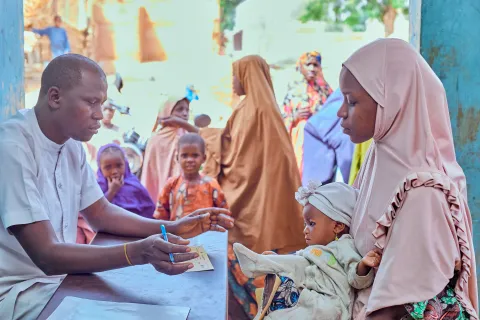
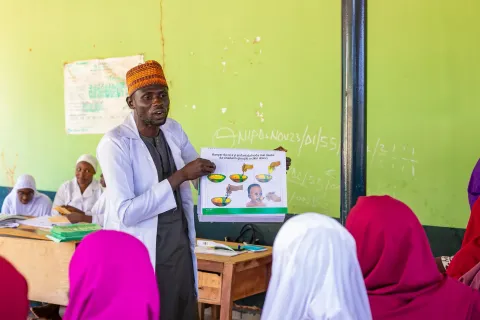
Our approach to engage with fathers on promoting exclusive breastfeeding through the mother-to-mother support groups and through house-to-house counselling visits by trained community health workers in Adamawa has yielded good results, asserts Philomena Irene, a nutrition specialist with UNICEF Nigeria.
Highlighting the importance of engaging fathers to promote exclusive breastfeeding, she explains that “in northern Nigeria, fathers are often the decision-makers and cultural custodians in the home.” “Convincing a father means convincing the whole family and their community.” Both Bala and Timothy have become local advocates, using their own children as living proof of the benefits of exclusive breastfeeding.

According to the Multiple Indicator Cluster Survey (MICS), the rate of exclusive breastfeeding in the first six months of life in Adamawa state increased from around 34 percent to about 53 percent between 2017 and 2021.
In a state where over 2 million people – 50 percent of the population – are children, this increase translates into thousands more children receiving the essential nutrients for a healthy and productive life, says Irene.
However, there is still more work to be done. As the world marks the 2024 World Breastfeeding Week, it’s crucial to recognize the efforts of champions like Bala and Timothy while acknowledging the ongoing challenges. In Nigeria, the gaps in breastfeeding include limited access to breastfeeding education and services, particularly in rural areas, insufficient maternity leave policies, among others. Policymakers, families, health workers, and communities must continue to prioritize exclusive breastfeeding to ensure every child in Nigeria — where the current exclusive breastfeeding rate is 34 percent — receives the necessary nutrients for optimal health, well-being, and development.